
Environmental Group Challenges Official Report on Mangrove Loss in Mangaluru
NV Paulose, Chairman, Global TV +91 98441 82044
A dispute has emerged over the alleged destruction of mangroves along the Nethravathi River in Mangaluru, with the National Environment Care Federation (NECF) formally contesting findings submitted by the National Centre for Coastal Research (NCCR) to the National Green Tribunal (NGT).
Conflicting Claims
The controversy stems from an NCCR report prepared in connection with the Mangaluru Smart City riverfront development project. In its submission to the tribunal, NCCR reportedly concluded that no mangrove destruction had taken place in the project area.
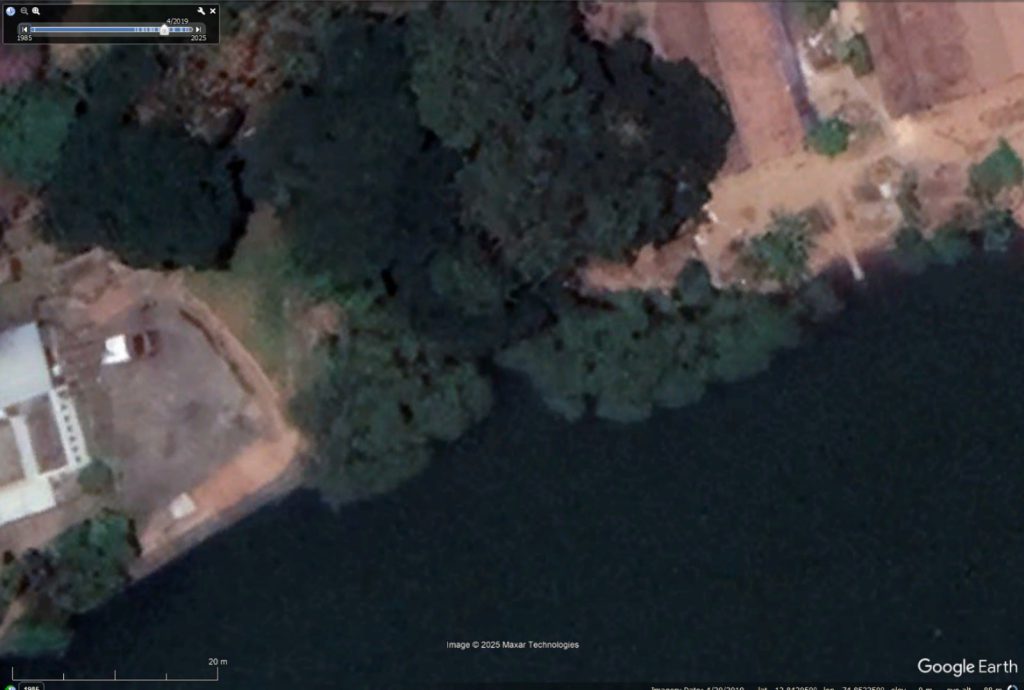
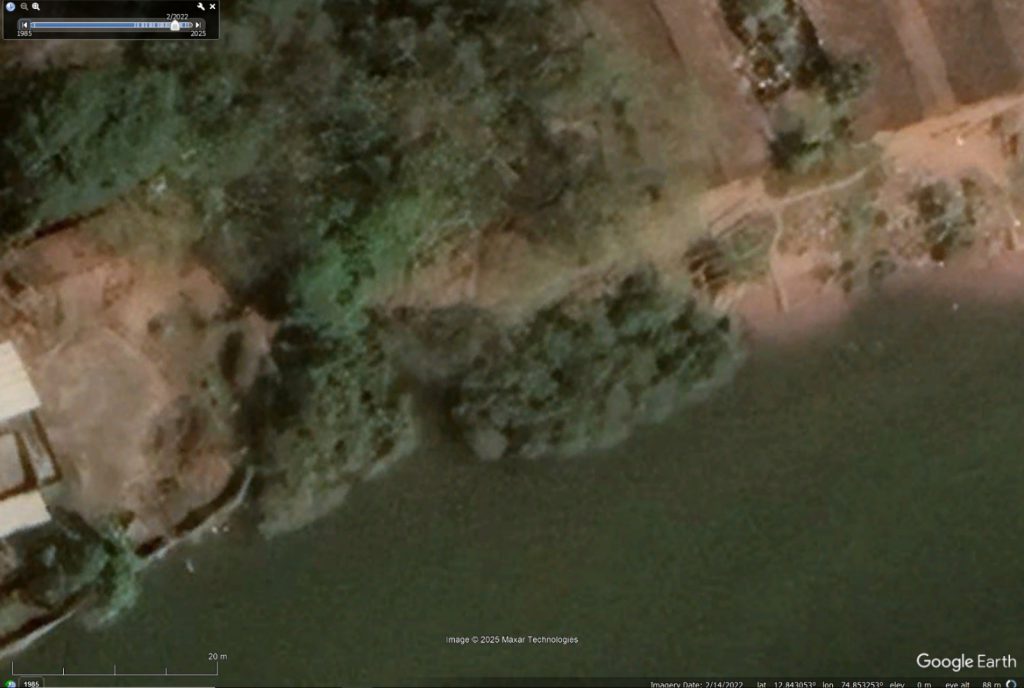
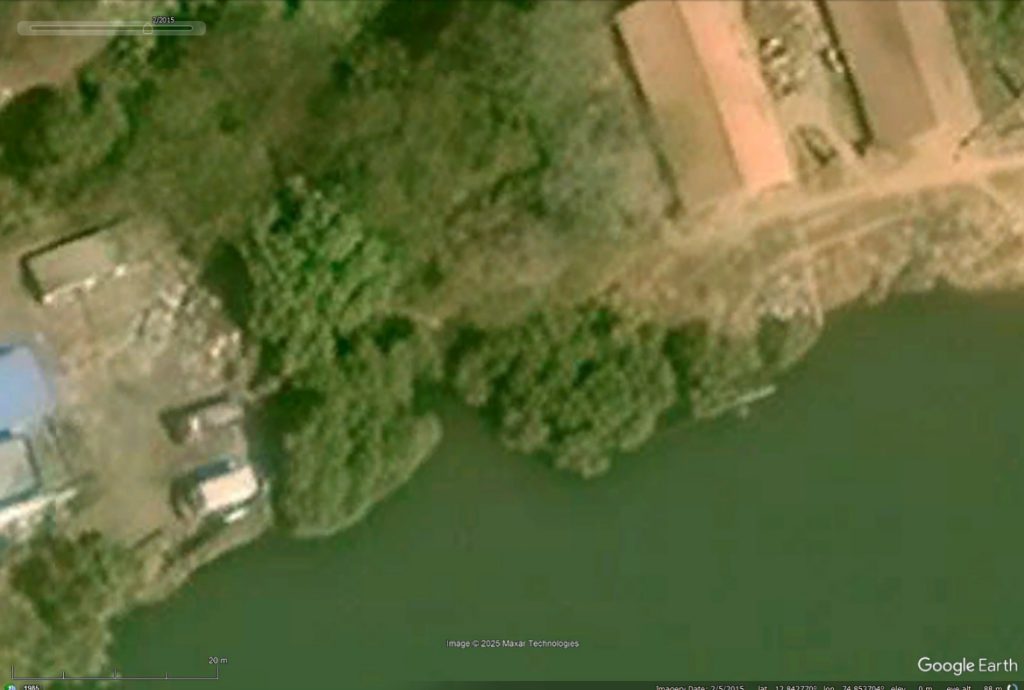
However, NECF has strongly disputed this conclusion, citing satellite imagery and temporal data that suggest otherwise. According to the organization, historical satellite records from 2015, 2018, and 2022 show dense mangrove cover along the riverbanks. In contrast, imagery from November 2025 allegedly reveals a complete absence of mangroves in the same area, alongside visible construction activity.
Environmental Significance
Mangroves are classified under the most ecologically sensitive coastal regulation zones (CRZ-I(A)) in India. These ecosystems play a critical role in shoreline protection, biodiversity conservation, and carbon sequestration. Any removal or alteration of mangrove vegetation requires prior regulatory approval and is subject to strict environmental scrutiny.
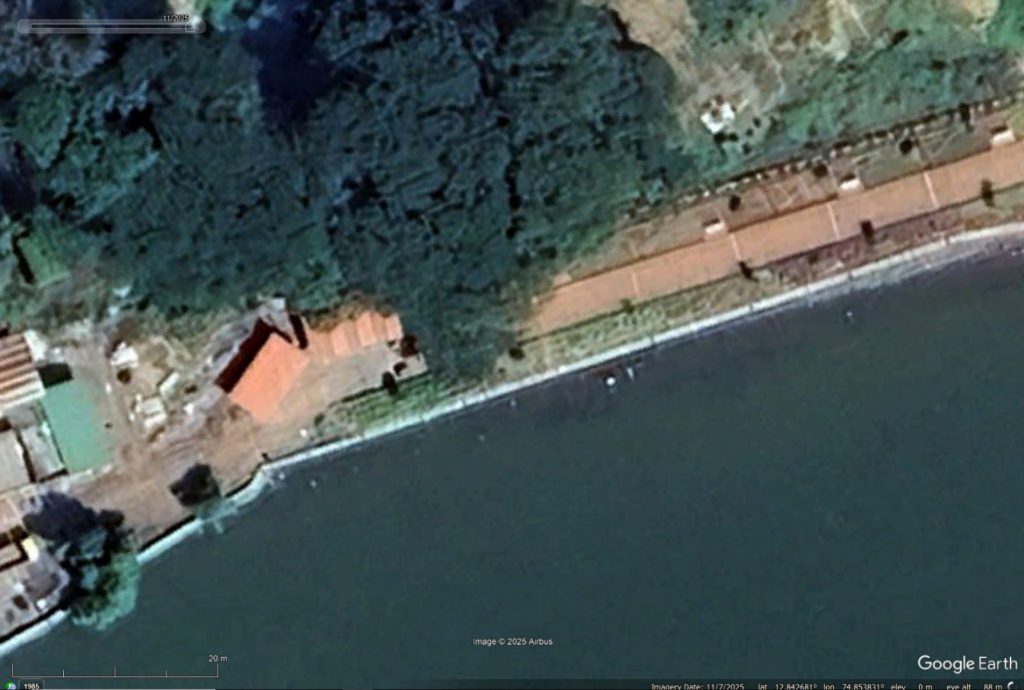
If NECF’s claims are substantiated, the reported changes could indicate a violation of coastal regulation norms, raising concerns about environmental compliance in urban development projects.
Questions Raised
In its communication, NECF has sought clarification from NCCR on several key points:
- Whether historical satellite data was adequately analyzed
- If on-ground verification was conducted before finalizing the report
- The methodology used to conclude that no mangrove loss occurred
- The identities and roles of experts involved in preparing the report
- Whether any external influence may have affected the findings
The organization has emphasized the need for transparency and scientific rigor in environmental assessments, particularly in ecologically sensitive regions.
Call for Reassessment
NECF has urged NCCR to revisit its findings and submit a revised, evidence-based report to the tribunal. It has also called for an internal review within NCCR to examine the accuracy and integrity of the original submission.
The federation has set a 10-day deadline for a response, warning that it may escalate the matter to higher authorities, including the Ministry of Earth Sciences, if its concerns are not adequately addressed.
Broader Implications
The dispute highlights the growing tension between infrastructure development and environmental conservation in coastal regions. It also underscores the importance of reliable scientific reporting in informing judicial and policy decisions.
As the matter potentially heads toward further legal scrutiny, the outcome may have implications not only for the Mangaluru project but also for how environmental impact assessments are conducted and reviewed across similar projects in India.


