
NV Paulose, Chairman, Global TV +91 98441 82044
All posts by admin

Organ Donation | WHY INDIA LAGS BEHIND THE UK IN ORGAN DONATION? | Global TV
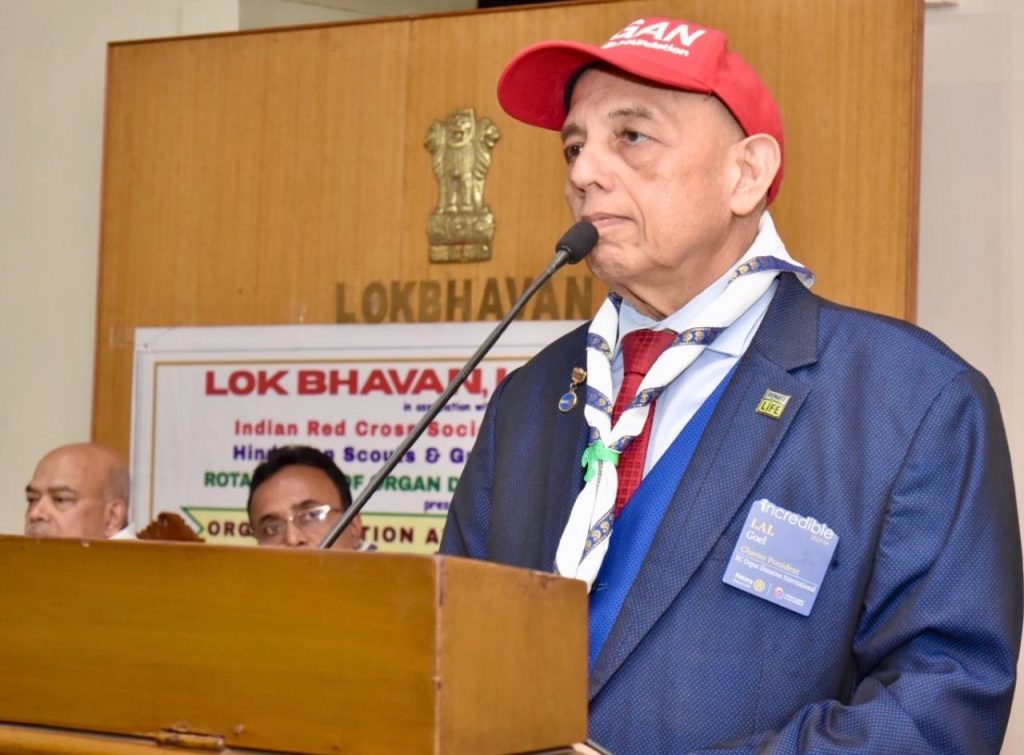
Understanding the Gap and the Way Forward | Written By Rotarian Lal Goel, Founder & Charter President, Rotary Club of Organ Donation International
Organ donation is among humanity’s most profound acts of selflessness—where the end of one life becomes the beginning of hope for many others. Yet, despite India’s rich cultural ethos of compassion, charity, and daan, the country continues to lag far behind the United Kingdom in organ donation rates.
This disparity does not reflect a lack of generosity among Indians. Instead, it highlights systemic gaps in awareness, preparedness, infrastructure, policy execution, and public trust.
The Awareness Divide
In India, awareness about organ donation—especially deceased and brain-death donation—remains fragmented and inconsistent. Large sections of the population are unfamiliar with the concept of brain death, the legal framework governing donation, and the immense life-saving potential of deceased donors.
In contrast, the UK has embedded organ donation into its social consciousness through sustained public education, school-based learning, and nationwide campaigns led by NHS Blood and Transplant. As a result, organ donation is not a crisis-time conversation but a normalised social responsibility.
When Families Say No
Even when individuals in India pledge their organs during life, donation often does not materialise because families are unprepared or emotionally overwhelmed at the critical moment. Family refusal rates remain high, largely due to a lack of prior discussion and counselling.
In the UK, trained transplant coordinators guide families with empathy and clarity during these difficult conversations. Because donation is openly discussed and socially accepted, families are more prepared—making refusal far less likely.
Infrastructure and Training Gaps
India faces an acute shortage of trained transplant coordinators, grief counsellors, and standardised ICU protocols—especially in government hospitals. Many potential donors are missed due to delayed identification of brain death, inadequate donor maintenance, and logistical inefficiencies in organ retrieval and transport.
The UK, by contrast, operates within a highly integrated national framework, where hospitals follow uniform clinical pathways. Transplant coordinators are available round-the-clock, ensuring every potential donor is managed with precision, dignity, and compassion.
Cultural Myths and Misconceptions
Deep-rooted myths continue to hinder progress in India—fears of body disfigurement, religious prohibitions, and beliefs related to rebirth or karma. These misconceptions often overshadow medical facts.
In the UK, major religious leaders and institutions across faiths have publicly endorsed organ donation as an act of charity, compassion, and service to humanity—helping normalise the practice across diverse communities.
The Policy Question
India follows a strict opt-in consent system, requiring explicit permission for donation. The UK has adopted a soft opt-out system, where consent is presumed unless individuals register an objection—while still respecting family views.
This policy shift, combined with public awareness and trust, has significantly contributed to increased donor numbers in the UK.
The Trust Factor
A crucial barrier in India is public mistrust—fear of organ misuse, commercial exploitation, or premature withdrawal of treatment. These concerns, whether real or perceived, deeply influence family decisions.
The UK addresses this through transparency, rigorous audits, and a centralised organ allocation system, ensuring fairness, accountability, and ethical integrity at every stage.
The Numbers Tell the Story
The cumulative impact of these factors is stark:
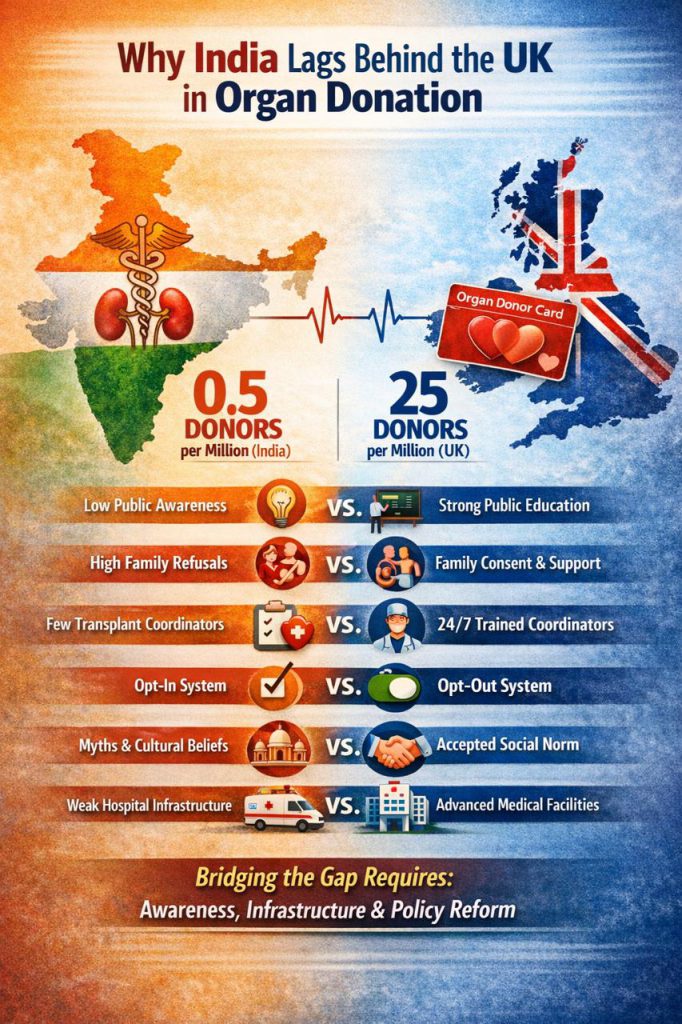
- India: ~0.5 deceased donors per million population
- United Kingdom: 24–25 donors per million population
That is nearly 50 times higher.
This gap is not about compassion—it is about systems, preparedness, coordination, and policy execution.
The Path Forward
India does not lack heart.
India lacks systems.
Bridging this gap requires:
- Sustained, grassroots public education
- Normalising family conversations on organ donation
- Strengthening hospital infrastructure and ICU protocols
- Training dedicated transplant coordinators nationwide
- Building public trust through transparency and accountability
- Active engagement from civil society and service organisations like Rotary International
With collective action from government, healthcare institutions, NGOs, and community leaders, organ donation in India can evolve from an exception to an expectation.
When awareness meets preparedness, generosity transforms into saved lives.
The question is not whether India can close this gap— The question is how urgently we choose to act.
LIVE FROM LONDON, UK | Rtn. Lal Goel | Sunday, 11th January 2026, at 9 PM IST | Global TV
Women Self-Care | Inspiration & Motivation for Women | Healing Our Earth |
BEEMARK – I | Mar Baselios Christian College of Engineering and Technology Peermade | Kuttikanam | Global TV
Innovation in Idukki Kerala College Unveils IoT Guardian for Honeybees | Global TV
NV Paulose, Chairman, Global TV +91 98441 82044 | Trivandrum January 5 2026 Global TV Special
At a time when the world is witnessing an alarming decline in honeybee populations a meaningful technological intervention has emerged from the high ranges of Idukki in Kerala.
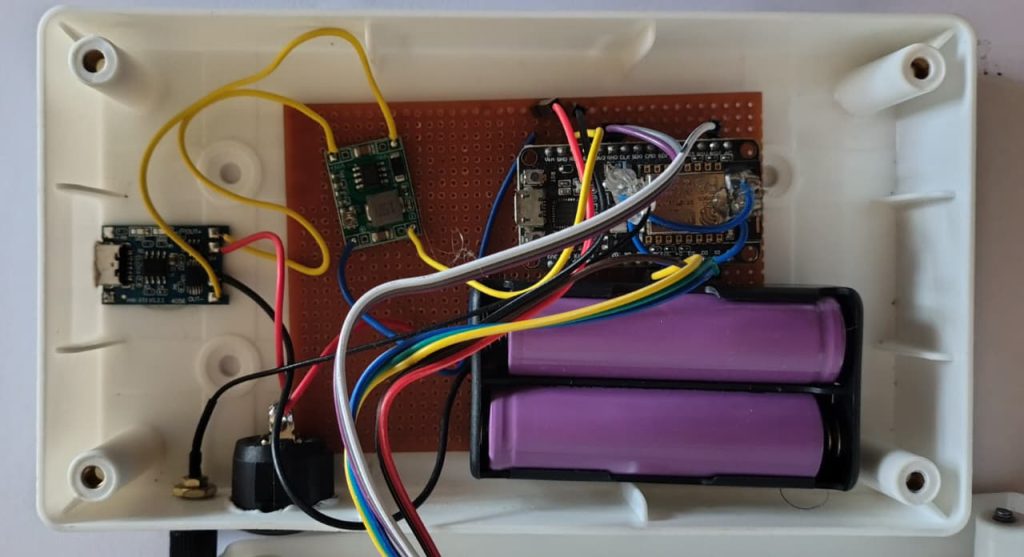
Mar Baselios Christian College of Engineering and Technology Peermade has introduced BEEMARK – I an advanced Internet of Things (IoT) based system designed to safeguard honeybee colonies through continuous and non-intrusive monitoring. The innovation was developed by the Department of Electronics and Communication Engineering under the mentorship of Prof Dr Oommen Tharakan K T Dean Research and Development. This is also an initiative of MBC college towards Atmanirbhar Bharat- building a resilient, self-sufficient nation encompassing Make in India policy of the Government of India.
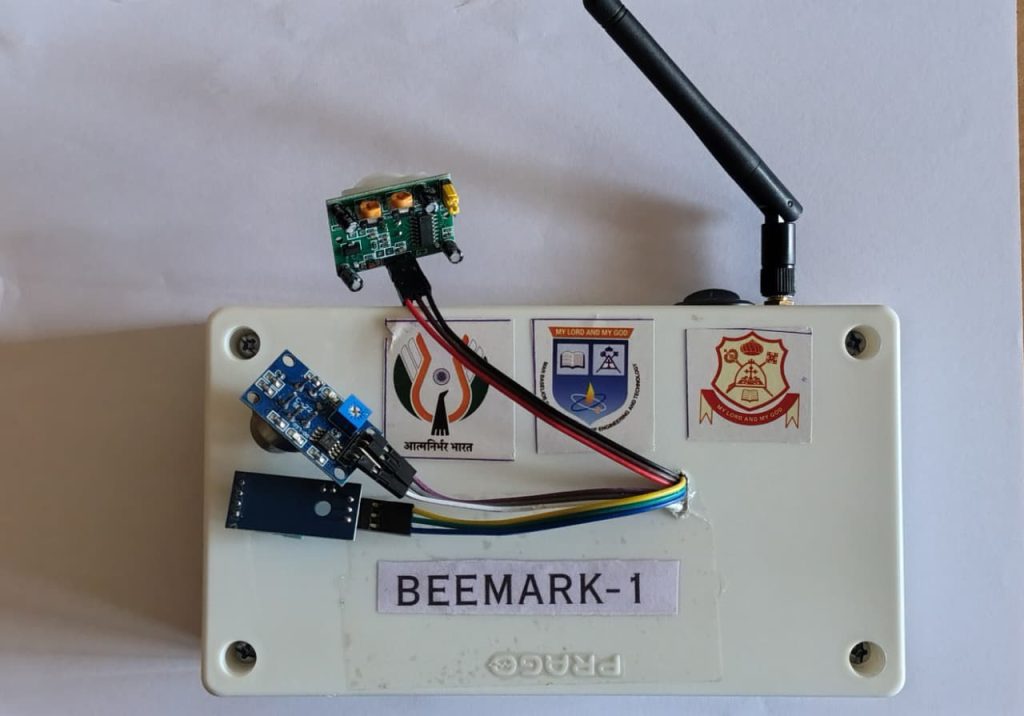
BEEMARK-I (Bee Electronic Ecosystem by Mbc Advanced Research Kuttikanam) Outside view and the inside.
Responding to a Global Ecological Challenge
Honeybees play a critical role in food production and biodiversity. However, climate change pesticide exposure diseases and parasitic infestations are pushing colonies toward collapse.
Conventional hive inspections are often disruptive and may overlook early warning signs of stress. BEEMARK I offers a transformative solution by functioning as a silent observer within the hive. The system continuously gathers and analyses environmental and biological data enabling early detection of abnormal conditions and timely intervention by beekeepers.
Smart Technology Serving Sustainable Agriculture
Key capabilities of BEEMARK – I include
- Continuous temperature and humidity monitoring
- Air quality assessment inside the hive
- Observation of bee movement and activity patterns
- Cloud based data storage and synchronization
- Multi time range data visualization
- Scalable architecture adaptable to different beehive designs
This approach allows beekeepers to shift from reactive problem solving to preventive colony management.
From Campus Innovation to Field Application
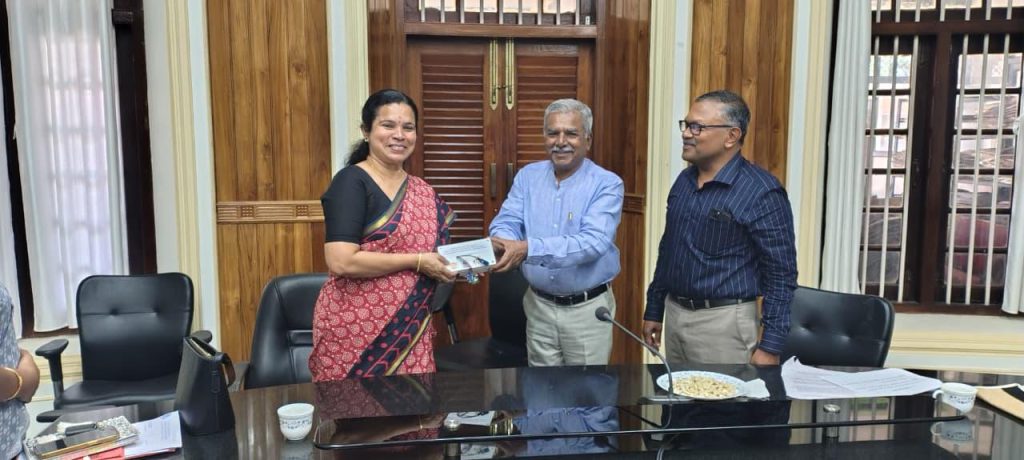
The official handing over ceremony to evaluate field compatibility was held at the College of Agriculture Vellayani Trivandrum on January 5 2026. Dr Oommen Mammen Director of MBCCET formally presented the system to Prof Dr Shalini Pillai Associate Director of Research Agricultural Research Station Vellayani.
The event was attended by Prof Dr Amritha V S Principal Investigator of the All India Coordinated Research Project on Honey Bee and Pollinators highlighting the national relevance of the innovation.
Scaling Impact Across Regions
Dr Oommen Mammen stated that MBCCET plans to deploy BEEMARK – I in multiple bee farms across the district in collaboration with the Peermade Panchayat with phased expansion to other parts of the country. The initiative aims to support beekeepers in early decision making thereby improving colony health and increasing honey yield.
He further stated that MBC is in the process of developing Phenotyping tools for accelerated breeding of disease-resistant cardamom- the Queen of Spices.
Engineering with Environmental Purpose
BEEMARK – I stands as an example of how academic research can address real world ecological challenges. By combining engineering expertise with agricultural needs the innovation offers hope for protecting pollinators sustaining livelihoods and strengthening food security. As honeybees continue their vital work inside these smart hives Kerala’s engineers have demonstrated that technology when guided by purpose can help preserve nature.
Transformation Through Storytelling | A Global TV Initiative | You are invited to take part in this Collective Global Effort | Global TV | +91 98441 82044
Summary:
Transformation Through Storytelling is a Global TV initiative that responds to a world of fragmented media, polarized debates, and constant digital noise by returning to the timeless power of storytelling. Grounded in human experience, this global campaign invites dreamers from across the world to share stories of change, learning, and purpose, and to connect them meaningfully to their districts, alma mater, and establishments. By placing people at the centre, the initiative seeks to restore connection, understanding, and shared memory through authentic narratives.
The district serves as the nodal centre of this collective effort. Each district becomes a storytelling hub where individual stories from people, institutions, and establishments come together to form a living narrative of place and identity. Thousands of stories and hundreds of Media Teams are envisioned, working locally and collaboratively while remaining globally connected. This district-based model ensures authenticity, inclusiveness, and depth, while enabling participation from anywhere in the world.
Realizing this vision requires collective participation and sustained support. Youngsters and media professionals form the engine of the movement, developing skills in listening, research, writing, filming, editing, organizing, and sustainable media practices. Institutions, organizers, and sponsors provide the ecosystem that enables training, ethical storytelling, and long-term continuity.
With Global TV offering the platform, guidance, and mentorship, this initiative stands as a large and meaningful global effort that calls for many hands and many voices. Together, these stories become living archives that strengthen communities, preserve memory, and inspire transformation across districts and across the world.
Detailed Narrative:
Storytelling has the power to transform the world | Join the Drive from anywhere
NV Paulose, Chairman, Global TV +91 98441 82044
Stories bridge individuals and institutions, memory and aspiration, the local and the global. Recognizing this enduring truth, Global TV has launched Transformation Through Storytelling, a global campaign rooted in human experience. It invites dreamers from across the world to share their stories of change, learning, and purpose. These stories are meaningfully linked to their districts, alma mater, and establishments, creating connections between people and the places that shaped them.
This is a long-term global movement designed to collect, curate, and amplify stories of transformation. Core modalities of the story telling model is detailed on globaltv.in/stoc and this effort invites individuals, media creators, institutions, and sponsors from across the world to participate in building a narrative of people and their native places.
Every transformation begins with people. Every district becomes a nodal centre where stories converge, grow, and connect to the wider world.
Districts as Nodal Centres of Storytelling
At the heart of this campaign lies a clear organizing principle. The district is the nodal centre of storytelling. Districts represent lived reality. They are where people work, learn, struggle, innovate, and belong. By anchoring storytelling at the district level, this initiative ensures depth, authenticity, and inclusiveness.
Each district becomes a storytelling hub. Individual stories of people, institutions, and establishments flow into a shared district narrative. Over time, these narratives reflect the evolving identity of the district, shaped by human experience rather than abstract metrics.
District based storytelling also allows participation from across the world. Media Teams, researchers, editors, and supporters can collaborate remotely while staying rooted in local voices. This structure makes the campaign both grounded and global.
The Scale of the Collective Effort
Transformation Through Storytelling embraces scale with intention. Thousands of stories are expected to emerge across districts. This requires the formation and coordination of hundreds of Media Teams operating locally and collaboratively. This is a large work. Storytelling at this scale demands organization, training, coordination, ethical standards, and sustained commitment. Media Teams document stories, curate narratives, organize community storytelling events, and ensure that voices are heard with dignity and respect.
- Global TV provides the framework.
- The collective provides the energy.
Inviting Dreamers Everywhere | This campaign begins with dreamers | Individuals & Institutions
Dreamers are not limited by geography. They exist in every district and in every part of the world. They are individuals who imagine better futures, preserve memories, create livelihoods, and quietly transform their surroundings. Transformation Through Storytelling invites dreamers to share their journeys. Stories of change, learning, challenge, and hope. These personal narratives form the foundation of collective understanding. Every story matters. Every voice adds depth to the district narrative. When dreamers speak, they inspire reflection and connection across borders.
Youngsters and Media Teams as the Engine
Young people and media professionals are central to making this campaign real. The initiative invites youngsters from across the world to form Media Teams or join existing ones, working within district frameworks. Participants develop practical skills that extend far beyond media production. Speaking and listening with sensitivity. Reading and researching context. Writing and editing narratives. Shooting visual stories. Organizing workflows and teams. Hosting storytelling festivals and evens. Exploring revenue models to support storytelling.
This is experiential both in learning and development. Media becomes education. Storytelling becomes leadership. Participation becomes empowerment. Media Teams record stories. They facilitate dialogue on an ongoing basis and become custodians of a great memory.
Institutional Participation and Global Collaboration
For this initiative to boom, institutional participation is vital. Clubs, educational institutions, cultural organizations, associations, social forums, media collectives, and professional networks can support Media Teams, host training programs, and integrate storytelling into learning and community engagement.
Institutions can participate from anywhere in the world and contribute to district cantered narratives. This allows global collaboration without diluting local authenticity.
Media Team organizers play a critical role. They recruit and mentor teams, coordinate district activities, ensure ethical practices, and manage storytelling processes from collection to publication.
Sponsors and Sustainable Ecosystems
A global initiative of this scale requires visionary sponsors and long-term partners. Investment is needed for training, equipment, logistics, digital platforms, storytelling festivals, and content distribution.
Sponsors do not merely fund stories. They help build sustainable media ecosystems rooted in districts and connected globally. Revenue models, partnerships, and community supported frameworks ensure storytelling to continue as a living practice rather than a onetime campaign. This is an investment in human capital, stories and shared understanding.
From Stories to Living Archives
The storytelling process itself is transformative. It begins with listening. It moves through research, writing, filming, video editing, books and magazines publication and Film shows. It culminates in community celebrations where stories are acknowledged and shared.
Stories collected through this initiative become living archives. They serve education, cultural exchange, research, and dialogue. They help districts understand themselves and help the world understand districts.
A Global Invitation
Transformation Through Storytelling is grounded in a simple belief. When people are heard, societies grow stronger. Global TV provides the platform and the structure. Districts provide the heartbeat.
People and Media Teams from across the world provide participation, creativity, and commitment. The information at globaltv.in/stoc provide the basic information to begin with. Your creativity can take to multiple dimensions. Global TV Editors and Mentors across the globe will take every effort to guide media teams and to connect with institutions.
This is an open invitation to dreamers, youngsters, institutions, organizers, and sponsors in every district. Step forward to share a story, build and support Media Teams, and strengthen the ecosystems that make storytelling possible. Participate in a global movement grounded in lived human experience and collective memory. This is a large and meaningful work, and it calls for many hands and many voices. Let the transformation unfold. Let us tell our stories together.
Infant Jesus Shrine Mangalore | harmonious living is natural to human beings ; Muneer Katipalla
HORE KANIKE PROCESSION FLAGS OFF INFANT JESUS NOVENA PREPARATIONS
Report & Pics: Carmel Kiran Media
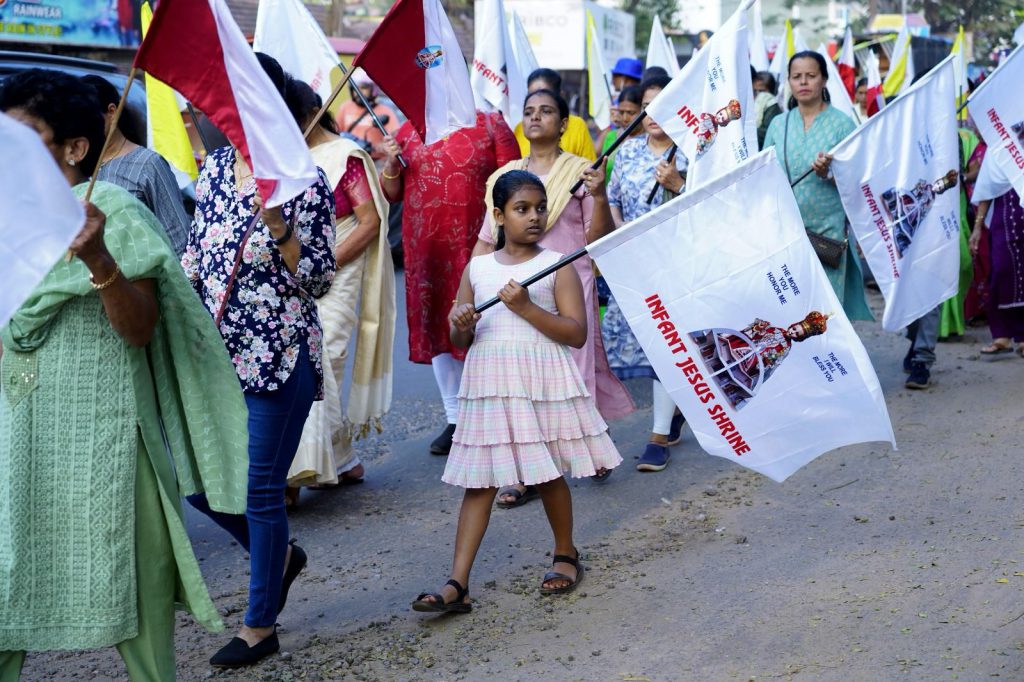
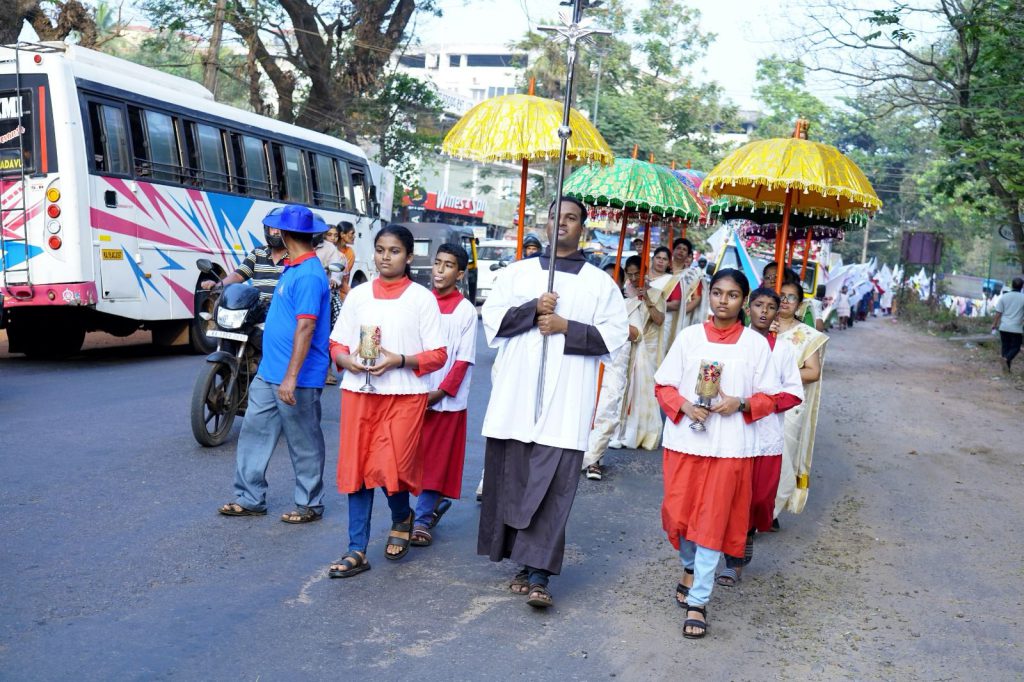
In preparation for the forthcoming Novena and Annual Feast of the Infant Jesus, a solemn Hore Kanike (votive offering) procession was held on Saturday, January 3, 2026, from Cordel Church to the Infant Jesus Shrine, Bikarnakatte. The devotion-filled procession witnessed the participation of numerous faithful who offered their votive gifts in a spirit of gratitude, faith, and hope.
The votive offerings were blessed by Rev. Fr. Vijay Monteiro, Assistant Parish Priest of Cordel Church, and the procession was formally flagged off by Mrs. Ruth Castelino, Vice President of Cordel Church. The faithful then proceeded prayerfully towards the shrine, marking the spiritual beginning of the novena celebrations.
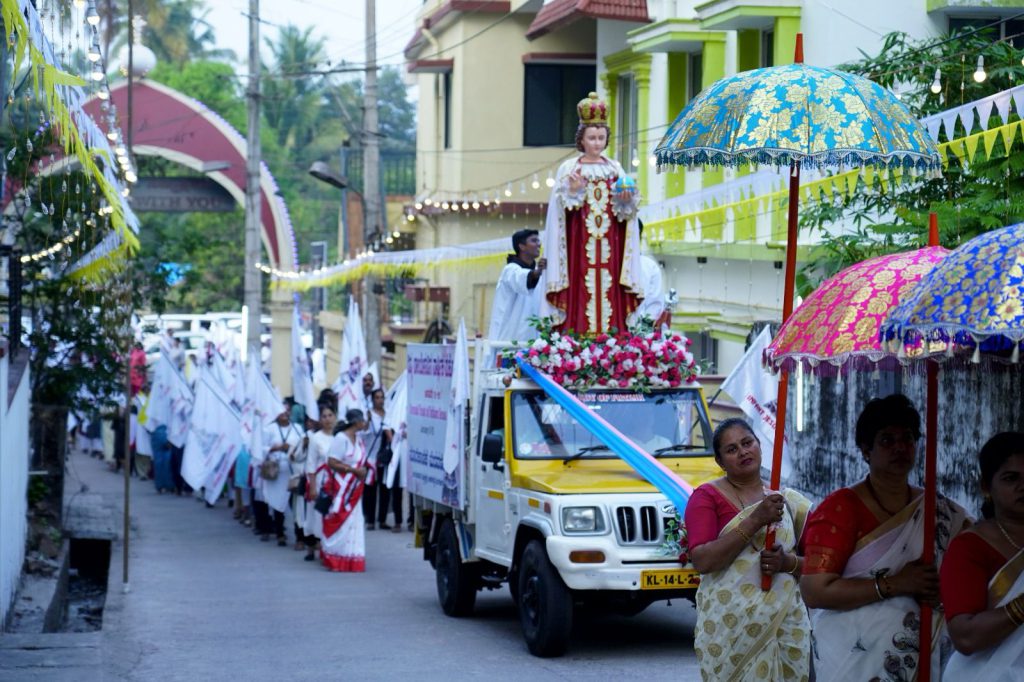
On arrival, Rev. Fr. Melwyn D’Cunha, Superior of St. Joseph’s Monastery, and Rev. Fr. Stephen Pereira, Shrine Director of the Infant Jesus Shrine, expressed their heartfelt gratitude to the gathering and assured continuous prayers for all devotees and benefactors.
As part of the celebrations, the unique programme “Sahaballve”, aimed at promoting harmonious and fraternal living in society, was held. The programme was graced by Mr. Muneer Katipalla, noted social activist; Mrs. Shalet Pinto, Chairperson of the Karnataka Eco-Tourism Development Board; and Mr. Dinesh Hegde of Ulepady, Advocate and Human Rights activist.
Sharing his personal experience, Mr. Muneer Katipalla remarked that harmonious living is natural to human beings and cautioned against divisive political narratives. He observed that people often stop listening to their neighbours while giving attention to politically motivated stories, urging society instead to share real-life stories of fraternity and coexistence.
The event was also attended by Rev. Fr. Praveen Martis, Vice Chancellor of St. Aloysius Deemed to be University; Sr. Reena D’Souza, Superior of Santa Cruz Convent, Kulshekar; and local corporators Mr. Keshav and Mr. Naveen. All groups who participated in the procession with votive offerings were later honoured.
At the conclusion, Rev. Fr. Praveen Martis offered prayers over all the forthcoming activities. He blessed the flag and, by ceremonially hoisting it, officially declared the Novena and Annual Feast of the Infant Jesus open.
The spiritual theme for the year, “Called to Carmel, to the Wedding Feast of the Lamb,” invites the faithful to reflect on the soul’s journey towards union with God, inspired by the teachings of St. John of the Cross. The year holds special significance as the Church commemorates 300 years of his sainthood and 100 years since he was declared a Doctor of the Church.
The Novena Masses will be held from January 5 to January 13, with nine Masses celebrated daily, along with Eucharistic Adoration attended by devotees. The Annual Feast of the Infant Jesus will be celebrated on January 14 and 15, 2026, drawing thousands of pilgrims to the shrine in faith and devotion.
Vally Vagga to get Kavita Trust’s Mathias Family Poetry Award | Global TV
Valerian D’Souza | pen name Valli Vagga | Near Bantwal in Dakshina Kannada district.
NV Paulose, Chairman, Global TV +91 98441 82044
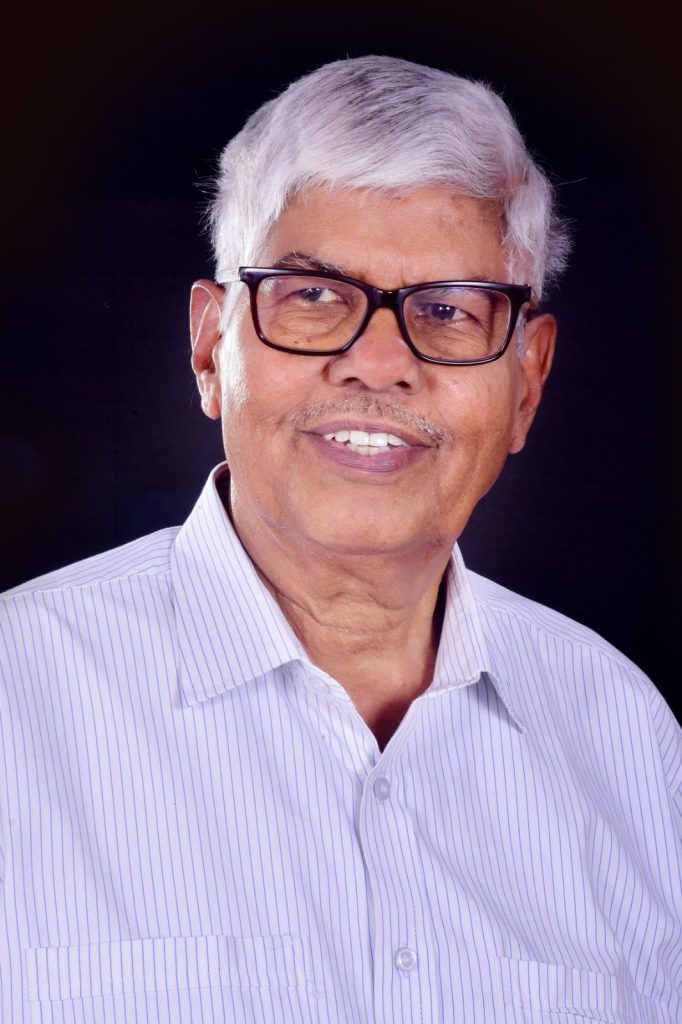
The Mathias Family Poetry Award – 2025, presented by the Kavita Trust, has been awarded to Valerian D’Souza, who writes under the pen name of Vally Vagga. The award is worth Rs. 25,000, includes a souvenir and certificate. The award will be presented to him by renowned Konkani writer and Jnanpith Award winning short story writer Damodar Mauzo on the occasion of the 20th Poetry Festival at Mother Teresa Peace Park, St. Aloysius (Deemed to be University) on January 11, 2026.
Valerian D’Souza, a Konkani-Kannada poet and short story writer, writes under the pen name Valli Vagga. He was born on July 27, 1947 to Peter and Mary D’Souza, as the fourth child, in a small town called Vagga, near Bantwal in Dakshina Kannada district. At the age of seventeen, his first story, ‘Soryavarvim Churchure’, was published in Raknno weekly. Since then, over the past six decades, he has published hundreds of poems and as many stories, writings in anthologies, various magazines and websites.
His collections of poems are ‘Dongra voili vatt’ (2007) and ‘Neketram’ (2013). ’Jinni Konnachem?’ (1966), ‘Sot ani jivit’ (1967), ‘Dhull’ (1990) and ‘Khandi Khuris’ (2015) are his collections of stories. Abhiruchi Prakashan, Mysore has published his collection of seventeen stories titled ‘Hegala Shilube’ in 2013 in Kannada.
In 2001, his story ‘Kadadi’ won first prize in the Karnataka State Level Kannada Story Competition.
Valli Vagga is not only a writer but also an avid activist of the Konkani language. He was the first joint secretary of the Konkani Christian Association established in Mysore and the president of the association for six years. He was a member of the Karnataka Konkani Sahitya Academy.
He has received, the Karnataka Konkani Sahitya Academy honorary award (2010), Konkani Kuttam Bahrain Award (2012), Daiji Dubai Award (2019), Sandesha Sahitya Award (2020) – among others. In 2020, the Department of Information and Public Relations, Government of Karnataka produced a 7-minute documentary on the Konkani-Kannada literary work of Valli Vagga under the direction of Smt. Naginibharana. In November 2020, he was honored with the Karnataka Rajyotsava Award by the Chief Minister of Karnataka, with Rs.1 lakh and a gold medal of twenty grams.
Kavita Trust’s Mathias Family Poetry Award was instituted by Joseph Mathias of Kuppepadavu, near Mangalore, who is the Managing Director of Merit Freight Systems LLC, Dubai, in his family name. The award has been given to seventeen poets from Goa, Kerala, Maharastra and Karnataka so far. Vally Vagga is the 18th recipient.
Rebuild India | one small book that changed the course of my life in 1997 | Global TV
The single thought that has become the only purpose of my life | Listen to the audio book of the Rebuild India vision.
Dr Varun Murthy | +91 96636 08866
We make this vision relevant through our educational institutions:
National development through Individual development – Vyaktinirmaan se rashtra nirmaan
Dear friend, nations service is not charity, it is our duty
Listen to this audio, visit our school on the next Sunday; see how Swami Vivekananda makes foot soldiers like me work. Join us. Together we will ‘Rebuild India’
Global TV Media Tower | The Role of Media in Addressing Esteem Needs and Enabling Inclusive Economic Growth | Global TV
Family Ventures and Intergenerational Participation | Alumni Networks as Catalysts of Collective Ownership
NV Paulose, Chairman, Global TV +91 98441 82044
Across the world, wealth is increasingly concentrated within a small segment of the population. While this concentration reflects economic success at the top, it also presents a challenge for societies seeking balanced and inclusive growth. Addressing this challenge does not require confrontation or redistribution driven by compulsion alone. Instead, it calls for intelligent alignment of human motivation with social design. Media plays a central role in this alignment, particularly in addressing esteem needs and channelling them toward economic participation that benefits the broader population.
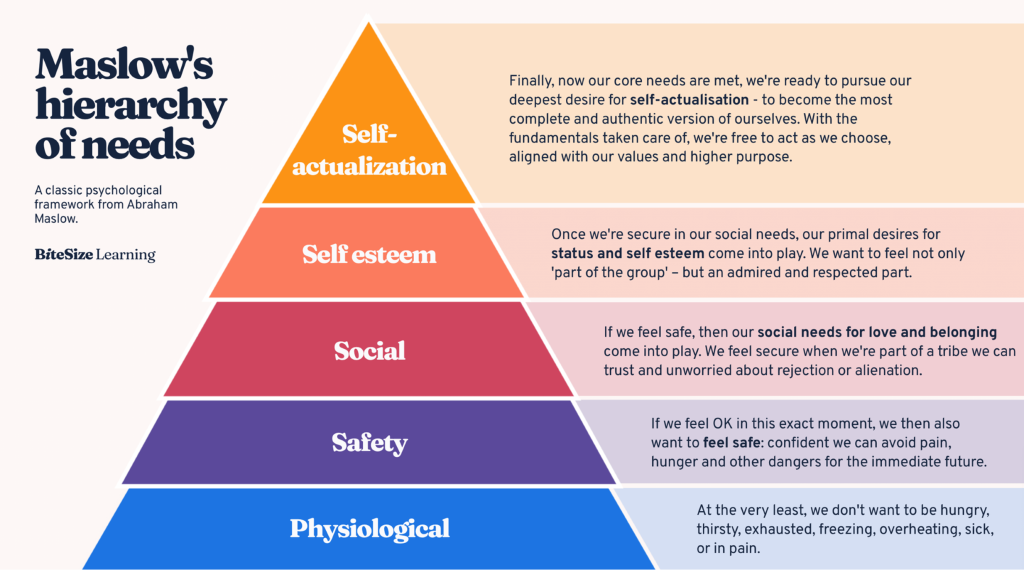
According to Maslow’s hierarchy of needs, once physiological and safety needs are fulfilled, individuals seek recognition, respect, and a sense of accomplishment. For high-net-worth individuals, institutions, alumni groups, and established families, these esteem needs often express themselves through legacy building, meaningful association, and visible contribution to society. Media has the power to frame and amplify such contributions, transforming them into aspirational models that inspire broader economic participation.
Media as a Builder of Esteem and Meaning
Media does more than inform. It validates. It recognizes. It confers status. When media highlights positive contribution, innovation, and collective progress, it reshapes what society values. In doing so, it creates new pathways for esteem that go beyond personal accumulation.
Media teams and global television units have the unique ability to position contribution as achievement. When individuals or groups are seen participating in nation building efforts, cultural initiatives, or inclusive economic platforms, their actions receive public recognition. This recognition satisfies esteem needs while simultaneously setting standards for responsible leadership.
In this context, wealth does not need to be relinquished to serve society. Instead, it is deployed through structured participation that delivers both social value and personal fulfilment.
Global TV and the Media Tower Vision
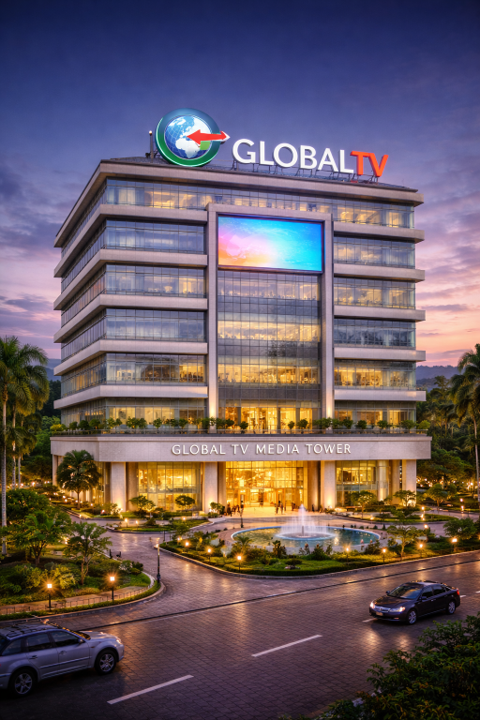
The Global TV Media Tower initiative represents a forward-looking example of how media infrastructure can become an engine of inclusive growth. Rather than functioning as a closed corporate asset, the Media Tower model invites participation from diverse stakeholders including professionals, entrepreneurs, alumni groups, families, and institutions.
Each Media Tower serves as a hub for content creation, broadcasting, tourism, professional activity, and cultural exchange. The value lies not only in the physical infrastructure but in the ecosystem it enables. By opening ownership and participation to collective groups, the Media Tower becomes a platform where esteem driven motivations translate into economic inclusion.
This model recognizes a fundamental truth. People with influence and resources often seek meaningful association more than transactional returns. Media Towers provide a visible and lasting symbol of contribution that aligns recognition with responsible investment.
Alumni Networks as Catalysts of Collective Ownership
One of the most powerful applications of this model lies in alumni communities. Alumni networks are built on shared identity, collective memory, and mutual pride. These networks already possess strong belonging and esteem dynamics. By collectively purchasing a single unit within a Media Tower, alumni groups can transform emotional connection into productive economic participation.
Such collective ownership allows alumni to create a shared legacy asset. The unit can serve multiple purposes. It can act as a media studio, a networking space, a platform for showcasing alumni achievements, or a base for mentoring and educational initiatives. Media coverage of such participation further reinforces esteem, positioning the alumni group as contributors to national and cultural development.
Importantly, the economic impact extends beyond the alumni themselves. Media operations generate employment, services, and entrepreneurial opportunities for a wide range of people. In this way, alumni driven ownership becomes a channel through which wealth and opportunity percolate downward into the broader economy.
Family Ventures and Intergenerational Participation
Family ventures represent another vital pathway for inclusive economic engagement. Families with accumulated wealth often seek continuity across generations. However, purely financial assets can feel abstract to younger members. A Media Tower unit offers something different. It is tangible, visible, and socially relevant.
When families collectively invest in one unit within a Media Tower, they create a shared project that bridges generations. Older members contribute capital and experience. Younger members engage with media, technology, content, and communication. This interaction satisfies esteem needs across age groups while anchoring family wealth in productive, community facing infrastructure.
Media teams can spotlight such family ventures, portraying them as examples of responsible stewardship rather than privilege. This narrative shift is powerful. It reframes wealth as a tool for participation and contribution, not separation.
Esteem Driven Participation and Wealth Percolation
The percolation of wealth does not occur through charity alone. It occurs when capital is placed into systems that generate continuous activity. Media Towers achieve this by combining infrastructure, content, tourism, education, and professional services under one roof.
Every unit purchased and activated supports a chain of economic activity. Content creators, technicians, hospitality workers, educators, designers, and local service providers all benefit. When alumni groups and families participate collectively, the scale of impact multiplies.
Media amplifies this process by telling the story. Recognition of contributors motivates further participation. Visibility creates aspiration. Aspiration invites imitation. Over time, a culture of contribution emerges where esteem is tied to enabling opportunity for others.
Media Teams as Ethical Storytellers
For this model to succeed, media teams play a critical role. They must move beyond sensationalism and focus on constructive narratives. Highlighting collaboration, innovation, and shared growth builds trust and social cohesion.
Media teams working within Global TV units are uniquely positioned to do this. They operate within the ecosystem they are documenting. They see firsthand how ownership models translate into employment and opportunity. This proximity allows for authentic storytelling that resonates across social and economic divides.
Such storytelling strengthens the credibility of media as an institution. It also reinforces the idea that progress is a collective endeavour, not a zero-sum contest.
Toward a Shared Vision of Prosperity
The challenge of wealth concentration cannot be solved by policy alone. It requires cultural alignment. Media provides that alignment by reshaping what society celebrates. When esteem is attached to contribution, participation, and inclusion, behaviour follows.
Global TV Media Towers offer a practical structure for this transformation. By inviting alumni networks and family ventures to collectively own and activate units across locations, the model creates visible pathways for meaningful engagement. Wealth remains respected, but it is no longer isolated. It becomes a driver of shared prosperity.
In this vision, media is not merely a messenger. It is an architect of values. It bridges aspiration at the top with opportunity at the base. It turns recognition into responsibility and influence into impact.
Through thoughtful media partnerships and inclusive ownership models, esteem needs at the top of the hierarchy can be satisfied in ways that uplift the entire economic pyramid. This is not only desirable. It is essential for a stable and thriving society.
Adv. Sunny John | Sheetal Guidelines | Mangalore Admissions | 9448327566 | Global TV
Three Decades of Trusted Guidance in Higher Education Admissions | Pioneers in Educational Consultancy Since 1990 | A Legacy of Excellence in Higher Education Guidance | Global TV
NV Paulose, Chairman, Global TV +91 98441 82044
ഹൃദ്യസ്ഥമായ പെരുമാറ്റവും കൃത്യനിഷ്ഠയും മംഗലാപുരത്ത് മലയാളികൾക്ക് സുപരിചിതനാക്കിയ വ്യക്തിയാണ് അഡ്വ. സണ്ണി ജോൺ. കഴിഞ്ഞ മൂന്ന് പതിറ്റാണ്ടുകളിലേറെ കാലം കോളജ് അഡ്മിഷൻ രംഗത്ത് തിളങ്ങി നിൽക്കുന്ന അഡ്വ. സണ്ണി ജോൺ രാഷ്ട്രീയ സാമൂഹ്യ സേവന രംഗങ്ങളിൽ അറിയപ്പെടുന്ന വ്യക്തിയാണ്. കർണാടകത്തിൽ ജനിച്ചു വളർന്ന അദ്ദേഹം വിവിധ ഭാഷകളിൽ പ്രാവീണ്യം സിദ്ധിച്ച വ്യക്തിയാണ്. വിദ്യാഭ്യാസ രംഗത്തെ പ്രമുഖരുമായുള്ള വ്യക്തിബന്ധം മലയാളികൾക്ക് വിവിധ കോഴ്സുകളിൽ അഡ്മിഷൻ ലഭിക്കുന്നതിന് ഏറെ സഹായകമാകുന്നു.
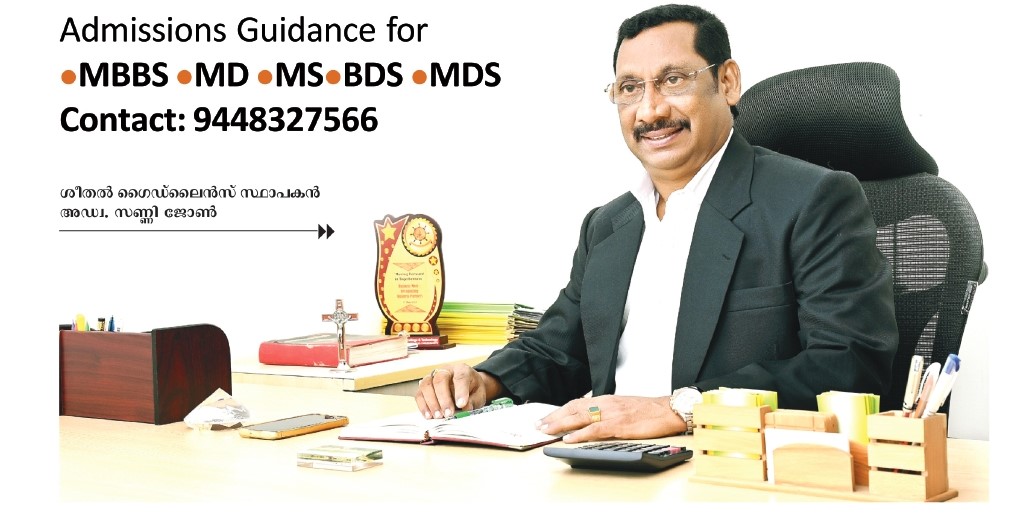
മലയാളികളുടെ ഉന്നതവിദ്യാഭ്യാസത്തിൻ്റെ പറുദീസയാണ് മംഗലാപുരം. കേരളത്തോട് ചേർന്ന് നിൽക്കുന്നു എന്നതുപോലെ തന്നെ നമ്മുടെ സംസ്കാരവുമായും ചേർന്ന് നിൽക്കുന്നു എന്നതാണ് മംഗലാപുരത്തിൻ്റെ പ്രത്യേകത. മംഗലാപുരത്തെ ആരാധനാലയങ്ങളിലെല്ലാം നിറഞ്ഞു നില്കുന്നത് മലയാളീ വിദ്യാർഥികളാണ്.
മംഗലാപുരത്ത് തൊണ്ണൂറുകളിൽ ആരംഭിച്ച ഉന്നത വിദ്യാഭ്യാസ തരംഗം ഇപ്പോഴും തുടർന്നു കൊണ്ടിരിക്കുകയാണ്. പുതിയ കോളജുകൾ വന്നുകൊണ്ടിരിക്കുന്നു. നിലവാരം ഉള്ളവ ഓട്ടോണമസ് കോളജുകളും യൂണിവേഴ്സിറ്റികളുമായി ഉയർത്തപ്പെടുന്നു.
മംഗലാപുരത്ത് പഠിക്കുന്ന കു ട്ടികൾ ചുരുങ്ങിയ കാലം കൊണ്ട് ഇംഗ്ലീഷ് ഭാഷയിൽ പ്രാവീണ്യവും പ്രവർത്തന രംഗത്ത് ആത്മവിശ്വാസവും നേടുന്നു. ഇത് രണ്ടും ഇവിടേക്ക് വിദ്യാർത്ഥികളെ ആകർഷിക്കുന്ന ഘടകങ്ങളാണ്. നല്ല കാമ്പസുകളും പ്രസന്നമായ അന്തരീക്ഷവും സ്നേഹസമ്പന്നരായ അദ്ധ്യാപകരും മംഗലാപുരത്തിൻ്റെ പ്രത്യേകതകളാണ്. അഡ്വ. സണ്ണി ജോണിനെപ്പോലുള്ള പരിചയ സമ്പന്നരായ വ്യക്തികളുടെ സാന്നിധ്യം നിരവധി പേർക്ക് മാർഗ്ഗനിർദ്ദേശകം ആകുന്നതിൽ കോളേജുകൾക്കും സന്തോഷമാണ്.
നിരവധി കാമ്പസുകൾ ഇവർക്ക് പല കാര്യങ്ങളിലും മുൻഗണനയും നൽകുന്നുണ്ട്. പലപ്പോഴും ഫീസിൻ്റെ കാര്യത്തിൽ ഇളവുകളും തവണകളും ലഭ്യമാക്കുന്നതിലും അഡ്വ. സണ്ണി ജോണിൻ്റെ ഇടപെടലുകൾ സഹായകമാകുന്നുണ്ട്.
അഡ്മിഷനുവേണ്ടി നേരത്തെതന്നെ ശ്രമിക്കുന്നതാണ് നല്ലതെന്ന് അഡ്വ. സണ്ണി ജോൺ ഗ്ലോബൽ ടിവിയോട് പറഞ്ഞു. അനുയോജ്യമായ കോളജുകൾ തെരഞ്ഞെടുക്കുന്നതിലും ഫീസിളവ് നേടിയെടുക്കുന്നതിനും ഇത് സഹായിക്കും. പലപ്പോഴും അവസാന നിമിഷം എത്തുന്നവർ കൂടുതൽ പണം ചെലവഴിക്കേണ്ടി വരുന്നത് ഒഴിവാക്കുന്നതിന് ഈ കാര്യങ്ങളിൽ ശ്രദ്ധ വയ്ക്കുന്നത് നല്ലതാണ്.
കോളജുകളിൽ അഡ്മിഷൻ വിഭാഗം കൈകാര്യം ചെയ്യുന്നവർ മലയാള ഭാഷയിൽ പ്രാവീണ്യം ഉള്ളവരായിരിക്കില്ല. നേരിട്ടുള്ള ഇടപെടലുകളിൽ പലപ്പോഴും ഭാഷാപ്രശ്നം നിഴലിച്ചുകാണാറുണ്ട്. പ്രത്യക്ഷത്തിൽ ചെറുതെന്ന് തോന്നാവുന്ന ഇക്കാര്യങ്ങൾ വലിയ ബുദ്ധിമുട്ടുകൾ തീർക്കാറുണ്ട് എന്നതാണ് സത്യം. ശീതൾ ഗൈഡ്ലൈൻസിലൂടെ അഡ്മിഷൻ നേടുന്നവരെ പഠന കാലാവധിയിൽ ഉടനീളം കരുതുന്ന സമീപനമാണ് അഡ്വ. സണ്ണി ജോണിൻ്റെത്. ഇത് അദ്ദേഹത്തിൻ്റെ സേവനത്തിൻ്റെ സ്വീകാര്യത വളരെയധികം വർദ്ധിപ്പിക്കുന്നു.


