All posts by admin

About admin

Chairman of Global TV | Excellent Writer | Exceptional PR Skills | Author of Six books | MASTER HEALER | +91 98441 82044 |

Rtn Lal Goel | Vibrant President | Rotary Club of Organ Donation International | District 3141 Mumbai | Global TV

The Power of the Rotary Pin | Inspired by Rotarian Anila Pillai and Rotarian Lal Goel

NV Paulose, Chairman, Global TV +91 9844182044

The Rotary pin is a universal symbol that connects millions of Rotarians across the world to a shared purpose. As Rotarian Lal Goel highlight through a conversation with Rotarian Anila Pillai, the moment a Rotarian wears the pin, it silently announces commitment, character and compassion. It reminds everyone that Rotary stands for integrity, goodwill and the spirit of giving.

Wearing the Rotary pin also has a strong personal impact. It works as a constant reminder of the Rotary motto, Service Above Self. A Rotarian who wears the pin feels a natural responsibility to live by this principle. Whether they are at home, at work or among strangers, the pin gently guides their actions with humility, kindness and sincerity. It inspires them to choose service and empathy in every situation.

Many Rotarians share stories of how the pin invites curiosity and meaningful conversations. Rotarian Lal Goel describes how strangers at an airport noticed his pin and approached him with interest. A simple glance at the pin can open the door to new friendships, opportunities and awareness. People often come forward to ask about the symbol. This leads to discussions about Rotary and its mission of improving communities, promoting peace, supporting education, encouraging organ donation and uplifting people in need. The pin becomes a small spark that lights up a larger message.

The Rotary pin also creates a deep sense of belonging. It unites members across countries, cultures and languages. When two Rotarians meet anywhere in the world, the pin acts like an instant connection. It reminds everyone that Rotary is a global family dedicated to service. This shared identity strengthens motivation and encourages members to contribute with enthusiasm.

The Rotary pin represents service as a way of life. Its true value is not in its size or design but in the actions it inspires. Every time a Rotarian chooses to help someone, support a cause or uplift a community, the pin shines a little brighter. It stands for a promise to serve selflessly, to lead with honesty and to make the world a better place through purposeful action.

Vayalar Ramavarma | K. Jayakumar IAS | ഇനിയൊരു ജന്മം കൂടി തരുമോ… എന്ന് എഴുതാതെ വയലാറിന് പോകാൻ കഴിയുമായിരുന്നില്ല | Global TV

വയലാർ രാമവർമ്മ ജീവചരിത്രം / vayalar ramavarma life history in malayalam

വേർപാടിന്റെ അൻപതു വർഷങ്ങൾ/വയലാറിനെ കുറിച്ചുള്ള ഓർമ്മകളിലൂടെ കെ. ജയകുമാർ /K. JAYAKUMAR/

Dr. Devika Bhatnagar | The Digital Educator Who Lit the Lamp of Knowledge for Millions | Global TV

The Teacher Who Speaks With Calm and Clarity | Made Difficult Lessons Feel Effortless |

NV Paulose, Chairman, Global TV +91 98441 82044

Relax, focus and work continually; you will achieve miracles effortlessly; says Dr. Devika Bhatnagar. These simple words capture the spirit of a teacher who has touched millions of lives through the glow of a screen and the strength of her calm voice.

Dr. Devika Bhatnagar is not just a digital educator. She is a gentle guide who made learning easy for students across India. In a world full of loud content and confusing information, she became a steady and friendly presence. Her lessons have helped students who were nervous about exams, unsure about science, or searching for someone who could explain things with patience and clarity.

A Teacher Who Makes Everything Clear

Dr. Bhatnagar has a special way of teaching. She takes the most difficult ideas and breaks them into simple steps. Whether she is teaching Yoga or simple speaking techniques, she makes students feel that understanding is within reach. When she says, “Now, you see,” students know that a difficult idea is about to become clear.

She teaches with a plain yalk. No extra effects. No distractions. Every word she speaks and every expressions has a purpose. Her focus is always on helping students understand the basics. She believes that strong fundamentals stay with the student for life. Dr. Bhatnagar explains every idea with a reason. She never says, “Speak slowly” without explaining why. She brings each concept alive with simple and real examples. She helps students observe with more awareness.

Practical Wisdom in Every Point

She talks about the coordination between the mind and the tongue. She explains how slowing down helps to avoid confusion and regret. Because she offers the logic behind her advice, her lessons feel wise, practical and meaningful. When she teaches body language, she talks about the message hidden in the eyes, the eyebrows, the shoulders and the hands. She explains the different types of smiles and what they convey. She often refers to great leaders. She describes how they stand, how they pause, how they use their hands, and how they look people in the eye. This makes her lessons both inspiring and achievable. It shows students that excellence is built through simple habits.

A Digital Educator Ahead of Her Time

Students from small places who had no access to coaching found a trusted teacher in her. Parents also felt confident when they heard her speak. Her channel became a place where students could learn at their own pace and feel encouraged. It is the thankful messages from students that show her true success.

A Voice of Support

Dr. Bhatnagar teaches life. She motivates students during exam time, reminds them to stay calm, and shows them how to manage time and stress. Her gentle voice and reassuring manner make her feel like a motherly presence to many learners. She teaches soft skills through her own behaviour. Her clarity, confidence and steady tone show students how to communicate with strength and kindness.

A Legacy That Will Last

Her influence is much larger than her classroom or her channel. She made quality education available to everyone without charging a fee. She encouraged many teachers to share their lessons online. Her name has become familiar across India. Students speak of her with respect and gratitude because she changed the way they learn. She is a creator of confidence. She is a builder of young minds. She is a remarkable educator who brighten the future of millions.

And as she reminds her students again and again,

“Relax, focus and work continually. When you do this, miracles follow.”

Saalumarada Thimmakka | The Mother of Trees: How One Woman Turned Sorrow Into a Forest of Hope | Global TV

14 November 2025 | The Day a Mother of Trees Returned to Nature | She Could Not Bear a Child, So She Gave Birth to a Green World

NV Paulose, Chairman, Global TV +91 98441 82044

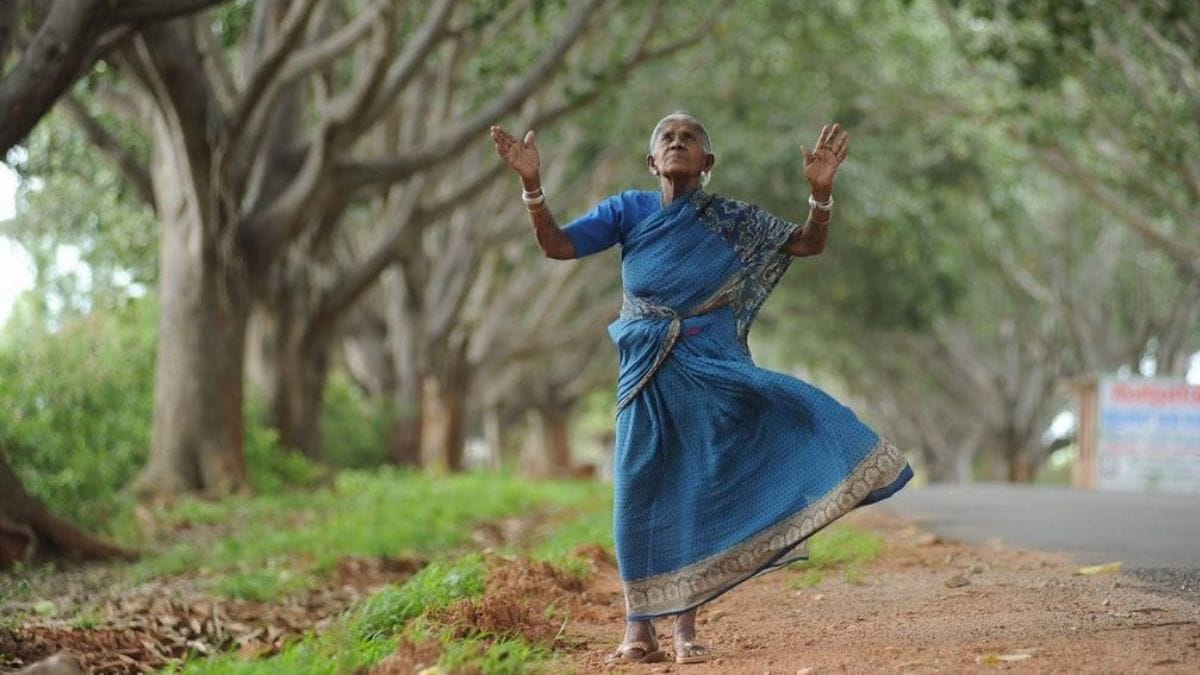
The summer sun turns the earth dry and dusty at many places in Karnataka. But, there is a long green path now stands as a miracle. It is a four kilometre stretch of banyan trees that rise like pillars and meet above the road in a grand roof of leaves. Their shade comforts travellers. Their roots hold the soil with quiet strength.

This forest did not grow by accident. It was created by the love and courage of one woman. It is the life work of Saalumarada Thimmakka, who took her deep sorrow and transformed it into a gift for the world. She became a mother to hundreds of trees. And in a powerful twist of destiny, she left the world on Children’s Day in 2025, the day we celebrate life, innocence and the future she helped protect.

An Empty Womb and an Empty Road

Thimmakka was born around 1911. She grew up in a simple village and worked as a labourer. She married another labourer, Bikkala Chikkayya. The couple wanted a child, but they could not have one. In a society where a woman was judged by her motherhood, this was a painful burden. Thimmakka faced unkind words and silent pity. Her home felt painfully quiet.

But she and her husband did something extraordinary. They said, “If we cannot bring a child into this world, we will bring life into the world in another way.” They decided to raise trees. They chose love over despair. They chose creation over sorrow.

The Work of Two Hearts

They began this work when they were already in their forties. They collected small banyan plants from the wild. They chose a long and empty stretch of road between Kudur and Hulikal. That lonely road became their nursery.

Picture them walking in the heat. Picture them digging pits in hard earth. Picture them carrying heavy pots of water for long distances every day. They had no support, no money, no equipment. They had only their hands, their strong will and their shared love.

They watched the saplings as parents watch children. They protected them from cattle. They cared for them during storms. They encouraged them during dry seasons. They planted more than three hundred and eighty banyan trees. The people admired their dedication and gave Thimmakka the name “Saalumarada,” which means “the woman of the row of trees.”

Alone but Not Broken

In 1991, her husband passed away. The silence returned, deeper than before. But Thimmakka did not stop. She continued to tend to the trees, because they were the children she had raised with him.

Slowly her story reached the world. She received many awards, including the Padma Shri in 2019. But her greatest award was her forest, which stands today as a living tribute to her patience and love.

Her adopted son, Sri Umesh, now leads the Saalumarada Thimmakka Foundation, which works for conservation, clean water and sustainable living.

A Life That Returned to Nature on Children’s Day

On 14 November 2025, which is celebrated as Children’s Day in India, Thimmakka passed away at the age of 114. It is deeply symbolic. A woman who could not give birth became a mother to hundreds of trees. A woman who created life with her hands left the world on a day dedicated to the joy and promise of children.

It is as if nature itself chose this date to honour her motherhood in the purest way.

Her Message for the Future

Thimmakka teaches the world that one person can create a change that lasts for generations. She shows that love is not limited by birth. She shows that even a person with no wealth and no education can heal the earth with steady effort.

In a time when people search for quick results and loud achievements, she teaches the strength of simple actions repeated every day. Her work was silent. Her steps were slow. But her forest will breathe for centuries.

When we walk under the trees she planted, we receive the shade of her love. Her story reminds us that real legacies are made not from tall buildings but from seeds, soil and patience. She proves that even from emptiness, life can rise again.

She is forever the Mother of Trees. And her forest stands as a message to all of us. No life is too small to make a difference. No love is wasted. And every seed of kindness we plant can one day become a forest of hope.

WORLD DIABETES DAY | Diabetes and Wellbeing | SUN 16th Nov. 25 at 9 pm IST | Global TV

https://www.youtube.com/live/PoQ89-gcXxU?si=jweA2RMmVfdueiqA

Rtn Lal Goel

Founder & Charter President Rotary Club of Organ Donation International Chairman

Rtn Dr Ramen Goel

FRCS, MS President, Diabetes Surgery Foundation.

Director, Centre of Excellence in Diabetes & Bariatric Surgery,

Dr Pranav Ghody

Endocrinologist, Wockhardt Hospital, Mumbai

www.healingourearth.com

LIVE FROM LONDON, UK | NIGHT, 16th November 2025, at 9 PM IST for an enlightening LIVE session!

Please share this invitation with your family, friends, colleagues, and on social media. Together, we can build a larger community dedicated to learning and growth.

K D VARKEY | കോതമംഗലത്തെ മൈതാനങ്ങളെ ത്രസിപ്പിച്ച കെ ഡി വർക്കി ഓർമ്മയായി | GLOBAL TV

80 കളിൽ കോതമംഗലത്തെ മൈതാനത്തെ തീപിടിപ്പിച്ച കെ ഡി വർക്കി ഓർമ്മയായി. കോതമംഗലം ടൗണിലെ ചുമട്ടുതൊഴിലാളി കൂടിയായിരുന്നു ടി ബി സ്വദേശിയായ കെ ഡി വർക്കി.

തങ്കളം ഒസിബിസക്കും പെരിയാർ വാലിക്കും വേണ്ടി സെന്റർ ബാക്ക് പൊസിഷനിൽ ആയിരുന്നു കെഡി വർക്കി കളിച്ചിരുന്നത്.ത്രോചന്ദ്രൻ, എം.എം.നാസർ കുഞ്ഞ്,
പി.ഐ.ബാബു,ജിമ്മി ജോസഫ്, കുളപ്പുറം ജോയി,ഹാൻസി പോൾ,എൽദോസ് പാലാൻ, വി.കെ.വുഗീസ് കീരമ്പാറ, ഉസ്മാൻ തങ്കളം, റഷീദ് കാരേലാൻ, സുകു നങ്ങേലിപ്പടി തുടങ്ങിയ കോതമംഗലത്തെ പഴയകാല പടക്കുതിരകൾക്ക് ഒപ്പം ഫുട്ബോൾ മൈതാനങ്ങളെ ത്രസിപ്പിച്ച
കട്ടബാക്കായിരുന്നു കെ ഡി വർക്കി. സ്വന്തം ഗോൾ പോസ്റ്റ് വരുന്ന ഏതൊരു മുന്നോറ്റവും മലപോലെ നിന്ന് പ്രതിരോധിച്ച കെ ഡി വർക്കി അക്കാലത്തെ ഫുട്ബോൾ പ്രേമികളുടെ കണ്ണിലുണ്ണിയായിരുന്നു.
സംസ്കാരം കോതമംഗലം സെൻ്റ് ജോർജ്ജ് കത്ത്രീഡൽ പള്ളി സെമിത്തേരിയിൽ നടന്നു.

കൂടുതൽ വാർത്തകൾക്ക്

Rev. Dr. Melwyn DCunha SJ | The small little grain | Be the One Who Makes a Difference | Global TV

The King’s Hand and the Handful of grains: The Unseen Power of Small Perceptions and Actions

NV Paulose, Chairman, Global TV +91 98441 82044

In our final reflection on the wisdom shared by Rev. Dr. Melwyn DCunha, we move from the trustworthiness of individuals and the discipline of societies to the most personal realm: the power of our own perception and the profound impact of our smallest offerings.

Throughout our conversation, a powerful theme emerged: our obsession with the “big” often blinds us to the transformative potential of the “small.” This is as true in the pursuit of knowledge as it is in the conduct of our daily lives. Rev. Dr. DCunha introduced a fascinating concept to describe a deeper form of learning from experience.

He explained that while there is an orthodox method of research; meeting a guide, surveying literature, and following a structured path, there is another, more intuitive level. “Practice to learn; for a farmer, he will know many things with his experience in farming.” This is the knowledge born of keen observation and lived experience.

A farmer can predict rain by the intensity of the day’s heat; a seasoned traveller knows a road is safe because the usually aggressive dog is absent. This is a valid and vital form of research, a “personal experience that will help you.” It is the wisdom of paying attention to the small, subtle signs that the world offers us.

The Parable of the Unheeded Instruction

This timeless theme told by Rev. Dr. DCunha recounted a biblical tale where a prophet instructs a man to perform a simple, seemingly insignificant act: to wash in a small, local river seven times to be healed. The man was thinking, he will tell me some big things. In his pride, he almost dismisses the instruction, for he had “big big rivers” in his own country. He failed to understand that greatness often lies not in the scale of the action, but in the faithfulness with which it is performed. The miracle was waiting in the small act of obedience.

Tagore’s Poignant Lesson: The small little grain

This lesson finds its most beautiful and heartbreaking expression in Rabindranath Tagore’s Gitanjali, specifically in the 50th poem, as Rev. Dr. DCunha pointed out (you can find it at globaltv.in/g50).

He narrated the story: A king opens his hand before a subject and asks, “What do you have to give to me?” The subject is overwhelmed. His mind races with grand expectations. “I expected big things from the king,” he thinks, “and he is asking me only for this?” In his moment of indecision and self-doubt, believing his own resources to be too meager for a king, he offers only a small little grain of corn.

To his astonishment, the small little grain of corn turns to gold. The king then reveals the profound truth: “I would have taken whatever you gave and returned it to you a hundredfold.”

The poignancy of this parable is crushing. As Rev. Dr. DCunha reflected, “That is the message.” We look at the king; the universe, God, a great opportunity, and we feel we have nothing of sufficient value to offer. We dream of grander resources, bigger skills, and more perfect conditions. We hold back our “handful of rice”; our small skill, our simple act of kindness, our fledgling idea; deeming it unworthy. And in that hesitation, the moment passes. The golden potential within our small offering remains unrealized.

Be the One Who Makes a Difference

This connects directly to the modern parable Rev. Dr. DCunha shared of the person on the beach, picking up starfish and throwing them back into the sea. To a bystander, the action seems futile against the countless starfish stranded on the shore. But for each starfish returned to the water, it makes all the difference in the world. “One person makes a difference,” he said. “That will become a change reaction.” You may not be able to fix everything, but you can be faithful in the small thing before you. That one word of encouragement you offer, that one small task you perform with perfection, that one piece of garbage you pick up; these are your “handful of rice.” Do not despise them. For one day, “someone will say, ‘Oh, that particular day, you mentioned this particular word.’ That beam inspiration.” The collective wisdom from these conversations is clear: Trust is built in small tasks. Nations are built on small acts of discipline. And a life of meaning is built by faithfully offering our “handful of grains,” trusting that in the right hands, at the right time, it has the power to turn to gold.

Rev. Dr. Melwyn DCunha SJ | In conversation with NV Paulose | Microcosm | Global TV

The Mindset that Builds Nations: Lessons in Discipline from Japan’s Micro-Units

By NV Paulose, Chairman, Global TV +91 98441 82044

In our first conversation, Rev. Dr. Melwyn D’Cunha spoke of trust built on small things. This philosophy finds its ultimate expression not just in individuals, but in entire societies. During our discussion, he pointed to a nation that has turned this principle into a cultural engine: Japan.

We in India often find ourselves paralyzed by our surroundings. We walk into our classrooms, our hospitals, our offices, and we see the evidence of a systemic breakdown. As Rev. Dr. DCunha observed with a sigh, “You see our classrooms maybe. Or you see our hospitals maybe. As we are working, they will throw.” Litter accumulates, a fan stops working, a light goes out, and our immediate reaction is a resigned shrug. “The fan is a problem, I can’t work.” We wait for someone else; the “system,” a worker, a superior, to fix it. This is what he termed “systemic tolerance,” a state where we become conditioned to accept dysfunction, rendering us passive and, ultimately, paralyzed.

The Japanese Antidote: Humility and Self-Ownership

Japan, he explained, offers a powerful antidote. “Japan, with microunits, they create a ton of things.” Their advantage isn’t a secret resource or superior intellect. It is a deeply ingrained mindset, born “from the ashes,” cultivated from a young age. “They have that humility,” he said, a quality so profound that “even the plants and the animals, they will bow.” This is not mere poetic flourish; it is an observation of a deep-seated respect for one’s environment and one’s role within it. This humility fuels a powerful sense of self-ownership. There is no task too small or menial. “When the children come to the college, they feel, no cleaning washing is not our children. But it should be exercised.” In Japan, it is. There is no notion that “water has to be brought by somebody else.” Every individual is an active participant in the maintenance and cleanliness of their shared space.

I illustrated this with a powerful example from an office in Belgaum called Polyhydrone. The Managing Director, Mr. Hundre, had instilled a simple yet radical rule: “There is no one named cleanness, sweepers or attenders.” The place was immaculate not because of an army of cleaners, but because of a collective mindset. “They will not throw anything. You take your own garbage.” The system was in place because the people’s mindset made the system work.

Breaking the Cycle of “Systemic Tolerance”

This stands in stark contrast to our own challenges. He noted how even foreigners who visit us soon adapt to our lower standards. “They will say, ‘Hey, guys, whole is a garbage only now.’ I said, you can maybe garbage, sir. But you, I am used to dustbins. Everywhere is a dustbin only.” We become part of the problem, throwing a piece of paper because “that is the part of the system.”

The solution, then, is a conscious, personal rebellion against this paralysis. “As soon as you say, ‘no, you do your work,’ you become self-sufficient.” If the worker is not there, you open the door, you close the door, you fix the small problem. You don’t wait for attention. You take ownership. The lesson from Japan and from Polyhydrone is that national excellence is not built on grand, top-down initiatives alone. It is built in the microunits of individual responsibility. It is built when a million small acts of ownership; picking up a piece of trash, fixing a minor fault, taking your garbage with you, create a chain reaction of order and efficiency. It is the mindset that transforms a nation from the ashes of dependency into a global benchmark of discipline and quality.