All posts by admin

About admin

Chairman of Global TV | Excellent Writer | Exceptional PR Skills | Author of Six books | MASTER HEALER | +91 98441 82044 |

ORGAN RETRIEVAL CENTRES | bridge the country’s severe shortage of transplantable organs | Global TV

INDIA NEEDS MORE ORGAN RETRIEVAL CENTRES TO SAVE MORE LIVES, SAYS ROTARIAN LAL GOEL AT KR (PG) COLLEGE, MATHURA

NV Paulose, Chairman, Global TV +91 98441 82044

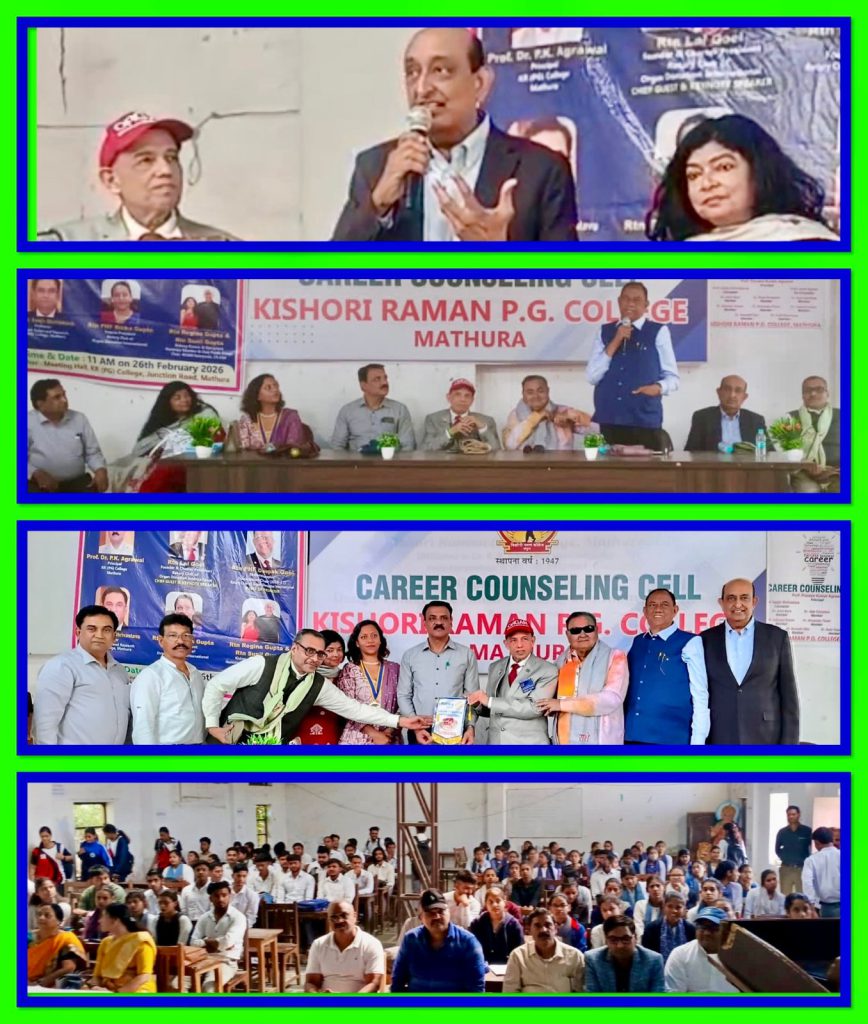
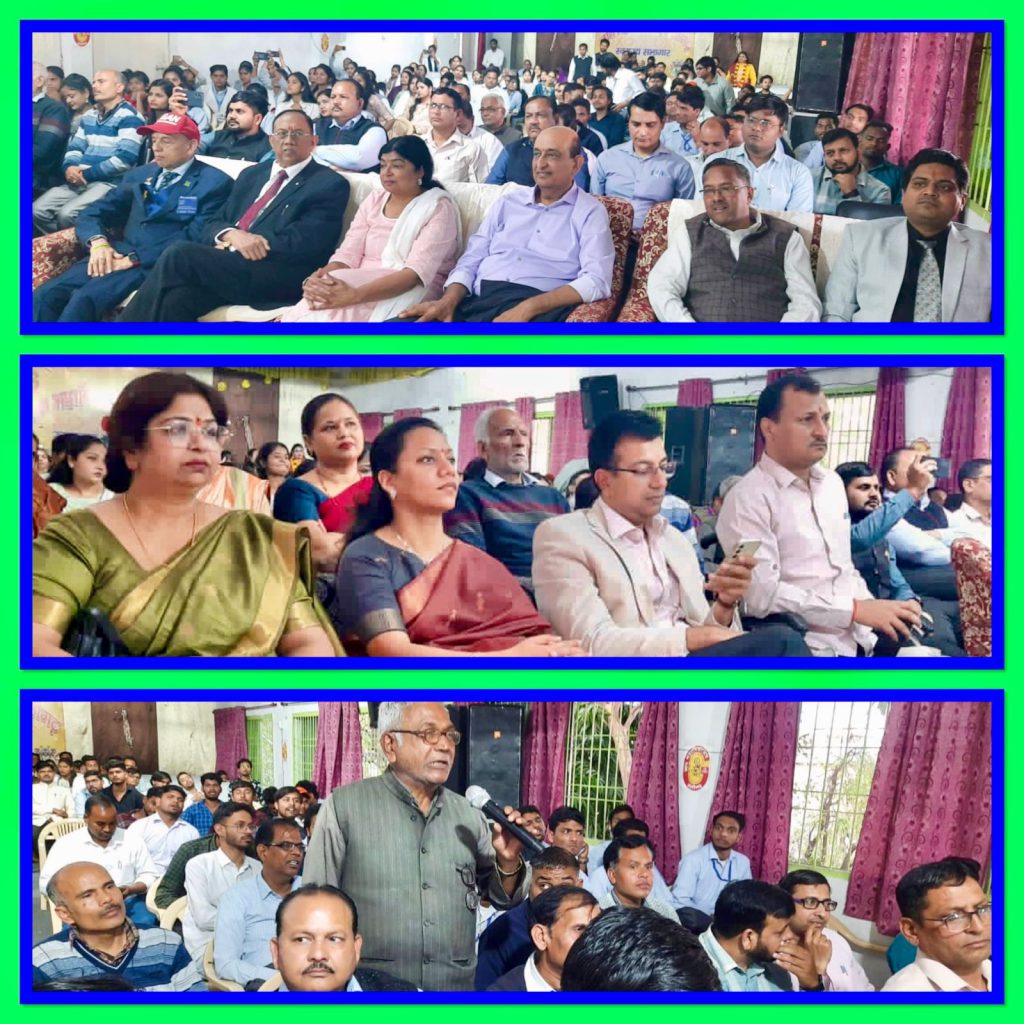
Mathura, February 26 — Rotarian Lal Goel, Founder and Charter President of the Rotary Club of Organ Donation International and Chairman of the Organ Donation India Foundation & GYAN, delivered a powerful and thought-provoking address at KR (PG) College, Mathura, calling for the urgent establishment of more Organ Retrieval Centres across India to bridge the country’s severe shortage of transplantable organs.

India’s Stark Organ Donation Gap

Addressing students and faculty at his alma mater, Rotarian Lal Goel highlighted the alarming disparity between India and global leaders in organ donation.

Rotarian Lal Goel pointed out that India’s organ donation rate stands at only about 0.65 per million population (PMP), while Spain leads the world with an extraordinary 52.6 PMP.
According to him, the gap is not due to a lack of compassion among Indians but rather to inadequate infrastructure and systemic limitations.

“Only around 15% of India’s revenue districts currently have Organ Retrieval Centres. As a result, many organs that could save lives are lost simply because there is no system to retrieve them in time,” he explained.

Rotarian Lal Goel stressed that expanding retrieval infrastructure is one of the most critical steps India must take to transform its organ donation landscape.

Programme Attended by Distinguished Guests

The programme commenced with a warm welcome by Prof. Dr Sanjiv Shrivastava, who introduced the distinguished guests.

Among those present were Rotarian PHF Deepak Goel, Foundation Chair (2026–27); Prof. Dr P. K. Agarwal, Principal of KR College; Rotarian PHF Ritika Gupta, President of the Rotary Club of Organ Donation International; and Rotarians Sunil Gupta, Regina Gupta, Pratul Agrawal, and Special Guest Kr Narendra Singh, a heavy weight political leader of Mathura District.

Rotarian PHF Deepak Goel spoke about Rotary International’s vast global network of over 1.2 million members across more than 45,000 clubs, highlighting its immense contributions to humanitarian service in healthcare, education, and social causes.

Rotarian PHF Ritika Gupta elaborated on the mission and initiatives of the Rotary Club of Organ Donation International, which is dedicated to promoting awareness and encouraging society to embrace organ donation as a life-saving act of humanity.

Inspiring Testimony from a Kidney Donor and Recipient

One of the most emotional and inspiring moments of the programme came when Rotarian Lal Goel introduced Rotarians Sunil and Regina Gupta, a husband-and-wife team from Sunnyvale, California, USA.

Rotarian Sunil Gupta shared his journey as a kidney transplant recipient, while Rotarian Regina Gupta spoke about her courageous decision to become a living kidney donor.

Their heartfelt account of *life before and after transplantation deeply moved the audience. They urged students and faculty to reject myths and misconceptions surrounding organ donation and to recognise it as an act that gives others a second chance at life.

Appeal for an Organ Retrieval Centre in Mathura

During the interactive question-and-answer session, Rotarian Goel made a heartfelt appeal to Kr Narendra Singh, his childhood friend, to champion the establishment of at least one Organ Retrieval Centre in Mathura.

Rotarian Lal Goel emphasised that many potentially life-saving organs are lost each year due to the absence of such facilities in the district.

Kr Narendra Singh thanked Rotarian Lal Goel for the invitation and praised his unwavering commitment to the cause of organ donation. He assured the gathering that he would make sincere efforts to facilitate the establishment of an Organ Retrieval Centre in Mathura.

He also expressed hope that students of KR College would emerge as torchbearers of the organ donation movement.

Encouraging Youth to Lead the Movement

Rotarian Pratul Agrawal, Director of Youth, motivated students to take the pledge for organ donation and become ambassadors of this noble cause.

Principal Prof. Dr P. K. Agarwal, in his vote of thanks, expressed deep appreciation for the enlightening session. He noted that the programme had made a profound impact on the students and faculty and assured that more such initiatives on organ donation would be organised in the future.

The programme was also attended by Rotarian Prof. Dr Yaduraj Singh Yadav, President of Rotary Club Vrindavan Dham, along with a large number of faculty members and students who participated enthusiastically in the awareness programme.
A Life An Hour | The Danger zone that we are in | Rotarian Lal Goel | Global TV

“EVERY MINUTE A LIFE IS LOST WITHOUT AN ORGAN DONOR,” SAYS ROTARIAN LAL GOEL AT GYAN MAHAVIDYALAYA ANNUAL DAY PROGRAM

NV Paulose, Chairman, Global TV+91 98441 82044

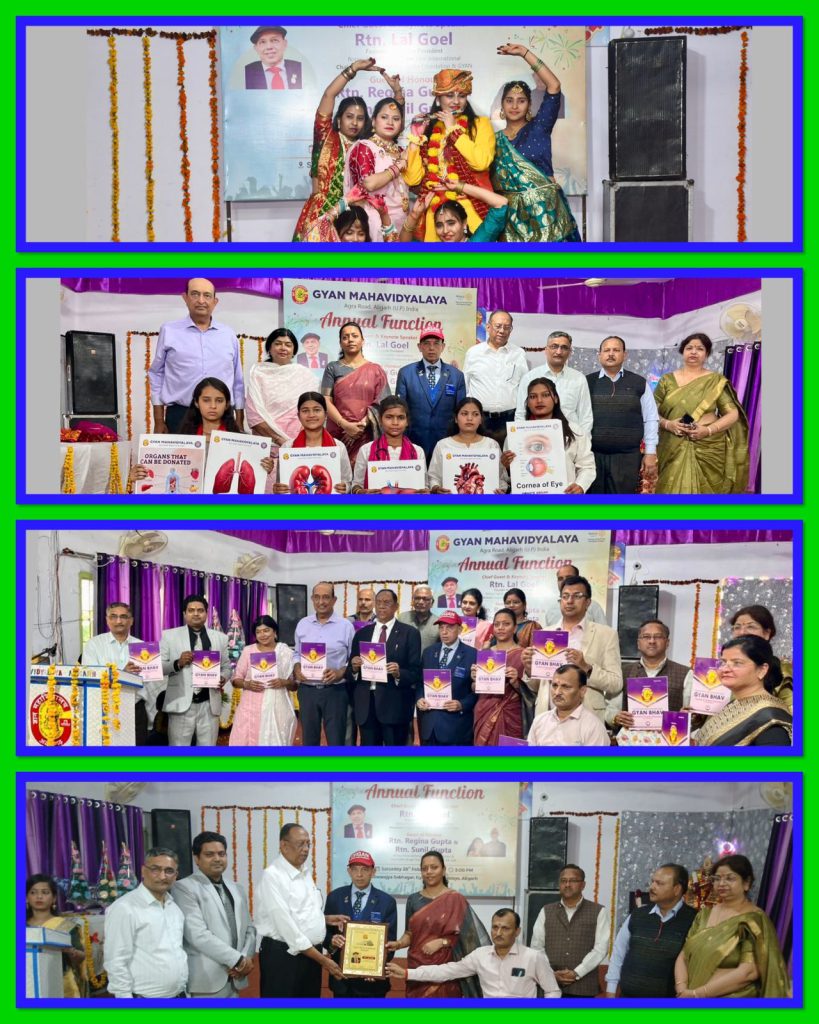
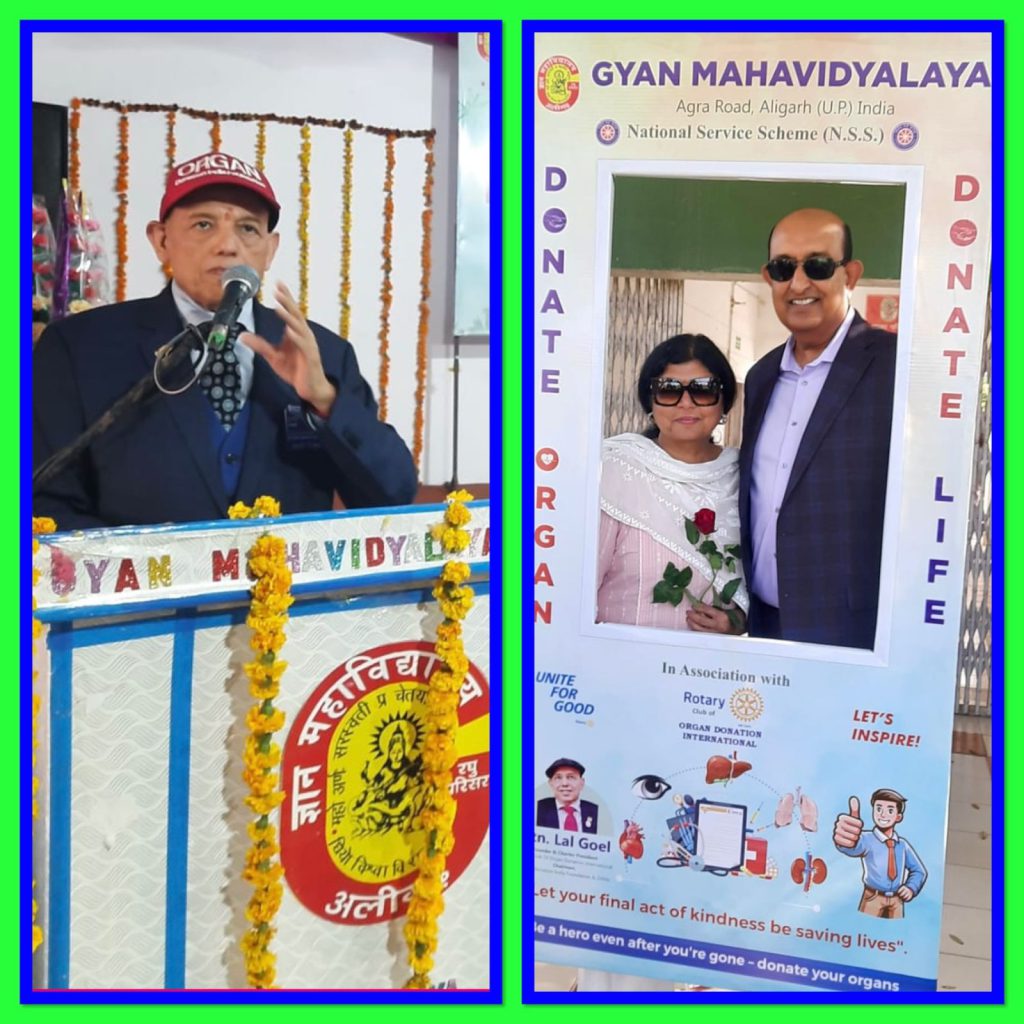
Aligarh, February 28 – Organ donation awareness took center stage at the Annual Day celebrations of Gyan Mahavidyalaya, Aligarh. Rotarian Lal Goel, Founder and Charter President of the Rotary Club of Organ Donation International and Chairman of the Organ Donation India Foundation & GYAN, attended as Chief Guest and Resource Person. He inspired students and faculty to become advocates for this life-saving cause.

The programme began with Rotarian PHF Ritika Gupta, Inspire President, who gave an insightful overview of the formation, vision, and global outreach of the Rotary Club of Organ Donation International. She highlighted its mission to promote organ donation awareness and encourage people to pledge their organs.

Delivering the keynote address, Rotarian Lal Goel stressed the urgent need to strengthen organ donation awareness in India. He pointed out that every minute a life is lost in the country due to the lack of available donor organs. He emphasised the critical gap between the demand and supply of organs.

He also shared a significant policy achievement through sustained advocacy. Rotarian Lal Goel explained that after his representations to Hon’ble Dr CV Anand Bose, IAS, then a One Man Expert Commission on Labour, Government of India, who is now the Governor of West Bengal, the issue was raised with Hon’ble Prime Minister Shri Narendra Modi. As a result, the financial coverage for organ transplantation under the Ayushman Bharat – Pradhan Mantri Jan Arogya Yojana (AB-PMJAY) was increased from ₹5 lakh to ₹15 lakh for patients below the poverty line (BPL).

This enhancement has made life-saving organ transplants much more accessible to thousands of economically disadvantaged patients across India. He urged students to become “brand ambassadors of organ donation” and actively spread awareness in their communities.

A touching moment in the event was when Rotarian couple Sunil and Regina Gupta, visiting from Sunnyvale, California, USA, shared their personal experiences. Speaking as a kidney donor and recipient, they explained that even 15 years after the transplant, both continue to lead healthy and fulfilling lives.

Rotarian Regina Gupta also discussed advances in laparoscopic kidney donation. She explained that this minimally invasive procedure—performed through small incisions—significantly reduces post-operative pain and enables donors to recover much faster than with traditional open surgery.

Adding a creative touch, students from Gyan Mahavidyalaya presented a thought-provoking skit on organ donation. They also performed colourful cultural acts that captivated the audience.

During the event, the Chief Guest Rotarian Lal Goel and other dignitaries unveiled the college’s research journal and annual magazine. They also presented awards to meritorious students for their academic excellence.

The programme ended with a vote of thanks by Rotarian PHF Deepak Goel, Foundation Chair (2026–27) and Chairman of the college.

Among the notable dignitaries present were Rotarian MPHF Dr Gautam Goel, CEO Mr Narendra Gautam, Manager Mr Manoj Yadav, Principal Dr Sonali Gupta, Vice Principal Dr Hiresh Goel, Executive Officer Dr Lalit Upadhyay, and Dr S. K. Gaur, President of Dadhichi Dehdaan Samiti. Faculty members and a large enthusiastic crowd of students were also present.

Expressing appreciation for the initiative, Rotarian Lal Goel expressed confidence that programs like this among young students would strengthen the organ donation movement in India. He believes these efforts will inspire society to save countless lives through the noble act of organ donation.

Ms. Ayshath Luthfa Naja K.A. of P.A. First Grade College, Mangaluru, has secured the FIRST RANK in the B.Sc. (Food, Nutrition & Dietetics) | Global TV

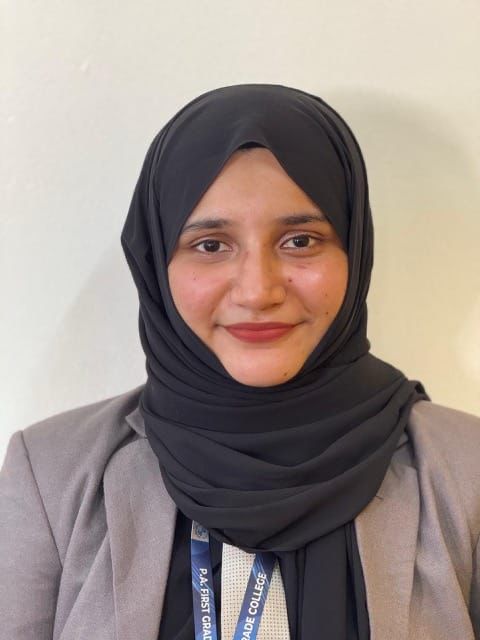
FIRST RANK in B.Sc. (Food, Nutrition & Dietetics) to Student of P.A. First Grade College

NV Paulose, Chairman, Global TV +91 98441 82044

Dr. Surfraz J. Hasim, Principal, P.A. First Grade College, Mangaluru congratulated Ms. Ayshath Luthfa Naja on achieving first rank in the B.Sc., Food, Nutrition & Dietetics.

Mangalore University has announced the rank list of various undergraduate programmes for the academic year 2025.

Ms. Ayshath Luthfa Naja K.A. of P.A. First Grade College, Mangaluru, has secured the FIRST RANK in the B.Sc. (Food, Nutrition & Dietetics) programme.

She has achieved an outstanding 92.75%, scoring 4220 marks out of 4550, with a CGPA of 9.56, reflecting her academic excellence and consistent dedication throughout the course.

The Management, Principal, and Staff of P.A. First Grade College extend their heartfelt congratulations to Ms. Ayshath Luthfa Naja K.A. for bringing laurels to the institution through her remarkable achievement.

Ms. Luthfa is the proud daughter of Mr. Abdulla K and Ms. Ayshath Fareeda of Thekkil, Kasaragod. She is currently pursuing her Master’s programme in Food Science & Nutrition at Mangalore University, Mangalagangothri.

This accomplishment once again reflects the institution’s commitment to academic excellence and holistic development.

Role Creation and Leadership Development | Make Leaders | Others will Follow | Global TV

No Need to Give Instructions to the Chef | State the Outcome. Trust the Design. Respect the Roles | Global TV

NV Paulose, Chairman, Global TV +91 98441 82044

The Power of Clear Roles | Power of Appreciation

In every high performing kitchen and every high performing organization clarity of role is not a luxury. It is oxygen. When people know what they are responsible for, they move with confidence. When they do not, hesitation, politics, and inefficiency take over.

The simplest way to understand this is through a kitchen principle: never give instructions to the chef. Instead, state your requirements. Let the chef design. Provide cooks to prepare. Do not mix the responsibilities. When these lines blur, performance declines not because people lack talent, but because structure collapses.

The Chef Designs the System
A chef’s role is not simply to cook. A chef architects the experience. They design the menu, balance flavors, manage cost, coordinate timing, and set standards. They hold the vision of the final outcome and work backward to build a system that produces it consistently.
When you hire a chef and then dictate every technique, you strip away the very value you hired. The proper exchange is this: you define the outcome, the budget, the dietary restrictions, the event’s theme, and the chef determines how to deliver it. Ownership of design must stay with the person accountable for results.

The Cook Executes with Precision
Cooks are the engine of execution. They follow the recipe, prepare ingredients, manage stations, and ensure consistency under pressure. Execution requires discipline, focus, and repetition. It is skilled work, but it operates within a defined framework.

Problems begin when cooks are expected to design strategy without authority or when leaders descend into the details of execution. If everyone is designing and everyone is executing, accountability dissolves. Precision suffers. Frustration grows. Clear separation protects both quality and morale.

Why Mixing Responsibilities Creates Chaos
When leaders control design details and executors improvise direction, three predictable consequences emerge. First, innovation slows. Experts stop thinking boldly when they know their decisions will be overridden. Second, morale declines. Competent professionals disengage when their autonomy disappears.

Third, and most damaging, accountability blurs. If the dish fails, who is responsible? The one who designed it? The one who cooked it? Or the one who interfered halfway through? Ambiguity protects egos but destroys performance. High functioning teams make responsibility unmistakably clear.

Leadership Means Defining Requirements
Strong leadership does not mean controlling technique. It means defining requirements with precision. A leader states what must be achieved: quality level, deadline, budget ceiling, brand alignment. These constraints form the boundaries within which the chef designs.

This discipline requires restraint. It is tempting to dictate the method. But doing so transfers ownership away from the expert and back onto you. If you control the method, you now own the outcome. You cannot demand accountability while denying authority.

Developing the Next Chef
There is, however, an important exception that strengthens the system rather than weakening it: allow a cook to design intentionally. Growth does not happen by confinement. If a cook shows initiative, creativity, and discipline, give them a contained opportunity to design a dish or propose a recipe.
If the result succeeds, recognize it. Expand responsibility. Promotion should follow demonstrated ownership, not tenure alone. This is how future chefs are formed, not by waiting passively, but by being tested in real conditions. A kitchen that never allows cooks to stretch will never develop new leaders.

Promotion Must Follow Proven Ownership
Letting a cook design is not role confusion. It is structured development. The difference lies in intention. You are not abandoning standards. You are evaluating readiness. Did they consider cost? Timing? Balance? Presentation? Can they think beyond their station?

When success is consistent, promotion becomes obvious. Authority expands in proportion to demonstrated responsibility. That is growth based on merit. It preserves hierarchy while rewarding initiative.

The Discipline of Trust and Structure
Trust without structure becomes chaos. Structure without trust becomes suffocation. The principle of chef and cook balances both. The chef designs and owns the system. The cook executes and masters technique. Leaders define requirements and protect accountability.

This model scales beyond kitchens into companies, startups, creative teams, and even families. Decide who owns the outcome. Give them authority over design. Support them with capable executors. And when someone proves they can think at the next level, elevate them.

State the requirement. Respect the role. Develop the capable. Protect accountability.
That is how excellence compounds, one clear responsibility at a time.

Hiking Mangalore | Let Us Walk, Talk & Walk the Talk | A Global TV Initiative

Dr. Maya Ahmed | Founder & Campaign Head | Visionary | Community Leader | +91 88616 59454

NV Paulose, Chairman, Global TV +91 98441 82044

Let Us Walk, Talk and Walk the Talk: A Movement in Motion

Some movements begin with noise. Others begin with intention. “Let Us Walk, Talk and Walk the Talk” begins with both purpose and action. This upcoming community initiative by Global TV, led by Dr. Maya Ahmed, invites people to step away from passive conversations and step into meaningful motion. The campaign will officially launch in Mangalore on 29 March 2026 at 4 PM, bringing together individuals who believe that change must be lived, not just discussed.

This is not just a hiking club. It is a platform for connection, clarity, and commitment. The central belief of the movement is simple: when people walk together, conversations become deeper and accountability becomes real. Movement energizes the body, and shared dialogue strengthens resolve. When these two combine, ideas do not remain ideas for long. They become action.

The campaign stands on four pillars: strength, sisterhood, leadership, and action. Participants are encouraged to build physical strength while also engaging in meaningful discussions around health, personal growth, social responsibility, and community development. It is about aligning personal wellbeing with collective progress.

Dr. Maya Ahmed, Founder and Campaign Head, envisions this initiative as a gathering space for individuals who want to see visible outcomes in their communities. The philosophy behind the campaign is grounded in responsibility. Words matter. But words supported by action matter more. This initiative creates an environment where commitments are spoken openly and pursued consistently.

Hiking was chosen intentionally. Walking in nature has a powerful effect on the human mind. It reduces stress, improves focus, and creates openness. In such an environment, conversations flow naturally. Trust develops. Leaders emerge without titles. Participants do not just exchange contact information. They exchange ideas, perspectives, and solutions.

The campaign is open to all age groups and fitness levels, making it inclusive and welcoming. Whether someone is experienced in outdoor activity or taking their first steps toward a healthier lifestyle, the emphasis remains on participation and growth. No one is expected to be perfect. Everyone is expected to be present.

One of the defining features of the movement is its focus on connecting with leaders. The walks will offer opportunities to interact with mentors, professionals, and community influencers who are committed to creating positive impact. These connections are meant to inspire progress, not just visibility. Real relationships build real results.

The launch in Mangalore marks the beginning of what is expected to grow into a larger community movement. With Global TV supporting the initiative, the campaign also aims to highlight stories, achievements, and measurable outcomes that emerge from these gatherings.

“Let Us Walk, Talk and Walk the Talk” is more than a slogan. It is a reminder that integrity lies in alignment. It challenges individuals to move beyond discussion and demonstrate commitment through consistent action.

On 29 March 2026 at 4 PM in Mangalore, the first steps will be taken. What follows depends on those who choose to walk with purpose and act with intention.

Father Muller Hospital | When History Repeats: Clergy and the Comfort Zone | Global TV

Father Muller Hospital | When Compassion Fails Its Own Message

NV Paulose, Chairman, Global TV +91 98441 82044

At Father Muller Hospital, everything appears admirable from the outside. The buildings stand tall. The system looks orderly. The image is polished.

But inside, many experience something else. Lethargy. Indifference. A painful lack of compassion at every level. When institutions built in the name of Christ forget mercy, they risk damaging not just individuals, but the very faith they claim to uphold. Silence is not an option when injustice unfolds before our eyes.

What follows is a documented account from the past. A story that still speaks today.

That Christmas, Eric’s God Died

On the evening of December 24, 1973, Eric and a few worker leaders were seated on stone benches outside the Jeppu Workshop. It was Christmas Eve. The air carried a sense of peace and celebration.

Suddenly, a woman appeared and fell at Eric’s feet, sobbing without control.

She was Macchu Bai, a resident of the local settlement and an employee at Father Muller Hospital.

Through tears, she confessed that she had stolen two potatoes from the hospital kitchen because she could not bear to see her children go hungry on Christmas. She was caught by the nun in charge and reported to the Director. Without inquiry or warning, she was dismissed at once.

Eric did not justify the theft. Wrong is wrong. But dismissal over two potatoes was not justice. It was harsh and without mercy.

Knowing how easily poor workers were removed on minor grounds, Eric searched for a solution. It was Christmas Eve, the season of forgiveness. Trusting in the spirit of the day, he advised her:

Tonight, when the Director walks from the sacristy to the altar for Mass, fall at his feet and beg forgiveness. My faith tells me he will forgive you.

That night, as the priest approached the altar, the woman fell before him and cried, Father, forgive me, for I have sinned.

The congregation fell silent. Even the choir stopped singing.

After a tense pause, the priest said, You are forgiven, my child. Meet me in my office tomorrow.

The woman went home relieved. It was the happiest Christmas she had known.

The next morning, she met the Director. He again assured her that she was forgiven. Then he asked her to sign a blank sheet of paper. Trusting him, she signed it.

The clerk later typed a confession letter above her signature.

The priest showed her the document and said, This is your written confession. No one can save you now, not even your union. Leave immediately. If you create trouble, I will hand you over to the police.

The forgiveness announced publicly became a weapon used privately.

The woman left shattered.

When she recounted everything to Eric, she seemed empty, beyond tears. Something within her had collapsed.

Eric later said:

That Christmas, when Jesus was born to the world, my God died.

The Deeper Question

This story is not about revenge. It is about conscience.

When leaders who preach compassion act with arrogance, the damage reaches far beyond one worker. It erodes trust. It distorts the image of Christ in the hearts of the poor. It turns faith into fear.

Christianity stands or falls not on sermons, but on how power treats the powerless.

Institutions must examine themselves honestly. Authority without compassion becomes cruelty. Forgiveness used as a trap becomes betrayal.

If this story unsettles us, that is good. It means conscience is still alive.

The question is not whether clergy are flawed. All humans are flawed. The real question is whether they are willing to look within, admit wrong, and restore justice where it was denied.

Sleeping giants do not need to wake up for revenge.

They need to wake up for truth.

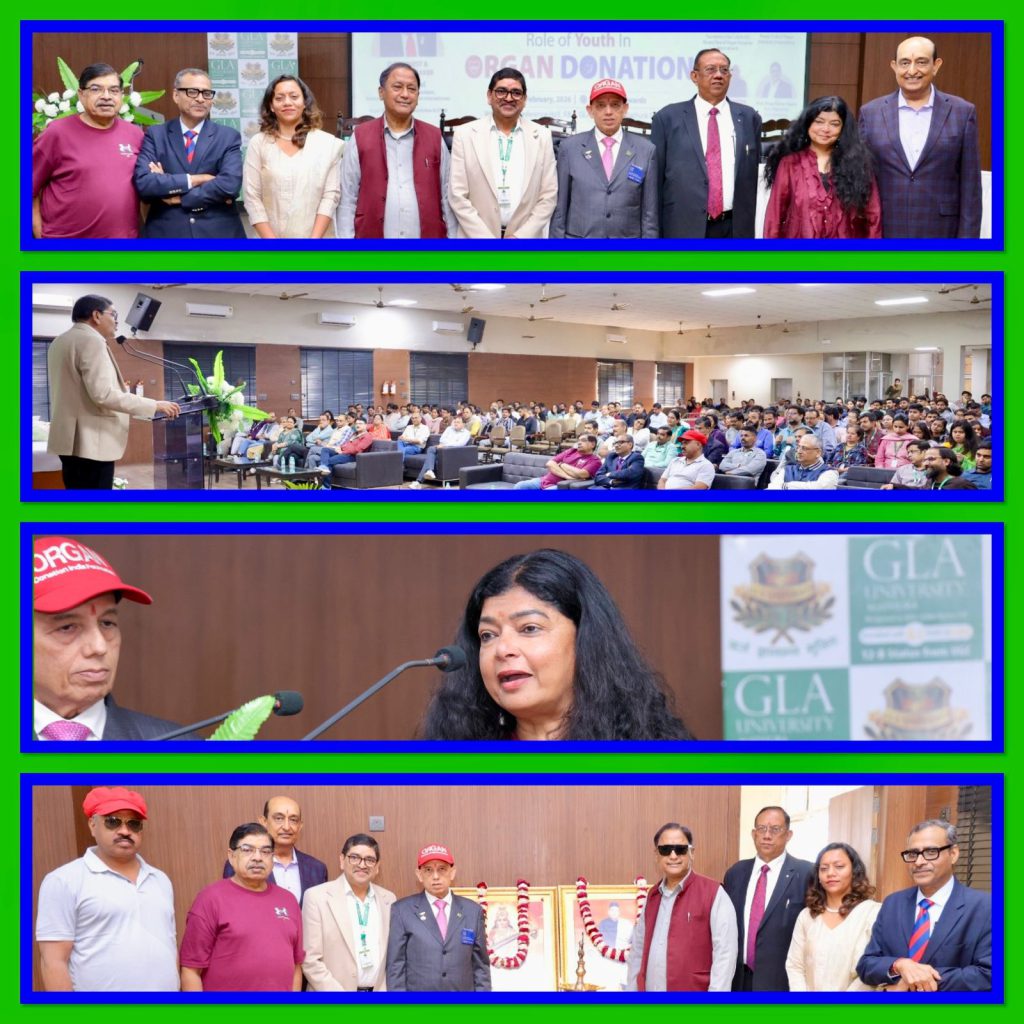
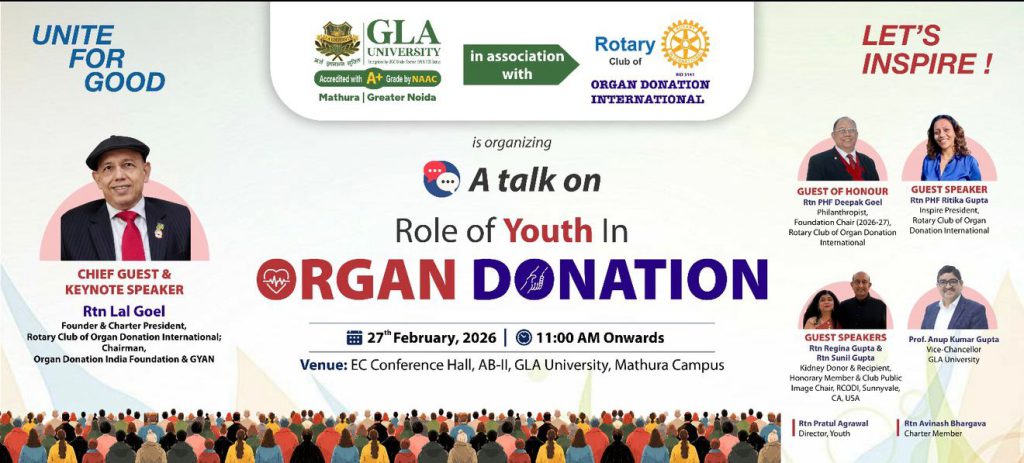
YOUTH MUST BECOME BRAND AMBASSADORS OF ORGAN DONATION, URGES ROTARIAN LAL GOEL

Prof. Dr Anup Kumar Gupta, Vice-Chancellor of GLA University, expressed deep appreciation for Rotarian Lal Goel’s sustained commitment to this noble cause.

NV Paulose , Chairman, Global TV+91 98441 82044

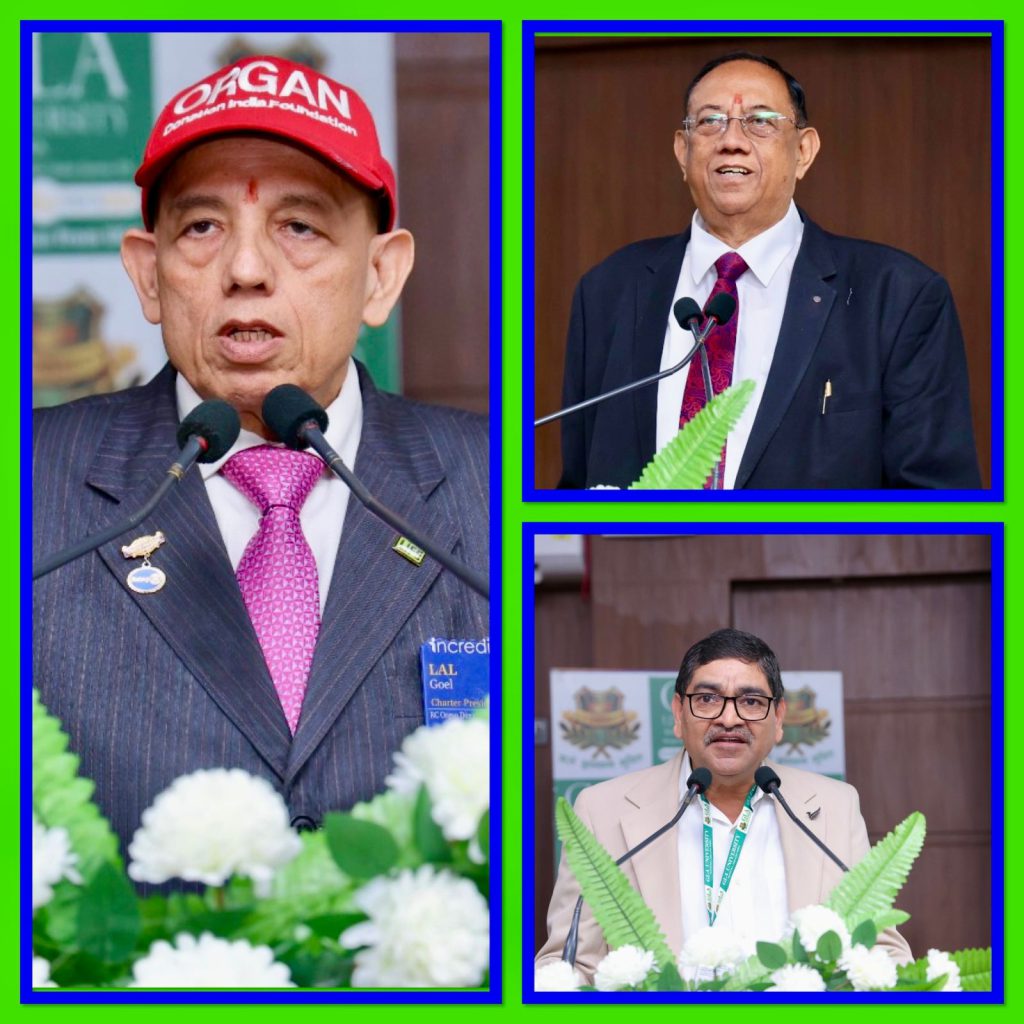
Mathura, February 27 — Delivering a powerful and inspiring address at GLA University, Rotarian Lal Goel, Founder and Charter President of the Rotary Club of Organ Donation International and Chairman of the Organ Donation India Foundation & GYAN, called upon the youth of India to emerge as “Brand Ambassadors of Organ Donation.”

Speaking as Chief Guest and Keynote Speaker on the theme “Role of Youth in Organ Donation,” he emphasised that young people hold the key to transforming India’s organ donation landscape. “The youth of today are digitally empowered, socially connected, and intellectually aware. If they channel their influence towards spreading correct and positive information about organ donation, thousands of precious lives can be saved,” he said.

Rotarian Lal Goel highlighted that while medical science in India has advanced significantly, societal hesitation, myths, lack of awareness, and lack of infrastructure continue to hinder organ donation rates. He urged students to challenge misconceptions, initiate conversations within families, and take proactive steps to pledge their organs.

The programme was graced by Guest of Honour Rotarian PHF Deepak Goel, Foundation Chair (2026–27), who presented an overview of Rotary International and its humanitarian mission. Rotarian PHF Ritika Gupta, Inspire President, elaborated on the vision and ongoing initiatives of the Rotary Club of Organ Donation International.

A deeply moving highlight of the event was the heartfelt testimony of Rotarian couple Sunil and Regina Gupta from Sunnyvale, California, USA, who shared their journey as a kidney recipient and donor respectively — offering living proof of the life-changing impact of organ donation.

Rotarian Sunil Gupta, a business leader at Intel, spoke candidly about his transplant journey and urged the audience to rise above myths and fears surrounding organ transplantation. “It has been 15 years since our surgery, and we are living healthy, fulfilling lives,” he shared.

Rotarian Regina Gupta recounted how her decision to donate a kidney to her husband received unwavering support from her late father, friends, and extended family. She was discharged just two days after surgery, resumed work within nine days, and continues to lead a completely normal life without any long-term medication — a reassuring message for those apprehensive about living donation.

Eminent social and political leader of Uttar Pradesh, Rotarian Pradeep Mathur, lauded Rotarian Lal Goel’s unwavering dedication and encouraged students and faculty members to take the organ donation pledge and actively contribute to saving lives.

The interactive session saw Rotarian Lal Goel addressing numerous thoughtful questions from an engaged and attentive audience, highlighting the growing curiosity and awareness among youth regarding organ donation.

Prof. Dr Anup Kumar Gupta, Vice-Chancellor of GLA University, expressed deep appreciation for Rotarian Lal Goel’s sustained commitment to this noble cause. He remarked that the session would not only inspire students but also significantly strengthen the organ donation movement at the grassroots level. Mementoes were presented to Rotarian Lal Goel and the other distinguished guests on the dais as a token of gratitude.

The programme was also attended by Rotarian Pratul Agrawal, Director of Youth; Rotarian Avinash Bhargava, Charter Member of the Rotary Club of Organ Donation International; along with the Directors, Deans, Heads of Departments, and Professors of GLA University, reflecting strong institutional support for the cause.

In his concluding remarks, Rotarian Lal Goel conveyed heartfelt thanks to the Vice-Chancellor, university management, faculty, and students for their overwhelming participation. The response was so enthusiastic that the programme had to be broadcast live across two halls simultaneously — a powerful testament to the growing resolve of India’s youth to lead the organ donation movement.

When youth lead, society follows — and lives are saved.

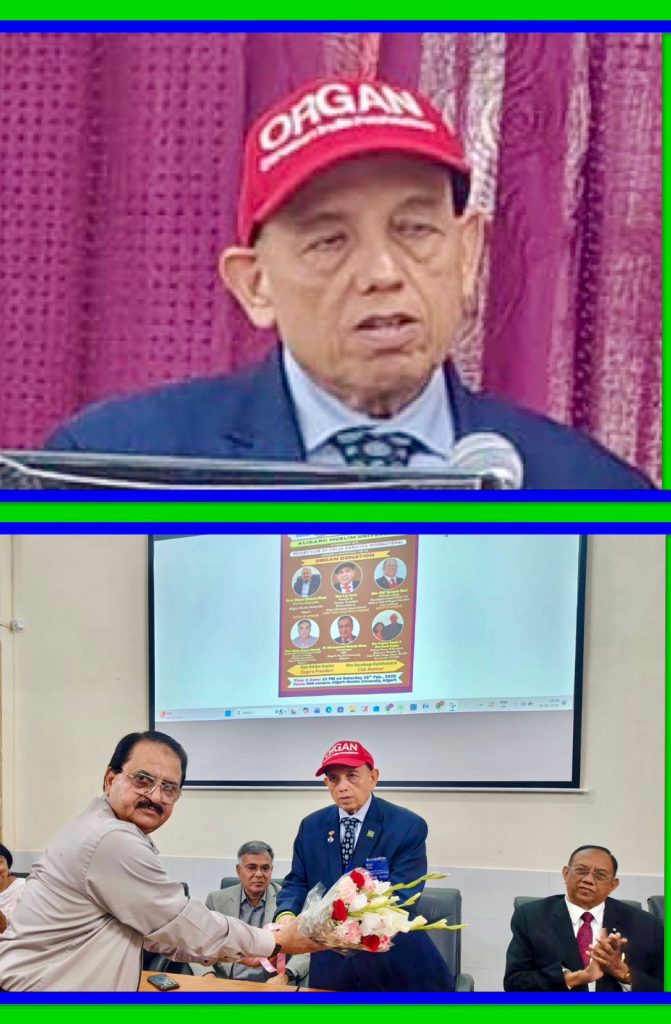
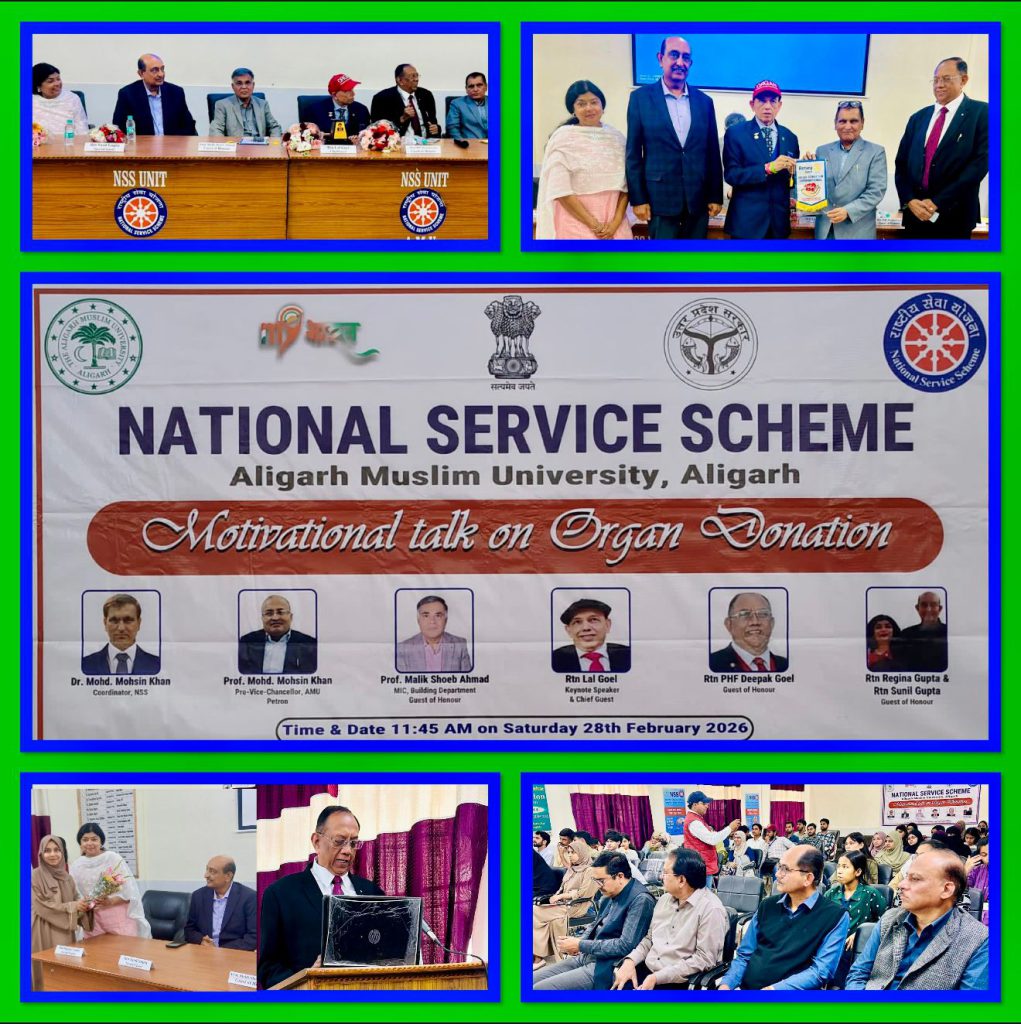
ROTARIAN LAL GOEL CREATES HISTORY AT ALIGARH MUSLIM UNIVERSITY WITH LANDMARK ORGAN DONATION AWARENESS CAMPAIGN

The landmark campaign was spearheaded by Rotarian Lal Goel, Founder & Charter President of the Rotary Club of Organ Donation International and Chairman of the Organ Donation India Foundation

NV Paulose, Chairman, Global TV +91 98441 82044

Aligarh, February 28 — A historic milestone was achieved at Aligarh Muslim University (AMU), Aligarh, as Rotarian Lal Goel led the institution’s first-ever dedicated Organ Donation Awareness Programme. In the University’s illustrious 150-year history, this marked the first initiative exclusively focused on organ donation — setting a transformative precedent for public health advocacy in the region.

The landmark campaign was spearheaded by Rotarian Lal Goel, Founder & Charter President of the Rotary Club of Organ Donation International and Chairman of the Organ Donation India Foundation & GYAN, reaffirming his unwavering commitment to strengthening India’s organ donation movement through education, dialogue, and community leadership.

Guest of Honour Rotarian PHF Deepak Goel highlighted Rotary International’s historic achievement in the global eradication of polio and shared insights into the mission and growing impact of the Rotary Club of Organ Donation International in promoting life-saving awareness across communities.

Guest of Honour Prof. Malik Shoeb Ahmad described the programme as a meaningful beginning and expressed hope that it would evolve into a sustained, impactful organ donation awareness movement within AMU and beyond.

Speaking as Chief Guest and Keynote Speaker, Rotarian Lal Goel delivered a deeply inspiring address that resonated profoundly with students and faculty alike. He firmly dispelled the misconception that Islam opposes organ donation, citing the Holy Quranic verse:

“Whoever saves one life, it is as if he has saved all mankind.”

He further strengthened his message by presenting global comparisons — noting that Saudi Arabia, an Islamic nation, has achieved an organ donation rate of 43 per million population (PMP). In contrast, India’s rate remains critically low at 0.65 PMP. He emphasised that religion is not the barrier — awareness, proactive commitment, and societal will are.

The most moving moment of the programme came with the heartfelt testimony of Rotarian Sunil Gupta, a kidney transplant recipient, and his wife, Rotarian Regina Gupta, who donated her kidney to save his life 15 years ago.

Rotarian Sunil Gupta shared that he now leads a completely normal and active life — swimming, scuba diving, exercising regularly, and working full 12-hour days — powerfully demonstrating that organ transplantation restores not just life, but quality of life.

Rotarian Regina Gupta emotionally recalled that she did not hesitate even for a moment in her decision. Her only thought was to ensure her husband would live to witness the milestones of their nine-year-old daughter. Her courage and conviction left many in the audience visibly moved.

In recognition of his exceptional service to humanity and relentless advocacy for organ donation, Dr Mohammad Mohsin Khan, Coordinator, NSS, Aligarh Muslim University, presented a memento to Rotarian Lal Goel.

Rotarian Lal Goel expressed heartfelt gratitude to the Hon’ble Vice-Chancellor, Pro-Vice-Chancellor, Deans, distinguished faculty members, NSS volunteers, and students for their attentive participation — made even more meaningful as the programme was conducted during the sacred month of Ramzan.

The historic event concluded with the University Tarana followed by the National Anthem. The programme was conducted with distinction by Dr Fauzia Faridi and witnessed the presence of a large and engaged gathering of students, faculty, and distinguished guests.

This landmark initiative at AMU is not merely an event — it is the beginning of a movement.

Nursing is not slavary. A Nurse is a professional just like a Doctor. Taking professional charges and giving a portion of it to the nurses is injustice | Global TV

Injustice Anywhere Is Injustice Everywhere: The Professional Neglect of Nursing

NV Paulose, Chairman, Global TV +91 98441 82044

Nursing is not servitude. It is a licensed, skilled, and intellectually demanding profession. A nurse is a healthcare professional just as a doctor is. Both are trained. Both are accountable. Both carry responsibility for patient lives. Yet the professional position of nurses differs sharply between advanced countries and India.

In advanced countries such as the United States, the United Kingdom, Canada, and Australia, nursing is treated as an independent profession. Registered Nurses hold licenses granted by regulatory bodies. They are legally accountable for clinical decisions within their scope of practice. In many systems, Advanced Practice Nurses and Nurse Practitioners can diagnose conditions, prescribe medications, and manage patient care independently. Their salaries reflect their responsibility, education, and contribution to healthcare delivery. Nursing is seen as a respected career choice, not a secondary option.

Hospitals in these countries do not frame nurses as assistants to doctors. They function as collaborative partners in patient care. Multidisciplinary teams rely on nursing assessments, monitoring, and clinical judgment. Compensation structures are transparent. Pay scales are structured according to qualification, experience, and specialization. Intensive care nurses, emergency nurses, and specialized practitioners earn significantly higher wages because their skills are recognized as critical assets, not routine labor.

I Am A Nurse – Official Video | Denzil Tom |Toni Kurishinkal

In contrast, in India, nursing is often positioned administratively as a supportive workforce rather than as a parallel professional pillar. While nursing education in India can be rigorous and technically sound, institutional culture frequently limits autonomy. Decision making authority remains concentrated with doctors. Nursing is commonly perceived as subordinate rather than collaborative.

The financial structure reflects this mindset. Indian hospitals bill patients separately for nursing care, sometimes at substantial daily rates, especially in intensive care units. However, nurses are typically paid fixed salaries that bear little direct relationship to the professional charges collected under the category of nursing services. Unlike consultants, nurses do not receive proportional shares of professional billing. This disconnect creates a contradiction: nursing care is priced as a professional service, yet compensated as operational staff cost.

Social perception also differs. In advanced countries, families openly encourage nursing as a prestigious and stable career. The profession offers upward mobility, research opportunities, leadership roles, and policy influence. In India, medicine is celebrated as a pinnacle achievement, while nursing is often treated as an alternative rather than an equal professional pathway. This cultural narrative influences both public respect and institutional compensation patterns.

The result is visible. Many highly trained Indian nurses migrate to countries where their profession is valued in authority, autonomy, and earnings. The same nurse who is underpaid and underrecognized in India often thrives professionally abroad. This contrast does not reflect a difference in competence. It reflects a difference in systemic valuation.

Nursing is not a charitable act. It is not auxiliary service. It is a regulated healthcare profession that demands knowledge, judgment, resilience, and responsibility. When hospitals charge professional fees for nursing care but fail to align compensation with that professional identity, it creates a structural imbalance.

If India seeks to strengthen its healthcare system to global standards, nursing must be positioned and compensated as a true profession. Respect cannot remain symbolic. It must be reflected in authority, autonomy, and fair financial recognition.

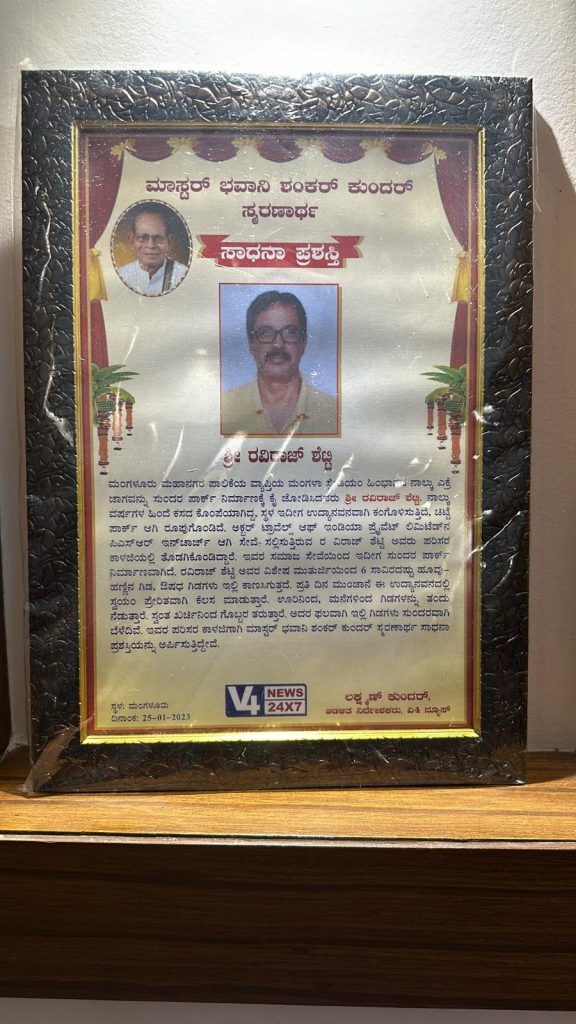
Raviraj Shetty | Akbar Travels | The Man Who Turned Garbage into Wings The Story of Raviraj Shetty | Global TV

The Man Who Gave Wings Back to the City | Working Without Applause

NV Paulose, Chairman, Global TV +91 98441 82044

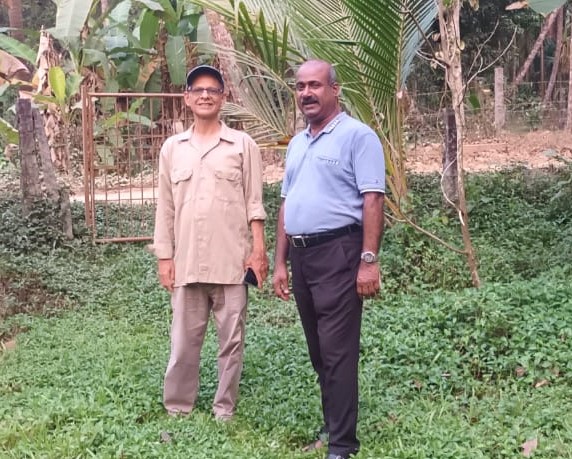
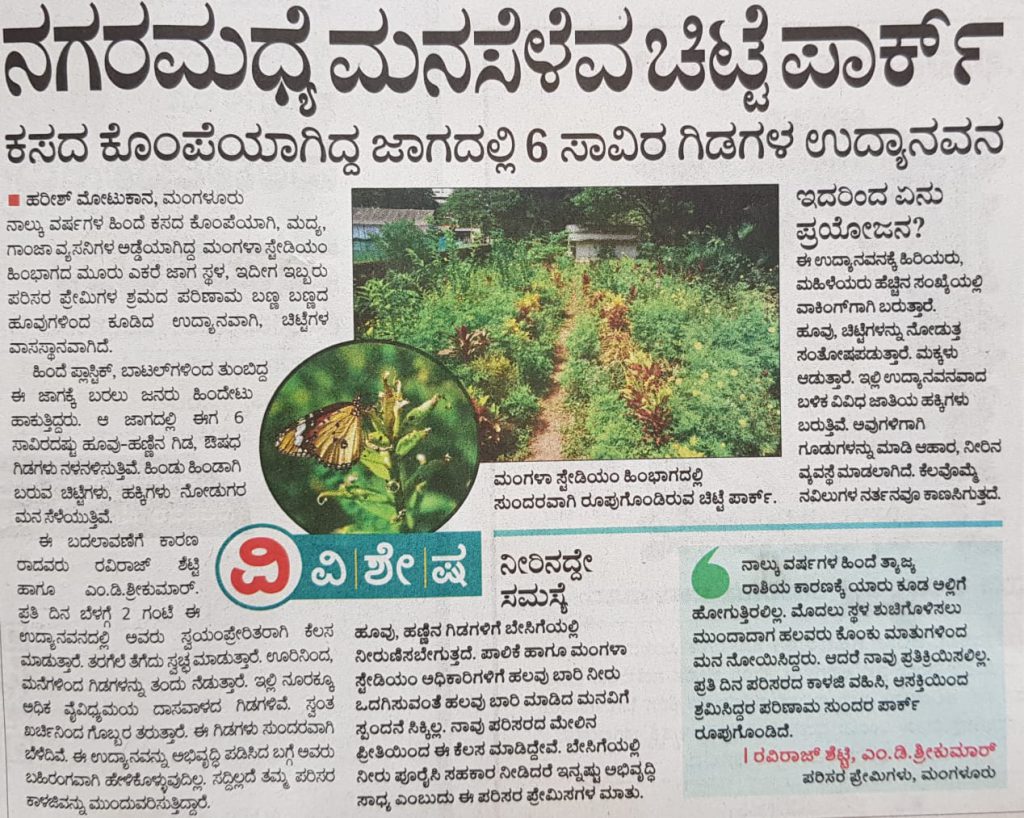
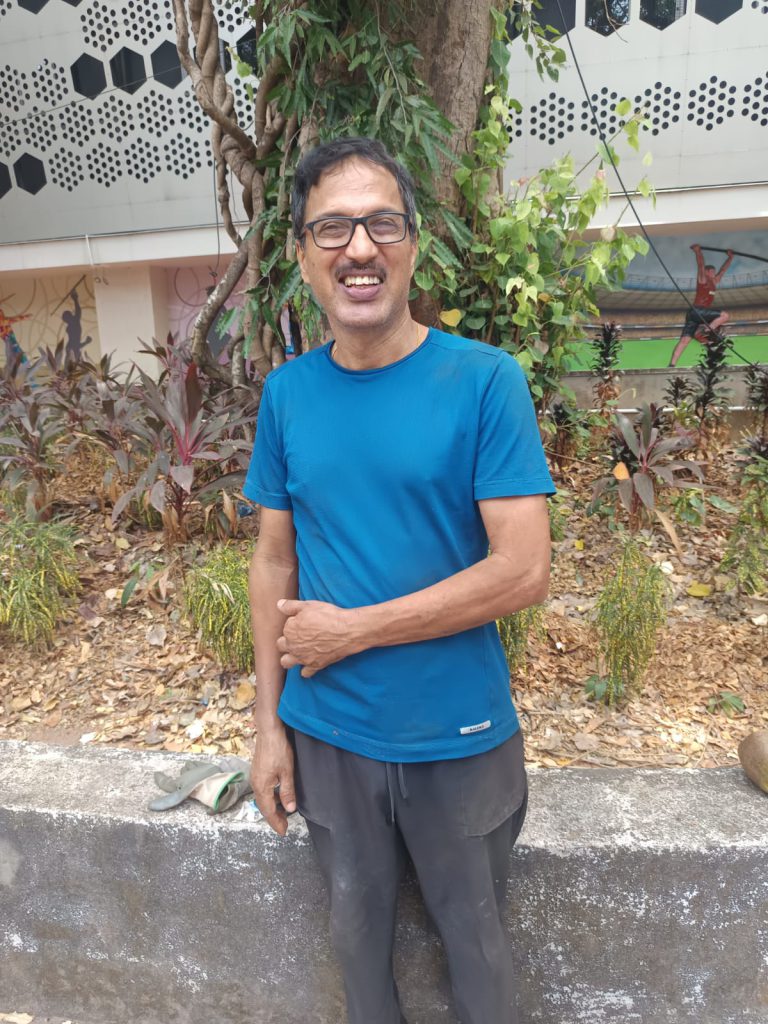
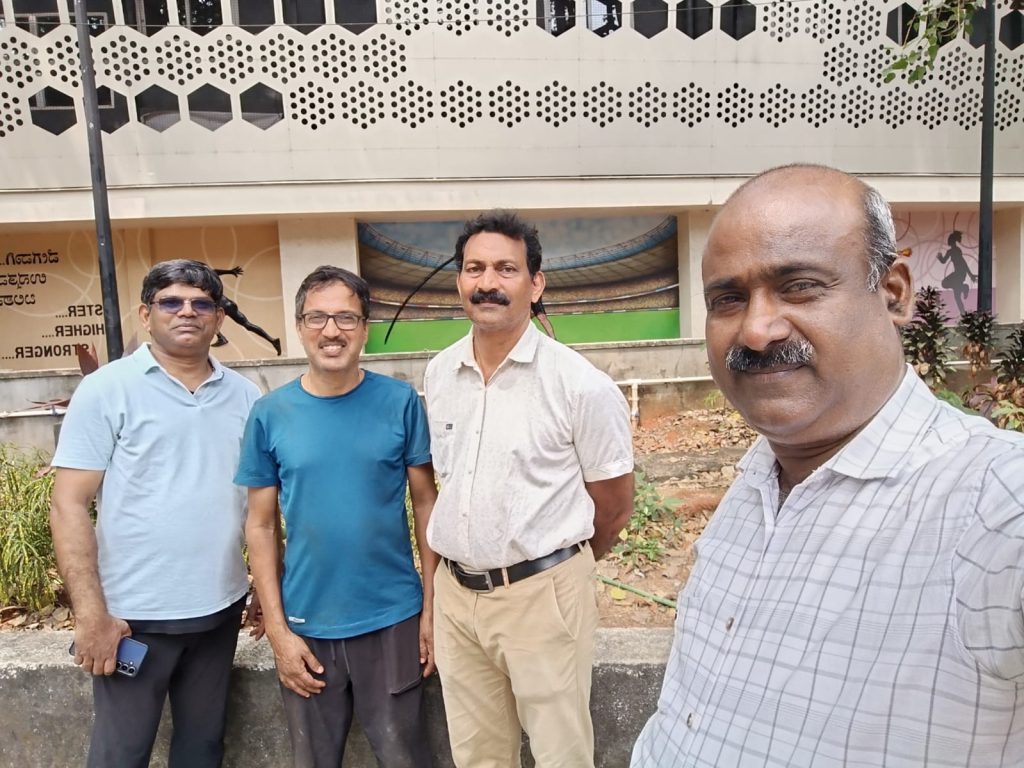
Six years ago, the land behind Mangala Stadium in Mangaluru was not a place you would take your family. It was a dumping ground filled with waste, dry leaves, plastic, and neglect. It attracted the wrong kind of attention. Most people walked past it without a second glance. But one man looked twice.

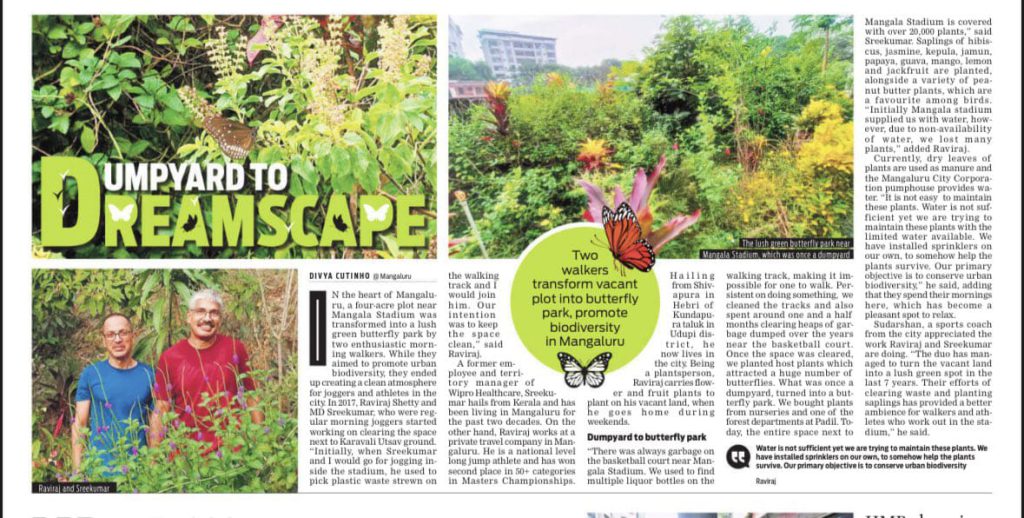
Where others saw garbage, Raviraj Shetty saw possibility. Where others saw decay, he imagined colour. Where others complained, he picked up a shovel. What stands there today is a vibrant butterfly garden filled with thousands of fruit bearing, medicinal, and flowering plants. It did not begin with government funding or large scale planning. It began with two hours a day. Every day. Quiet and consistent work.

A Vision Rooted in Action

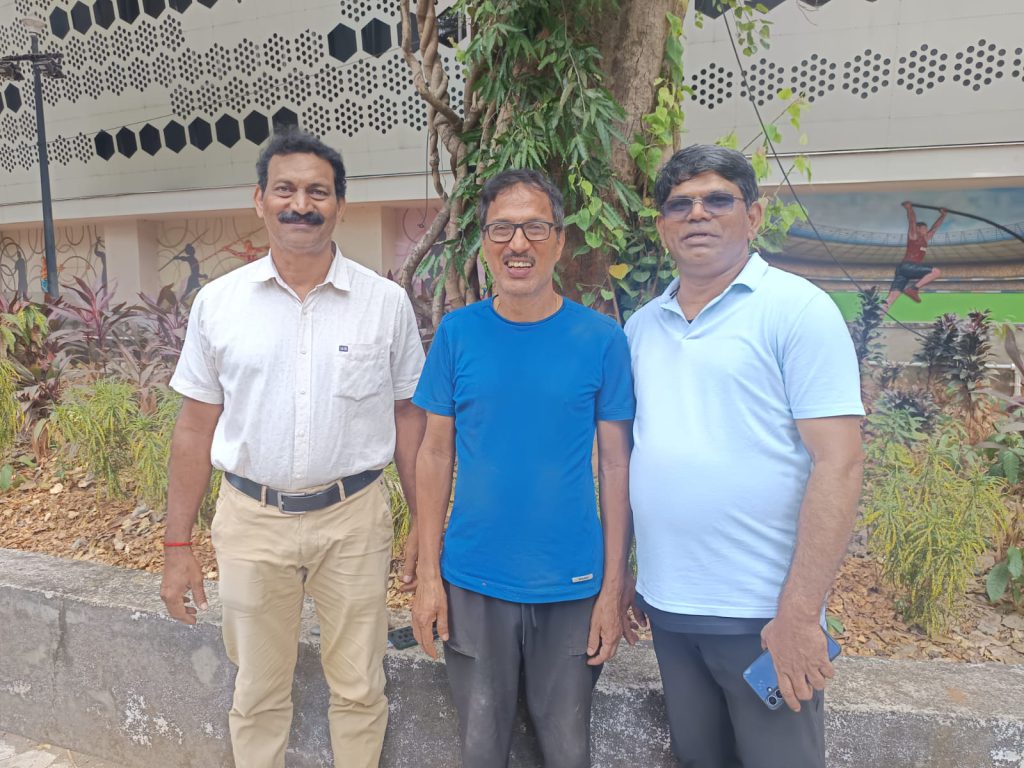
Raviraj Shetty, along with fellow environmental enthusiast M. D. Sreekumar, made a decision that most people only talk about. They chose to act. Using their own funds, they cleared heaps of waste. They removed dry leaves. They planted saplings brought from home and sourced from different places. There were no announcements. No ribbon cutting ceremonies. Just steady labor under the sun.

Transforming a dump into a garden is not glamorous work. It is dirty. It is exhausting. It tests patience. And it demands belief. Belief that something better can grow. Slowly, the soil responded. Plants took root. Flowers bloomed. And then came the real sign of success. Butterflies.

When Nature Returns It Means You Have Done Something Right

Butterflies are more than beautiful creatures. They are indicators of ecological health. They do not thrive in disturbed environments. They return only when balance is restored. The day butterflies began to flutter across the flowers was more than an aesthetic victory. It was proof. More than six thousand plants now occupy the three acre space. The area that once repelled families now attracts elderly walkers, children, and nature lovers. The same land that once symbolized neglect now represents renewal.

That transformation is leadership in its purest form.

Despite the visible impact, support from authorities has reportedly been limited. Water supply during harsh summer months remains a challenge. Maintenance requires effort and resources.

Yet the work continues.

That is what separates a temporary project from a mission. Raviraj Shetty did not step in for recognition. He stepped in because he believed the city deserved better. Too often, we wait for systems to change before we act. He chose to act first.

A Call to the Students of Mangaluru

There was a time when the land behind Mangala Stadium was avoided. It was not a place of laughter or morning walks. It was layered with waste and neglect. The air carried decay. People passed quickly, unwilling to look twice. But one man did. Raviraj Shetty did not see abandonment. He saw a future garden waiting beneath the mess. While many complained about pollution and disappearing green spaces, he chose action. Without banners, publicity, or waiting for permission, he began clearing the waste. Day after day, he removed debris, planted saplings, nurtured the soil, and restored life to forgotten land. Alongside M. D. Sreekumar, he invested personal time, energy, and resources into reviving the space.

The transformation demanded patience. It required faith. It tested endurance. But nature responds to sincerity. Plants flourished. Flowers bloomed. And then the butterflies returned. More than six thousand fruit bearing, medicinal, and flowering plants now thrive there. Where once there was silence, there is color and movement. Elderly citizens walk peacefully. Children pause in wonder. Families gather. Life circulates. Butterflies do not visit damaged ecosystems. Their presence is proof that what was once broken has healed.

A Responsibility Larger Than One Man

Yet this story should not end with admiration. It should begin a movement. Mangaluru was once known for its lush surroundings and clean air. Rapid development and careless practices have reduced that identity. The work of Raviraj Shetty proves that restoration is possible. But the future of the city cannot depend on one individual.

The student community holds immense power.

Imagine colleges adopting neglected spaces and transforming them into micro forests. Imagine school children learning environmental responsibility by planting and nurturing trees. Imagine weekend volunteer groups restoring lakes, cleaning public spaces, and planting native species.

This is not unrealistic. It begins with participation.

Students can join hands with Raviraj Shetty. They can volunteer to maintain the butterfly garden. They can organize awareness drives. They can document local biodiversity. They can build environmental clubs that focus on real action instead of symbolic gestures.

When young minds align with purposeful work, cities change.

A Green Future Is a Shared Mission

The revival of that three acre space is not merely about flowers and butterflies. It is about reclaiming responsibility. It is about proving that citizens can become custodians of their own environment.

Every generation inherits land from the previous one. The real question is what condition we leave it in for the next. Raviraj Shetty has shown what determination can accomplish. Now the call extends beyond him into classrooms, lecture halls, and campuses across Mangaluru.

One person sparked change. A united student community can multiply it. Mangaluru does not need to wait for restoration. It can begin now, with willing hands and determined hearts.