All posts by admin
Eric J B D’Souza | Who will care for Santhosh after they are gone? | Global TV
Children with Special Needs – A Pressing Concern in Modern India
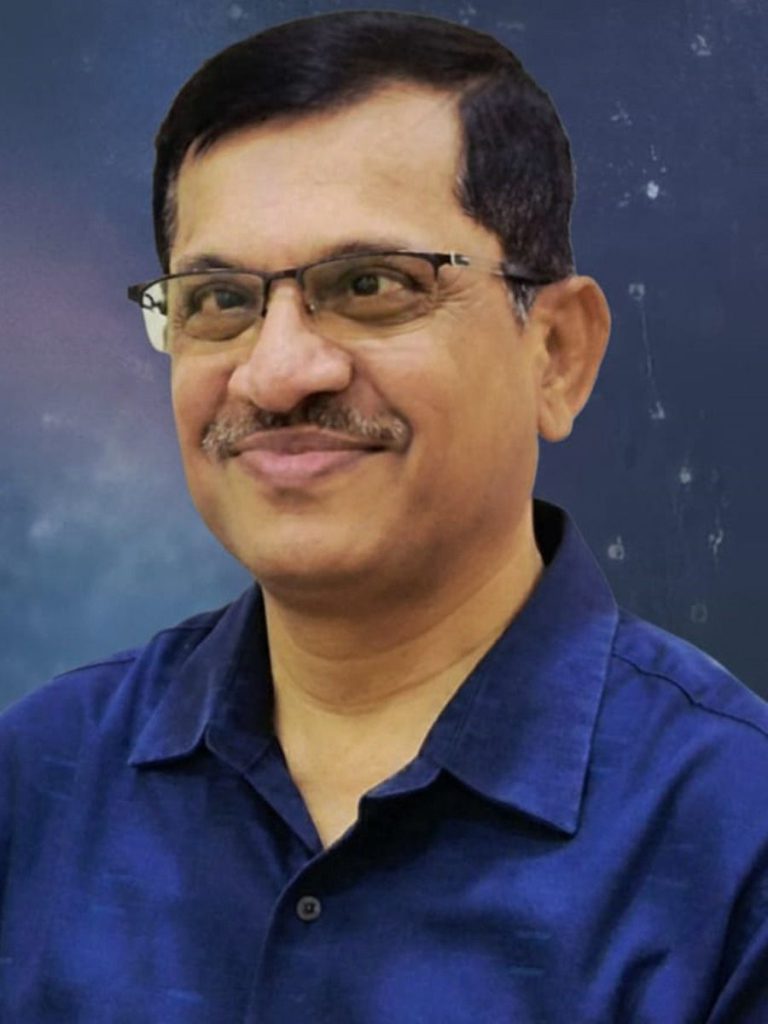
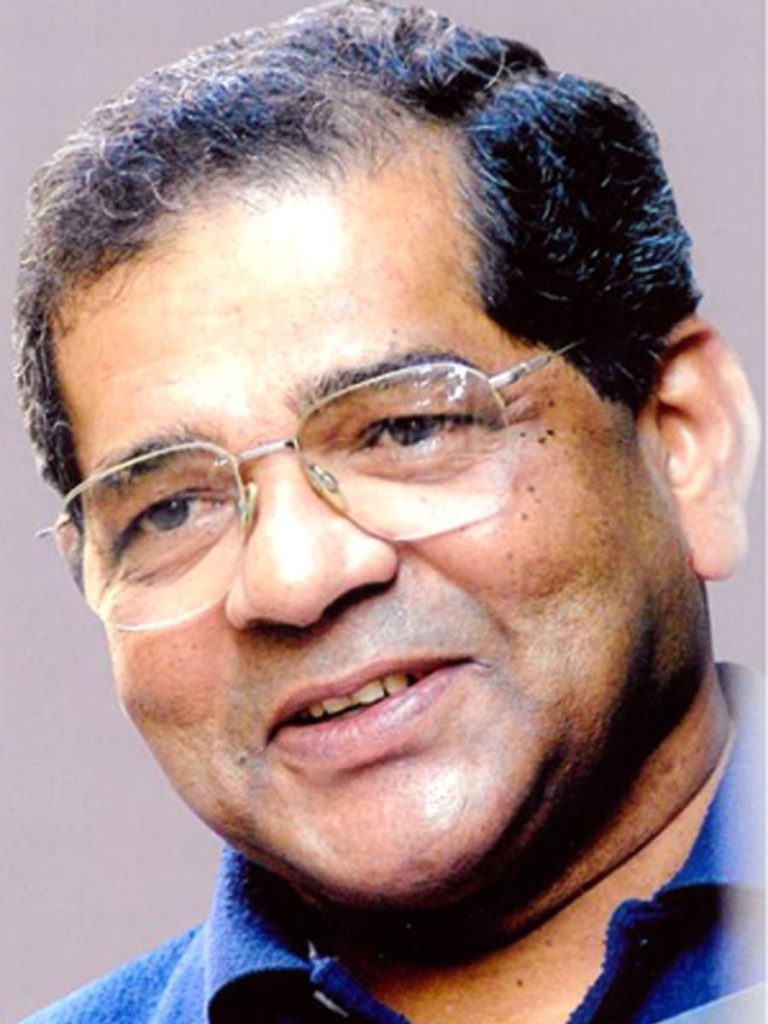
Eric J B D’Souza

Children with special needs are given countless labels—be it “mentally challenged,” “intellectually disabled,” “differently abled,” or “children of God.” Yet, just as a rose by any other name would smell as sweet, the challenges these children face in India remain significant, regardless of how we choose to describe them.
Although initiatives exist at the national, state, and local levels, it is still painfully evident that a comprehensive, fully functional support structure for these children and their families is lacking—especially when compared with many Western nations, where such children are recognised as “privileged citizens” and benefit from robust, lifelong care systems from “womb to tomb.”
Incomplete Data and an Overlooked Population
A serious concern is the lack of accurate data on the number of children (and adults) with mental or intellectual disabilities. The Indian census does not distinguish between those who are physically disabled and those who are mentally disabled; consequently, it is impossible to ascertain the exact number of individuals who need specialised care.


The last nationwide census was conducted in 2011, placing India’s population at 1.21 billion. By 2025, estimates suggest that figure may have risen to around 1.45 billion—a substantial increase. Naturally, the number of children and adults with special needs has also likely grown, yet we have no precise records of how many require vital support and services.
A Personal Glimpse: Vijay, Vimla, and Santhosh
To illustrate the dire need for more comprehensive care, consider the fictional case of Vijay and Vimla, who welcomed their son, Santhosh, in 2002, six years after the birth of their healthy daughter. Their joy was soon tempered by the gradual realisation that Santhosh’s development was delayed and his behaviour increasingly difficult to comprehend.


In 2005, they were informed he had a form of brain damage that necessitated lifelong support. The shock of this diagnosis reshaped their lives. Suddenly, everything revolved around Santhosh: his daily needs, his communication barriers, and his ongoing therapies.
Parenting a child with special needs can place immense strain on family life, marital relationships, health, and careers. Vijay and Vimla’s ability to focus on their work was severely compromised, as was their hope for an ordinary family life.
Although they eventually learned to cope, the most pressing question remains unanswered: Who will care for Santhosh after they are gone? Even if they manage to save and invest on his behalf, Santhosh will always require dedicated support and someone to help him navigate everyday tasks.


In India, where official records do not properly account for children and adults like Santhosh, there is no substantial, unified system to ensure they will be cared for in later life.
A Collective Responsibility: Areas for Improvement
Over the years, I have encountered parents, caregivers, and professionals who share similar worries and aspirations. Below is a condensed list of suggested measures spanning the Government, the corporate sector, medical and professional bodies, and the community at large. It is my earnest hope that, together, we can begin addressing these concerns more effectively.
- The Government
- Right to Special Education
Just as basic education is recognised as a fundamental right for every Indian child, special education must be similarly enshrined for every child with specialneeds. Although legislation suchas the NationalTrust Act (1999) and the Rights of Persons with Disabilities (RPwD) Act (2016) exist, implementation requires urgent reinforcement.
- Integrated Schooling
Mainstream schools should make every effort to integrate children with special needs, wherever feasible, or set up parallel special-education systems within their institutions. Early, consistent exposure will help typical children better understand and accept their peers with special needs, and in turn, help those with special needs acclimatise to society.
- Enhanced Special Schools and Infrastructure
The number and quality of special schools must be vastly improved, complete with residential facilities to support children and adults throughout their lives—from “womb to tomb.” Having a safe, nurturing environment that addresses varied and evolving needs is paramount.
- The Corporate Sector
- Job Reservations and CSR Initiatives
The existing job-reservation quota for people with disabilities in government services should be expanded to include those with intellectual disabilities. Although productivity in certain roles may be limited, such measures would significantly ease the burden on these individuals and their families. Alternatively, companies might allocate part of their Corporate Social Responsibility (CSR) funds to support individuals with special needs or the institutions that serve them.
- Support for Employees with Special-Needs Children
Employers can dramatically enhance productivity by recognising the additional challenges parents face. Providing sponsored therapies, educational assistance, and access to residential services for employees’ children with special needs could offer relief to countless families.
- Parenting Workshops
Corporate-sponsored workshops on managing the stress and complexities of raising children with special needs would benefit employees and potentially the wider community. Government health departments could extend similar workshops in the unorganised sector.
3. Medical and Professional Support
- Counselling and Psycho-Social Services
Parents of children with special needs often require professional guidance—psychological, financial, and emotional—yet affordable, regulated counselling services remain sparse outside major cities. This gap must be bridged if families are to secure a better future for their children and themselves.
- Medical Research and Prevention
The medical community must invest in more robust research aimed at preventing or reducing the incidence of certain disabilities. Advances in genetics could potentially ensure fewer children are born with preventable impairments, although such scientific progress should always be pursued with caution and ethical considerations.

4. The Role of the Community
- Parent Support Groups
While such groups are prevalent abroad, they are conspicuously rare in India. Non-Governmental Organisations (NGOs) could facilitate these networks, allowing parents to share experiences, resources, and guidance.
- Attitudinal Shift
Society at large must adopt a more inclusive outlook. Rather than pity, children with special needs deserve respect and acceptance. Integrating them into community events and daily life from an early age fosters understanding and compassion.
- Trained Care Professionals
The scarcity of skilled caregivers—nurses, domestic helpers, and others trained to work with special-needs individuals—is a pressing concern. Organisations should offer education and certification programmes to build a workforce of compassionate, capable helpers who see this work as both a profession and a calling.
- Media Engagement
Media platforms can be powerful agents for change. Regular coverage and discussions of special-needs issues would raise public awareness, encourage empathy, and shine a spotlight on policy gaps and success stories alike.
The Most Urgent Issue: Long-Term Care
The question that troubles every parent of a child with special needs is: What happens when I am no longer here to care for them? It is imperative that the Government, NGOs, and private organisations collaborate to establish residential and day-care facilities that cater to the long-term welfare of adults with special needs.


Whether for short-term respite or permanent care, such homes would offer stability and peace of mind for families. In essence, India requires the equivalent of“old-age homes” specifically designed for this community—a place where theyare not merely housed but meaningfully engaged, protected, and valued.
A Hopeful Vision
Addressing these challenges calls for coordinated efforts from all sectors of society. While there is undoubtedly much work to be done, raising awareness is the first step towards finding lasting solutions. I sincerely hope that, in time, each concern outlined here will be addressed in depth, easing the burden on individuals with special needs and their families. Ultimately, the measure of a society’s progress lies in its capacity for empathy, inclusivity, and care for those most in need-and it is past time that we rise to this task.
(Author is Member of the Advisory Board, Saanidhya Group of Institutions for Mentally Challenged Children)
IDAM | Join Hands with IDAM: Empower Children with Autism, Disabilities, and Endosulfan Impact to Live with Dignity | Global TV
Together for a Better Tomorrow: Support Free Therapy and Education for Special Children at IDAM, Kasaragod
By Team IDAM

We’re reaching out to request your support for IDAM, a non-profit organization dedicated to empower children with Autism, Differently Abled and effect of Endosulphan.
Idam was established in November 2023 at Chirappuram near Nileshwaram, Kasaragod. There are many people around us who are born differently for no fault of their own. Keeping them together with us is the duty of each one of us who have at even a trace of empathy and compassion.
Services available at Idam are Physiotherapy, Speech Therapy, Occupational Therapy, Behavioural Therapy and Special Education. Even in this day and age of medicine, therapy is the only recourse for these children who have no other treatment. We as a therapy centre with the aim of empowering these children to at least become closer to being self reliant and uplift their morale and life in any way possible.
The services we provide here is for free and to lend them a helping hand require your sincere support, we extend a warm welcome to you to stand with them, for them and as one of them.
Please share the screenshot once you make any contribution.
Name : IDAM CHARITABLE TRUST
A/C No. : 0766073000000395
IFSC Code : SIBL0000766
UPI ID : qr.idamcharit@sib
With Love,
Team IDAM
Dr. Susan Joseph | “I’m Possible”: The Life Story of Dr. Susan Joseph; A Woman Who Chose Service Over Self | Global TV
Grace Under Pressure: The Unshakable Journey of Dr. Susan Joseph | the inspiring story of a woman who refused to give up, no matter the odds.
By NV Paulose, Chairman, Global TV +91 98441 82044
People in the world often seek comfort, recognition, and self-fulfillment. There are but many souls who quietly redefine what it means to live for others. I had the privilege of meeting such a woman; a woman of humility, humanity, simplicity, dignity, integrity, and unconditional love. Her life story is worth telling; nay, it’s worth celebrating.
Raised in this blend of discipline and dignity, Susan was gifted in studies, raised in the Christian faith, and active in her church choir. But there was something different about her spirituality; an inexplicable pull toward deeper prayer, especially the Catholic tradition of the Way of the Cross. As a child, she would listen with reverence to these prayers from across the compound wall, yearning to be part of them.
Dr. Susan Joseph was born the youngest of seven children; three elder brothers and three elder sisters, in a respectable, well-established family. Her father, Dr. K.M. Mathew, came from a liberal background, while her mother, Sosamma Mathew, represented a more orthodox tradition. A brilliant woman in her own right, Sosamma had been a classmate of India’s first woman judge, Anna Chandy, and came from a family known for its judicial legacy. Her brother, C.S. Thomas, retired as a judge too.
Her childhood act of giving away her lunch to hungry children who fought dogs for scraps may sound small, but it reveals the spirit that would guide her whole life. Even as a teenager, she was already living a life of sacrifice; quietly, consistently, and without ever seeking applause.
She never wished for marriage. Her heart longed to build an orphanage, to create a self-sustaining sanctuary for the forgotten, and to live a life devoted to those on the margins. But destiny, dressed in the quiet pressures of family expectations, gently altered her course.
A proposal arrived from a Catholic family. It wasn’t the heritage or tradition that moved her; it was him. Something about his quiet strength, the grace in his humility, and the warmth of the village that shaped him stirred her spirit. In that still moment of clarity, she made her choice: “If I am to marry,” she thought, “let it be this man; not for comfort or praise, but because I wish to live where I am needed most.”
And so began a marriage not of convenience, but of conviction.

Her career blossomed in Goa, where she moved in 1984. She joined a Commerce College as a part-time lecturer in Economics, became a full-time teacher in two years, and eventually spent over three decades shaping the lives of her students. Her credentials include a Ph.D., B.Ed., authorship of textbooks, and training teachers as a Master Trainer.
She led workshops, conducted counselling sessions, and inspired thousands across the country. But her true impact lies not in her titles; it lies in her touch. She gave more than she received, every single day. She conducted sessions on adolescent issues, guided confused youth, counseled broken families, and brought healing into classrooms.
She believed in learning from everyone; animals, trees, even ants. She saw lessons in nature that most of us overlook.
After taking VRS in 2015, when most look to rest, she took up her most challenging mission yet; teaching in a tribal region in Kalahandi, Odisha. There, amidst poverty and backwardness, she taught children English, Social Studies, and Mathematics. She didn’t just teach them to read and write; she taught them to speak, present, and believe in themselves.

Seeing her students confidently compere an event was, in her own words, one of the proudest moments of her life. Her efforts in service earned her many awards; national and international. As a Global Leader of the World Malayalee Council, she has represented India across the globe, from the United States and Switzerland to Israel and Jordan. But for her, the real reward was always the smile of a child, the gratitude of a parent, or the quiet strength of a prisoner during a rehabilitation camp.
Yes, she even worked with prisoners. As an NSS Officer, she once led her team to Penugonda Jail in Andhra Pradesh. Initially met with hostility, she and her students melted the prisoners’ hearts through performances, poetry, and compassion. They left behind not just songs but hope; and were named national champions for it.
On the family front, her faith was again tested. After the birth of her first child, she couldn’t conceive for eight years. A tumor during her next pregnancy led doctors to recommend abortion. Even her husband begged her to consider it. But her unwavering belief that “God will take care of it” prevailed. That child is now a successful dental surgeon. A miracle wrapped in courage and faith, she became her living testimony.

Her personal prayer life is another story in itself. She remembers, as a child, overhearing her mother cry during dawn prayers; mentioning every family member by name. That tearful prayer session, she says, is where she first learned the power of intercession.
Later in life, around age 15, she experienced something mystical; a glowing figure appeared near her bed and said, “I need you, my child.” That moment confirmed her lifelong mission. And she never wavered.
Dr. Susan Joseph is a woman of many roles; teacher, counselor, mentor, wife, mother, author, speaker, trainer, and friend. She’s known to be a good host, a wonderful cook, and an ever-enthusiastic motivator. But most of all, she’s known for her unwavering faith and limitless compassion. As they say, the word “impossible” does not exist in Susan’s dictionary or life. Just read the word again: “I’m possible.” And truly, her life is a testimony to that.


About the Author
NV Paulose is the Chairman of Global TV and a writer who chronicles inspiring real-life journeys. He believes that every untold story has the power to uplift humanity.
D P Jose | കൃഷിയും കർഷകരും വികസനത്തിൻ്റെ കേന്ദ്ര ബിന്ദു | പ്രകൃതിയും മനുഷ്യനും കൈകോർത്തുനിൽക്കുന്ന നാളെയാണ് നമ്മുടെ ലക്ഷ്യം | ഗ്ലോബൽ ടി വി
നമ്മുടെ രാജ്യത്തിന് കൃഷിക്കാരെ വേണ്ടെന്നാണോ? | കൃഷിയും കർഷകരും രാജ്യത്തിൻ്റെ കേന്ദ്ര ബിന്ദു
ഡി.പി. ജോസ് | സീനിയർ റസിഡൻറ് എഡിറ്റർ | +91 755 808 5501

ഇന്ത്യയിലെ ജനസംഖ്യ ദിനം പ്രതി വർദ്ധിച്ചുകൊണ്ടിരിയ്ക്കുമ്പോഴും, അതിനൊപ്പം ഭക്ഷ്യസുരക്ഷയ്ക്കുള്ള ആവശ്യകതയും ഉയരുന്നു. ഇതിൻ്റെ പശ്ചാത്തലത്തിൽ കൃഷിയും കർഷകരും കേന്ദ്ര ബിന്ദുവായി മാറുന്നു.
പരിസ്ഥിതിയുടെ നിലനില്പിനായി വന്യജീവികളെയും സംരക്ഷിക്കേണ്ടത് അത്യാവശ്യമാണ്. ഈ രണ്ട് മേഖലകളും പരസ്പര വിരുദ്ധങ്ങളാകാതെ, പരസ്പരം യോജിപ്പിച്ച് രാജ്യവികസനത്തിനായി മുന്നേറേണ്ടതാണ്.
കൃഷിയുടെയും കർഷകരുടെയും അനിവാര്യത
ഭക്ഷ്യസുരക്ഷയ്ക്കും രാജ്യത്തിൻ്റെ വികസനത്തിനും അടിസ്ഥാനഘടകമാണ് കൃഷി. രാജ്യത്തിൻ്റെ 50%ൽ അധികം ജനങ്ങൾ കാർഷിക മേഖലയുമായി ബന്ധപ്പെട്ടാണ് ജീവിക്കുന്നത്. കൃഷിയുടെ ഉപേക്ഷ ഗ്രാമീണ സാമ്പത്തിക വ്യവസ്ഥ തകർക്കും. കൃഷിക്ഷേമം ഉയരുന്ന പക്ഷം നഗരങ്ങൾക്കുള്ള സമ്മർദ്ദം കുറയും, കുടിയേറ്റം കുറയും.
വന്യമൃഗങ്ങളും പരിസ്ഥിതിയും
വന്യമൃഗങ്ങൾ ഒരുകൂട്ടായ സുസ്ഥിര പരിസ്ഥിതിയുടെയും ജൈവവൈവിധ്യത്തിൻ്റെയും ഭാഗമാണ്. വനങ്ങൾ ജലസേചനത്തിനും മണ്ണ് സംരക്ഷണത്തിനും കാലാവസ്ഥ നിയന്ത്രണത്തിനും സഹായിക്കുന്നു. വനങ്ങൾ ഇല്ലാതെ കൃഷിക്ക് അനുകൂലമായ കാലാവസ്ഥ നിലനിൽക്കില്ല.
വന്യജീവി സംരക്ഷണം, ടൂറിസം, ശാസ്ത്രീയ ഗവേഷണ മേഖലകൾ എന്നിവയുമായി ബന്ധപ്പെട്ടിരിക്കുന്നു.
വ്യവസ്ഥിതമായ സംരക്ഷണവും കർഷകസംരക്ഷണവും
ഇതൊരു വന്യമൃഗങ്ങൾക്കെതിരായോ കർഷകരെതിരായോ ഉള്ള പോരാട്ടമല്ല. മറിച്ച്, ഏകോപിതമായ വികസനം ലക്ഷ്യമാക്കുന്ന സമതുലിത സമീപനം ആവശ്യമാണ്. വനമേഖലകളുടെ പുനരുദ്ധാരണം എന്നതിനു പുറമേ, കർഷക ഭൂമികളുടെയും അവകാശങ്ങളുടെയും സംരക്ഷണം ആവശ്യമാണ്.
മനുഷ്യ-വന്യമൃഗ സംഘർഷം ഒഴിവാക്കാൻ സാങ്കേതിക വിദ്യകളും, അനുയോജ്യമായ നയങ്ങളും ഉപയോഗിക്കണം. കൃഷിക്ക് അനുയോജ്യമായ ഭൂമിക്ക് അതിൻ്റെ അവകാശം ഉറപ്പാക്കുമ്പോൾ, വനങ്ങൾക്ക് അതിൻ്റെതായ പരിധിയും നിലനില്ക്കണം.
അടിക്കുപ്പ്
നമ്മുടെ രാജ്യത്തിന് ആവശ്യമുള്ളത് വന്യമൃഗങ്ങളെയും കൃഷിക്കാരെയും സംരക്ഷിക്കുന്ന സമവായനയം ആണ്. രണ്ടും നമ്മുടേതായ ഭാവിയെ രൂപപ്പെടുത്തുന്ന അനിവാര്യ ഘടകങ്ങളാണ്. പ്രകൃതിയും മനുഷ്യനും കൈകോർത്തുനിൽക്കുന്ന നാളെയാണ് നമ്മുടെ ലക്ഷ്യം
Social Media Centre | Iritty | Collective Ownership Model | Appreciative Leadership Framework | Global TV
A Collective Investment Plan for Non-Resident Keralites from Malabar Region | Social Media Centre @ Iritty Region | A Movement Rooted in Earth, Elevated by Purpose | Global TV
NV Paulose, Chairman, Global TV +91 98441 82044

Irity is a beautiful Greenland in the mist-covered highlands of Northern Kerala; the God’s Own Country. Here, in this region, winding rivers kiss ancient forests and hilltops hold stories older than time. We are setting a new media ground for a groundbreaking initiative which is generally named a Social Media Centre. It is not a business, It is not a building. It is not a media house. It is a movement.
Social Media Cente (SMC) at Iritty Region is a breathtaking confluence of heritage, nature, and hope. Iritty is not just a town; it is a threshold between the Western Ghats and the world.
Nestled in the foothills of Kerala’s most scenic highlands, the region offers seamless access to several vibrant and soul-stirring destinations: Kannur International Airport is 16 km closer. Aralam Wildlife Sanctuary is just 10 km away. Pazhassi Dam is12 km away and Kottiyoor Temple is just 25 km. International destinations like Coorg is 30 km, Wayanad is 40 km and Mysore is 120 km away from the designated Social Media Centre.
Ownership, Membership & Mentorship
The total cost of the project is divided into 60 equal ownership units, meaning each unit represents an equal share of facilities in the project. These units can be acquired by individuals, teams, or organizations, making them co-owners. There is a clear distinction between the capital cost and the operational costs.
People who are enthused by the vision of the centre can opt for Life Membership with a one-time payment which usually is equal to one tenth of a Unit Ownership Price. Others can opt for Annual Membership; one tenth of a Life Membership, or a Career Membership; one tenth of an Annual Membership.
Annual Membership and Career Membership are renewable yearly for those who want flexible involvement without long-term commitment.
Mentorship & Creative Management
A select group of Mentors (experienced professionals) will guide the project from inception throughout the growing streams with an idea of replication of the model with benefits shared with the performing members and teams.
Mentors need not necessarily own units but eventually earn ownership with the growth that they are able to achieve with exceptional governance and innovation. Mentors may receive perks (revenue share, recognition) periodically.
Beneficiaries of the Facility; Family Success Stories:
- Reconnect, Reflect, Celebrate
This space is welcoming families longing to rediscover their roots and successful individuals wishing to honour those who supported their journey. Here, memories come alive and gratitude finds its voice. Every story shared becomes a thread in our collective history. You can invite and honour great personalities here.
Let them answer these 4 questions:
- What were the major turning points in your life?
- What are your most notable success stories?
- What challenges did you overcome, and how?
- What valuable lessons has life taught you?
The answers will help professional content writers to craft a meaningful story about their \ your journey. The service is provided with plenty of options like collective book publication or story telling episodes. Let future generations find inspiration in your experiences, and may your words light the path for others to follow. You can choose a package suitable before hand and modify it further.
New Model for Action-Driven Leadership


The traditional way of working is control based. Ideas get trapped in endless meetings, diluted by debates, and strangled by scepticism. Progress depends on convincing the unconvinced, pleasing the passive, and backdoor arrangements.
Energy is wasted on defending visions rather than building them. Onlookers feel entitled to critique without contributing, while doers are held back by fear of failure or rejection. This is the old world of permission-based progress.
Now imagine a different way. An idea is presented; not for approval, but for allies. Those who believe in it step forward, forming a core team with full autonomy over execution. No bystanders are allowed to interfere; only those invested in the work in time or kind shape its path. Incentives; financial, reputational, or creative are announced and given. The focus shifts from “Why can’t we?” to “Here’s how we will.” This is the Appreciative Inquiry Leadership Model. It is a system where momentum belongs to the motivated, and progress is measured in doing.
The difference is stark. Traditional models breed hesitation; this model thrives on voluntary commitment. Instead of draining energy in meetings, teams channel it into prototypes, pilots, and proofs of concept. Critics? Irrelevant; unless they roll up their sleeves. Failure? A lesson, not a crime. Speed? Unhindered. This isn’t just a new method; it’s a renewed model against stagnation. The question is: Are you ready to build? Then, come forward and discuss your stake and share.
This initiative is in the Iritty Region, but it doesn’t end here.

With pristine landscapes and a quietly converging population, Iritty is emerging as a silent powerhouse of untapped creative and ecological potential. The serenity of nature, the richness of local tradition, and the ease of modern connectivity make Iritty a perfect location for a human centric positive media centre; where storytelling, reflection, and media innovation grow together.
You can adapt and implement a similar model wherever you are. Whether in the mountains of the north or the coasts of the south, the vision of building meaningful, media-driven, community-connected spaces is universal.
Global TV plays the role of a connecting link between visionaries and action leaders; bridging dreams and implementation. If you are inspired to start such a centre in your region, we will support you with insights, resources, and access to a pool of professional mentors across diverse domains. Let your place be the next.
We are building a Social Media Centre that brings together:
- Local youth who want to learn, create, and lead
- Nature lovers who wish to tell stories that preserve, not pollute
- Elders and communities who carry traditions and heritage
- Tech enablers who wish to connect the unseen Village in the Global Map
This centre is created with shared ownership, purpose-driven leadership, and a zero-salary model.
The Structure and Purpose
The Centre will operate in a 5-floor architectural setup, designed for:
Ground Floor:
- Reception + Visitor Lounge
- Multi Purpose Studio Hall
- Editing Suites
- Cafeteria with Open Discussion Corners
First Floor:
- Spacious Residency Rooms for Owners and Guests
- Mini Theatre & Auditorium
- Meeting Rooms & Board Room
Second & Third Floors:
- Spacious Residency Rooms for Owners and Guests
- Nature-facing Balconies
- Recording Studio & Writing Desks
Fourth Floor:
Multipurpose Hall for Training, Screenings, or Meetings
Library, Co-Working Space & Data Centre.
Rooftop Green Garden + Spiritual Meditation Corner
Join the Movement
We are open to those who are open-hearted. Connect with us. Offer your time, your skill, or simply your presence. Together, let’s turn the hills of Iritty into a global platform for meaningful media and mindful living.
Email: nvpaulose@gmail.com
More Info & Timely Updates: www.globaltv.in/smciritty
St. Aloysius Institute of Management & Information Technology (AIMIT) and IBM acknowledge the need for IBM software skills in the IT/MBA education and training sector | Global TV
Strategic MoU Signed Between St. Aloysius (Deemed to be University), AIMIT Centre and IBM to Enhance IT and Management Education

A Memorandum of Understanding (MoU) was formally signed on 03 July 2025 between St. Aloysius (Deemed to be University), AIMIT Centre, and IBM. The signing ceremony was graced by Dr. Fr. Kiran Coth, Director of the AIMIT Centre; Mr. Jagdisha Bhat, Country Manager – Software Services, IBM; Mr. Madhusudhana, Regional Manager, IBM; Mr. Jithesh, Regional Manager, Techpath; and the Deans of AIMIT, Dr. Rajani Suresh and Dr. Hemalatha N.


This MOU is
- Opportunity to emerge as one of the competent entities in the academic circles in various areas of Information technology.
- Opportunity to be recognized by the industry and academic circles as one of the preferred
location/institutions for acquiring training and skills in the latest technology and software. - Opportunity to students and faculty members to increase their knowledge and acquire skills on best-in-class IBM software.
- Opportunity to design innovative curriculum and various industry specializations using relevant IBM software.
- Opportunity to learn from the practitioners in the industry from IBM or business partners.
- Opportunity for students and faculty members to avail professional and global certification on IBM software.
IBM and St. Aloysius Institute of Management & Information Technology (AIMIT) acknowledge the need for IBM software skills in the IT/MBA education and training sector. The objective is to have a number of graduating professionals skilled in IBM Software. Both IBM and St. Aloysius Institute of Management & Information Technology (AIMIT) are keen to cooperate in a way that shall benefit St. Aloysius Institute of Management & Information Technology (AIMIT) students pursuing a career in the industry.

Snehalaya celebrated the inauguration of the newly constructed terrace roofing and flooring at its De-Addiction Centre | Global TV
Snehalaya Inaugurates Another facility : A CSR initiative of MRPL | Global TV
Snehalaya, a home for psycho social rehabilitation, a beacon of compassion and love , had yet another day to mark in golden letters. On 5-6-2025 Snehalaya marked the inauguration of their newly constructed terrace roofing and flooring at its De-Addiction Cente. This facility is provided through the generous support of MRPL Mangalore under their CSR initiative. This facility will be utilised and dedicated space for expressive art therapy and various healing activities aimed at empowering individuals on their path to recovery.

The inauguration ceremony was very meaningful and a touching event, graced by the presence of several distinguished guests. Mr. K. Nagaraj Rao, Senior Manager of the CSR Department at MRPL, had the honor of cutting the ceremonial ribbon, symbolizing the opening of a new chapter for the center on behalf of Shri Krishna Hegde Miyar, Group GM, HR MRPL-ONGC Mangalore in his absencia as chief guest.


Other esteemed attendees included:
- Mr. John B. Monteiro, President of Rachana Catholic Chamber of Commerce and Industry, Mangalore
- Mr. Raja Balchada, Arasu Manjihnar Kshetra, Udyavara Mada
- Rev. Fr. Cyril D’Souza, Chaplain of Snehalaya
- Mr. Rafeeq Master, Motivational Speaker from Mangalore
Br. Joseph Crasta, the founder and Executive Director of Snehalaya, warmly welcomed the guests and shared the heart and soul behind the organization’s mission. His words echoed the dedication that has shaped Snehalaya into a sanctuary for those seeking freedom from addiction.
The event’s proceedings were seamlessly conducted by Mr. Geo Dsilva whose vibrant presence kept the gathering engaged and inspired. and Mrs. Olivia Crasta joined in expressing profound gratitude to the guests especially to MRPL Mangalore and all those whose support made this dream a reality.
The guest speakers praised Snehalaya’s unwavering commitment to transforming lives, emphasizing how the new terrace space would play a vital role in healing through creativity and expression. Their heartfelt messages served as powerful reminders of the ripple effect that compassionate service and responsible corporate citizenship can form a paradise here.

Creating a Better World through Better Minds | Asking real questions and finding their authentic answers | Families heal, Workplaces evolve, Leaders make positive decisions | Global TV
Question Hour – A Revolutionary Happiness Program | Transforming Lives, One Question at a Time

In a world overflowing with information but starving for reflection, Question Hour emerges as a revolutionary movement—an hour that doesn’t offer answers, but dares to ask the right questions. It’s not a lecture. It’s not therapy. It’s not motivation for a moment. Question Hour is a mirror held up to the soul, a structured space where self-inquiry becomes the gateway to happiness, freedom, and purpose.
Why Question Hour?
Most people are living out inherited beliefs, social scripts, and unconscious routines. We chase success but feel empty. We achieve goals but lose peace. Why? Because we’ve never been taught to ask the right questions.
Question Hour is born from a single insight:
Happiness begins not when we get ready-made answers, but when we begin asking questions that truly matter.
Key Features of the Program
- The Power of Reflective Questions
Participants are guided through life-shifting questions like:
Am I living my values, or performing for approval? Is my happiness real or borrowed from others’ expectations? What is success for me?
These questions are designed using psychological, philosophical, and spiritual insights. They break internal patterns and spark awakening. - Thematic Clarity: From Confusion to Congruence
Each session focuses on one key theme:
Self-Worth, Positivity, Relationships, Success, Education, Respect, Contribution, etc. The structure helps participants move from emotional confusion to clarity, and eventually, to personal congruence—the alignment of thought, emotion, and action. - The ‘Pause and See’ Framework
In a fast world, this program creates an intentional pause—a sacred hour to reflect. It includes: Silent Reflection moments, Guided Self-Inquiry Exercises,
Personal Insight Journaling. It’s not just an hour. It’s a lifestyle reset. - No Judgment, Only Awakening
Unlike debates or traditional sessions, Question Hour is non-judgmental and deeply personal. It’s not about right or wrong answers. It’s about facing oneself honestly, with compassion. - Science + Soul Approach
Combining psychological tools, logical frameworks, and soul wisdom, the program weaves: The 4D Formula for Positivity, The Three Levels of Congruence, The Success Reimagined Model. This makes it a complete psycho-logical experience—deep yet simple, rational yet soulful.
The program is for Anyone longing for Happiness, Greater inner peace,
Authentic success, Joyful relationships, Emotional resilience, A sense of meaning and purpose. From students to CEOs, homemakers to healers, Question Hour is universal in its reach.
Question Hour is not just a program—it’s a social revolution.
It’s about creating a Better World through Better Minds—where people don’t just function, but flourish. As people begin asking real questions and finding their authentic answers, Families heal, Workplaces evolve, Leaders make positive decisions, and Society becomes more respectful, ethical, and joyful.
The world does not change when people are told what to do.
It changes when they ask themselves: “Am I living the life I truly want?”And that is where Question Hour begins. With one hour. One question. One honest self-reflection. Because the happiness revolution isn’t a future event.
It begins the moment we dare to ask.
Rev. Fr. Clifford Fernandes | A Devoted Spiritual Mentor | A Pillar of simplicity at Mangalore | A Tireless Priest in the Vineyard of the Lord | Global TV
The City Built Around the Church: A Reflection with Rev. Fr. Clifford Fernandez | Global TV
NV Paulose, Chairman, Global TV +91 98441 82044

In a quiet, contemplative corner of Mangalore city, the heart nestled within the sacred precincts of Kulshekar Church, I had the proud privilege of conversing with Rev. Fr Clifford Fernandes; Parish Priest, scholar, and thinker whose words carry the weight of lived experience and spiritual wisdom.
What began as a casual recollection soon unfolded into a profound reflection on the unseen, yet deeply transformative, influence of the Church on the landscape of communities and cities. The story he shared was deceptively simple. It took place during his tenure as Asst. Parish Priest at the historic Mother of Sorrows Church in Udupi, a vibrant parish situated in the heart of the city.
One afternoon, a Tahsildar; a Hindu by faith, came visiting. The two exchanged pleasantries, and as they conversed, the priest pointed out on to the surrounding noise, characteristic of a busy urban center. “I told him the church is in the middle of the city,” Rev. Fr Clifford Fernandes recounted. “Immediately, he corrected me. ‘No, Father,’ he said. ‘What are you saying? The church is not in the middle of the city. The city is built around the church.’”
That reply struck like a chord resounding with forgotten truths. The Tahsildar’s statement was not just a poetic comment; it was a profound sociological observation. He went on to explain how the presence of the church had triggered a ripple of growth around it. “When a church comes up,” he said, “it brings along a small tailoring school, a dispensary. Because Christians are a community that worships together, people gather. One vendor comes to sell vegetables.
Next day onions, garlic, then pork, cheese. Slowly, a tea stall appears. Then someone starts making Goli Bajje and Ambade. And so, the city grows; not just with buildings, but with life, community, commerce, and care.”

The Tahsildar’s insight reframed not just urban geography, but our understanding of how civilization itself sprouts; around spaces of faith, of congregation, of shared hope. More Than a Building: The Church as a Living Root
Rev. Fr Clifford Fernandes reflected deeply on the Tahsildar’s words. “That day I understood something important,” he said. “We often underestimate the impact of the Church. But when the Church takes root, everything around it begins to change. There is a transformation of the entire environment.”
This is not merely about bricks and mortar. The Church, he explained, acts like a living root system. Silent and hidden beneath the surface, its presence nourishes, connects, and ultimately reshapes everything above ground.
Indeed, history has shown us that towns and cities across the world have grown around places of worship; be it temples, mosques, synagogues, or churches. But in the Christian context, especially in the Konkan region of Karnataka, churches often came not only with spiritual intent but also with a mission of education, healthcare, skill-building, and community development.
Rev. Fr Clifford Fernandes illustrated this further. “Even in remote places,” he noted, “when a congregation purchases a small piece of land to build a chapel, the land value shoots up. Local people know: soon a school might come, a clinic, maybe a small charity kitchen. Development follows the chapel.”
This organic development is not driven by profit, but by presence; the presence of people who live by service, prayer, and social responsibility.
The Invisible Infrastructure

What is striking in Rev. Fr Clifford Fernandes’ story is the recognition of an invisible infrastructure; moral, emotional and spiritual architecture that underpins physical development. In today’s discourse on urban planning and sustainable growth, this dimension is often overlooked.
Churches, especially in India’s coastal regions, have long functioned as anchors of stability. They become meeting points, cultural hubs, educational centers, and places where the elderly and the poor find dignity. While governments invest in schemes and institutions, churches quietly invest in human beings.
“The quality of the Church,” Rev. Fr Clifford mused, “is not just in how many benches it has, or how big the building is. It is in the lives it touches. The service it renders. The value it silently adds.” There’s a sacred ease to this transformation: not through slogans or mega projects, but through small, consistent acts of love.
A woman receives free medicine at a dispensary. A child learns at a school. A young boy is mentored by the parish priest. A lonely widow finds community during Sunday Mass. This, too, is infrastructure. This, too, is nation building.
A Lesson for Today
The world increasingly fragmented by consumerism and urban isolation. The Church offers a counter-model; a community centric ecosystem that thrives not on accumulation, but on communion. Rev. Fr. Clifford’s encounter with the Tahsildar reveals how those outside the Church often see its value more clearly than those within. “Sometimes we don’t realize the worth of the service we are doing,” he said. “But others do. We should look around to see them.”
There is a quiet challenge in those words: to rediscover the value of the Church, not only as a spiritual home, but as a catalyst for wholeness in society. The story invites not just Catholics, but citizens of all faiths to reconsider the true markers of progress. In the eyes of one humble government officer, the church was not merely a building in the middle of a busy city. It was the heart around which the city found its rhythm. What a monologue to celebrate the vibrance!
Epilogue: The Ripple Effect of Faith
Rev. Fr. Clifford’s anecdote may be a singular memory, but it speaks a universal truth. The presence of faith; authentic, grounded, and community-minded, creates ripples that change the world. Cities may grow skyward, but their soul still rises from humble places, like a pious church on a noisy street, where service, faith, and silent transformation take root. The city is not the center. The Church is.
Rev. Fr. Clifford Fernandes, hailing from Kelarai, was ordained a priest on April 21, 2005. He began his priestly ministry as Assistant Parish Priest at Mother of Sorrows Church in Udupi (2005–2007). Prior to ordination, he completed his priestly formation at St. Joseph’s Interdiocesan Seminary, Jeppu, where he studied philosophy and theology as part of the formal academic and spiritual preparation for the priesthood.
Following his initial pastoral assignment, he pursued his post-graduate theological studies at Dharmaram Vidya Kshetram, Bangalore (2007–2009), further deepening his understanding of Catholic theology and pastoral ministry.
He then served as Spiritual Director at Jeppu Seminary (2009–2018), nurturing seminarians’ spiritual growth. Subsequently, he became Parish Priest at Jeppu (2018–2021), and since 2021, he has been serving as Parish Priest at Holy Cross Church, Cordel, Kulshekar. A serene nature where you are illuminated inside.
Fr. Clifford is renowned for his compelling homilies and active engagement in diocesan events. Notably, he delivered an inspiring sermon during the Relic Feast of St. Anthony of Padua at Milagres Shrine, emphasizing the importance of proclaiming God’s glory through our gifts. His leadership and spiritual guidance continue to enrich the faith community in Mangalore.