A Call for Ethical and Original Research | VC Rev. Dr Praveen Martis SJ Emphasizes Integrity and Impact in Research
NV Paulose, Chairman, Global TV +91 98441 82044
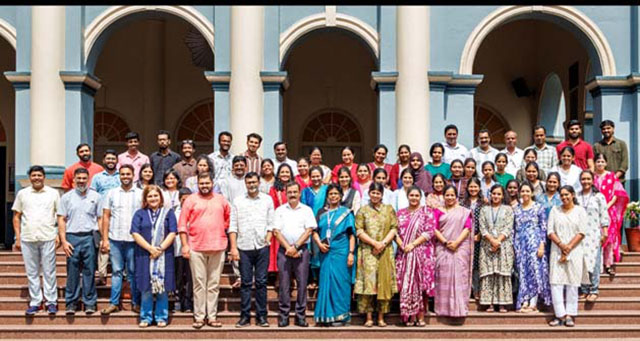
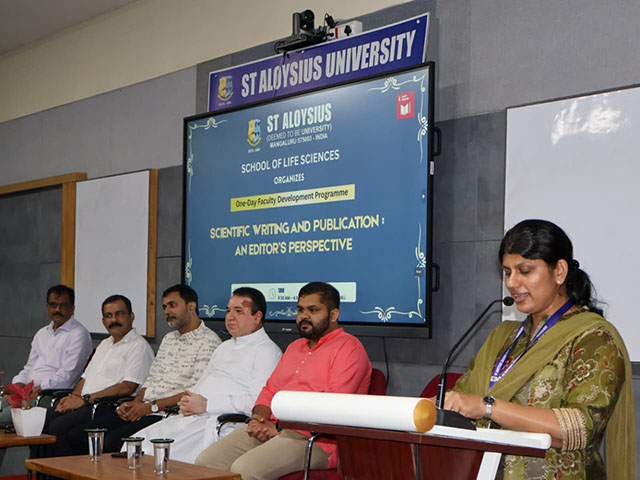
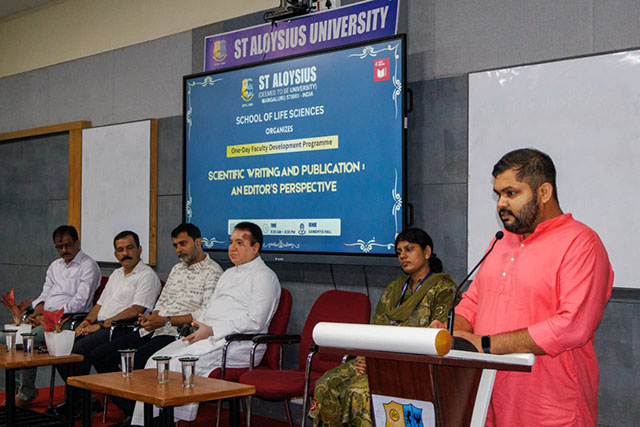
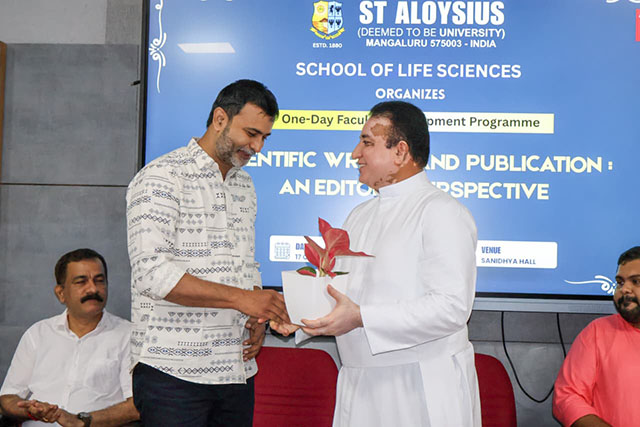
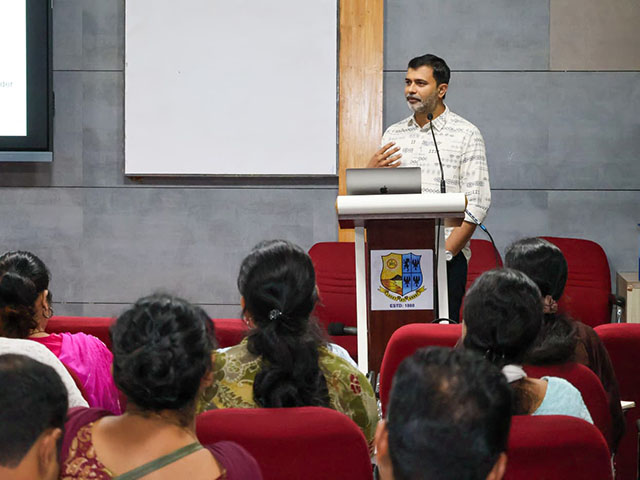
Mangaluru, Oct 18: The School of Life Sciences at St. Aloysius (Deemed to be) University successfully organized a one-day Faculty Development Programme (FDP) on ‘Scientific Writing and Publication: An Editor’s Perspective’ on October 17 at the Sanidhya Hall. The event provided crucial insights to faculty and researchers on navigating the complex world of high-impact academic publishing.
The programme featured Dr Rajeev Raghavan, assistant professor, Department of Fisheries Resource Management, KUFOS, Kochi, and Dr Shamprasad Varija Raghu, associate professor, Division of Neuroscience, Yenepoya Research Centre, Yenepoya University, Mangaluru, as the expert resource persons.
The dais was graced by distinguished dignitaries including Dr Praveen Martis, SJ, Vice Chancellor of the university; Dr Chandrashekar Shetty, Director of the Research and Development Centre; and Glavin Thomas Rodrigues, the programme convenor. Dr Renita Maria D’Souza, Dean of the School of Life Sciences, welcomed the gathering.
In his inaugural address, Dr Praveen Martis, SJ, underscored the critical importance of ethical and original research. He emphasized the need for quality publications that contribute meaningfully to the scientific community, setting the tone for the day’s discussions.
Dr Rajeev Raghavan, in his session, provided a compelling editor’s perspective on the evolving landscape of scientific publishing. His talk, titled ‘From Publish or Perish to Publish and Flourish,’ encouraged researchers to prioritize quality over quantity. He delved into the common pitfalls that lead to manuscript rejection, offering practical strategies to enhance the visibility and impact of scientific work. Dr. Raghavan demystified the editorial process, stressing that success hinges not just on robust data, but on presenting it with clarity, structure, and a narrative that demonstrates global relevance.
Echoing this focus on the craft of writing, Dr Shamprasad Varija Raghu elaborated on the essential elements of writing style and the effective structuring of research and review articles. He provided hands-on insights into crafting coherent scientific narratives and avoiding common errors during manuscript preparation, enabling researchers to communicate their findings more effectively to diverse audiences.
The FDP saw enthusiastic participation from around 70 faculty members and researchers. The sessions were highly interactive, with participants gaining valuable insights into ethical publication practices and successful research dissemination strategies.
The programme was widely appreciated for the practical guidance and editorial wisdom shared by the speakers, equipping attendees with the knowledge to transform their research into impactful publications.
St. Aloysius University Hosts Faculty Development Programme on Mastering Scientific Publication
NV Paulose, Chairman, Global TV +91 98441 82044
Mangaluru, – For early-career researchers, the path to publishing in a prestigious journal can feel like navigating a maze in the dark. Despite completing rigorous experiments and obtaining significant results, many face the sting of a desk rejection for reasons that seem unclear. According to Dr. Rajeev Raghavan, the problem is often not the science itself, but how it is framed and presented to the world.
Dr. Raghavan shared these insights during an enlightening session titled “Beyond the Bench: The Unwritten Rules of Getting Published in High-Impact Journals,” organized by the College of Fisheries. The event was presided over by Dr. A. K. Pal, the Director of Education and former Vice-Chancellor of Kerala University of Fisheries and Ocean Studies (KUFOS). The gathering was also graced by the presence of the institution’s Director of Research, Dr. S. K. Singh, and Dean Dr. V. R. Suresh.
Drawing from his extensive experience as an advisor to countless authors and a reviewer for top-tier journals, Dr. Rajeev Raghavan outlined three critical, yet often overlooked, strategies that can elevate a manuscript from “good” to “must-publish.”
Time Travel is Not an Option: Why Your Reference List Must Look Forward, Not Backward
A common and fatal assumption is that a journal will be interested in a topic today because it published a similar paper a decade ago. “The academic landscape is not static,” Dr. Raghavan noted. “An editor’s primary goal is to increase the journal’s impact factor, which means they are exclusively looking for papers that will be widely read and cited now and in the near future.”
He advised researchers to become “detectives” before writing, analyzing a journal’s last two years of publications to tailor their work to fit the journal’s current conversation, not its historical archive.
The Reviewer is Your Judge, Not Your Co-Author
Addressing a common misunderstanding, Dr. Raghavan clarified the role of peer reviewers. “Reviewers and editors are there to assess the validity, significance, and clarity of your substantially complete work. They are not there to perform basic editing or build your argument for you,” he stated.
He emphasized that submitting a half-finished manuscript is a guarantee of rejection. The strategy is to submit only the most polished work, having enlisted colleagues for proofreading and ensured a compelling narrative flow. “The review process is for strategic refinement, not for fundamental writing,” he added.
From Local Interest to Global Impact: Overcoming the ‘Narrow Scope’ Rejection
This was highlighted as a major hurdle for researchers working on specific case studies. Dr. Raghavan framed the editor’s perspective: “A journal editor in Europe may ask, ‘Why should a researcher in Japan or Canada care about this particular plant in a specific valley?’ If your paper cannot answer that, it will be rejected.”
The solution, he explained, is to frame the work to highlight its broader theoretical implications. A localized study should be positioned as a case study in a universal principle or an insight into a global challenge.
The Mindset for Success
Dr. Raghavan concluded that publishing in high-impact journals is as much about strategy as it is about science. It requires researchers to shift their perspective to that of an editor curating content for a global audience.
The session, which provided a crucial roadmap for academics, was hailed as a significant contribution to research methodology, empowering scientists to offer their work not just as a paper, but as a valuable contribution to the global scientific dialogue.
Xavier Board Launches 25th Triennial Conference with Call to Transform Education
NV Paulose, Chairman, Global TV +91 98441 82044
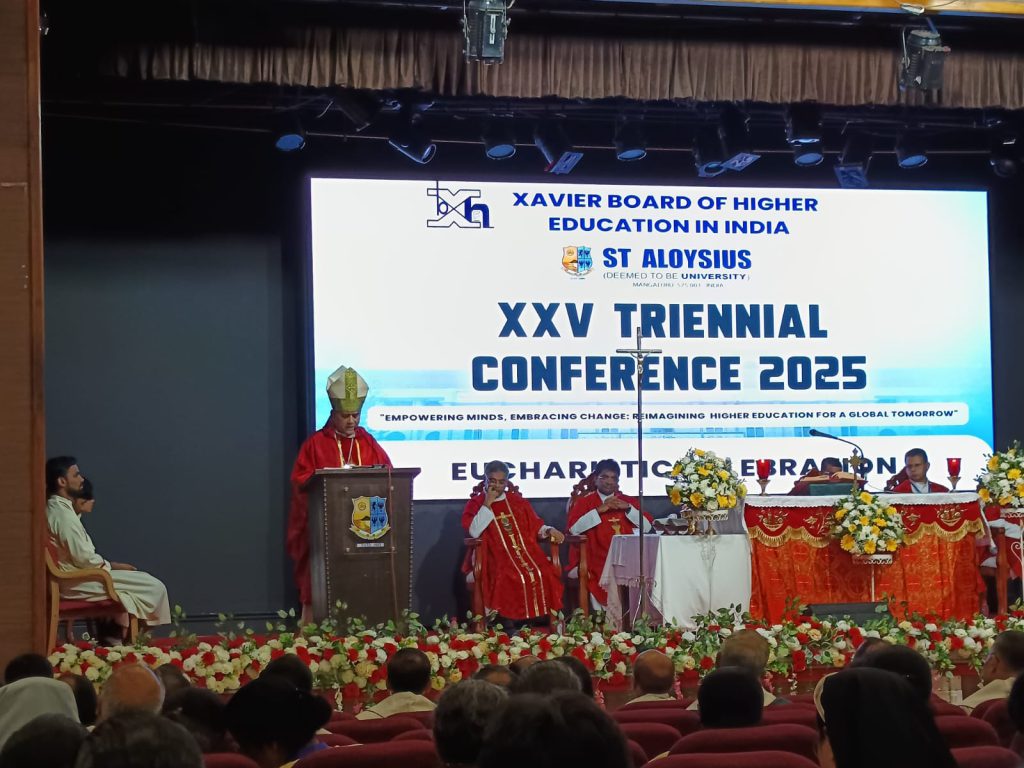
Xavier Board Inaugurates XXV Triennial Conference 2025 in an atmosphere charged with anticipation and divine grace at St. Aloysius (Deemed to be University) in Mangaluru. The ceremony, held on the evening of Saturday, October 18th, was more than a formal beginning; it was a powerful reaffirmation of mission, community, and faith in the face of modern challenges.
The lamp-lighting ritual, a symbol of the dispelling of ignorance, beautifully set the stage for an evening where the light of wisdom and the warmth of shared purpose were palpable. The event was graced by a distinguished gathering of leaders, including Shri. Armstrong Pame, IAS, Joint Secretary of the Department of Higher Education, and Dr. M C Sudhakar, Hon’ble Minister for Higher Education, Government of Karnataka. The presidential presence of Prof Fr L Joji Reddy SJ and the spiritual blessings of Most Rt Rev Dr Elias Gonsalves, Archbishop of Nagpur, underscored the deep connection between educational excellence and spiritual foundation.
A Shepherd’s Charge: Archbishop Gonsalves Sets the Soulful Tone
While the schedule outlined addresses from chief guests and the release of the Xavier Board Souvenir, the heart of the evening was a deeply inspirational homily delivered by Most Rt Rev Dr Elias Gonsalves, the main celebrant of the inaugural Eucharist. Weaving a narrative from the challenges of Saint Paul to the sending out of the seventy-two disciples, His Grace delivered a poignant message that felt both ancient and urgently contemporary, directly speaking to the soul of every Catholic educator.
The core of his message was a comforting yet powerful reminder: “You are not alone.” In a world where educational institutions face immense pressures; from financial constraints and secularism to moral relativism and external activism, the Archbishop assured the audience that God’s presence is a constant source of strength.
“He is with us in our offices, in our classrooms, in our campuses and in our communities,” he echoed, transforming the hall from a mere venue into a sacred space of shared vocation.
This presence, he emphasized, redefines the very essence of Catholic education. It is “not mainly about imparting information, but about transforming lives. It is about forming consciences, building character and nurturing the spirit of service rooted in faith.”
Answering the Call in a Fractured World
Archbishop Gonsalves did not shy away from the stark realities of our time; a world told of terrorism, hatred, and communalism, where students and parents alike are searching for meaning and belonging. In the midst of this, he challenged every educator to see their institution as a house of peace, truth, and dialogue.
“Every lecture that you keep, research paper you present, or a community project becomes an opportunity to announce… that the kingdom of God is near.”
His call was for courage, not complacency. Drawing from the biblical image of being sent out “like lambs among wolves,” he reminded the audience that their mission is not one of comfort, but of purposeful engagement with a challenging world, armed with the power of peace and the recognition that God’s kingdom is at hand.
A Mission Rekindled
As the conference begins its deliberations, the inaugural ceremony, anchored by Archbishop Gonsalves’ stirring homily, has successfully set a powerful tone. It served as a spiritual rallying cry, urging all present to become brilliant minds and compassionate hearts; successful individuals and “saints in the making and good citizens.”
His final blessing encapsulated the collective hope: “May the Lord who stood by all… also stand beside each one of us, strengthening us for the noble mission of education.”
The XXV Triennial Conference has thus begun beyond an academic gathering, towards as a journey of faith; a collective step forward to ensure that through the dedicated labourers in the field of education, the message of love, justice, and truth may be fully proclaimed, and the Kingdom of God may draw near.
Mangalore Set to Host Landmark ‘Bharat 2050’ Seminar, Charting a Visionary Path for India’s Economic Future
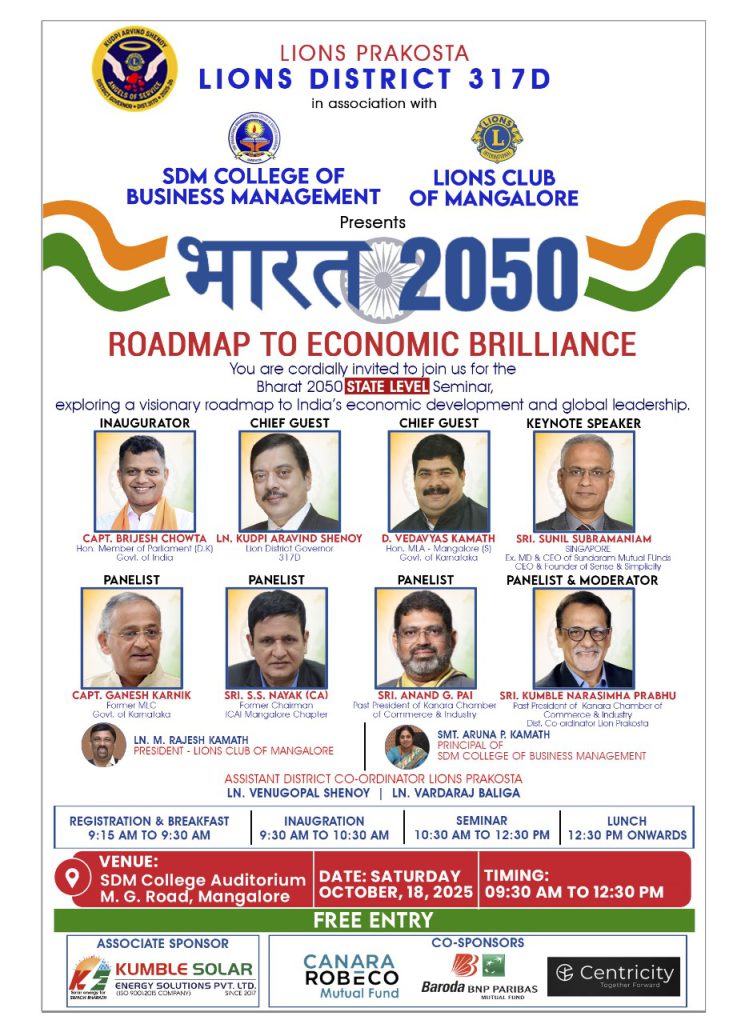
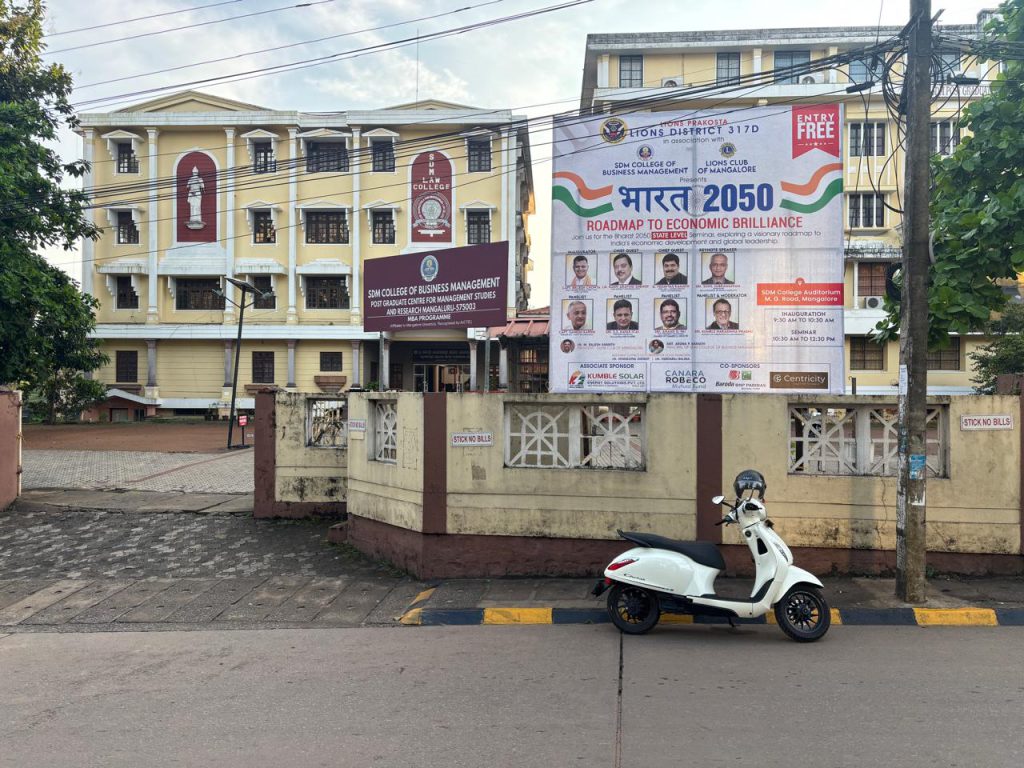
MANGALORE, The Lions District 317D, in association with the Lions Club of Mangalore and SDM College of Business Management, is proud to present “Roadmap to Economic Brilliance,” a state-level seminar dedicated to envisioning India’s ascent to global economic leadership by the year 2050. The event is scheduled for Saturday, October 18, 2025, at the SDM College Auditorium.
This high-profile gathering promises to be a powerhouse of ideas and strategic dialogue, bringing together a distinguished panel of policymakers, industry veterans, and economic experts to dissect and design the pathways to a prosperous and globally influential India.
The seminar will be inaugurated by a cadre of eminent leaders. The inaugural session will be graced by Capt. Brijesh Chowta, Hon. Member of Parliament; Lion Kudpi Aravind Shenoy, Hon. District Governor of Lions District 317D; and D. Vedavyas Kamath, Hon. MLA of Mangalore.
Adding a significant international perspective to the discourse, the keynote address will be delivered by Sri. Sunil Subramaniam from Singapore. A respected financial leader, Subramaniam is the former MD & CEO of Sundaram Mutual Funds and the founder of Sense & Simplicity, and is expected to share invaluable insights on achieving sustainable economic growth.
The core of the seminar will be a dynamic panel discussion featuring luminaries known for their acumen and experience:
Capt. Ganesh Karnik, Former MLC, Government of Karnataka
Sri. S.S. Nayak (CA), Former Chairman of the ICAI Mangalore Chapter
Sri. Anand G. Pai, President of the Kanara Chamber of Commerce & Industry
Sri. Kumble Narasimha Prabhu, Past President of the Kanara Chamber of Commerce & Industry and District Co-ordinator for Lions Prakosta
The event will be presided over by Lion M. Rajesh Kamath, President of the Lions Club of Mangalore, and Smt. Aruna P. Kamath, Principal of SDM College of Business Management.
“This seminar, ‘Bharat 2050’, is more than just an event; it is a catalyst for conversation and action,” said a spokesperson for the organizing committee. “Our goal is to move beyond theoretical discussions and provide a tangible, visionary roadmap that can inspire our youth, guide our entrepreneurs, and inform our policymakers. We are thrilled to create this platform right here in Mangalore.”
The program itinerary includes registration and breakfast from 9:15 AM, followed by the inauguration and the main seminar sessions running until 12:30 PM, concluding with lunch.
Event Details:
Date: Saturday, October 18, 2025
Time: 9:30 AM to 12:30 PM
Venue: SDM College Auditorium, M.G. Road, Mangalore
Admission: Free and open to all interested citizens, students, and professionals.
പുതുമനയിൽ നിന്നും പുറം ലോകത്തേക്ക് | നിത്യാഭ്യാസി ആനെയെ എടുക്കും | മൂല്യാധിഷ്ഠിത സേവന രംഗം |
കൂട്ടുകാരൻ സൈക്കിളിൽ സ്കൂളിൽ വരുന്നത് നോക്കിനിന്ന ഒരു കാലമുണ്ടായിരുന്നു സജി പുതുമനയ്ക്ക്. ആ സൈക്കിളിൽ ഒന്ന് കയറാനായിരുന്നെങ്കിൽ എന്ന് അവൻ എത്രയോ വട്ടം ആശിച്ചിട്ടുണ്ട്. ഒരിക്കൽ ചോദിച്ചതും ഓർക്കുന്നു. രാവിലെ സ്കൂളിൽ വരാനും ഉച്ചക്ക് ഊണ് കഴിക്കാൻ പോകാനും വൈകീട്ട് വീട്ടിലേക്ക് മടങ്ങിപ്പോകാനും ആവശ്യമുള്ളത്രയും ബ്രെയ്ക്ക് മാത്രമേ സൈക്കിളിൽ ഉള്ളൂ എന്ന് അന്ന് സുഹൃത്ത് പറഞ്ഞത് ഇന്നോർക്കുമ്പോൾ സജി പുതുമനയുടെ മുഖത്ത് അറിയാതെ ചിരി പടരും.
പിന്നീട് സ്വന്തമായി ഒരു ട്രക്ക് വാങ്ങാൻ ഭാഗ്യമുണ്ടായി. അതിനോടകം ബന്ധുവിൻ്റെ സഹായത്തോടെ ഡ്രൈവിങ് പഠിച്ചു. ദീർഘകാലം അദ്ദേഹത്തിൻ്റെ സഹായിയായി തുടർന്ന ശേഷം സ്വന്തമായി ട്രക്ക് കൈകാര്യം ചെയ്യാം എന്ന നില വന്നു. അപ്പോഴാണ് സ്വന്തമായി ട്രക്ക് വാങ്ങിയത്. ആദ്യ മൂലധനം അൻപതിനായിരം രൂപ. ബാക്കി തുക ബാങ്കിൽ നിന്നും വായ്പ്പയെടുത്തു.
ഒരു ട്രക്ക് നിറയെ സ്വപ്നങ്ങളുമായി നിരത്തിലിറങ്ങിയപ്പോഴാണ് സംഗതികളുടെ കാര്യഗൗരവം സജിക്ക് മനസ്സിലാകാൻ തുടങ്ങിയത്. ഇത് അത്ര സുഗമമായ കാര്യമല്ലെന്ന് മനസ്സിലാക്കാൻ അധിക നാൾ വേണ്ടി വന്നില്ല. കയ്യൂക്കുള്ളവൻ കാര്യക്കാരൻ ആകുന്ന ഒരു സംഘർഷ ലോകത്താണ് താൻ എത്തിപ്പെട്ടിരിക്കുന്നത് എന്നറിഞ്ഞപ്പോൾ മനസ്സിൽ വെള്ളിടി വെട്ടി.
നേരെ വാ നേരെ പോ എന്ന രീതി നടക്കുന്ന ലോകത്തല്ല താൻ വന്നുപെട്ടിരിക്കുന്നത് എന്ന തിരിച്ചറിവ് വലിയൊരു ആഘാതമായി കുറേക്കാലം അദ്ദേഹത്തെ വേട്ടയാടി. എങ്ങിനെയും തലയൂരി രക്ഷപ്പെട്ടാൽ മതിയെന്നായി.
തൻ്റെ സ്വപനങ്ങളെല്ലാം നിറച്ച ട്രക്ക് കിട്ടിയവിലക്ക് വിറ്റ് എങ്ങിനെയോ തലയൂരിയപ്പോൾ എന്തൊരാശ്വാസമായിരുന്നു. അങ്ങനെ ആദ്യ റൗണ്ടിൽ മനസ്സ് നിറയെ മുറിവുകളുമായി ട്രാക്ക് വിട്ടിറങ്ങുമ്പോൾ ഇനിയൊരു തിരിച്ചുവരവ് ഒരിക്കലുമില്ല എന്ന് ചിന്തിച്ചുറപ്പിച്ചി രുന്നു. പക്ഷെ ദൈവത്തിൻ്റെ പദ്ധതി എത്രയോ വലുതായിരുന്നു.
കാച്ചവെള്ളത്തിൽ ചാടിയ പൂച്ച പച്ചവെള്ളം കണ്ടാലും പേടിക്കും എന്ന് നമ്മുക്ക് എല്ലാവർക്കും അറിയാം. ട്രക്കുകളുടെ ലോകം എല്ലാം എല്ലായിടത്തും ഒരുപോലെ തന്നെ എന്ന് വിചാരിച്ചിരുന്ന സജിയുടെ ധാരണ തിരു ത്തുന്നതായിരുന്നു പിന്നീടങ്ങോട്ടുള്ള അദ്ദേഹത്തിൻ്റെ യാത്രകൾ. തന്റെ സേവനമികവും സത്യസന്ധതയുമെല്ലാം എല്ലാ മേഖലകളിലും വിലമതിക്കപ്പെട്ടതായിരുന്നെന്ന് ഏറെ താമസിയാതെ സജി തിരിച്ചറിഞ്ഞു.
കമ്പനികൾക്ക് പെട്രോൾ അടക്കം നിരവധി ഉത്പന്നങ്ങളുടെ വിതരണരംഗത്ത് സേവനം നൽകുന്നതിന് വേണ്ടി ധാരാളം ട്രക്കുകൾ നിരത്തിലിറക്കുന്നു ഇന്ന് സജിയുടെ ത്രീ കിങ്സ്. ചിട്ടയായ പ്രവർത്തനങ്ങളും മാന്യമായ പെരുമാറ്റവും കൃത്യനിഷ്ഠയും പ്രവർത്തന മികവും എല്ലാം വലിയ നേട്ടങ്ങളായി പരിണമിച്ചു.
നിരവധി അവസരങ്ങൾ അദ്ദേഹത്തെ തേടിയെത്തി. സാങ്കേതികരംഗത്തുണ്ടായ കുതിച്ചുചാട്ടവും നിരവധി കോർപറേറ്റ് സ്ഥാപനങ്ങളുടെ അംഗീകാരവും കൂടിച്ചേർന്നപ്പോൾ ഇന്ത്യയിൽ ഉടനീളം എപ്പോഴും സഞ്ചരിച്ചുകൊണ്ടേയി രിക്കുന്ന നിരവധി ട്രക്കുകളുടെ ഒരു ശൃംഖല തന്നെ സൃഷ്ടിക്കുവാൻ സജി പുതുമനക്ക് സാധിച്ചു.
തൻ്റെ സേവനമികവും സത്യസന്ധതയുമെല്ലാം എല്ലാ മേഖലകളിലും വിലമതിക്കപ്പെട്ടതായിരുന്നെന്ന് ഏറെ താമസിയാതെ സജി തിരിച്ചറിഞ്ഞു.
എൺപതിലധികം ട്രക്കുകളാണ് ഇന്ന് ത്രീ കിങ്സിന് സ്വന്തമായിട്ടുള്ളത്. ഇതിനു പുറമെ മറ്റു വ്യക്തികൾ ട്രക്കുകൾ വാങ്ങി ത്രീ കിങ്സിൻ്റെ സഹായത്തോടെ അവ വിജയ കരമായി പ്രവർത്തിപ്പിക്കുന്നു.
സജിയുടെ കയ്യിൽ രണ്ട് ഫോണുകൾ എപ്പോഴും ഉണ്ടാകും. ഫോണുകൾക്ക് ഒരിക്കലും വിശ്രമം ഇല്ല. എങ്കിലും അവയ്ക്ക് സജിയോട് ഒരു പിണക്കവുമില്ല. തങ്ങളിലൂടെ എപ്പോഴും നല്ലവാക്കുകൾ മാത്രം പറയുകയും നല്ല കാര്യങ്ങൾ മാത്രം ചെയ്യുകയും ചെയ്യുന്ന സജിയോട് അവ എങ്ങനെ പിണങ്ങാനാണ്? രാവിലെ സജി ഉണരുന്നതോടെ ഫോണുകളും ഉണരും. കുളിച്ചൊരുങ്ങി പള്ളിയിൽ പോകുന്ന സജിയോടൊപ്പം ഫോണുകളുമുണ്ടാകും കാറിനുള്ളിൽ.
സജി പള്ളിയിൽ കയറുമ്പോൾ താഴെ പാർക്കിങ്ങിലായിരിക്കുന്ന കാറിൽ ഫോണുകൾക്കല്പം വിശ്രമം. പക്ഷെ ആരൊക്കെ വിളിച്ചു എന്ന് സജി വരുമ്പോൾ തന്നെ അവ പറഞ്ഞുകൊടുക്കും. സജിയുടെ ഒരു ദിവസം അവിടെ തുടങ്ങുകയായി.
പോക്കറ്റിൽ കരുതിയ ഒരു കഷണം പേപ്പറിൽ ഒരു സ്ഥാപനത്തിൻ്റെ ഹൃദയത്തുടിപ്പുകൾ ഒരു ഇ സി ജി റിപ്പോർട്ട് പോലെ അദ്ദേഹം എഴുതിക്കിച്ചേർക്കും.
ലക്ഷ്യം പൂർത്തിയാക്കി മടങ്ങി വരുന്നവയിൽ പട്ടണത്തോട് അടുത്തുകൊണ്ടിരിക്കുന്ന ട്രക്കുകൾക്ക് അനുയോജ്യമായതും ലാഭകരമായതുമായ അടുത്ത ട്രിപ്പുകൾ ഒന്നൊന്നായി ക്രമീകരിക്കുന്ന കാഴ്ച കണ്ട് നിൽക്കുന്നവർക്ക് അത് വലിയൊരു അത്ഭുത കാഴ്ചയാണ്. തങ്ങളുടെ കണ്ണുകളെയും കാതുകളെയും വിശ്വസിക്കാൻ അവർ നന്നേ വിഷമിക്കും.
നിത്യാഭ്യാസി ആനെയെ എടുക്കും എന്നാണല്ലോ പഴച്ചൊല്ല്. ആവശ്യനേരത്ത് സാങ്കേതിക വിദ്യയും സജിയുടെ സഹായത്തിനെത്തി. ദീർഘയാത്രയിലായിരിക്കുന്ന ഒരോ ട്രക്കും ഓരോ നിമിഷവും സാങ്കേതിക വിദ്യയുടെ നിരീക്ഷണത്തിലാണ്.
പ്രത്യേക പരിശീലനം ലഭിച്ചവരാണ് ട്രക്ക് ഡ്രൈവർമാർ. മൈസൂരിനും മംഗലാപുരത്തിനുമിടയിൽ തീപിടിക്കുന്ന നിലയിലായിരുന്ന മെഴ്സിഡസ് കാറിനെ രക്ഷപ്പെടുത്തിയ സജിയുടെ ട്രക്ക് ഡ്രൈവർ സോഷ്യൽ മീഡിയയിൽ വൈറൽ ആയിരുന്നു. കാലത്തിനൊപ്പം സേവനരംഗ ങ്ങളും പുരോഗമിക്കുന്നതിൻ്റെ സൂചനയാണിത്.
ലോകം ഇന്ന് ഉറ്റുനോക്കുന്നത് നിലവാരമുള്ള സേവന ദാതാക്കളെയും അവരുടെ സത്യസന്ധതയുമാണ്. തട്ടിപ്പും വെട്ടിപ്പുമായി പണം സമ്പാദിക്കുന്ന ഇന്നലെകളിൽ നിന്നും മൂല്യാധിഷ്ഠിത സേവനരംഗത്തേക്കൊരു ചുവടുമാറ്റത്തിലാണ് ലോകം എത്തിനിൽക്കുന്നത്.
സജിയെപ്പോലുള്ളവർ വലിയ പാഠപുസ്തകങ്ങളാണ്. അവരുടെ വിജയ കഥകൾ യുവതലമുറയ്ക്ക് മാർഗ്ഗദീപമാണ്. മാറാതുള്ളത് വിദ്യഭ്യാസരംഗമാണ്. അവരിൽ പലരും പേപ്പർ പ്രോജക്ടുകളുടെ സ്വാധീനത്തിലാണ്. പ്രവർത്തന പരിചയമില്ലാത്ത അദ്ധ്യാപകർ സജിയെപ്പോലെ പ്രവർത്തനമികവുള്ളവരുടെ കീഴിൽ പ്രവൃത്തിപരിചയം നേടണം. കുട്ടികളെയും പരിശീലിപ്പിക്കണം.
Inter-Generational Bonding Mela | A Celebration of Wisdom, Respect, and Holistic Living | Global TV
NV Paulose, Chairman, Global TV +91 98441 82044
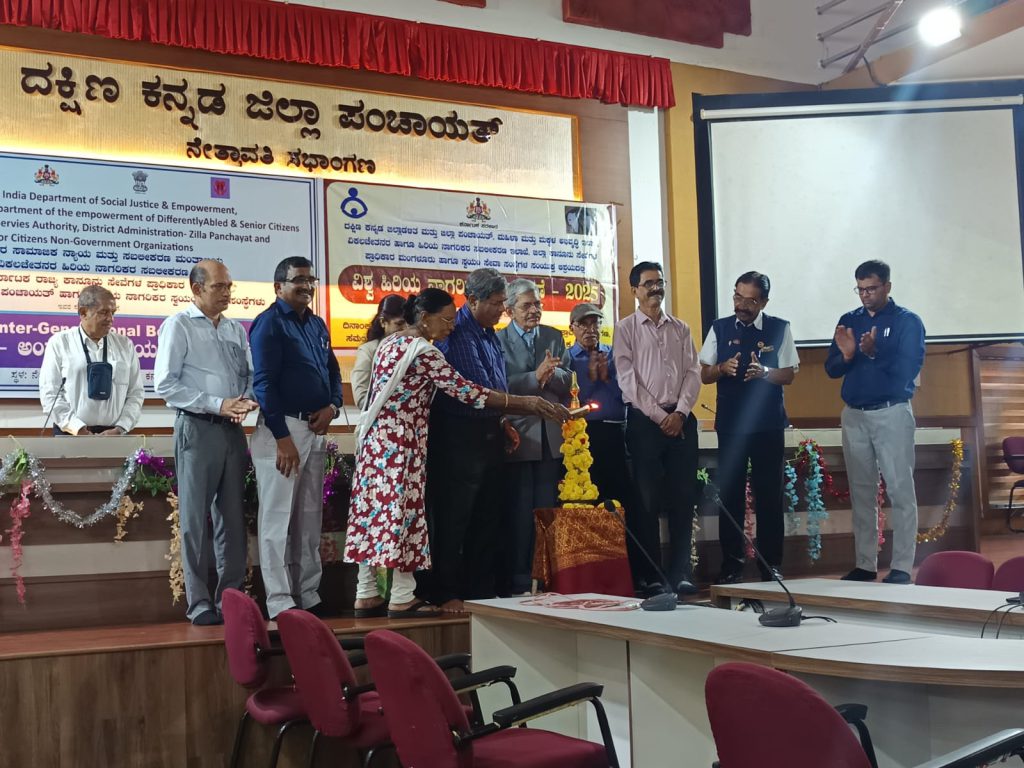
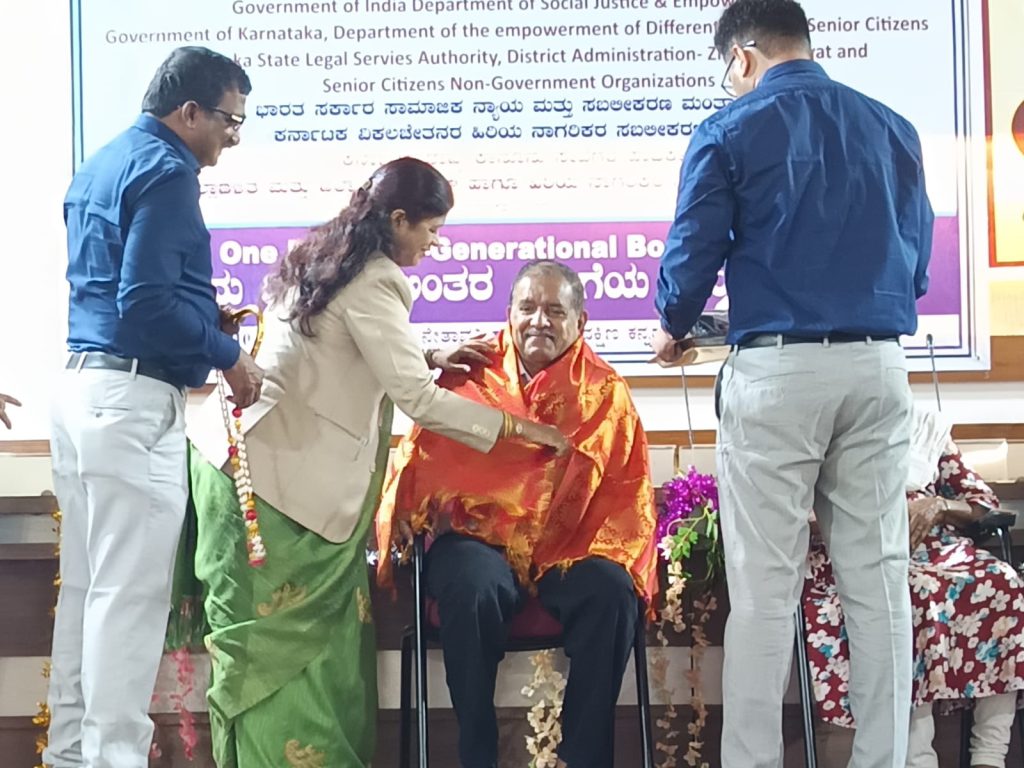
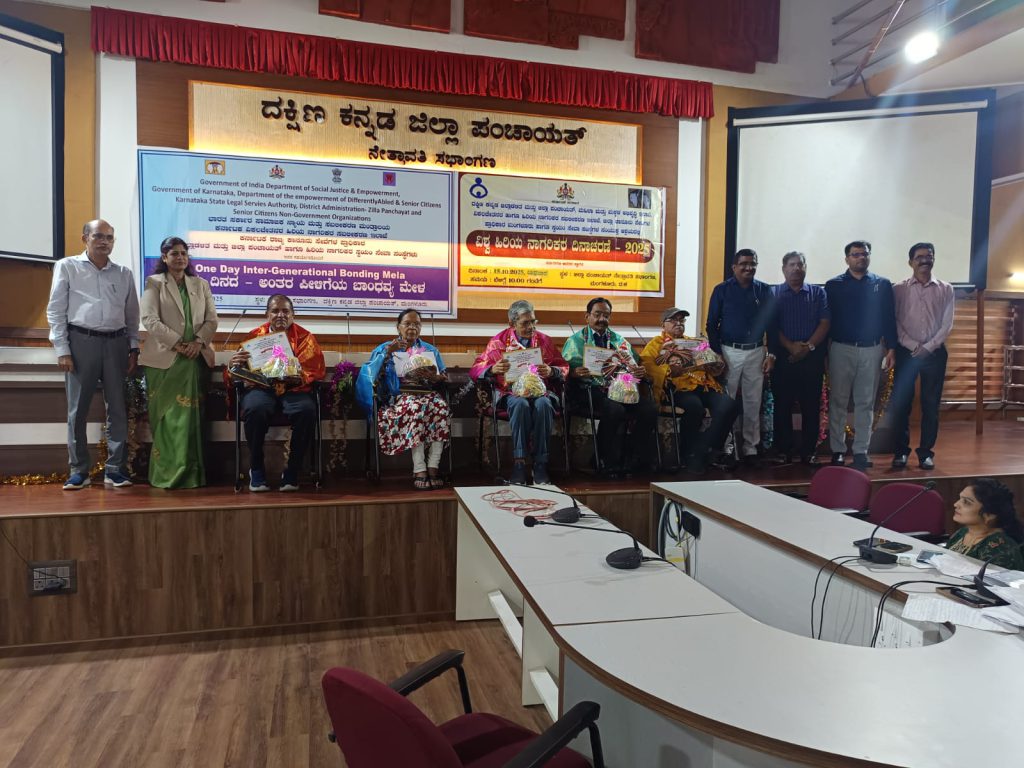
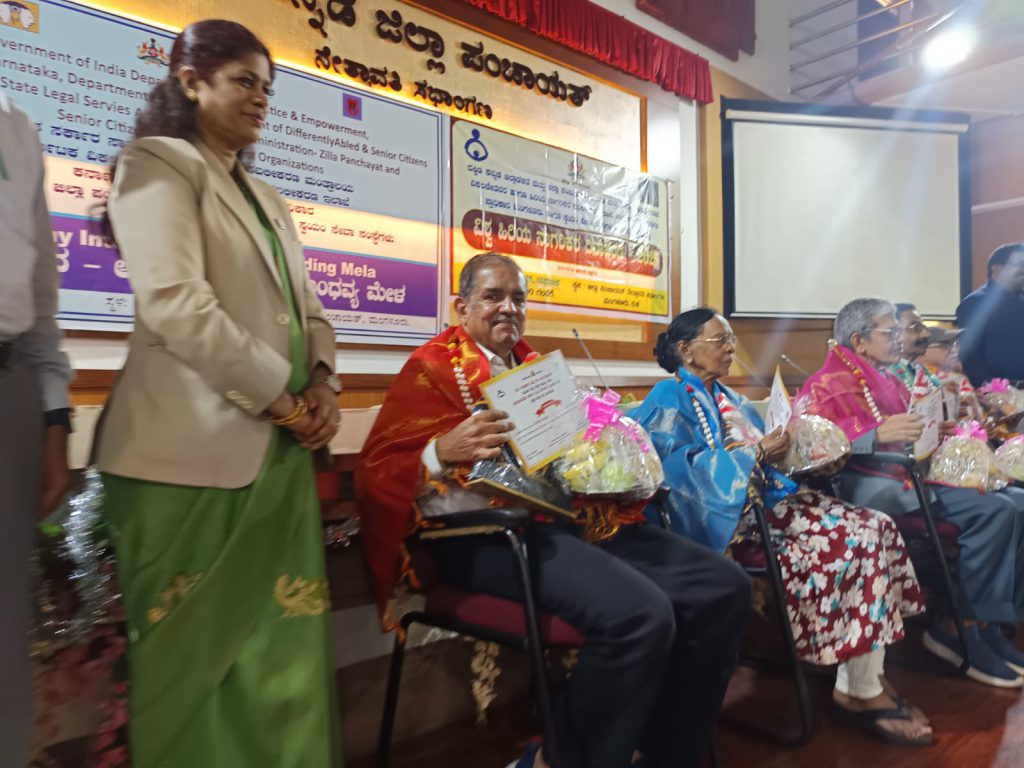
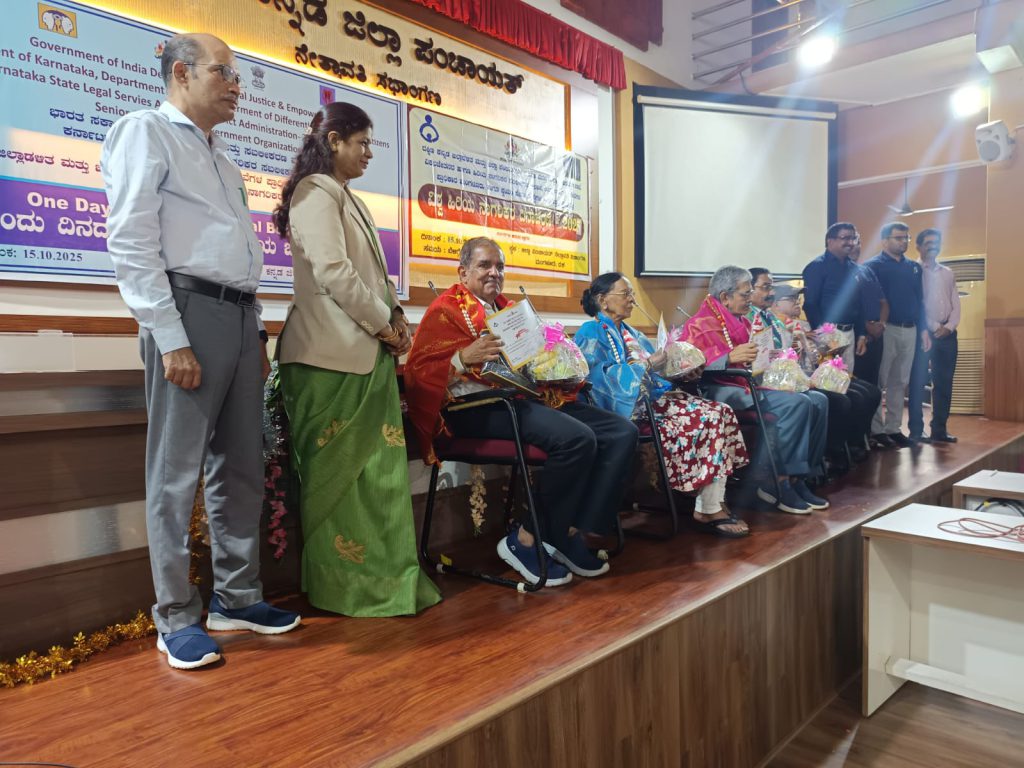
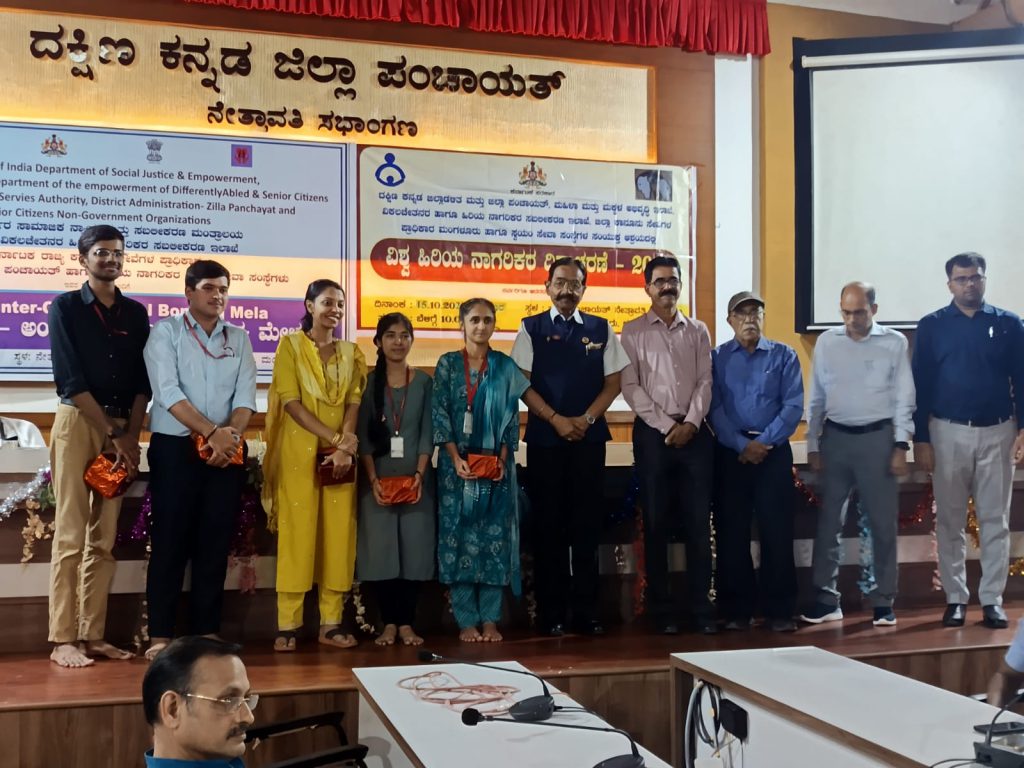
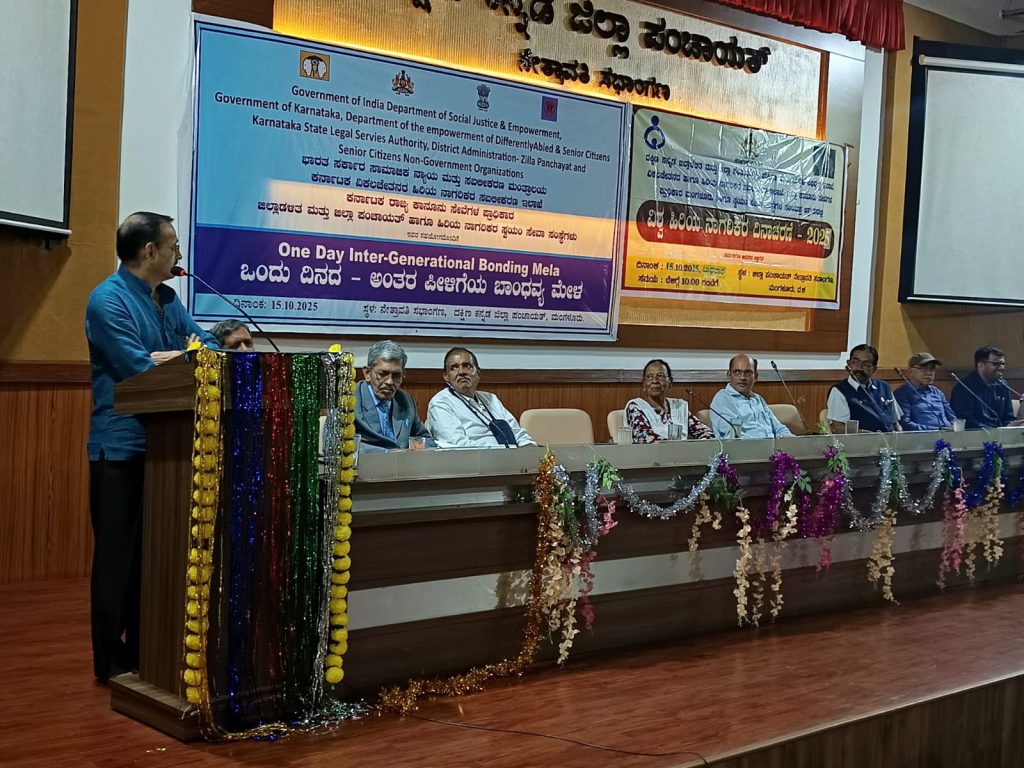
Mangaluru, October 15, 2025: The Netravati Auditorium at Dakshina Kannada Zilla Panchayat, Mangaluru, came alive with energy, reflection, and meaningful dialogue during the One-Day Inter-Generational Bonding Mela (ಒಂದು ದಿನದ ಅಂತರ ಪೀಳಿಗೆಯ ಬಾಂಧವ್ಯ ಮೇಳ). Organized collaboratively by the Government of India’s Department of Social Justice and Empowerment, the Government of Karnataka’s Department for the Empowerment of Differently Abled and Senior Citizens, the Karnataka State Legal Services Authority, the District Administration, the Zilla Panchayat, and numerous Senior Citizens’ NGOs, the event was designed to strengthen bonds between youth and elders, foster mutual respect, and celebrate the values of intergenerational learning and care.
While the day featured several inspiring addresses and award presentations, the highlight of the mela was undoubtedly Dr. P. P. Devan’s transformative talk, which captivated the audience with its unique blend of spirituality, practical wisdom, and preventive health guidance.
Dr. P. P. Devan: Healing Beyond Hospitals
Dr. Devan commenced his speech with a profound invocation of the Divine and an assurance to everyone who hear him stay healthy with support of the natural wealth in the universe. His spiritual voice set the tone for a talk that went far beyond conventional medical advice, aiming to transform hearts, minds, and lifestyles. He declared, “In three minutes, I will transform your lives and make you my ardent fans and friends.” His message was as much about personal empowerment and spiritual awareness as it was about physical well-being.
Despite acknowledging the grandeur of modern medical institutions; 9 medical colleges and 9,000 hospital beds, Dr. Devan observed soberly, “We are a sick society.” The central point of his talk was clear: true health is not measured by the size of hospitals or the number of degrees doctors hold, but by the vitality of the human heart and the quality of daily living. He reminded the audience that emotional and spiritual wellness are inseparable from physical health.
A key element of Dr. Devan’s philosophy was the application of knowledge; knowing to apply. Citing examples, he emphasized that wisdom is meaningful only when practically applied in life, whether through diet, lifestyle, or mindful choices. Knowledge that remains theoretical fails to nourish the body, mind, or spirit. He reminded the audience to practice the grandmother’s wisdom.
Diet and Lifestyle: The Foundation of Preventive Health
Dr. Devan offered detailed guidance on diet and lifestyle, emphasizing balance, moderation, and nature-based nutrition. He suggested healthy practices including prolonged fasting, natural eating habits. Dr. Devan advocated green leafy vegetables, natural foods, and daily consumption of citrus fruits to prevent serious illnesses such as strokes. He underscored the importance of sustaining one’s body through continuous, mindful nourishment.
Dr. Devan also highlighted the modern rise in lifestyle diseases, cautioning that strokes, paralysis, and sudden cardiac events are preventable if natural habits are followed diligently. His advice was practical yet profound: simple daily changes in diet and routine can dramatically reduce the risk of chronic illness.
Sunlight: Nature’s Elixir
One of the most memorable segments of Dr. Devan’s talk focused on sunlight as a natural preventive medicine. He recommended at least 10 minutes, ideally up to half an hour, of direct morning sunlight to boost immunity, provide essential vitamin D, and reduce the risk of cancer. Dr. Devan illustrated that such a simple daily practice could serve as a natural shield against disease, often surpassing the preventive capacity of modern hospitals.
His critique of the modern healthcare system was clear and gentle: hospitals are essential for acute care, but they cannot replace the foundational role of nature, sunlight, diet, and spiritual awareness. He reminded the audience that nature has already provided everything necessary for health, and it is the responsibility of individuals to integrate these gifts into daily life.
Faith, Spirituality, and Holistic Living
Throughout the session, Dr. Devan connected spiritual principles with practical health advice. He emphasized that devotion, mindfulness, and connection to higher principles are not abstract ideals but essential supports for mental and physical well-being. By cultivating awareness, following natural rhythms, and making conscious dietary and lifestyle choices, he asserted that individuals could protect themselves from many diseases, including cancer.
His overarching message was simple yet profound: healing is not in hospitals alone; it resides in the heart, sunlight, nutritious food, and faith. By adopting these principles, every individual has the potential to transform their life and experience vitality, balance, and longevity.
Insights from Other Speakers
While Dr. Devan’s talk formed the heart of the program, other speakers enriched the dialogue and reinforced the mela’s core messages.
Dr. Annayya Kulal, the Chief Guest, emphasized the importance of humanity over mere skill. He noted, “Today we have many Google Doctors full of knowledge. But what society truly needs is a heart that listens to those in need.” Dr. Kulal encouraged the youth to combine technical knowledge with compassion and empathy, fostering a society that values connection and care as much as expertise.
Col. Nitte Sharath Bhandary, one of five awardees, known for his fitness and diligence; reflected on the generational shift between youth today and twenty years ago. He observed, “Distractions are many, and the youth are becoming distanced from elderly faster. The elderly are forced to become youthful out of necessity. Today’s youth should take extra care of the elderly.” Col. Sharath also emphasized engagement, advising participants, “Keep yourself busy, that will make you young. Keep your mind engaged.”
M. S. Kamath, another awardee, spoke on exercise and active living for seniors, encouraging elders to participate in physical activities both at home and through online training. He highlighted that such engagement is crucial for maintaining physical health, mental alertness, and social interaction, reinforcing the importance of holistic care.
Dr. Raguveer, former Dean of KMC, brought a professional medical perspective to elder care, emphasizing that older patients require specialized attention. Diseases in elderly individuals often behave differently than in younger patients, making age-appropriate medical approaches critical. He noted that collaboration and visionary leadership; including pioneering educators, community organizations, and hospital programs, have been instrumental in advancing geriatric care. Specialized courses in geriatric medicine equip healthcare professionals with the knowledge and skills necessary to provide compassionate, comprehensive, and tailored care. Dr. Raguveer’s insights complemented Dr. Devan’s holistic approach, highlighting how both natural and clinical interventions are essential for elderly well-being.
Cultural Programs and Intergenerational Engagement
The mela was not limited to speeches. Storytelling sessions, Speeches by students, Health Check Up, and interactive Laughter Therapy exercises brought intergenerational learning to life. Dr Bhavana M and team from Sharada Yoga and Naturopathy Hospital conducted a laughter therapy session for all elderly based on the concept : “Laugh to live healthy.” The team later also addressed the need of a healthy lifestyle to prevent senile diseases and how yoga and naturopathy helps in bringing a healthy balance in mind, body, social and spiritual aspects
Elders shared experiences of discipline, simplicity, and family bonding, while youth performed skits, dances, and songs illustrating empathy, respect, and collaboration. Laughter Therapy demonstration by Ganapathi encouraged elderly and younger participants to engage in pleasant movement routines, showing practical ways to stay active and socially connected.
Core Themes and Takeaways
Respect for Elders
Youth must listen to, care for, and learn from elders, making respect a way of life.
Holistic Health
Sunlight, diet, exercise, and spiritual awareness are fundamental to preventing illness and maintaining vitality.
Active Engagement
Staying mentally, physically, and socially active benefits both youth and seniors.
Intergenerational Learning
The wisdom of elders complements the energy and creativity of youth, strengthening communities and families.
Balancing Modern Life and Natural Practices
Knowledge and technology are useful, but applied wisdom, compassion, and natural living remain central to well-being.
A Collective Vision for Humanity
The One-Day Inter-Generational Bonding Mela concluded with a shared pledge to uphold intergenerational harmony, empathy, and holistic well-being. Dr. Devan’s transformative insights, coupled with guidance from other speakers, offered a roadmap for living that integrates faith, nature, diet, physical activity, and emotional awareness.
Participants left the auditorium inspired to care for the elderly, adopt healthier lifestyles, and engage meaningfully with both family and community. The mela reinforced that true health, vitality, and social cohesion are built not just through hospitals or education but through love, respect, active living, and mindful attention to the needs of both youth and elders.
By embracing the wisdom of elders, the energy of youth, and the natural principles of diet, exercise, and sunlight, society can build a healthier, happier, and more harmonious future for all generations.
Rajmohan Pillai is a prominent Indian businessman, best known as the Chairman of the Beta Group and, significantly, as the younger son of the legendary entrepreneur M. M. Ramachandran, the founder of the Bombay Stock Exchange-listed giant, Britannia Industries.
ജയേഷ് കഥ പറയുമ്പോൾ എൻ്റെ മനസ്സിൽ തെളിഞ്ഞത് ഫോർമുല 1 കാർ റാലിയുടെ ചിത്രമാണ്…
NV Paulose, Chairman, Global TV +91 98441 82044
പ്രതിസന്ധികൾ പ്രചോദനമാക്കി മാറ്റിയ കർമ്മ ശേഷിയുടെ കഥകൾ.
നിങ്ങൾ ഫോർമുല കാർ റാലി കണ്ടിട്ടുണ്ടെങ്കിൽ നിങ്ങൾക്കിത് എളുപ്പത്തിൽ മനസ്സിലാകും. വിജയിയെ കാത്തുനിൽക്കുന്നവർ ഒരിക്കലും ചിന്തിക്കുന്നുണ്ടാകില്ല അയാൾ പിന്നിട്ട ദുർഘട പാതകളും അയാൾ നേരിട്ട പ്രതിസന്ധികളും.
പക്ഷെ നിങ്ങൾക്കുറപ്പാണ് അയാൾ ഫിനിഷിങ് ലൈനിൽ എത്തുന്നത് നിറ പുഞ്ചിരിയോടെയും ചാരിതാർഥ്യത്തോടെയും ആയിരിക്കുമെന്നത്.
നമ്മൾ എല്ലാവരും പിൻപറ്റുന്നത് പ്രതിസന്ധികളെയും പ്രതിബന്ധങ്ങളെയും മറികടന്ന് മാസ്മരിക വിജയം കരസ്ഥമാക്കിയ ഒരു തലമുറയെയാണ്. നമ്മിൽ ചിലരുടെയെങ്കിലും ഉള്ളിൽ അസാമാന്യ വിജയങ്ങളുടെ തൃഷ്ണകൾ ഒളിഞ്ഞിരിപ്പുമുണ്ട്.
ജയേഷിൻ്റെ മുൻപിൽ തെളിഞ്ഞുനിൽക്കുന്നത് നിറയെ അവസരങ്ങളാണ്. തൊട്ടതെല്ലാം പൊന്നാക്കിയ അനുഭവ പരിചയമാണ്. പരാജയങ്ങളിൽ തളരാത്ത ഊർജ്ജമാണ്. ഒരിക്കലും വറ്റാത്ത നീരുറവ പോലെ ഉള്ളിൽ നിറയെ മധുര തരമായ ഓർമ്മകളാണ്. ഒരു പടി പിന്നോട്ടിറങ്ങിയാൽ രണ്ട് പടി മുന്നോട്ട് കയറുന്ന നിശ്ചയദാർഢ്യം. ഒരു മുഴുസമയ പ്രവർത്തന രീതിയാണ് ജയേഷിൻ്റെത്.
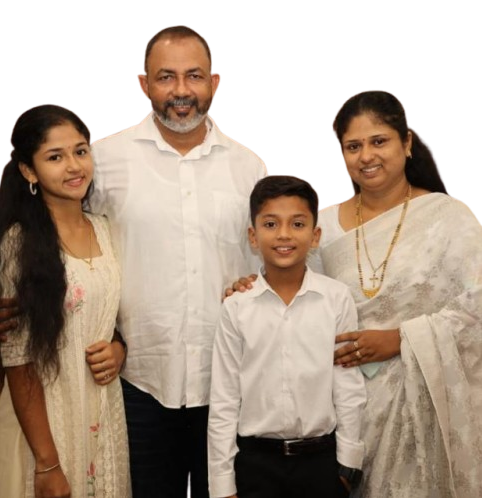
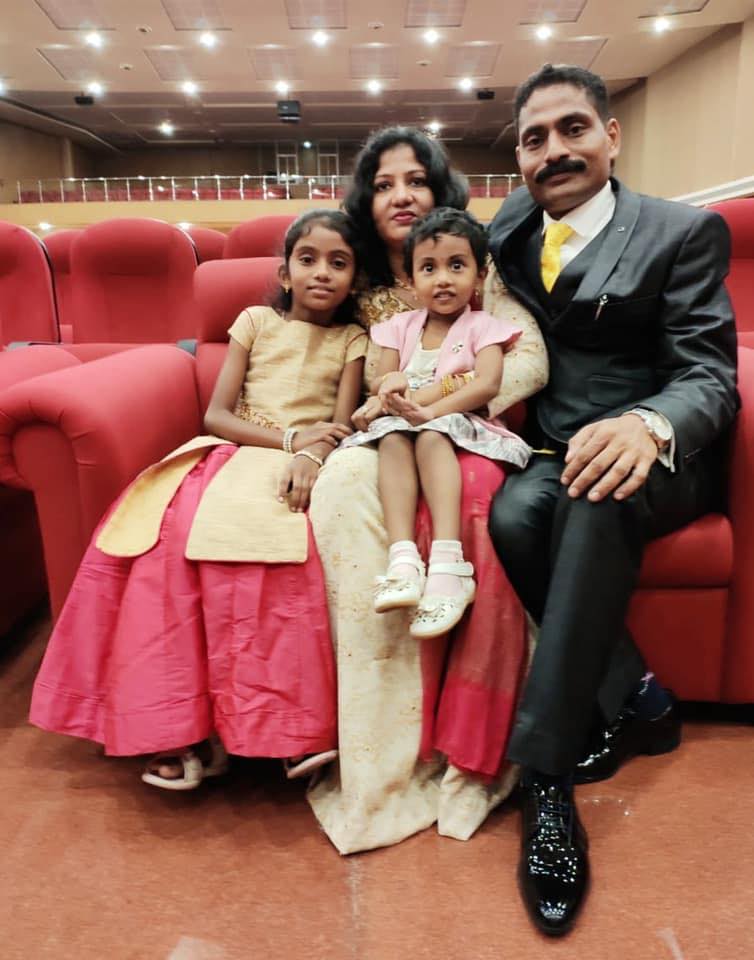
കുടുംബം എപ്പോഴും ഒരു ശക്തികേന്ദ്രമായി ജയേഷിനൊപ്പം നിലകൊള്ളുന്നു. ഉയർച്ചയിലും വീഴ്ചയിലും കൂട്ടായി ഭാര്യ ചിത്ര എപ്പോഴും കൂടെ നിന്നു. ചിത്ര ഫാഷൻ ഡിസൈനറാണ്. മക്കൾ ക്രിസ്റ്റിനയും ഫൗസ്റ്റീനയും. ക്രിസ്റ്റിന പത്താം ക്ലാസ്സിലും ഫൗസ്റ്റീന നാലാം ക്ലാസ്സിലും പഠിക്കുന്നു.
കുടുംബമെന്ന വൻമതിൽ
ജയേഷിന് എല്ലാവരോടും പറയാനുള്ളത് കുടുംബത്തിൻ്റെ ഒത്തൊരുമയുടെ സത്ഫലളെക്കുറിച്ചാണ്. എത്രയേറെ പ്രതിസന്ധികൾ നിങ്ങളുടെ ജീവിതത്തിലുണ്ടായാലും കുടുംബം ഒപ്പമുണ്ടെകിൽ നിങ്ങൾക്ക് അവയെല്ലാം തരണം ചെയ്യാൻ സാധിക്കും. കുക്കറിൻ്റെ സ്റ്റീം വെയ്റ്റ് പോലെയാണ് കുടുംബം നൽകുന്ന സുരക്ഷിതത്വം. കുടുംബത്തിൽ ചിലപ്പോഴൊക്കെ പൊട്ടലും ചീറ്റലുമുണ്ടാകാം പക്ഷെ പൊട്ടിത്തെറി ഉറപ്പായും ഉണ്ടാകില്ല. അത്രമേൽ സുരക്ഷിതമാണ് നിങ്ങൾക്ക് കുടുംബം നൽകുന്ന സംരക്ഷണവും പരിചരണവും.
ചിട്ടയായ ജീവിതരീതിയും ക്രമബദ്ധമായ കർമ്മ പദ്ധതികളും മികച്ച കൂട്ടുകെട്ടുകളും ജയേഷിൻ്റെ പ്രവർത്തന മികവിന് മാറ്റുകൂട്ടുന്നു. ഒരു പുസ്തകം എഴുതാനത്രയും കഥകളുണ്ട് പറയാനായിട്ട്. ആറാം ക്ലാസ്സിൽ പഠിക്കുമ്പോൾ മലബാറിൽ നിന്നും കർണ്ണാടകത്തിൽ എത്തിയ കുടുംബം. വലിയ സൗകര്യങ്ങളിൽ നിന്നും പരിമിതമായ സാഹചര്യങ്ങളിലേക്ക് പറിച്ചു നടപ്പെടുന്ന ഓർമ്മകളിലും നിറഞ്ഞുനിൽക്കുന്നത് എത്തിയിടത്ത് താരമായി മാറിയ ബാല്യകാല സ്മരണകളാണ്.
എം. ബി. എ. പഠനം, ബിസിനസ്, ജോലി
എംബിഎ പഠനം പൂർത്തിയാക്കിയ ഉടനെ ബിസിനസ് ആരംഭിച്ചു. വിജയം ഒന്നൊന്നായി കടന്നുവരാൻ തുടങ്ങി. അങ്ങനെ മുന്നോട്ടു പോയിക്കൊണ്ടിരുന്നപ്പോളാണ് സാമ്പത്തിക മാന്ദ്യത്തിൻ്റെ ഫലമായി ബിസിനസ്സിൽ ഇടിവുണ്ടാകുന്നത്. അപ്രതീക്ഷിതമായ സാഹചര്യങ്ങൾ ജയേഷിനെ പ്രതിരോധത്തിലാക്കി. വിദേശത്ത് പോകുക എന്നതാണ് അന്നേരം മുന്നിൽ തെളിഞ്ഞ ഏക മാർഗ്ഗം.
ഇതിനിടയിലാണ് വീട്ടിൽ അറിയിക്കാതെ ഒരു ധ്യാനത്തിന് പോയത്. അന്ന് ഇന്നത്തെ പോലെ മൊബൈൽ ഫോണുകളുടെ കാലം തുടങ്ങിയിട്ടില്ല. അപ്പോഴാണ് വീട്ടിലേക്ക് ഇൻറർവ്യൂ ലെറ്റർ വരുന്നത്.
ധ്യാനകേന്ദ്രത്തിൽ മൈക്കിലൂടെ പേരുവിളിച്ചത് ഇപ്പോഴും ജയേഷിൻ്റെ മനസ്സിലുണ്ട്. ഉടനെ തന്നെ ചെന്നൈയിൽ എത്തണം. ഷെൽ കമ്പനിയിൽ മുഴുദിവസ ഇൻറർവ്യു ആണ്.
ഏതാനും അവസരങ്ങൾ മാത്രമാണുള്ളത്. നിരവധി പേരാണ് അപേക്ഷകർ. പക്ഷെ നറുക്ക് വീണത് ജയേഷിന്. അപ്പോയിൻറ്മെൻറ് ലെറ്റർ കണ്ട ജയേഷ് ഒന്ന് ഞെട്ടി. വിദേശത്ത് ആഗ്രഹിച്ചതിലും ഇരട്ടിയോളം ശമ്പളവും ആനുകൂല്യങ്ങളും.
ദൈവത്തിൻ്റെ അദൃശ്യ കരങ്ങൾ തന്നെ എപ്പോഴും കരുതുന്നുണ്ടെന്ന് ജയേഷിന് ബോധ്യം വന്ന കാര്യങ്ങളാണ് ജീവിതത്തിലുടനീളം എന്ന് പറയാം. വലിയ സ്വപ്നങ്ങൾ താലോലിക്കാനും നേടിയെടുക്കാനും ഇത് കരുത്ത് പകരുന്നു.
ഉത്തരവാദിത്തങ്ങളിൽ വിശ്വസ്തത | ഒരു മുഴുസമയ പ്രവർത്തന രീതി.
കമ്പനിയുടെ ടാർഗറ്റ് മറികടന്ന് വില്പനയിൽ വലിയൊരു കുതിച്ചുചാട്ടം ഉണ്ടാക്കിയത് ജോലിയുടെ വിവിധ പടവു കൾ താണ്ടുന്നതിൽ തന്നെ സഹായിച്ചത് ജയേഷ് ഓർക്കുന്നത് അഭിമാനത്തോടെയാണ്.
രാത്രിയും പകലുമില്ലാതെ തന്റെ ജോലിയോട് പുലർത്തിയ ആത്മാർത്ഥത തൻ്റെ വ്യക്തിത്വം രൂപീകരിക്കുന്നതിൽ സഹായകമായി എന്ന് ജയേ ഷ് സാക്ഷ്യപ്പെടുത്തുന്നു.
ഒരുമിച്ച് വളരുക എന്ന മോഡൽ
കമ്പനി വളരുന്നതിനൊപ്പം ജയേഷും വളർന്നു. അദ്ദേ ഹത്തിൻ്റെ സ്വപ്നങ്ങൾ അതിലും വളർന്നു. ജോലി യോടൊപ്പം ബിസിനസ്സിലും തുടക്കം കുറിച്ചു.
പലമേഖലകളിലും മുതൽ മുടക്കി. ആളുകളെ വച്ച് ജോലി ചെയ്യിക്കുന്നതിൻ്റെ ബുദ്ധിമുട്ടുകളും പലപ്പോഴും അനുഭവിച്ചു. എപ്പോഴും ചിട്ടയായ ജീവിത രീതികൾ പിന്തുടർന്നു. ചിലപ്പോൾ പരാജയങ്ങൾ രുചിക്കേണ്ടിവന്നു. അപ്പോഴും പ്രതീക്ഷകൾ മനസ്സിൽ നിറഞ്ഞു നിന്നു. കുടുംബം എപ്പോഴും ഒരു വൻമതിൽ പോലെ കൂടെ നിന്നു.
ഉയരങ്ങൾ കീഴടക്കാനുള്ള അഭിവാഞ്ജ
ജയേഷിന് മനസ്സു നിറയെ സ്വപ്നങ്ങൾ ആണ്. ഉയരങ്ങൾ കീഴടക്കാനുള്ള അദമ്യമായ ആഗ്രഹം എത്രയേറെ അദ്ധ്വാനിക്കാനുമുള്ള കരുത്ത് നൽകുന്നു. കാലത്തിന് മുൻപേ പറന്ന് മറ്റുള്ളവർക്ക് മതൃകയാകുന്ന നിരവധി പദ്ധതികളുടെ പണിപ്പുരയിലാണ് ജയേഷ് ഏർപ്പെട്ടിക്കിരിക്കുന്നത്.
ടൂറിസം രംഗത്തെ വൻ സാധ്യതകൾ കേരളവും കർണ്ണാടകവും നേട്ടങ്ങളാക്കി മാറ്റുന്ന നിരവധി പദ്ധതികൾക്ക് രൂപകല്പന ചെയ്യുകയാണ് ജയേഷിപ്പോൾ. ഗോവയുടെയും കേരളത്തിൻ്റെയും ഇടയിൽ അന്തരാഷ്ട്ര ടൂറിസം മാപ്പിൽ പ്രധാന സ്ഥാനം അലങ്കരിക്കാൻ കഴിയുന്ന ഏറെ ആകർഷണീയമായ നിരവധി സ്ഥലങ്ങളാണുള്ളത്.
മാനസ വാട്ടർ തീം പാർക്ക് | മംഗലാപുരത്തിന് പുതിയ മുഖം…
അപ്രതീക്ഷിതമായാണ് പിലിക്കുളയിലെ മാനസ വാട്ടർ തീം പാർക്കിൻ്റെ ചുമതല ജയേഷ് ഏറ്റെടുക്കുന്നത്.
അഹല്യാമോക്ഷം പോലെ ഇത് മൊത്തത്തിൽ വലിയൊരു അനുഗ്രഹമായി മാറി. ഉണങ്ങി വരണ്ട വാട്ടർ തീം പാർക്ക് ഇന്ന് ആയിരങ്ങളെ ആകർഷിക്കുന്ന ഒരു ടൂറിസം സിരാകേന്ദ്രമായി മാറുമ്പോൾ ജയേഷിൻ്റെ മനസ്സിൽ വലിയ സ്വപ്നങ്ങൾ ഓടിക്കൊണ്ടിരിക്കുകയാണ്.
മംഗലാപുരത്തിൻ്റെ ടൂറിസം സാദ്ധ്യതകൾ മുതലാക്കു ന്നതിൽ ഏറെ വേഗത്തിൽ പദ്ധതികൾ തയ്യാറാക്കുകയാണ് ജയേഷ്. വിവിധ പദ്ധതികളിലൂടെയും പരിപാടി കളിലൂടെയും മംഗലാപുരത്തിൻ്റെ മുഖഛായ മാറ്റുന്നതിൽ ടൂറിസത്തിനുള്ള സാദ്ധ്യതകൾ ഏറെയാണ്.
നിക്ഷേപ അവസരങ്ങൾ നിരവധി | ടൂറിസം മേഖല അതിവേഗം മുന്നോട്ട്…
ഒത്തെരുമയോടെ പ്രവർത്തിച്ച് ഒത്തിരിപ്പേർക്ക് നേട്ടമുണ്ടാക്കി കൊടുക്കുന്ന ഒരു സഘടിത പ്രവർത്തന രീതിയാണ് ജയേഷിൻ്റെത്. കേരളത്തിൽ റാണിപുരത്ത് പതിനെട്ട് ഏക്കറിൽ ഒരു വിനോദ സഞ്ചാര വിസ്മയം തയ്യാറാക്കുന്ന പ്രവർത്തനം ഇതിനകം ആരഭിച്ചുകഴിഞ്ഞു.
ധാരാളം പേർക്ക് തൊഴിലവസരങ്ങൾ സൃഷ്ടിക്കാൻ കഴിയുന്ന ഹിൽസ്റ്റേഷനുകളും തീരദേശ വിസ്മയങ്ങളും വെസ്റ്റേൺ ഗാട്ട് ഗ്രീൻ ടൂറിസവുമെല്ലാം ജയേഷിനെപ്പോ ലുള്ളവരുടെ മിഡാസ് ടച്ചിന് വേണ്ടി കാത്തിരിക്കുന്നത് പോലെ തോന്നുന്നതിൽ ഒട്ടും അത്ഭുതപ്പെടേണ്ടതില്ല.
കാലത്തിന് മുൻപേ ചിന്തിക്കുന്നതിനും ആഗ്രഹിക്കുന്നവ നടപ്പാക്കുന്നതിനും നമുക്ക് വേണ്ടത് ഒത്തൊരുമിച്ചുള്ള നിരവധി പദ്ധതികളാണ്. ഗ്ലോബൽ ടൂറിസം മാപ്പിൽ നമ്മുടെ നാട് വലിയ ചലനങ്ങൾ സൃഷ്ടിക്കും!
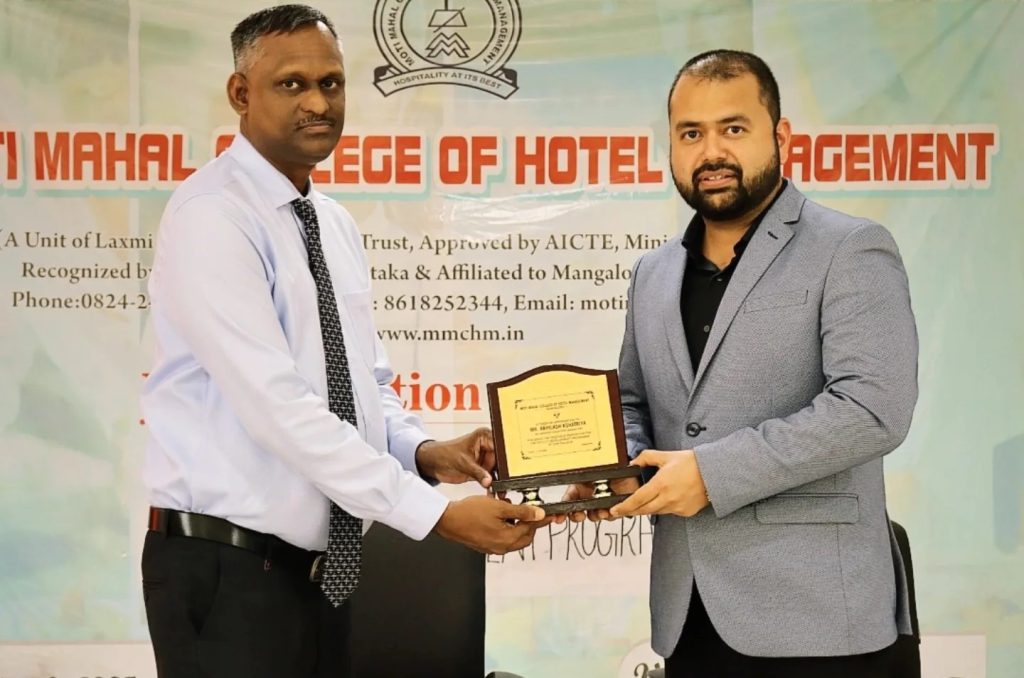
The Architect of Achievement: Blueprinting a Life of Purpose and Discipline with Abhilash Kshatriya
NV Paulose, Chairman, Global TV +91 98441 82044
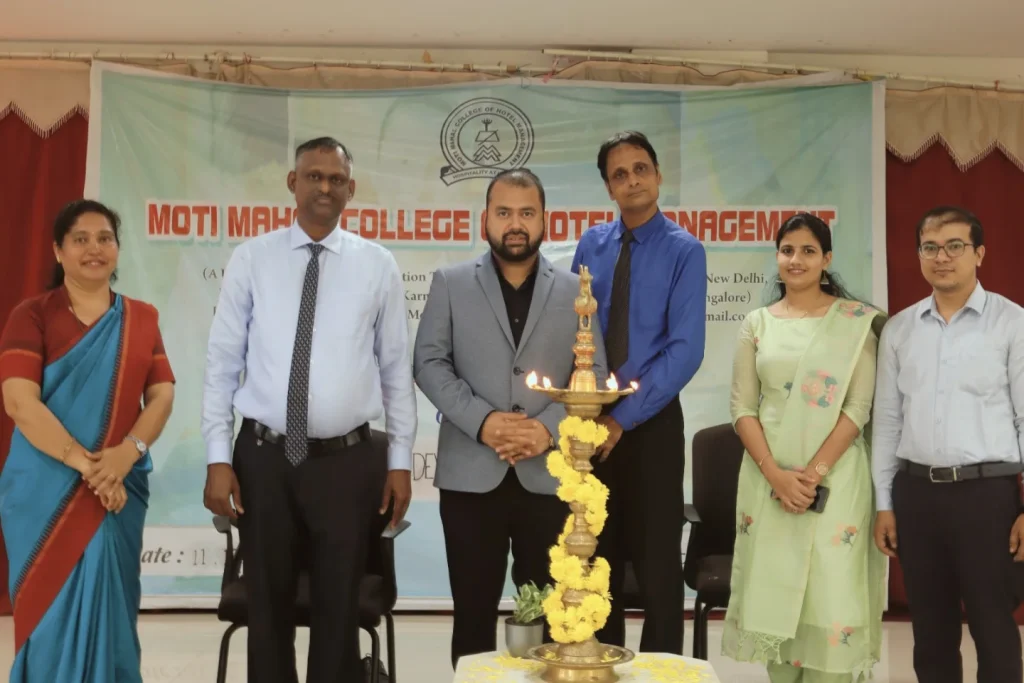
Faculty Development Program (FDP) at Moti Mahal College of Hotel Management moved beyond conventional pedagogy to address the very architecture of success and personal effectiveness. The session was transformed by the dynamic presence of Abhilash Kshatriya, a distinguished Motivational Speaker and a Passionate “Life Engineer.” He took a full day marathon drive keeping the participants fully engaged in the process of transformation. Time went flying. Teachers enjoyed the art of learning and the technique to take things better with lighter efforts.
For those wondering what a “Life Engineer” does, Abhilash Kshatriya’s attitude provides the answer. He approaches human potential with the precision of a master architect. He diagnoses flaws in our mental frameworks, designs robust systems for habit formation, and constructs pleasant mindsets for weathering any storm. His core mission is to help individuals to “Unleash the Leader Within.”
Abhilash Kshatriya is a compelling speaker and a motivator. He is a Certified International Trainer & Coach, Author, and the Managing Director of Abhijnya Education Private Limited, He brings a formidable credibility to his message. His journey is one of sheer perseverance against challenges in developing systems and structure in human behavioural engineering.
“The TEN” (Transform Every Next), one among the many ideas promoted by him gained quick recognition. The ideas were accepted being practical and easy to do.
He infuses concepts with profound authenticity. When he speaks of the “1-Second Principle,” it is not merely a theory but a practice he lives by, starting his own day at 4:00 AM. His entire philosophy is driven by a single, powerful mission: to help people realize their true potential. This transforms his session from a simple lecture into a sharing of a proven lived experience. He gives a blueprint forged in the challenges of real-world entrepreneurship and dedicated self-mastery.
Mr. Abhilash is not an abstract theorist. He is a practitioner of high-performance living. His ideas, tenets and principles are emerged as concepts and revolutionary tools. He challenges the audience to reclaim the sovereignty of time, insisting that we must understand and honour the true weight of a second, a minute, and an hour, when we use these in our daily lives. This is the block of all discipline.
Dressed impeccably and radiating a calibrated energy, Abhilash inspired the room with relatable truths. He seamlessly connected the universal habit of mindless Instagram scrolling to our life of procrastination and lack of intentionality. His powerful calls to “reject aptly with a smile” and to ensure that our “thoughts match our words, and our words match our actions” were delivered with a conviction born of proven results.
Alongside practical time management, AK also encouraged a transformative habit for the mind. He suggested that participants consciously focus their thoughts on their positive memories and most powerful dreams. The key, he noted, is to nurture these thoughts little by little, allowing them to grow from a small seed into a driving force that shapes our actions and our future.
His message was a cohesive blend of ancient wisdom and modern methodology, perfectly encapsulated in his simple yet profound T.E.A. formula (Technology, Elevators, Apply). Abhilash Kshatriya had provided the blueprints for anyone to begin engineering a more purposeful, satisfied, and successful life.
• Give and Take | The Surprising Secret to a Richer Life | Three Truths About Generosity We Often Forget | The G50 Generosity Challenge | The Law of Giving
NV Paulose, Chairman, Global TV +91 98441 82044
We see people who ask and take to achieve more. We take wherever possible and whatever possible. We bargain when it comes to giving. It is when we learn the true wealth is in giving that we achieve the mind to gain giving over our tendency to save. The deepest rewards in life in the forms of wealth, trust, respect, joy and connections come not out from any of our capabilities, but from our mind to give in entirety.
It is not about giving alms and offering. It is about everything including our smiles and gestures to strangers or to the people who we feel the least. Not just a gesture of giving. Not reluctant donations or calculated exchanges. But the kind of generosity that transforms both the giver and receiver. This is the secret beautifully captured by Rabindranath Tagore in Gitanjali 50 as a great lesson in the art of giving.
The Poem That Holds the Secret In Gitanjali 50, a beggar goes door to door asking for alms. Then a golden chariot appears and the Divine arrives. The beggar expects to receive riches, but instead, the King of Kings looks at him and asks:
“What can you offer me?” The beggar is confused. He slowly takes out the smallest grain of corn from his bag and offers it.
At the end of the day, when he empties his bag, he finds a tiny grain of gold in the pile.
He weeps, not because he gave too much, but because he realizes he should have given everything.
The Three Laws of Generosity
Give Your Best, Not Your Leftovers The beggar gave one small grain. It was something, but it wasn’t his all. How often do we give only what’s convenient? Our leftover time, leftover attention, leftover kindness? True generosity begins when you offer what matters, your presence, your empathy, your best self. Practice: Next time you give, whether it’s time, help, or appreciation, ask yourself: Am I giving from my “grain” or from my heart?
Reward the Most, Especially When It’s Least Expected The Divine didn’t just take the grain. He turned it into gold. That’s the second lesson: be the one who recognizes and multiplies the good in others. Most people are quick to take, slow to appreciate. Be different. Notice effort. Acknowledge kindness. Return grace with grace. Practice: Make it a habit to silently thank or acknowledge one person each time who did something good, whether for you or for others.
Your Receiving Is a Reflection of Your Giving The poem doesn’t end with the gold. It ends with the beggar’s regret: “I wished I had given my all.” What you receive in life, in relationships, at work, in inner peace is deeply tied to what you’re willing to give. If you feel unseen, ask: Do I see others? If you feel unappreciated, ask: Do I appreciate others? Build the habits of abundance in life. Reflection: Write down three things you wish you received more of. Now ask: How can I offer those very things to others first?
What If My Ego Resists? It’s natural. The ego says: “Why should I give first?” “What if they don’t return the favour?” “I don’t have enough to give.” But generosity is not a transaction. It’s a transformation. You’re not giving to get; you’re giving to grow. And in that growth, you receive. Give one genuine compliment daily. Help someone without mentioning it to anyone. Thank people sincerely, with eye contact and presence. Give everything possible as your heart says; learn the art of giving, little by little. Watch what happens; not only around you, but within you.
Generosity is an action of your identity. Start small. But start with your whole heart. You never know; your grain of corn may be someone else’s gold. And theirs may be yours.
Let’s recall the poem (Translation by Tagore himself):
I had gone a-begging from door to door in the village path, when thy golden chariot appeared in the distance, like a gorgeous dream and I wondered who was this King of all kings!
My hopes rose high and methought my evil days were at an end, and I stood waiting for alms to be given unasked and for wealth scattered on all sides in the dust.
The chariot stopped where I stood. Thy glance fell on me and thou camest down with a smile. I felt that the luck of my life had come at last. Then of a sudden thou didst hold out thy right hand and say, ‘What hast thou to give to me?’
Ah, what a kingly jest was it to open thy palm to a beggar to beg! I was confused and stood undecided, and then from my wallet I slowly took out the least little grain of corn and gave it to thee.
But how great my surprise when at the day’s end I emptied my bag on the floor to find a least little grain of gold among the poor heap! I bitterly wept and wished that I had had the heart to give thee my all.