Mangaluru Biker Sharath Shiri Returns Home After Epic Arabian Odyssey
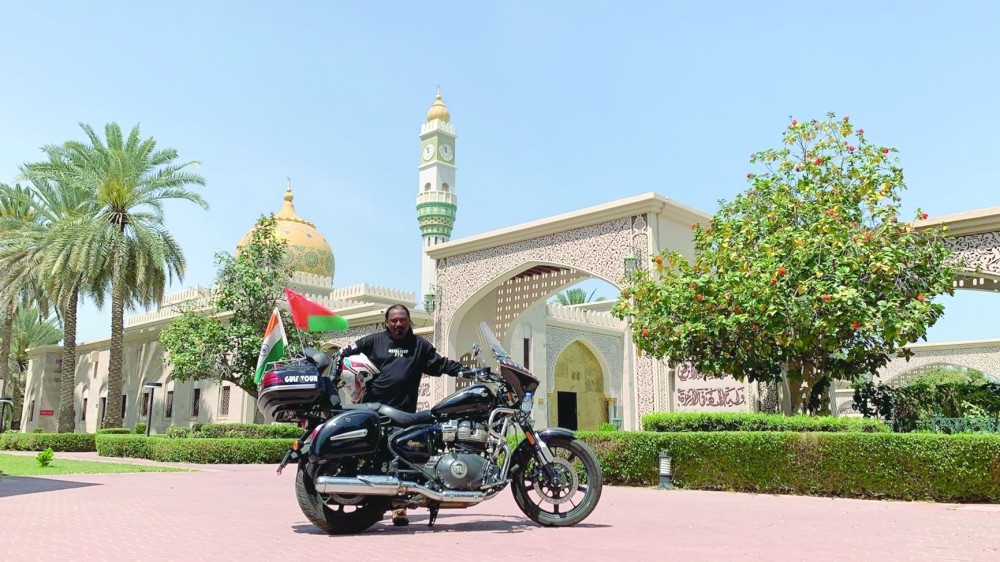
Mangaluru, June 17, 2024 The roar of a Royal Enfield Super Meteor 650 marked the end of an extraordinary journey as Sharath Shiri, a 55-year-old biking enthusiast from Mangaluru, returned home today. After an adventurous expedition through eight Arabian countries, Sharath’s triumphant homecoming was celebrated by a throng of friends, family, and fellow biking aficionados who gathered to welcome the local hero back.
Sharath’s journey, which began from his hometown on February 11, 2024, was a testament to his enduring passion for biking and a mission to promote friendship and cultural understanding. The route took him through Dubai, Muscat, Yemen, Saudi Arabia, Bahrain, Kuwait, Qatar, and back to Dubai, covering thousands of kilometers over the past several months.
A Dream Fulfilled For Sharath, this trip was the culmination of years of dreaming and meticulous planning. “Traveling across international borders on my bike has been a long-held dream,” Sharath shared. “The preparation took almost a year, and despite the challenges, the experience has been profoundly rewarding.”
The journey was not just about the miles covered but also the messages carried. Sharath’s bike, adorned with the Indian and Tulunadu flags, symbolized his mission to popularize the Tulu language and promote cultural ties.
Challenges on the Road Sharath’s adventure was fraught with logistical and physical challenges. Initially, his plan to travel through Pakistan was thwarted due to visa issues, necessitating a detour to Mumbai where his bike was shipped to Dubai. From there, he resumed his journey, navigating diverse terrains and climates.
One significant challenge was finding food during the Ramzan season, as many restaurants were closed during the day. Sharath tackled this with resilience, prepared to take on whatever the journey threw at him. “Traveling teaches you to adapt and overcome,” he remarked.
Spreading a Message Throughout his travels, Sharath remained committed to his cause of spreading messages of friendship and camaraderie. In each country, he connected with locals, shared stories, and stayed with friends or relatives, embodying the spirit of international brotherhood.
Sharath, who is also a campaigner against drug use in Karnataka, utilized his journey to spread awareness. “Say No to Drugs” was a message he carried along with his flags, emphasizing the importance of a healthy, adventurous lifestyle.
Homecoming and Future Plans Returning to Mangaluru, Sharath was met with a hero’s welcome. The streets were lined with supporters cheering as he rode back into the city. For Sharath, this journey is a chapter in a larger book of adventures. “Next, I aim to conquer Europe, the UK, and the US on my bike,” he revealed, eyes gleaming with excitement for future expeditions.
Sharath’s message to the youth remains clear and inspiring: “Travel can teach plenty of lessons and transform you. When you travel alone, you gain wisdom and insight that you wouldn’t otherwise.”
A Local Hero Sharath Shiri’s journey is an inspiration on the power of dreams, perseverance, and the unifying spirit of adventure. His return to Mangaluru is not just the end of a journey but the beginning of many more to come, inspiring countless others to pursue their passions, explore the world, and build bridges across cultures.
As Sharath settles back into life in Mangaluru, his stories of the Arabian deserts, bustling markets, and the warmth of strangers will continue to resonate, reminding everyone that no dream is too big and no journey too long.
Connecting to Our Roots: The Power of Rediscovering Our Origins
In today’s fast-paced and globalized world, it’s easy to lose touch with our roots. However, reconnecting with our native places and sharing our success stories with those from our homeland can be profoundly enriching, both for individuals and communities. This concept, inspired by the historical census during the birth of Jesus, is more relevant than ever as we strive to build a sense of belonging and community in our modern lives.
Historical Context: The Census and the Journey to Bethlehem
The story of Jesus’ birth, as detailed in the Gospel of Luke, revolves around a journey driven by a Roman census. Caesar Augustus decreed that everyone should return to their ancestral towns for registration. This decree led Mary and Joseph to Bethlehem, reconnecting them with their ancestral roots. This journey not only fulfilled a prophecy but also underscored the importance of knowing and connecting with one’s origins.
The Importance of Connecting with Our Origins
Reconnecting with our native places offers several profound benefits:
Cultural Identity: Understanding our roots helps us appreciate our cultural heritage and the traditions that shape who we are.
Community Strength: Sharing success stories with our hometown communities can inspire and uplift others, fostering a sense of pride and unity.
Historical Continuity: Maintaining a connection with our origins preserves historical continuity, ensuring that the stories and experiences of previous generations are not lost.
Global TV: Broadcasting Success Stories
Global TV is launching a new initiative to help individuals reconnect with their roots by sharing their success stories. Each episode will feature personal narratives from people who have achieved significant success and are now giving back to their native communities. These stories serve as powerful reminders of the potential within every community and the importance of staying connected to our origins.
Publishing Success Stories
In addition to the TV series, we are publishing several books that compile the success stories of individuals from various places. These books aim to document and celebrate the diverse achievements of people who have risen from different backgrounds, providing a source of inspiration for readers worldwide.
Encouraging Participation
We invite everyone to participate in this initiative by sharing their own success stories. Here are a few ways to get involved:
Share Your Story: Reach out to Global TV with your story of success and how you are giving back to your native place. Your journey can inspire many others.
Engage with Your Community: Visit your hometown and engage with the local community. Share your experiences, mentor young people, and support local initiatives.
Contribute to Our Publications: Submit your story for inclusion in our upcoming books. Your experiences can become part of a lasting legacy that motivates future generations.
Spread the Word: Encourage others to reconnect with their origins and share their stories. Use social media and other platforms to amplify this message.
The journey to Bethlehem for the census, which led to the birth of Jesus, highlights the timeless value of reconnecting with our origins. Today, this concept is brought to life through Global TV’s new series and our book publications, both dedicated to celebrating and sharing success stories from around the world. By participating in this initiative, you can help foster a deeper connection to our native places, inspire others, and contribute to a stronger, more united global community.
Reconnect with your roots. Share your success. Inspire your community.
The National Green Tribunal’s Efforts to Protect Our Rivers and Nature are a great source of happiness. Justice prevails even when all the forces are on the other side | Global TV
The National Green Tribunal (NGT) of India stands as a force of action and reaction against deliberate attempts of environmental degradation that threatens the very fabric of our ecosystems. Established in 2010, the NGT has been watchful in addressing and mitigating environmental issues, particularly in the realm of river and nature conservation. Its deliberate and impactful steps towards safeguarding our natural heritage deserve commendation and widespread recognition.
HON’BLE MR. JUSTICE PRAKASH SHRIVASTAVA, Chairperson, NGT
The significance of the NGT’s work needs far more applause and appreciation. Our rivers, the lifelines of civilization, have been under relentless assault from illegal encroachments, pollution, and industrial waste dumping. Among these threats, the encroachment of riverbanks by real estate interests has emerged as a particularly insidious challenge. The Tribunal has risen to this challenge with a series of proactive measures aimed at restoring and preserving these vital water bodies.
Justice S K SinghJustice Sudhir AgarwalJustice B.Amit.SthalekarJustice Arun Kumar TyagiJustice Dinesh Kumar SinghJustice Pushpa SathyanarayanaJudicial Members
One of the most pressing issues addressed by the NGT is the illegal construction along riverbanks, often in blatant violation of Coastal Regulation Zone (CRZ) regulations. These unauthorized developments, frequently facilitated by collusion between real estate mafias and corrupt officials, have led to the destruction of fragile river ecosystems. The construction of roads and buildings near rivers disrupts natural water flow, exacerbates erosion, and leads to severe ecological imbalances.
Dr. Arun Kumar VermaDr. Satyagopal KorlapatiDr. Vijay KulkarniDr. A Senthil VelDr. Afroz AhmadExpert Members
The NGT has taken a firm stand against such violations. By ordering the demolition of illegal structures and imposing hefty fines on violators, the Tribunal has sent a clear message that environmental laws cannot be flouted with impunity. Its interventions have not only halted ongoing illegal activities but have also served as a deterrent against future encroachments. These actions are crucial in ensuring that our rivers remain clean and healthy, serving both ecological and human needs.
The NGT’s role in protecting the rivers is exemplary. By halting unauthorized constructions and promoting sustainable development practices, the Tribunal has not only preserved the ecological integrity of these areas but also enhanced their resilience to climate change impacts. The preservation of floodplains is vital for maintaining natural habitats, mitigating flood risks, and ensuring the overall health of river ecosystems.
Beyond the issue of encroachments, the NGT has been instrumental in conserving forests, wetlands, and other critical ecosystems. Its landmark judgments on forest conservation, including the preservation of the Aravalli and Western Ghats, highlight its comprehensive approach to environmental protection. The Tribunal’s insistence on Environmental Impact Assessments (EIAs) and adherence to the precautionary principle underscores its commitment to sustainable development.
The NGT’s achievements extend to raising public awareness and involving local communities in environmental stewardship. By fostering a sense of collective responsibility, it has empowered citizens to participate actively in the preservation of their natural surroundings. This participatory approach not only ensures better compliance with environmental laws but also instills a deeper appreciation for nature among the populace. It is imperative that we support the NGT in its endeavors by ensuring adequate resources, robust legal frameworks, and unwavering political will.
The Dark Side of Urban Development: A Case Against Smart Cities
While the NGT’s efforts are laudable, the development of smart cities presents new challenges. Nature is often sacrificed on the altar of progress. Rivers are destroyed, rules are violated, and systems are bypassed. What are we achieving by compromising the lifeblood of our cities? Judicial oversight is crucial to curb violations in the name of development in smart cities.
The integrity of water bodies is as crucial as national integrity. Article 51 A(g) of the Indian Constitution states that it is the duty of every citizen to protect and improve the natural environment, including lakes and rivers. Judges, as citizens, are responding to their obligation to discharge this fundamental duty while adjudicating environmental cases.
The Ultimate Sufferers of Environmental Violations
Violations of environmental laws may provide temporary benefits, but they are ultimately recorded and exposed in the future. By the time the consequences are realized, those who committed the infractions may have disappeared. The demolition of four apartments in Kerala, ordered by the Supreme Court for violating CRZ regulations, serves as a stark reminder. Residents were asked to vacate their homes overnight, illustrating the severe repercussions of flouting environmental laws. Attempts to delay action against such violations often only exacerbate the damage and increase the eventual costs.
The National Green Tribunal’s unwavering commitment to environmental justice is a testament to its crucial role in safeguarding our natural heritage. Its deliberate and decisive actions have yielded tangible benefits, protecting our rivers and nature for future generations. We rally behind the NGT, appreciating its efforts and reinforcing our collective resolve to protect and cherish our planet. The need for vigilant and robust environmental governance has never been greater. As responsible citizens, we must support and strengthen this vital institution, recognizing that the health of our environment is inextricably linked to the well-being of our society.
Unlocking the Secrets of Anti-Aging: The Power of Fisetin and Senolytics
Dr PP Devan +91 92433 01213
Aging is a natural process that everyone experiences, yet the quest to slow it down and even reverse its effects has been a persistent pursuit throughout human history. Recent advancements in the field of anti-aging research have shone a spotlight on a promising area known as senolytics, with a particular focus on a molecule called Fisetin. We should explore the science behind senolytics, the role of Fisetin, and practical insights into how these discoveries can potentially revolutionize the way we approach aging.
Senolytics is a groundbreaking area of research dedicated to understanding and targeting senescent cells; cells that have stopped dividing and accumulate over time, contributing to the aging process and various age-related diseases. These cells release inflammatory signals that can harm surrounding healthy tissues. Scientists believe that by selectively removing these senescent cells, it is possible to improve health span and combat the negative effects of aging. This is where Fisetin comes into play.
Fisetin is a natural flavonoid found predominantly in strawberries and, to a lesser extent, in other fruits and vegetables. What sets Fisetin apart is its potent senolytic properties, which have been shown to induce the death of senescent cells while sparing healthy ones. Research conducted by leading institutions, including Harvard University, has demonstrated that Fisetin not only helps to clear out these harmful cells but also has the potential to improve cognitive function, reduce inflammation, and enhance overall longevity.
Incorporating Fisetin into one’s diet could be a straightforward yet powerful strategy for promoting healthy aging. While strawberries are the richest source of Fisetin, it is also present in apples, persimmons, onions, and cucumbers. Regular consumption of these foods might provide enough Fisetin to yield noticeable benefits. For those looking for a more concentrated dose, Fisetin supplements are available, though it is always advisable to consult with a healthcare provider before starting any new supplement regimen.
Beyond its senolytic action, Fisetin boasts a range of other health benefits. It possesses strong antioxidant properties, which help to neutralize harmful free radicals in the body. This dual action of removing senescent cells and combating oxidative stress positions Fisetin as a powerful ally in the fight against aging. Moreover, studies have indicated that Fisetin can support brain health by enhancing memory and learning, making it a versatile addition to any health-conscious individual’s routine.
The field of anti-aging research is continuously evolving, with new discoveries and breakthroughs emerging regularly. The promising results seen with Fisetin highlight the potential of natural compounds in extending health span and improving quality of life. As research progresses, it is likely that more senolytic agents will be identified, offering a broader array of tools to combat the aging process.
Fisetin and the science of senolytics represent a significant advancement in our understanding of aging and how to address it. By targeting and eliminating senescent cells, Fisetin provides a novel approach to promoting longevity and enhancing overall health. Whether through diet or supplementation, incorporating Fisetin into one’s lifestyle may be a practical and effective strategy to harness the benefits of this remarkable molecule. As we continue to unlock the secrets of anti-aging, the potential for a healthier, more vibrant future becomes increasingly attainable.
Natural Solutions for Hair Regrowth: The Miraculous Effects of Castor Oil
Dr PP Devan +91 92433 01213
Hair loss and graying are common issues that affect millions of people worldwide, often leading to a search for effective remedies. Amidst the myriad of treatments available, castor oil has emerged as a natural and potent solution for promoting hair regrowth and reversing hair graying. We should delve into the science behind castor oil’s effectiveness, personal experiences, and practical tips for its use.
Castor oil, derived from the seeds of the castor plant (Ricinus communis), has been used for centuries for its therapeutic properties. Its high content of ricinoleic acid, a unique fatty acid, is believed to be the key to its effectiveness in promoting hair health. Ricinoleic acid has anti-inflammatory, antimicrobial, and moisturizing properties, which help create a healthy environment for hair growth by reducing scalp inflammation and infections.
The journey of discovering castor oil’s benefits for hair regrowth often begins with trial and error. Many people, in their quest for a solution to hair loss and graying, experiment with various oils like almond, olive, and neem oil, often with limited success. However, castor oil stands out due to its unique composition and thick consistency, which deeply nourishes hair follicles and stimulates growth. Its ability to penetrate deeply into the scalp ensures that the nutrients reach the hair roots, promoting healthier and stronger hair.
Scientific research supports the use of castor oil for hair health. The oil’s high vitamin E content, essential fatty acids, and minerals nourish the scalp and strengthen the hair shaft, reducing breakage and shedding. Additionally, castor oil has been shown to improve blood circulation in the scalp, which enhances the delivery of oxygen and nutrients to hair follicles, further encouraging hair growth.
Pioneering Cancer Immunotherapy: Harnessing the Power of the Immune System
Dr PP Devan +91 92433 01213
Cancer remains one of the most formidable challenges in modern medicine, with conventional treatments often posing significant side effects and limited efficacy. However, the advent of cancer immunotherapy has revolutionized treatment paradigms by leveraging the body’s own immune system to combat cancer cells effectively. The principles, advancements, and promising outcomes of cancer immunotherapy, highlightS its transformative impact on cancer treatment.
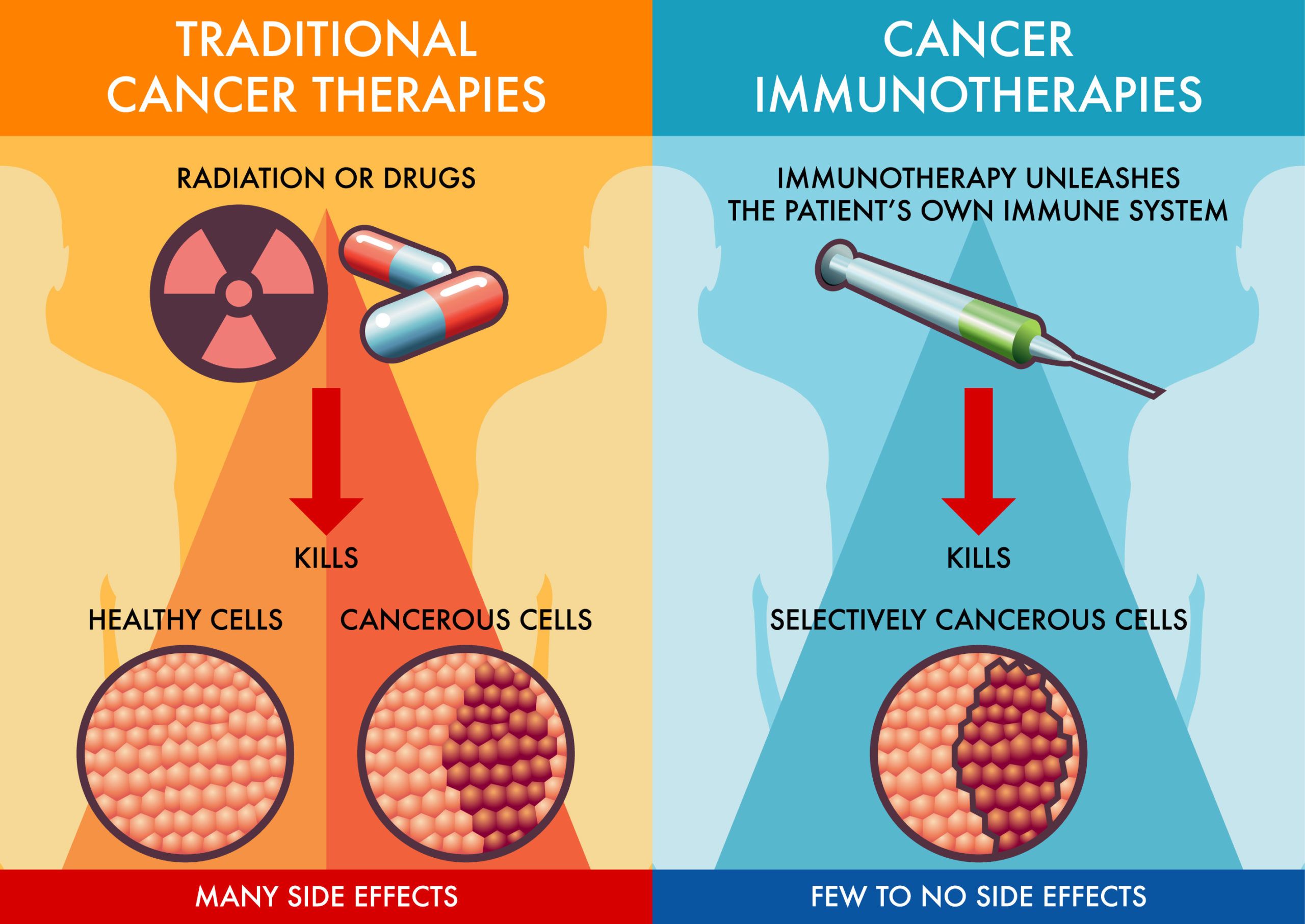
Understanding Cancer Immunotherapy Cancer immunotherapy operates on the principle that the immune system can be stimulated or augmented to recognize and destroy cancer cells more effectively. Unlike traditional treatments such as chemotherapy and radiation, which directly target cancer cells, immunotherapy enhances the body’s natural defenses to fight cancer.
Types of Cancer Immunotherapy Checkpoint Inhibitors: These drugs block inhibitory pathways (like PD-1/PD-L1 or CTLA-4) that cancer cells use to evade detection by the immune system. By “releasing the brakes” on immune cells, checkpoint inhibitors restore their ability to recognize and attack cancer cells.
CAR T-cell Therapy: Chimeric Antigen Receptor (CAR) T-cell therapy involves modifying a patient’s T-cells to express receptors that can identify specific proteins on cancer cells. These engineered T-cells are then reintroduced into the patient’s body to target and destroy cancer cells.
Cancer Vaccines: Cancer vaccines work by stimulating the immune system to recognize and attack cancer cells. These vaccines can be made from cancer cells, parts of cells, or specific proteins found on cancer cells. They are designed to train the immune system to recognize cancer cells as foreign invaders.
Monoclonal Antibodies: Monoclonal antibodies are laboratory-produced molecules that can bind to specific targets on cancer cells. They can be used to directly kill cancer cells, block growth signals, or deliver drugs or radiation directly to cancer cells.
Personalized Medicine and Success Stories One of the most remarkable aspects of cancer immunotherapy is its potential for personalized medicine. By tailoring treatments to a patient’s immune profile and specific cancer characteristics, immunotherapy offers a targeted and potentially more effective approach than traditional treatments.
Numerous success stories underscore the transformative impact of cancer immunotherapy. Patients with advanced melanoma, lung cancer, and leukemia, among others, have experienced durable responses and even complete remissions after failing to respond to conventional therapies. These outcomes highlight the power of harnessing the immune system’s inherent ability to recognize and eliminate cancer cells.
Challenges and Future Directions Despite its promise, cancer immunotherapy faces challenges such as identifying biomarkers to predict treatment response, managing immune-related side effects, and overcoming resistance mechanisms developed by cancer cells. Ongoing research aims to address these challenges and expand the application of immunotherapy to a broader range of cancers and patient populations.
cancer immunotherapy represents a paradigm shift in the treatment of cancer, offering new hope and improved outcomes for patients worldwide. By empowering the immune system to combat cancer cells more effectively, immunotherapy not only enhances treatment efficacy but also reduces the systemic toxicity associated with traditional therapies. As research continues to advance and new innovations emerge, the future of cancer treatment looks increasingly promising with immunotherapy at its forefront. Embracing these advancements in oncology underscores a commitment to personalized, targeted therapies that hold the potential to transform the landscape of cancer care in the years to come.
Embracing Lateral Thinking: Exploring the Legacy of Edward De Bono
Dr PP Devan +91 92433 01213
Lateral thinking, a term coined and popularized by Edward De Bono, represents a departure from traditional problem-solving methods. It encourages individuals to approach challenges from unconventional angles, fostering creativity and innovative solutions. Lateral thinking is practical with the enduring influence of Edward De Bono’s pioneering work on the concept.
The Essence of Lateral Thinking
Lateral thinking challenges the linear, logical approach to problem-solving by advocating for creative and indirect strategies. Unlike vertical or logical thinking, which follows established paths and rules, lateral thinking seeks to break free from assumptions and explore new possibilities. It encourages brainstorming, exploration of multiple perspectives, and the consideration of ideas that may initially seem unrelated or unconventional.
Edward De Bono: The Architect of Lateral Thinking Edward De Bono, a Maltese physician, psychologist, and author, introduced the concept of lateral thinking in his 1967 book “The Use of Lateral Thinking.” Through his extensive research and publications, De Bono popularized the idea that creativity can be cultivated and systematically applied to problem-solving processes. His work emphasized the importance of deliberate techniques and exercises to stimulate lateral thinking abilities.
Practical Applications and Benefits Innovation and Problem-Solving: Lateral thinking fosters innovation by encouraging individuals and teams to generate novel ideas and solutions. It enables breakthroughs in product development, process improvement, and creative endeavors by challenging conventional wisdom and exploring uncharted territories.
Decision-Making: By considering multiple perspectives and exploring diverse options, lateral thinking enhances decision-making processes. It enables individuals to weigh alternatives, anticipate outcomes, and make informed choices that may not be apparent through traditional analytical methods alone.
Creativity Enhancement: Lateral thinking techniques, such as brainstorming, mind mapping, and random stimulation exercises, stimulate creativity and inspire out-of-the-box thinking. These methods help individuals overcome mental blocks, generate fresh insights, and approach problems with renewed enthusiasm and perspective.
Real-World Examples
Numerous real-world examples illustrate the practical application and impact of lateral thinking:
Business Innovation: Companies like Apple and Google have embraced lateral thinking to innovate products and services that redefine industries.
Scientific Breakthroughs: In research and development, lateral thinking has led to discoveries and solutions that challenge conventional scientific paradigms.
Education and Learning: Lateral thinking techniques are increasingly integrated into educational curricula to nurture creativity and critical thinking skills among students.
Cultivating Lateral Thinking Skills
Cultivating lateral thinking skills requires practice and a willingness to challenge established norms. Techniques such as role-playing, scenario analysis, and reframing problems can help individuals expand their cognitive flexibility and generate innovative ideas. Embracing curiosity, embracing diversity of thought, and maintaining an open mind are essential traits for fostering lateral thinking abilities.
Edward De Bono’s concept of lateral thinking continues to shape how individuals and organizations approach challenges and opportunities in today’s dynamic world. By encouraging creativity, challenging assumptions, and exploring unconventional solutions, lateral thinking empowers individuals to unlock new possibilities and drive meaningful change. As we navigate an increasingly complex and interconnected global landscape, embracing lateral thinking not only enhances problem-solving capabilities but also nurtures a culture of innovation and resilience. Edward De Bono’s legacy serves as a beacon for those seeking to harness creativity and adaptability in pursuit of transformative solutions and brighter futures.
Communication is a cornerstone in advancing these rights, manifesting in public discourses, rights movements, political and cultural resistance, and human rights reporting.
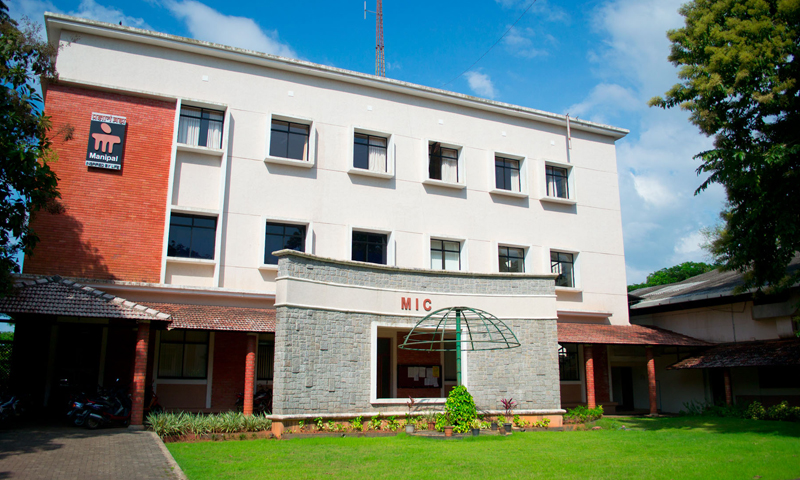
Manipal, Karnataka : The International Communication Association (ICA) has announced its 2024 Regional Hub conference in Manipal, themed “Communication and Global Human Rights.” The conference will take place at the Manipal Institute of Communication, emphasizing the pivotal role of media and communication in advocating for human rights within the South Asian context.
The conference aims to assess the contributions of communication scholarship to human rights, highlight current research and practices, and identify promising directions for future studies. It invites scholars, academicians, and practitioners to explore the intricate relationship between communication, media, and human rights in South Asia.
Human rights are of paramount importance in South Asia, reflecting a global priority. They address critical issues such as climate change, health, migration, food insecurity, entrenched inequalities, conflicts, and social exclusion. Communication is a cornerstone in advancing these rights, manifesting in public discourses, rights movements, political and cultural resistance, and human rights reporting.
Themes of the Conference
1. Diversity, Plurality, and the Marginalized: Media and Communication Perspectives on Human Rights in South Asia This theme delves into how media represents diverse and marginalized groups, including gender, religious, caste, economic, linguistic, and sexual minorities. It seeks submissions from activists, practitioners, and scholars to explore how media reflects and responds to advocacy efforts for these communities.
2. Voices on and Behind the Screen: Films, Filmmakers, and Human Rights in South Asia This theme examines the role of cinema in addressing human rights issues. It invites contributions from filmmakers and scholars on how visual storytelling is used to expose violations and advocate for change.
3. Legal Perspectives on Human Rights in South Asia: Rights, Justice, and Legal Frameworks This theme explores the legal frameworks governing human rights in South Asia and their effectiveness in upholding justice. Submissions are sought from legal activists, practitioners, and scholars.
4. Digital Narratives and Human Rights in South Asia: Scholarly Perspectives This theme focuses on the impact of social media and digital platforms on human rights advocacy. It seeks research on the challenges, opportunities, and ethical considerations of using digital platforms for human rights movements.
5. Archives, History, and Human Rights in South Asia This theme investigates the historical context of human rights in South Asia through archival research, uncovering pivotal moments and marginalized voices. Scholars are invited to contribute research on historical injustices and their relevance to contemporary issues.
Call for Submissions
The ICA Manipal Regional Hub 2024 conference is calling for submissions from scholars, practitioners, and activists. Contributions should explore the role of media in shaping public consciousness, amplifying marginalized voices, and holding power structures accountable in South Asia.
Contact Information
For inquiries and submissions, please contact:
ICA Regional Hub Manipal Manipal Institute of Communication Madhav Nagar, Eshwar Nagar, Manipal, Karnataka 576104 Email: icaregionalhub@manipal.edu
About ICA
The International Communication Association (ICA) is dedicated to advancing the scholarly study of communication by encouraging and facilitating excellence in academic research worldwide. The 2024 ICA Manipal Regional Hub conference promises to be a significant event for those interested in the intersection of communication and human rights in South Asia.
For further details, visit the ICA Manipal Regional Hub website or contact the organizing committee.
The 42 Annual Convocation of Mangalore University will be held on 15 June 2024 at 12.15 p.m. in Mangala Auditorium, Mangalore University Campus.
Prof. Sachin Chaturvedi, Director General, Research and Information System for Developing Countries (RIS), New Delhi, will be the Chief Guest and deliver the convocation address. Hon’ble Governor of Karnataka and the Chancellor of the University His Excellency Sri Thawar Chand Gehlot will preside and confer the degrees to all the candidates. Dr. M.C. Sudhakar, The Hon’ble Minister for Higher Education, Government of Karnataka and the Pro-Chancellor of the University will grace the occasion.
During this convocation Mangalore University will award 155 Doctor of Philosophy degrees (Arts-51, Science- 73, Commerce- 26 and Education 05). Out of 155 PhD candidates, 60(38.70%) are women candidates and 95 (61.29%) are men candidates, in this 18 men and 04 female are foreign nationals. There are 58 Gold Medals and 57 Cash Prizes. Two Gold medals have been converted into cash prizes. There are 168 Ranks, out of which 72 students are 1″ rank holders (P.G-52 & U.G.-20: Arts- 31; Science & Technology- 75, Commerce-41; Education- 21).
The particulars of total number of candidates who appeared and passed during academic year of 2022-23 in various examinations conducted by Mangalore University are briefly presented as follows:
A total of 29,465 candidates appeared for the University examinations and 21,319(72.35%) have passed. The Course wise statistics are in the P.G. courses out of 3,277 candidates who appeared, 3,094 (94.42%) have passed and out of 26,188 U.G. students who appeared, 18,225 (69.59%) have passed.
Out of 3,094 P.G. students who have passed, 839 (27.10%) are boys and 2,255 (72.90%) are girls. Similarly at the U.G. level, out of 18,225 candidates who passed, 6,639 (36.50%) are boys and the remaining 11,586 (63.60%) are girls. With regard to the gender composition, out of 21,319 total number of candidates who passed, 8,097 (38.00%) are boys (Pass percentage of boys 65.20%) and 13,841 (65.00%) are girls (Pass percentage of girls 81.30%).
As far as total performance in the University examinations is concerned, out of 21,319 (Except Ph.D.) candidates who passed, 6,629 (31.00%) account for distinction/O+/0 grade. 12,947 (60.72%) are first class/A+/A Grade, 1,587 (7.40%) are second class/B+/B grade and the remaining 156 (1.00%) are in the pass class/C grade.
Ph.D. candidates, Gold Medallists and First Rank, Cash Prizes holders will receive their degree in person. The degree certificates of all eligible students, who have paid the fee, will be sent to the concerned departments/colleges by End of June 2024.
Honorary Doctorates
Shri K. PRAKASH SHETTY
Shri Korangrapady Prakash Shetty, born into a humble family of late K. Madhava Shetty and late Smt. Ratna M. Shetty on 21st, July 1959, in the serene surround of Korangrapady, Udupi, Karnataka. His journey from a small town to a global tycoon is a testament to his tenacity and perseverance, a legacy. Fuelled vision to achieve something substantial and significant, Mr. Shetty set his sight at Bangalore after graduating in 1980. The initial days were a test of his mettle, demanding difficult, yet he remained undeterred. A prominent figure in hospitality and infrastructure business, Shri Prakash Shetty is the driving force behind the organization “MRG Group”. His influence extends beyond business, marked by his generosity and dedication to social causes. Mr. Shetty is known for his generous heart and unwavering dedication to social causes has touched thousands of lives through his philanthropic endeavours.
Over the years, Mr. Shetty has won many accolades and recognition from both the state and national government. The Kannada Rajyotsava Award, a prestigious state civilian award, was conferred upon him in 2019. He was honoured by the Bruhuth Bangalore Hotel Associations, at their Amruth Mahotsav Celebrations, for his contribution to Society and his achievements in the Hotel Industry. He has been conferred with the Best Intellectual Award in Corporate Leadership by the Global Achievers Foundation and the Bharath Gaurav Ratan Award by the Indian Organization for Commerce and Industry for his outstanding services, achievements and contributions to the Hospitality Industry.
Dr. THUMBAY MOIDEEN
Dr. Thumbay Moideen was born on 23rd March, 1957 in Mangalore; a third generation entrepreneur from a well-known business family from Mangalore took over the reins of the business house established by his father.
He is the founder and president of the Thumbay Group, a diversified international business conglomerate headquartered in the Dubai International Financial Centre with operations across 20 sectors. The organisation employs upto 5,000 employees in the UAE and has been ranked among “The Top Indian Business Leaders in The Arab World” by Forbes Middle East.
Dr. Moideen is the Chief Patron of the Ajman Indian Association, Indian Business Council, Ajman, Beary’s Association, Dubai, and Karnataka Sangha, Sharjah. He is also the president of the Asian Hospital Federation, UAE region, and member of the International Hospital Federation, Ferney Voltaire, France and member of the International Association of University Presidents.
The Thumbay Foundation supports charitable activities in healthcare & education through scholarships, grants, bursaries, awards, fellowships, endowments, donations and other forms of financial assistance to students pursuing any level of education or training in any educational or training institutions or establishments in such manner as may be decided by the Foundation.
Despite of several recognitions, he was conferred an Honorary Doctorate at the Annual Convocation of Amity University, Dubai honour in view of his significant contributions towards promotion of medical education, trade and industry, and social and economic development of the nation.
DR. RONALD COLACO
Dr. Ronald Colaco, a man with a Vision, and an unwavering determination to achieve only the highest pinnacles of success, is an inspiration to all the aspiring entrepreneurs. Having ancestral roots in Moodbidri, Mangaluru, Ronald Colaco is an NRI businessman based in Dubai. He started his professional career in Oman in 1975 as an accountant. Over the next few decades, he worked with some of the biggest companies across eight Gulf and European countries, climbing the hierarchical ladder head of accounts and administration and financial controller.
Dr. Ronald Colaco’s commitment doesn’t bar at just business, but he extends it to societal causes as well. He has been very active in promoting socio-cultural, charitable, and philanthropic activities in his endeavour to give back to the society that he has come from, in a big way. He insists that it is pertinent for the privileged to support the needy to set a working balance.
His largesse has benefited the poor and the needy people and various institutions and organizations irrespective of caste, creed, race, religion, and language. He has been a pioneer in providing infrastructure facilities for the benefit of the larger public and has set a precedent for others to follow. Many MNCs and Corporates followed in his footsteps to carry out their corporate social responsibility, resulting in creating essential international standard infrastructure in the State.
Dr. Colaco has been the recipient of a number of national and international awards in recognition of his charitable and philanthropic activities, as well. His many noteworthy laurels include the prestigious award from the office of The Prime Minister of Australia through CSIA which conferred the “2015 International Recognition Award for Leadership in Service Excellence” at the Australian Service Excellence award ceremony held in Melbourne in 2015, the only person chosen for this prestigious award internationally from among 80 countries. In 2017, he was awarded with Karnataka State Rajyotsava Award in Overseas Kannadiga Category.
Ronald Colaco also got the honor of being elevated as commercial CEO for a consortium of 3 multinational corporates that were CCICL based in Greece, Mannesmann of Germany, and Saipem of Italy, which is involved in turn-key projects such as the construction of world-class petro-refineries, gas processing and re-injection plants, townships, and airports.
The World Book of Records, London, has bestowed upon Dr. Ronald Colaco, the certificate of Excellence, for his Social and Charitable works, by creating infrastructure support, to the Government of Karnataka, for the upliftment of society as announced under UID on 28th September, 2022 in the House of Commons, British Parliament, London, U.K. during the Indo-UK Leadership Summit. His legacy sets a powerful precedent in the society, narrating an unsaid tale of success and goodwill.
The GK Switch: Exploring the Potential of Ketogenic Diets in Cancer Therapy
Dr. PP Devan +91 92433 01213
Cancer remains one of the most challenging diseases to treat, despite advances in medical research and technology. A growing body of evidence suggests that altering the body’s metabolic environment can influence cancer progression. One such approach involves the “GK switch” — transitioning the body’s primary energy source from glucose to ketones. This article explores the science behind the GK switch, its implementation through ketogenic diets, and its potential in cancer therapy.
Understanding the GK Switch
The GK switch refers to the metabolic transition from glucose (G) to ketones (K) as the primary energy source. This switch is a fundamental aspect of ketogenic diets, which are high in fats, moderate in proteins, and very low in carbohydrates. By drastically reducing carbohydrate intake, the body is forced into a state of ketosis, where it produces ketones from fat as an alternative energy source.
Mechanism of Action
Reduced Glucose Availability: Cancer cells rely heavily on glucose for energy through a process known as aerobic glycolysis or the Warburg effect. By limiting carbohydrate intake, the GK switch reduces glucose availability, potentially starving cancer cells.

Ketone Bodies as Alternative Fuel: Healthy cells can adapt to using ketones for energy, whereas many cancer cells cannot. This metabolic flexibility of normal cells versus the rigidity of cancer cells can create a therapeutic window.

Impact on Insulin and IGF-1 Levels: Ketogenic diets lower insulin and insulin-like growth factor 1 (IGF-1) levels, both of which are associated with cancer growth and proliferation.
Clinical Evidence
Several studies and clinical trials have explored the efficacy of ketogenic diets in cancer therapy:
Glioblastoma: Research has shown that patients with glioblastoma, an aggressive brain cancer, may benefit from ketogenic diets. These diets can reduce tumor growth and improve overall survival rates.

Advanced Cancers: Case studies have reported instances where patients with advanced, metastatic cancers experienced stabilization or reduction in tumor size after adhering to a ketogenic diet.

Preclinical Studies: Animal studies have demonstrated that ketogenic diets can slow tumor growth and enhance the efficacy of conventional cancer treatments like chemotherapy and radiation.
Implementing the GK Switch
To achieve and maintain ketosis, individuals typically follow these dietary guidelines:
High Fat: Approximately 70-80% of daily caloric intake from fats such as avocados, nuts, seeds, olive oil, and fatty fish.
Moderate Protein: About 20% of calories from protein sources like meat, poultry, eggs, and dairy.
Low Carbohydrates: Only 5-10% of daily calories from carbohydrates, primarily from non-starchy vegetables.
Regular monitoring of ketone levels in the blood or urine can help ensure the body remains in a state of ketosis. It is important to consult with healthcare professionals before starting a ketogenic diet, especially for individuals with pre-existing health conditions. Potential Benefits Beyond Cancer
The GK switch and ketogenic diets have shown promise in other areas of health:
Neurological Conditions: Conditions like epilepsy, Alzheimer's disease, and Parkinson's disease may benefit from ketogenic diets due to their neuroprotective effects.
Metabolic Health: Ketogenic diets can improve insulin sensitivity, aid in weight loss, and manage type 2 diabetes.
Inflammation Reduction: The anti-inflammatory effects of ketosis can potentially benefit autoimmune diseases and chronic inflammatory conditions.
The GK switch represents a promising approach in cancer therapy by exploiting the metabolic vulnerabilities of cancer cells. While more research is needed to fully understand the potential and limitations of ketogenic diets in cancer treatment, early evidence suggests that this dietary strategy could complement existing therapies and improve patient outcomes. As always, it is crucial for patients to work closely with their healthcare team to tailor dietary interventions to their individual needs and circumstances.
By leveraging the power of metabolic flexibility, the GK switch offers a novel and hopeful avenue in the ongoing fight against cancer, potentially transforming how we approach cancer therapy in the future.