നമ്മുടെ രാജ്യത്തിന് കൃഷിക്കാരെ വേണ്ടെന്നാണോ? | കൃഷിയും കർഷകരും രാജ്യത്തിൻ്റെ കേന്ദ്ര ബിന്ദു
ഡി.പി. ജോസ് | സീനിയർ റസിഡൻറ് എഡിറ്റർ | +91 755 808 5501
ഇന്ത്യയിലെ ജനസംഖ്യ ദിനം പ്രതി വർദ്ധിച്ചുകൊണ്ടിരിയ്ക്കുമ്പോഴും, അതിനൊപ്പം ഭക്ഷ്യസുരക്ഷയ്ക്കുള്ള ആവശ്യകതയും ഉയരുന്നു. ഇതിൻ്റെ പശ്ചാത്തലത്തിൽ കൃഷിയും കർഷകരും കേന്ദ്ര ബിന്ദുവായി മാറുന്നു.
പരിസ്ഥിതിയുടെ നിലനില്പിനായി വന്യജീവികളെയും സംരക്ഷിക്കേണ്ടത് അത്യാവശ്യമാണ്. ഈ രണ്ട് മേഖലകളും പരസ്പര വിരുദ്ധങ്ങളാകാതെ, പരസ്പരം യോജിപ്പിച്ച് രാജ്യവികസനത്തിനായി മുന്നേറേണ്ടതാണ്.
കൃഷിയുടെയും കർഷകരുടെയും അനിവാര്യത
ഭക്ഷ്യസുരക്ഷയ്ക്കും രാജ്യത്തിൻ്റെ വികസനത്തിനും അടിസ്ഥാനഘടകമാണ് കൃഷി. രാജ്യത്തിൻ്റെ 50%ൽ അധികം ജനങ്ങൾ കാർഷിക മേഖലയുമായി ബന്ധപ്പെട്ടാണ് ജീവിക്കുന്നത്. കൃഷിയുടെ ഉപേക്ഷ ഗ്രാമീണ സാമ്പത്തിക വ്യവസ്ഥ തകർക്കും. കൃഷിക്ഷേമം ഉയരുന്ന പക്ഷം നഗരങ്ങൾക്കുള്ള സമ്മർദ്ദം കുറയും, കുടിയേറ്റം കുറയും.
വന്യമൃഗങ്ങളും പരിസ്ഥിതിയും
വന്യമൃഗങ്ങൾ ഒരുകൂട്ടായ സുസ്ഥിര പരിസ്ഥിതിയുടെയും ജൈവവൈവിധ്യത്തിൻ്റെയും ഭാഗമാണ്. വനങ്ങൾ ജലസേചനത്തിനും മണ്ണ് സംരക്ഷണത്തിനും കാലാവസ്ഥ നിയന്ത്രണത്തിനും സഹായിക്കുന്നു. വനങ്ങൾ ഇല്ലാതെ കൃഷിക്ക് അനുകൂലമായ കാലാവസ്ഥ നിലനിൽക്കില്ല.
വന്യജീവി സംരക്ഷണം, ടൂറിസം, ശാസ്ത്രീയ ഗവേഷണ മേഖലകൾ എന്നിവയുമായി ബന്ധപ്പെട്ടിരിക്കുന്നു.
വ്യവസ്ഥിതമായ സംരക്ഷണവും കർഷകസംരക്ഷണവും
ഇതൊരു വന്യമൃഗങ്ങൾക്കെതിരായോ കർഷകരെതിരായോ ഉള്ള പോരാട്ടമല്ല. മറിച്ച്, ഏകോപിതമായ വികസനം ലക്ഷ്യമാക്കുന്ന സമതുലിത സമീപനം ആവശ്യമാണ്. വനമേഖലകളുടെ പുനരുദ്ധാരണം എന്നതിനു പുറമേ, കർഷക ഭൂമികളുടെയും അവകാശങ്ങളുടെയും സംരക്ഷണം ആവശ്യമാണ്.
മനുഷ്യ-വന്യമൃഗ സംഘർഷം ഒഴിവാക്കാൻ സാങ്കേതിക വിദ്യകളും, അനുയോജ്യമായ നയങ്ങളും ഉപയോഗിക്കണം. കൃഷിക്ക് അനുയോജ്യമായ ഭൂമിക്ക് അതിൻ്റെ അവകാശം ഉറപ്പാക്കുമ്പോൾ, വനങ്ങൾക്ക് അതിൻ്റെതായ പരിധിയും നിലനില്ക്കണം.
അടിക്കുപ്പ്
നമ്മുടെ രാജ്യത്തിന് ആവശ്യമുള്ളത് വന്യമൃഗങ്ങളെയും കൃഷിക്കാരെയും സംരക്ഷിക്കുന്ന സമവായനയം ആണ്. രണ്ടും നമ്മുടേതായ ഭാവിയെ രൂപപ്പെടുത്തുന്ന അനിവാര്യ ഘടകങ്ങളാണ്. പ്രകൃതിയും മനുഷ്യനും കൈകോർത്തുനിൽക്കുന്ന നാളെയാണ് നമ്മുടെ ലക്ഷ്യം
A Collective Investment Plan for Non-Resident Keralites from Malabar Region | Social Media Centre @ Iritty Region | A Movement Rooted in Earth, Elevated by Purpose | Global TV
NV Paulose, Chairman, Global TV +91 98441 82044
AI Image Representational to the Concept
Irity is a beautiful Greenland in the mist-covered highlands of Northern Kerala; the God’s Own Country. Here, in this region, winding rivers kiss ancient forests and hilltops hold stories older than time. We are setting a new media ground for a groundbreaking initiative which is generally named a Social Media Centre. It is not a business, It is not a building. It is not a media house. It is a movement.
Social Media Cente (SMC) at Iritty Region is a breathtaking confluence of heritage, nature, and hope. Iritty is not just a town; it is a threshold between the Western Ghats and the world.
Nestled in the foothills of Kerala’s most scenic highlands, the region offers seamless access to several vibrant and soul-stirring destinations: Kannur International Airport is 16 km closer. Aralam Wildlife Sanctuary is just 10 km away. Pazhassi Dam is12 km away and Kottiyoor Temple is just 25 km. International destinations like Coorg is 30 km, Wayanad is 40 km and Mysore is 120 km away from the designated Social Media Centre.
Ownership, Membership & Mentorship
The total cost of the project is divided into 60 equal ownership units, meaning each unit represents an equal share of facilities in the project. These units can be acquired by individuals, teams, or organizations, making them co-owners. There is a clear distinction between the capital cost and the operational costs.
People who are enthused by the vision of the centre can opt for Life Membership with a one-time payment which usually is equal to one tenth of a Unit Ownership Price. Others can opt for Annual Membership; one tenth of a Life Membership, or a Career Membership; one tenth of an Annual Membership.
Annual Membership and Career Membership are renewable yearly for those who want flexible involvement without long-term commitment.
Mentorship & Creative Management
A select group of Mentors (experienced professionals) will guide the project from inception throughout the growing streams with an idea of replication of the model with benefits shared with the performing members and teams.
Mentors need not necessarily own units but eventually earn ownership with the growth that they are able to achieve with exceptional governance and innovation. Mentors may receive perks (revenue share, recognition) periodically.
Beneficiaries of the Facility; Family Success Stories:
Reconnect, Reflect, Celebrate
This space is welcoming families longing to rediscover their roots and successful individuals wishing to honour those who supported their journey. Here, memories come alive and gratitude finds its voice. Every story shared becomes a thread in our collective history. You can invite and honour great personalities here.
Let them answer these 4 questions:
What were the major turning points in your life?
What are your most notable success stories?
What challenges did you overcome, and how?
What valuable lessons has life taught you?
The answers will help professional content writers to craft a meaningful story about their \ your journey. The service is provided with plenty of options like collective book publication or story telling episodes. Let future generations find inspiration in your experiences, and may your words light the path for others to follow. You can choose a package suitable before hand and modify it further.
New Model for Action-Driven Leadership
The traditional way of working is control based. Ideas get trapped in endless meetings, diluted by debates, and strangled by scepticism. Progress depends on convincing the unconvinced, pleasing the passive, and backdoor arrangements.
Energy is wasted on defending visions rather than building them. Onlookers feel entitled to critique without contributing, while doers are held back by fear of failure or rejection. This is the old world of permission-based progress.
Now imagine a different way. An idea is presented; not for approval, but for allies. Those who believe in it step forward, forming a core team with full autonomy over execution. No bystanders are allowed to interfere; only those invested in the work in time or kind shape its path. Incentives; financial, reputational, or creative are announced and given. The focus shifts from “Why can’t we?” to “Here’s how we will.” This is the Appreciative Inquiry Leadership Model. It is a system where momentum belongs to the motivated, and progress is measured in doing.
The difference is stark. Traditional models breed hesitation; this model thrives on voluntary commitment. Instead of draining energy in meetings, teams channel it into prototypes, pilots, and proofs of concept. Critics? Irrelevant; unless they roll up their sleeves. Failure? A lesson, not a crime. Speed? Unhindered. This isn’t just a new method; it’s a renewed model against stagnation. The question is: Are you ready to build? Then, come forward and discuss your stake and share.
This initiative is in the Iritty Region, but it doesn’t end here.
A MINI SMC MODEL
With pristine landscapes and a quietly converging population, Iritty is emerging as a silent powerhouse of untapped creative and ecological potential. The serenity of nature, the richness of local tradition, and the ease of modern connectivity make Iritty a perfect location for a human centric positive media centre; where storytelling, reflection, and media innovation grow together.
You can adapt and implement a similar model wherever you are. Whether in the mountains of the north or the coasts of the south, the vision of building meaningful, media-driven, community-connected spaces is universal.
Global TV plays the role of a connecting link between visionaries and action leaders; bridging dreams and implementation. If you are inspired to start such a centre in your region, we will support you with insights, resources, and access to a pool of professional mentors across diverse domains. Let your place be the next.
We are building a Social Media Centre that brings together:
Local youth who want to learn, create, and lead
Nature lovers who wish to tell stories that preserve, not pollute
Elders and communities who carry traditions and heritage
Tech enablers who wish to connect the unseen Village in the Global Map
This centre is created with shared ownership, purpose-driven leadership, and a zero-salary model.
The Structure and Purpose
The Centre will operate in a 5-floor architectural setup, designed for:
Ground Floor:
Reception + Visitor Lounge
Multi Purpose Studio Hall
Editing Suites
Cafeteria with Open Discussion Corners
First Floor:
Spacious Residency Rooms for Owners and Guests
Mini Theatre & Auditorium
Meeting Rooms & Board Room
Second & Third Floors:
Spacious Residency Rooms for Owners and Guests
Nature-facing Balconies
Recording Studio & Writing Desks
Fourth Floor:
Multipurpose Hall for Training, Screenings, or Meetings
Library, Co-Working Space & Data Centre.
Rooftop Green Garden + Spiritual Meditation Corner
Join the Movement
We are open to those who are open-hearted. Connect with us. Offer your time, your skill, or simply your presence. Together, let’s turn the hills of Iritty into a global platform for meaningful media and mindful living.
Email: nvpaulose@gmail.com
More Info & Timely Updates: www.globaltv.in/smciritty
Strategic MoU Signed Between St. Aloysius (Deemed to be University), AIMIT Centre and IBM to Enhance IT and Management Education
A Memorandum of Understanding (MoU) was formally signed on 03 July 2025 between St. Aloysius (Deemed to be University), AIMIT Centre, and IBM. The signing ceremony was graced by Dr. Fr. Kiran Coth, Director of the AIMIT Centre; Mr. Jagdisha Bhat, Country Manager – Software Services, IBM; Mr. Madhusudhana, Regional Manager, IBM; Mr. Jithesh, Regional Manager, Techpath; and the Deans of AIMIT, Dr. Rajani Suresh and Dr. Hemalatha N.
This MOU is
Opportunity to emerge as one of the competent entities in the academic circles in various areas of Information technology.
Opportunity to be recognized by the industry and academic circles as one of the preferred location/institutions for acquiring training and skills in the latest technology and software.
Opportunity to students and faculty members to increase their knowledge and acquire skills on best-in-class IBM software.
Opportunity to design innovative curriculum and various industry specializations using relevant IBM software.
Opportunity to learn from the practitioners in the industry from IBM or business partners.
Opportunity for students and faculty members to avail professional and global certification on IBM software.
IBM and St. Aloysius Institute of Management & Information Technology (AIMIT) acknowledge the need for IBM software skills in the IT/MBA education and training sector. The objective is to have a number of graduating professionals skilled in IBM Software. Both IBM and St. Aloysius Institute of Management & Information Technology (AIMIT) are keen to cooperate in a way that shall benefit St. Aloysius Institute of Management & Information Technology (AIMIT) students pursuing a career in the industry.
Snehalaya Inaugurates Another facility : A CSR initiative of MRPL | Global TV
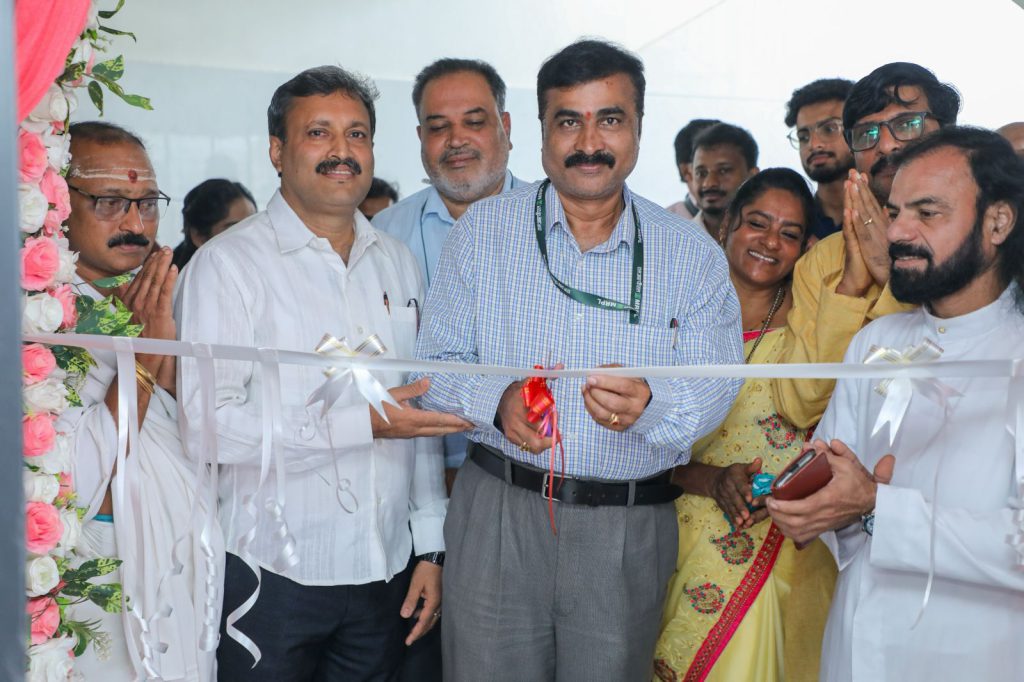
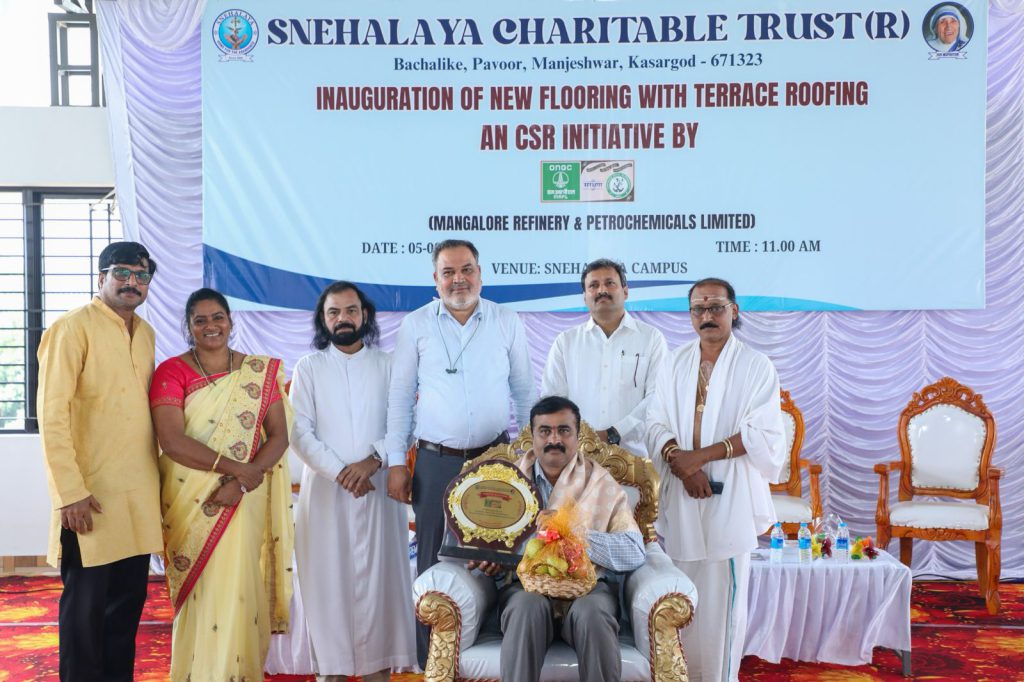
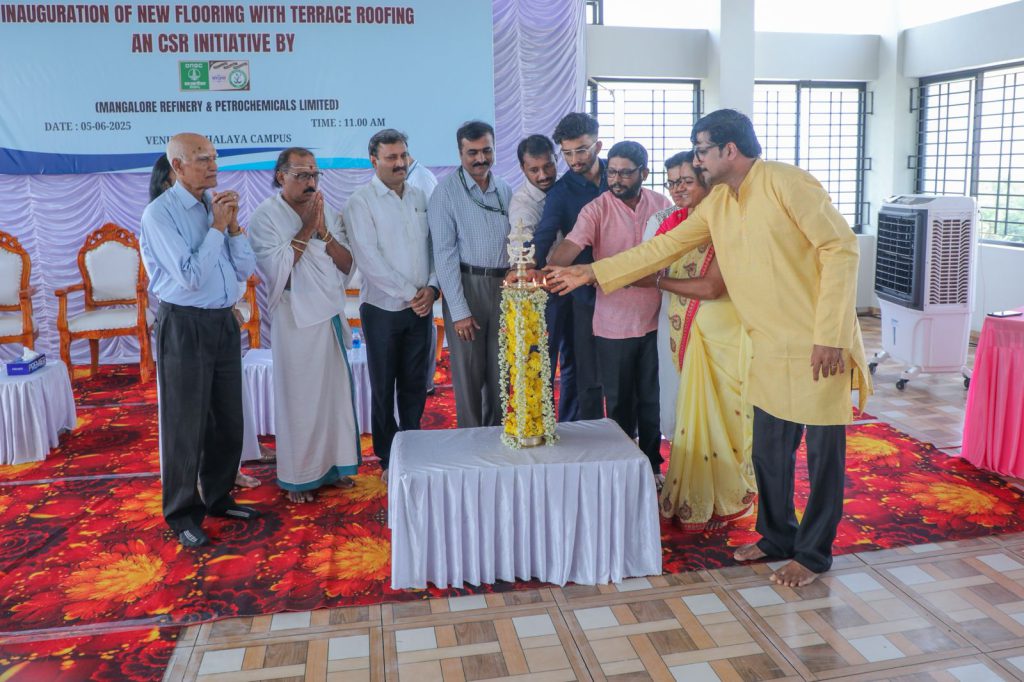
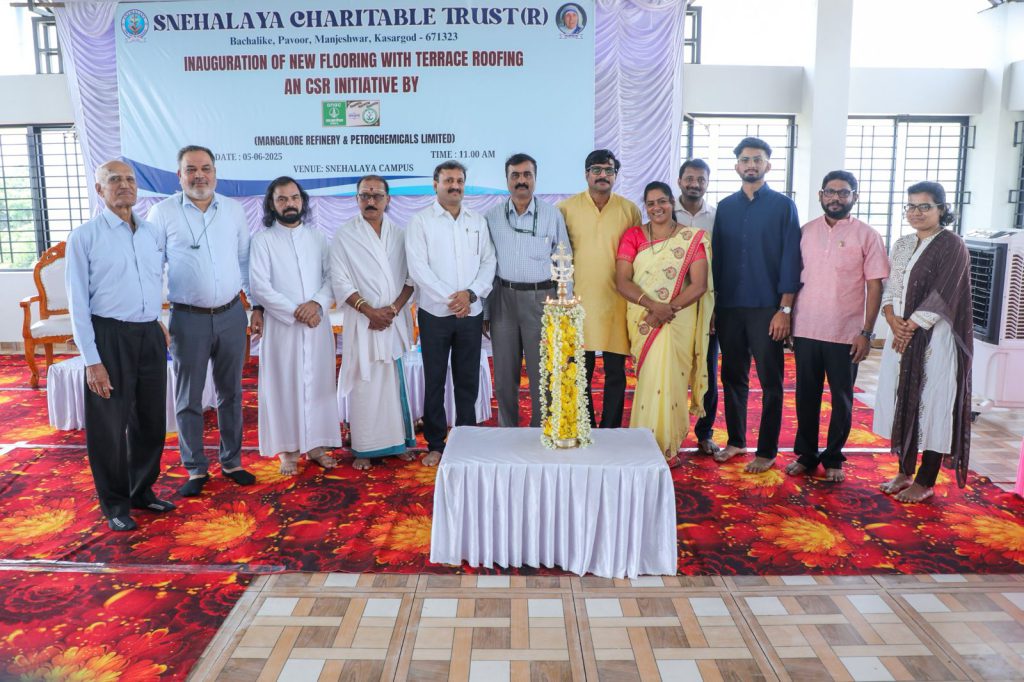
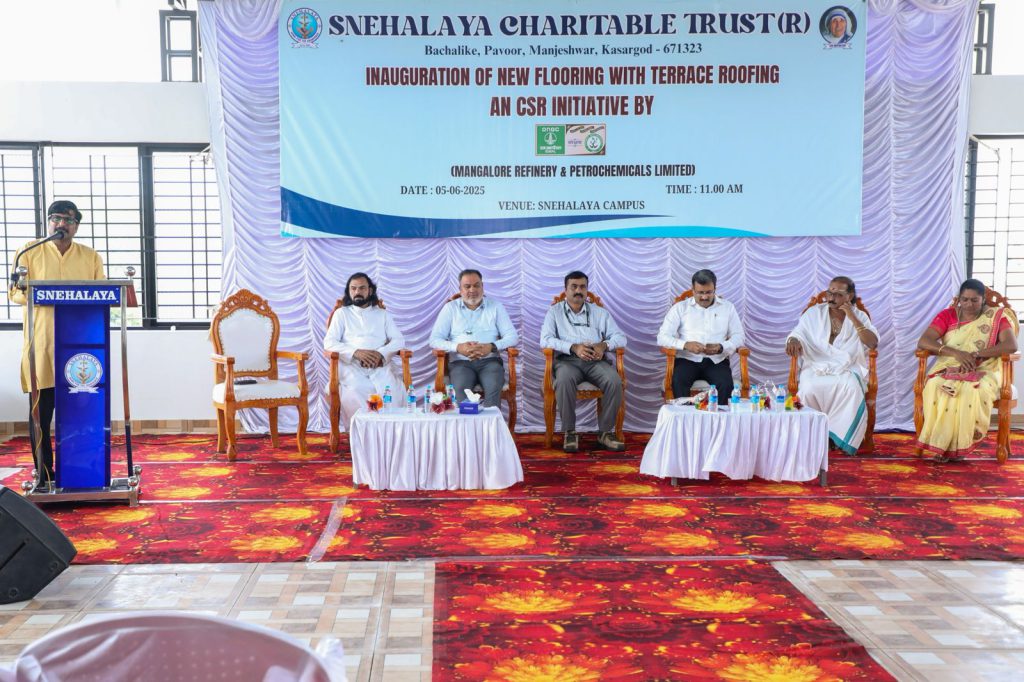
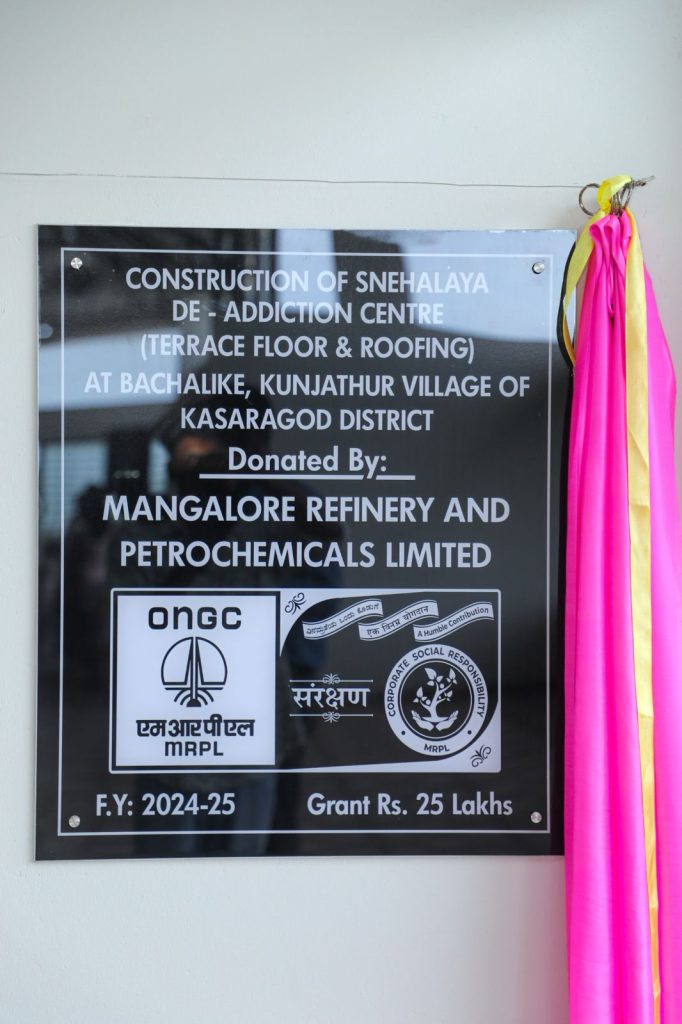
Snehalaya, a home for psycho social rehabilitation, a beacon of compassion and love , had yet another day to mark in golden letters. On 5-6-2025 Snehalaya marked the inauguration of their newly constructed terrace roofing and flooring at its De-Addiction Cente. This facility is provided through the generous support of MRPL Mangalore under their CSR initiative. This facility will be utilised and dedicated space for expressive art therapy and various healing activities aimed at empowering individuals on their path to recovery.
The inauguration ceremony was very meaningful and a touching event, graced by the presence of several distinguished guests. Mr. K. Nagaraj Rao, Senior Manager of the CSR Department at MRPL, had the honor of cutting the ceremonial ribbon, symbolizing the opening of a new chapter for the center on behalf of Shri Krishna Hegde Miyar, Group GM, HR MRPL-ONGC Mangalore in his absencia as chief guest.
Other esteemed attendees included:
Mr. John B. Monteiro, President of Rachana Catholic Chamber of Commerce and Industry, Mangalore
Mr. Raja Balchada, Arasu Manjihnar Kshetra, Udyavara Mada
Rev. Fr. Cyril D’Souza, Chaplain of Snehalaya
Mr. Rafeeq Master, Motivational Speaker from Mangalore Br. Joseph Crasta, the founder and Executive Director of Snehalaya, warmly welcomed the guests and shared the heart and soul behind the organization’s mission. His words echoed the dedication that has shaped Snehalaya into a sanctuary for those seeking freedom from addiction. The event’s proceedings were seamlessly conducted by Mr. Geo Dsilva whose vibrant presence kept the gathering engaged and inspired. and Mrs. Olivia Crasta joined in expressing profound gratitude to the guests especially to MRPL Mangalore and all those whose support made this dream a reality.
The guest speakers praised Snehalaya’s unwavering commitment to transforming lives, emphasizing how the new terrace space would play a vital role in healing through creativity and expression. Their heartfelt messages served as powerful reminders of the ripple effect that compassionate service and responsible corporate citizenship can form a paradise here.
Question Hour – A Revolutionary Happiness Program | Transforming Lives, One Question at a Time
In a world overflowing with information but starving for reflection, Question Hour emerges as a revolutionary movement—an hour that doesn’t offer answers, but dares to ask the right questions. It’s not a lecture. It’s not therapy. It’s not motivation for a moment. Question Hour is a mirror held up to the soul, a structured space where self-inquiry becomes the gateway to happiness, freedom, and purpose. Why Question Hour? Most people are living out inherited beliefs, social scripts, and unconscious routines. We chase success but feel empty. We achieve goals but lose peace. Why? Because we’ve never been taught to ask the right questions.
Question Hour is born from a single insight: Happiness begins not when we get ready-made answers, but when we begin asking questions that truly matter.
Key Features of the Program
The Power of Reflective Questions Participants are guided through life-shifting questions like: Am I living my values, or performing for approval? Is my happiness real or borrowed from others’ expectations? What is success for me? These questions are designed using psychological, philosophical, and spiritual insights. They break internal patterns and spark awakening.
Thematic Clarity: From Confusion to Congruence Each session focuses on one key theme: Self-Worth, Positivity, Relationships, Success, Education, Respect, Contribution, etc. The structure helps participants move from emotional confusion to clarity, and eventually, to personal congruence—the alignment of thought, emotion, and action.
The ‘Pause and See’ Framework In a fast world, this program creates an intentional pause—a sacred hour to reflect. It includes: Silent Reflection moments, Guided Self-Inquiry Exercises, Personal Insight Journaling. It’s not just an hour. It’s a lifestyle reset.
No Judgment, Only Awakening Unlike debates or traditional sessions, Question Hour is non-judgmental and deeply personal. It’s not about right or wrong answers. It’s about facing oneself honestly, with compassion.
Science + Soul Approach Combining psychological tools, logical frameworks, and soul wisdom, the program weaves: The 4D Formula for Positivity, The Three Levels of Congruence, The Success Reimagined Model. This makes it a complete psycho-logical experience—deep yet simple, rational yet soulful. The program is for Anyone longing for Happiness, Greater inner peace, Authentic success, Joyful relationships, Emotional resilience, A sense of meaning and purpose. From students to CEOs, homemakers to healers, Question Hour is universal in its reach. Question Hour is not just a program—it’s a social revolution. It’s about creating a Better World through Better Minds—where people don’t just function, but flourish. As people begin asking real questions and finding their authentic answers, Families heal, Workplaces evolve, Leaders make positive decisions, and Society becomes more respectful, ethical, and joyful. The world does not change when people are told what to do. It changes when they ask themselves: “Am I living the life I truly want?”And that is where Question Hour begins. With one hour. One question. One honest self-reflection. Because the happiness revolution isn’t a future event. It begins the moment we dare to ask.
The City Built Around the Church: A Reflection with Rev. Fr. Clifford Fernandez | Global TV
NV Paulose, Chairman, Global TV +91 98441 82044
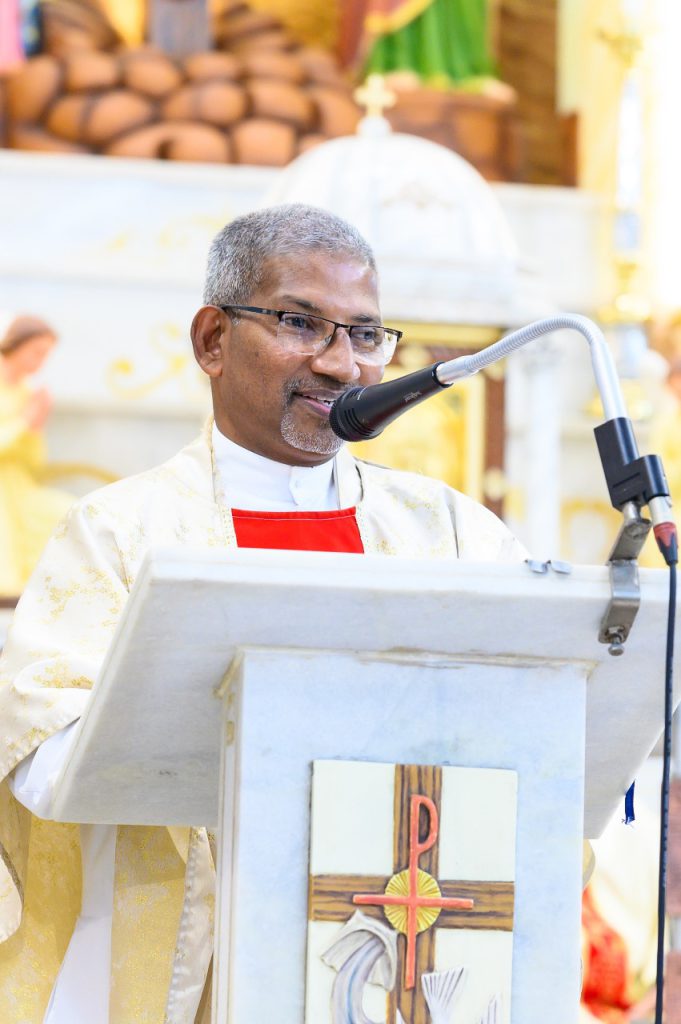
In a quiet, contemplative corner of Mangalore city, the heart nestled within the sacred precincts of Kulshekar Church, I had the proud privilege of conversing with Rev. Fr Clifford Fernandes; Parish Priest, scholar, and thinker whose words carry the weight of lived experience and spiritual wisdom.
What began as a casual recollection soon unfolded into a profound reflection on the unseen, yet deeply transformative, influence of the Church on the landscape of communities and cities. The story he shared was deceptively simple. It took place during his tenure as Asst. Parish Priest at the historic Mother of Sorrows Church in Udupi, a vibrant parish situated in the heart of the city.
One afternoon, a Tahsildar; a Hindu by faith, came visiting. The two exchanged pleasantries, and as they conversed, the priest pointed out on to the surrounding noise, characteristic of a busy urban center. “I told him the church is in the middle of the city,” Rev. Fr Clifford Fernandes recounted. “Immediately, he corrected me. ‘No, Father,’ he said. ‘What are you saying? The church is not in the middle of the city. The city is built around the church.’”
That reply struck like a chord resounding with forgotten truths. The Tahsildar’s statement was not just a poetic comment; it was a profound sociological observation. He went on to explain how the presence of the church had triggered a ripple of growth around it. “When a church comes up,” he said, “it brings along a small tailoring school, a dispensary. Because Christians are a community that worships together, people gather. One vendor comes to sell vegetables.
Next day onions, garlic, then pork, cheese. Slowly, a tea stall appears. Then someone starts making Goli Bajje and Ambade. And so, the city grows; not just with buildings, but with life, community, commerce, and care.”
The Tahsildar’s insight reframed not just urban geography, but our understanding of how civilization itself sprouts; around spaces of faith, of congregation, of shared hope. More Than a Building: The Church as a Living Root
Rev. Fr Clifford Fernandes reflected deeply on the Tahsildar’s words. “That day I understood something important,” he said. “We often underestimate the impact of the Church. But when the Church takes root, everything around it begins to change. There is a transformation of the entire environment.”
This is not merely about bricks and mortar. The Church, he explained, acts like a living root system. Silent and hidden beneath the surface, its presence nourishes, connects, and ultimately reshapes everything above ground.
Indeed, history has shown us that towns and cities across the world have grown around places of worship; be it temples, mosques, synagogues, or churches. But in the Christian context, especially in the Konkan region of Karnataka, churches often came not only with spiritual intent but also with a mission of education, healthcare, skill-building, and community development.
Rev. Fr Clifford Fernandes illustrated this further. “Even in remote places,” he noted, “when a congregation purchases a small piece of land to build a chapel, the land value shoots up. Local people know: soon a school might come, a clinic, maybe a small charity kitchen. Development follows the chapel.”
This organic development is not driven by profit, but by presence; the presence of people who live by service, prayer, and social responsibility.
The Invisible Infrastructure
What is striking in Rev. Fr Clifford Fernandes’ story is the recognition of an invisible infrastructure; moral, emotional and spiritual architecture that underpins physical development. In today’s discourse on urban planning and sustainable growth, this dimension is often overlooked.
Churches, especially in India’s coastal regions, have long functioned as anchors of stability. They become meeting points, cultural hubs, educational centers, and places where the elderly and the poor find dignity. While governments invest in schemes and institutions, churches quietly invest in human beings.
“The quality of the Church,” Rev. Fr Clifford mused, “is not just in how many benches it has, or how big the building is. It is in the lives it touches. The service it renders. The value it silently adds.” There’s a sacred ease to this transformation: not through slogans or mega projects, but through small, consistent acts of love.
A woman receives free medicine at a dispensary. A child learns at a school. A young boy is mentored by the parish priest. A lonely widow finds community during Sunday Mass. This, too, is infrastructure. This, too, is nation building.
A Lesson for Today
The world increasingly fragmented by consumerism and urban isolation. The Church offers a counter-model; a community centric ecosystem that thrives not on accumulation, but on communion. Rev. Fr. Clifford’s encounter with the Tahsildar reveals how those outside the Church often see its value more clearly than those within. “Sometimes we don’t realize the worth of the service we are doing,” he said. “But others do. We should look around to see them.”
There is a quiet challenge in those words: to rediscover the value of the Church, not only as a spiritual home, but as a catalyst for wholeness in society. The story invites not just Catholics, but citizens of all faiths to reconsider the true markers of progress. In the eyes of one humble government officer, the church was not merely a building in the middle of a busy city. It was the heart around which the city found its rhythm. What a monologue to celebrate the vibrance!
Epilogue: The Ripple Effect of Faith
Rev. Fr. Clifford’s anecdote may be a singular memory, but it speaks a universal truth. The presence of faith; authentic, grounded, and community-minded, creates ripples that change the world. Cities may grow skyward, but their soul still rises from humble places, like a pious church on a noisy street, where service, faith, and silent transformation take root. The city is not the center. The Church is.
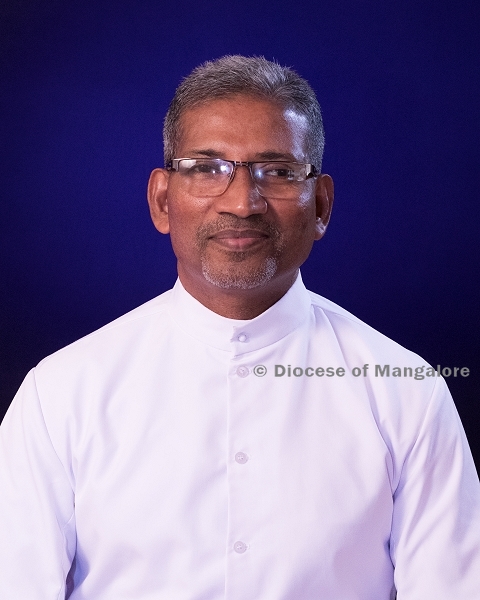
Rev. Fr. Clifford Fernandes, hailing from Kelarai, was ordained a priest on April 21, 2005. He began his priestly ministry as Assistant Parish Priest at Mother of Sorrows Church in Udupi (2005–2007). Prior to ordination, he completed his priestly formation at St. Joseph’s Interdiocesan Seminary, Jeppu, where he studied philosophy and theology as part of the formal academic and spiritual preparation for the priesthood.
Following his initial pastoral assignment, he pursued his post-graduate theological studies at Dharmaram Vidya Kshetram, Bangalore (2007–2009), further deepening his understanding of Catholic theology and pastoral ministry.
He then served as Spiritual Director at Jeppu Seminary (2009–2018), nurturing seminarians’ spiritual growth. Subsequently, he became Parish Priest at Jeppu (2018–2021), and since 2021, he has been serving as Parish Priest at Holy Cross Church, Cordel, Kulshekar. A serene nature where you are illuminated inside.
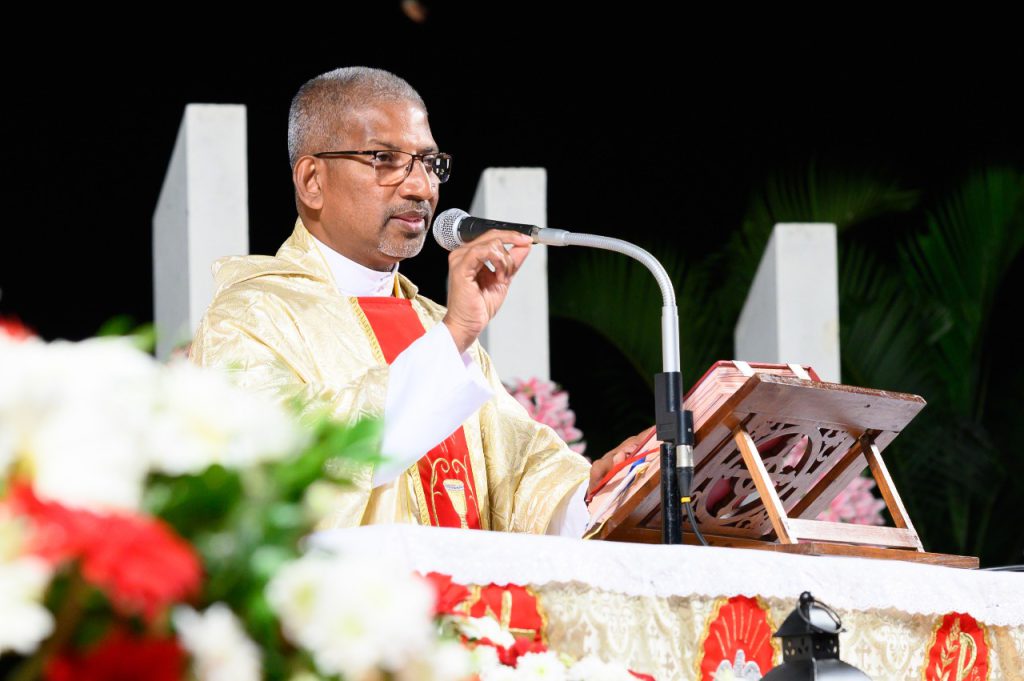
Fr. Clifford is renowned for his compelling homilies and active engagement in diocesan events. Notably, he delivered an inspiring sermon during the Relic Feast of St. Anthony of Padua at Milagres Shrine, emphasizing the importance of proclaiming God’s glory through our gifts. His leadership and spiritual guidance continue to enrich the faith community in Mangalore.
2000 ജൂൺ 15 വ്യാഴാഴ്ച്ചയാണ് സെമിനാരിയിൽ ചേർന്നത്.അന്ന് സംസാരിച്ചതും ഭക്ഷണം വിളമ്പിതന്നതും സെൻ്റ് സെബാസ്റ്റ്യൻ എന്ന ജീപ്പിൽ എടൂരേക്ക് തിരികെ പോകുന്ന എൻ്റെയും പൊന്നമ്പേലച്ചൻ്റെയും മാതാപിതാക്കളെ ആശ്വസിപ്പിച്ച് യാത്രയാക്കിയതും എല്ലാം എനിക്ക് നല്ല ഓർമ്മയുണ്ട്.അന്നത്തെ പത്താംതരക്കാരൻ്റെ കൗതുകങ്ങളെ,ചോദ്യങ്ങളെ, തർക്കങ്ങളെ,ആകുലതകളെ എത്ര സ്നേഹത്തോടെയാണ് അങ്ങ് പൗരോഹിത്യ സ്വപ്നത്തിലേക്ക് ആഴപ്പെടുത്തിയത്.
അച്ചനോർമ്മയുണ്ടോ മൈനർ സെമിനാരിയിൽ വന്നതിൻ്റെ തൊട്ടടുത്ത നാളിൽ സീനിയേഴ്സിൻ്റെ നാടകത്തിന് പ്രോപ്പർട്ടീസ് ഉണ്ടാക്കാൻ ഏൽപ്പിച്ചത്.മേജർ സെമിനാരിയിലെ നാടകത്തിൻ്റെ ആൽബങ്ങൾ കാണിച്ച് കർട്ടൻ വരക്കാൻ പ്രോൽസാഹിപ്പിച്ചത്. അഭിനയവേദിയിലും രംഗവേദിയൊരുക്കുന്നതിലും അങ്ങ് സ്നേഹമോടെ പകർന്ന അറിവനുഭവങ്ങളാണ് ചിലപ്പോഴെങ്കിലും കാർക്കശ്യത്തോടെ ഞാനിന്ന് വിളമ്പുന്നത്.
വീടിൻ്റെ നിലവിളികളെ, രോഗപീഡകളെ അച്ചൻ ആശീർവദിച്ചത്. ഓരോ കണ്ടുമുട്ടലിലും വീടും വീട്ടുകാര്യങ്ങളും അന്വേഷിച്ചറിഞ്ഞതും മറക്കാനാവില്ല.എൻ്റെ വാക്കും വരയും വായനയും എല്ലാം അങ്ങ് ശ്രദ്ധിച്ചിരുന്നു.അങ്ങയുടെ പ്രോൽസാഹനങ്ങൾ നിരന്തരമെന്നെ പിന്തുടർന്നിരുന്നു.
അങ്ങ് പഠിപ്പിച്ച വിഷയങ്ങൾ, അങ്ങയെ നയിച്ച നിലപാടുകൾ അവയെല്ലാം മനസ്സിലുണ്ട്. എനിക്കെന്തോ വലിയ ഇഷ്ടമായിരുന്നു, ആദരവായിരുന്നു. പറയുന്നതെല്ലാം ജീവിച്ച് കാണിച്ച് അങ്ങ് ഞങ്ങൾക്കൊരു വണ്ടറായിരുന്നു.അങ്ങയുടെ വാക്കിൻ്റെ മൂർച്ചയും കണിശതയുള്ള നിലപാടുകളും അപാരമായ ഹ്യൂമർ സെൻസും ആത്മാർത്ഥമായ അധ്വാനവും അതിലേറെ ദിവ്യകാരുണ്യ ഭക്തിയും പ്രതീക്ഷാനിർഭരമായ സംസാരങ്ങളും ഒരുപാടിഷ്ടമായിരുന്നു.
പരിശീലനത്തിൻ്റെ പല സമയത്തും അത്താണിയായിരുന്നു.മുന്നോട്ടുള്ള ചുവടുകൾക്ക് ഉത്തരവും.ചമ്മലില്ലാതെ മനസ്സ്തുറന്ന് വെക്കാൻ പറ്റിയൊരിടം… എല്ലാം പറഞ്ഞിറങ്ങുമ്പോൾ കരുത്തുള്ള ഒരു ഹസ്തദാനം….കൂടെയുണ്ടെന്ന് കണ്ണുകൾ കൊണ്ട് വീണ്ടും വീണ്ടും പറഞ്ഞിരുന്നു.
നേടിയ വിജയങ്ങളിൽ ഒപ്പം സന്തോഷിച്ചു, പരാജയം രുചിച്ചപ്പോൾ ചേർത്തു പിടിച്ച് ആശ്വസിപ്പിച്ചു, അഭിമാനത്തോടെ എല്ലായിടത്തും അവതരിപ്പിച്ചു. അങ്ങ് എന്നെ ആദ്യമായി യൂത്തിന് ക്ലാസെടുക്കാൻ പാണത്തൂരേക്ക് വിളിച്ചു. ഞാൻ പിന്നീടവിടെ കൊച്ചച്ചനായി. പിന്നെയും എത്രയോ തവണ എത്രയോ അവസരങ്ങൾ.. ഏത് ആൾക്കൂട്ടത്തിനിടയിലും സ്നേഹമുള്ള ഒരു കണ്ടുമുട്ടലായിരുന്നു അങ്ങ്. ‘മനോജ്’ എന്ന വിളിയിൽ എല്ലാമുണ്ടായിരുന്നു. പൗരോഹിത്യ യാത്രയിലെ എല്ലാ പ്രവർത്തനങ്ങളിലും അങ്ങയുടെ ആശീർവാദം ഞാൻ സ്വീകരിച്ചിട്ടുണ്ട്. ഒരുവേള പ്രീസ്റ്റ് ഹോമിൽ വിശ്രമിച്ചപ്പോൾ വലിയ നോവോടെ അങ്ങ് എന്നെ കേട്ടിരുന്നതോർക്കുന്നു, ബലപ്പെടുത്തിയതും. അന്ന് എന്തിനാ കണ്ണ് നിറഞ്ഞത്….? വേദനയുടെ ലഹരിയിൽ വരഞ്ഞ ചിത്രങ്ങൾ പിന്നീട് നമ്മുടെ സംസാരത്തിൻ്റെ ഭാഗമായി. എൻ്റെ ഭാഗ്യവും.
നമ്മളവസാനം കണ്ടത് എടൂര് കുടിലിലച്ചൻ്റെ ചാച്ചൻ ( വല്യച്ചാച്ചൻ ) മരിച്ചപ്പോഴാണ്. എൻ്റെ ഉള്ളിൽ അന്ന്പെയ്ത സങ്കടത്തെ ”മനോജേ” എന്ന ഒറ്റവിളി കൊണ്ട് അങ്ങ് കുട ചൂടിച്ചു. മിഴിവുള്ളയാ പുഞ്ചിരി കൊണ്ട്, കരുതലുള്ളയാ സ്പർശനം കൊണ്ട് രോഗാതുരമായൊരു മനസിനെ അങ്ങ് ആരുമറിയാതെ സുഖപെടുത്തിയിരുന്നു.
രോഗബാധിതനായതും പതിയെ പതിയെ അതങ്ങയെ ശ്വാസമുട്ടിക്കുന്നതും എൻ്റെ പ്രാർത്ഥനയെ കണ്ണീരുള്ളതാക്കി. കടൽ കരയിലെ നമ്മുടെ സെമിനാരിയിലൂടെ നടക്കുമ്പോൾ പഴയ ഓർമ്മകളുടെ വേലിയേറ്റം. ചാപ്പലും റെഫക്ടറിയും വരാന്തകളും സ്റ്റേജും ഗ്രൗണ്ടും അങ്ങ് എവിടെയാണ് ഇല്ലാത്തത്… സഹപാഠി ജോം മാർപാപ്പയുടെ ആശീർവാദം ഫോണിൽ വീഡിയോ കോളിലൂടെ അങ്ങേക്ക് കൈമാറിയപ്പോൾ എന്തോ വലിയ സന്തോഷം തോന്നി.ലോകം മുഴുവനും അങ്ങയുടെ രോഗ കിടക്കക്കരുകിൽ വന്നു നിൽക്കുന്നുവെന്ന് വിശ്വസിച്ചു.
രണ്ട് നാൾ മുമ്പ് പ്രാർത്ഥനകൾക്കിടയിലൂടെ വണ്ടറച്ചൻ യാത്രയായി എന്ന വാർത്ത കേട്ട് അലറിക്കരയുന്നൊരു മൗനമായീ ഞാൻ. എന്തോ ഒരു വാർത്തയും അത്രമേൽ മുറിവേൽപ്പിച്ചിട്ടില്ല. അത്താഴ മേശയിൽ വച്ച് ഇന്ന് ആ വാർത്ത ഉറപ്പിച്ചപ്പോൾ എന്തോ… ഒരു വല്ലായ്മ…ഒരുപിടച്ചിൽ.. പട്ടത്തിൻ്റെ മെമൻ്റോയിൽ എഴുതിയത് ഓർത്തു. ” അങ്ങയുടെ രാജ്യം വരണമേ അങ്ങയുടെ ഹിതം നിറവേറണമേ “ വണ്ടറച്ചാ ആദ്യ കോൺഫറൻസിൽ അങ്ങു പറഞ്ഞു തന്നയാ സൂത്രവാക്യം കൊണ്ട് തന്നെയാണ് ഞാനിന്നും ജീവിതത്തെ നേരിടുന്നത്.
ഞാനിത് എഴുതുന്നത് മൈനർ സെമിനാരിയിലാദ്യമായി ധ്യാനിക്കാൻ നമ്മളൊരുമിച്ചുകൂടിയ അണ്ടർ ഗ്രൗണ്ട് ചാപ്പലിൽ അങ്ങയുടെ വരവു കാത്തിരിക്കുമ്പോഴാണ്. പാതിരാത്രിയാവുന്നു.. പുറത്ത് ഒരു മഴതേങ്ങുന്നുണ്ട്.. ഇത്തിരികൂടി കഴിയുമ്പോൾ അങ്ങ് വരും.. പതിവുപോലെ മനസറിഞ്ഞെന്നെ കേൾക്കും. എൻ്റെ നൂറായിരം ചോദ്യങ്ങൾക്ക് ഉത്തരം തരും. കഴുത്തിലെ വടുക്കളിൽ കരം ചേർത്ത് ആശീർവദിക്കും. നാമൊരുമിച്ച് എല്ലാം ദൈവഹിതമെന്ന സങ്കീർത്തനം പാടും. കണ്ണീരിനിടയിലൂടെ പ്രസാദമുള്ള പുഞ്ചിരിയായ് സ്വർഗ്ഗവീടോളം യാത്രാമൊഴിചൊല്ലും.
ഞാനെന്ന പച്ചവെള്ളത്തെ ഇത്തിരിയേലും രുചിയുള്ളതാക്കി തീർത്തതാണ് വണ്ടറച്ചാ അങ്ങ് എനിക്കായ് ചെയ്ത വണ്ടർ!
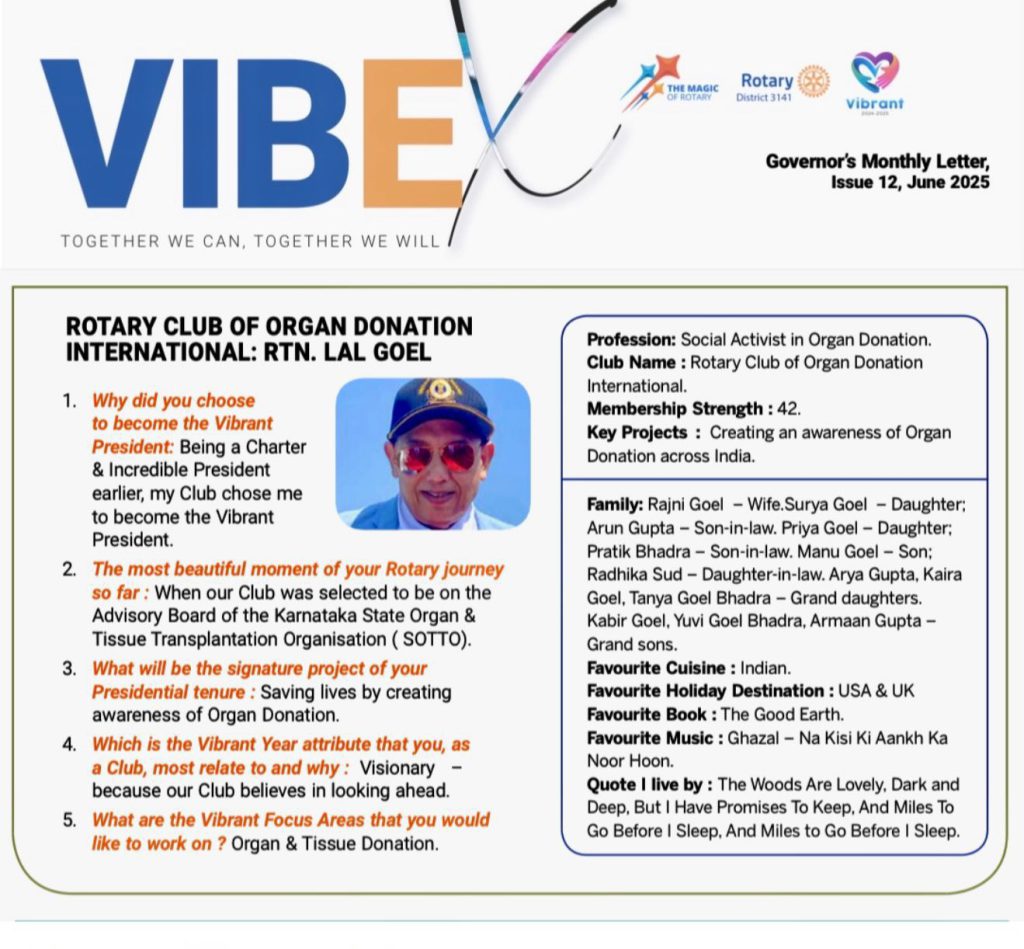
The VIBEX GML is the District Governor’s official monthly communication, highlighting service projects and achievements of Rotary members across the district | Global TV
Mumbai, June 1st, 2025– Rotarian Lal Goel, Charter & Vibrant President of the Rotary Club of Organ Donation International, expressed heartfelt gratitude to District Governor Chetan Desai for featuring his profile in the Governor’s Monthly Letter (VIBEX GML) for June 2025.
“I am deeply honoured and grateful to you for including my profile in the VIBEX GML for June 2025. This recognition means a great deal to me personally and to our club’s mission of promoting Organ Donation awareness,” stated Rtn Lal Goel.
The recognition comes as an acknowledgement of Rtn Lal Goel’s dedicated humanitarian work in advancing Organ Donation awareness through the Rotary Club of Organ Donation International, which he founded as Charter President.
“Your support and encouragement have been instrumental in motivating us to continue our work in this vital humanitarian cause. Being featured in the district publication not only brings visibility to our efforts but also helps spread awareness about the critical need for Organ Donation in our community,” Rtn Lal Goel added.
In his statement, Rtn Lal Goel also extended appreciation to the publication team responsible for the Governor’s Monthly Letter. “I would like to extend my heartfelt appreciation to the exceptional publication team who made this possible. Please convey my sincere thanks to Editor Sree Nandy, DS Ashish, and their entire super team for their dedication and professionalism in creating such an outstanding publication.”
The VIBEX GML serves as the District Governor’s official monthly communication, highlighting service projects and achievements of Rotary members across the district. Rtn Lal Goel emphasised the publication’s significance, stating, “The VIBEX GML continues to be a beacon of inspiration, showcasing the diverse service projects and achievements of our district members. I am truly humbled to be part of this edition and grateful for the platform to share our club’s journey and mission.”
The Rotary Club of Organ Donation International, under Rtn Lal Goel’s leadership, has been actively working to raise awareness about Organ Donation “Thank you once again for your leadership and support, and for providing opportunities to highlight meaningful service initiatives that make a difference in people’s lives,” Rtn Lal Goel concluded.
This conflict has shown us the capability of modern standoff Precision Guided Munitions, fired from distant delivery platforms, sometimes from as far as 400 kms away. With both sides claiming to have shot down enemy aircraft in their own airspace, from across the border with Air Defence Systems that have a range of upto 400 kms, in the case of the Russian S-400s.
The incoming drone and missile attacks have replaced the night time air raids of earlier wars when attacking aircraft would actually come over their targets in enemy airspace, to release their bombs in daring low level bomb runs, amidst wailing air raid sirens and blackouts. Even in the 2019 Balakot raid, our aircraft had to cross over, but today they can do all that from the safety, if it can be called that, of their own airspace.
And it has almost done away with another fact of life from previous wars…the POWs, the Prisoners of War. We released 93000 of them after the 1971 war, but in the wars of today and of the future, there won’t be any because no one would be crossing over, in most scenarios.
A lot of the erstwhile anti aircraft gunfire has now been replaced by SAMs, the surface to Air missiles fired by the Air Defence batteries, which are routinely taking down enemy drones and missiles, even when the response time is sometimes counted in a few heartbeats.
That is the biggest change that this conflict has showcased, from traditional warfare as we have known it till now. With its overwhelming reliance on advanced technology and AI, much of it homegrown in the DRDO and ISRO labs in our case, it has been fought by both adversaries from their own side of the lines.
And that is how it is always going to be, in the days to come!
So it’s out in the open now! The answer to the question everyone has been asking, on whether the IAF lost a fighter jet , or more, in Op Sindoor.
Posted on June 1
With the CDS apparently admitting to one such loss , in an interview to an overseas anchor yesterday.
The fact is, the IAF had never denied it in the first place.
The DG Air Operations, Air Marshal Bharti had earlier stated at a Press Briefing, that losses were intrinsic to military operations and were therefore, by implication , not a big deal, so long as the objectives were achieved.
The CDS in his interview on Saturday, said much the same thing, adding that what is important is, did we learn our lessons from the loss, did we amend and adapt our strategies according to the battle scenario, and did we then go on to hit the enemy hard and bring him down to his knees, begging for a cessation of hostilities?
The world already knows the answer to those questions!
And I am reminded of a similar scenario from an earlier conflict, almost exactly twenty six years ago in the skies over Kargil, when the IAF lost two fighter aircraft, a MiG-27 and a MiG-21, and a Mi-17 helicopter in the first two days of Air Operations.
Leading to much jubilation in the enemy camp, who thought they had knocked out the Indian Air Force!
Similar to Pakistani claims this time too.
And then came the blasting to smithereens, of their prime logistics support base at Muntho Dalo and the Command Centre at Tiger Hill, which was hit with pinpoint accuracy by Mirages, using the first ever precision guided bomb fired by the IAF!
And that was the beginning of the end of THAT incursion, which the Pakistan establishment still denies it had any hand in!
Just as it stays deafeningly quiet on what really prompted them to beg for a ceasefire in less than four days this time!
Bright Products. Dark Intentions: Unmasking the Tobacco Industry’s Appeal Global TV
By Dr. Srinivas Ramaka, MD, DM
Chairman, Srinivasa Heart Foundation, Hanumakonda, Telangana, India
Consultant Cardiologist, Srinivasa Heart Centre
Each year, World No Tobacco Day (WNTD) reminds us that behind every tobacco product lies a calculated strategy to addict, deceive, and profit. In 2025, the theme “Bright Products. Dark Intentions. Unmasking the Appeal” draws urgent attention to how the tobacco industry is targeting children and youth through flavoured, attractively packaged, and deceptively marketed products. The campaign, spearheaded by the World Health Organization (WHO), demands collective action to expose and counter these tactics before another generation falls victim to addiction.
WHO: Leading the Global Fight
The World Health Organization (WHO) plays a pivotal role in global tobacco control. Through the Framework Convention on Tobacco Control (FCTC); the world’s first public health treaty, WHO provides clear guidelines for member countries to reduce tobacco use. For WNTD 2025, WHO highlights the urgent need to ban flavours, regulate misleading product designs, eliminate tobacco advertising, and enforce smoke- and nicotine-free environments. According to WHO, “flavours hide the truth,” and the appealing design of tobacco products masks the real, lethal risks these products pose; particularly to children.
WHO’s research has shown that flavoured products, misleading descriptors, and aggressive digital marketing all contribute to the global youth tobacco epidemic, making it more difficult for users to quit and easier to get hooked. WHO calls for governments to act now, not only to protect individual health but to uphold the right of every citizen to live in a tobacco-free environment
The Seductive Packaging of Poison
Modern tobacco and nicotine products are meticulously designed to lure young users. Bright colours, toy-like shapes, cartoon characters, and candy flavours like bubble gum or mango are not coincidences; they are psychological triggers. E-cigarettes disguised as pens or cosmetics, nicotine pouches in mint tins, and cigarettes with crushable flavour capsules all speak to a disturbing reality: these products are designed to look harmless while delivering addiction.
As WHO warns, this deceptive design undermines smoke-free policies and exploits regulatory gaps. Over 37 million children aged 13–15 years worldwide already use tobacco, and in several countries, youth use of e-cigarettes surpasses adult rates. On social media alone, tobacco marketing has been viewed over 3.4 billion times by young people
The Sweet Trap of Flavours
Flavours are not harmless. Menthol, vanilla, cotton candy, and thousands of other flavours are designed to mask the bitterness of nicotine and ease inhalation; creating a smoother path to addiction. WHO underscores that more than 16,000 unique flavours exist in tobacco and nicotine products, with flavours often cited as the number one reason for initiation among youth
These additives are often toxic when inhaled, and many have been associated with respiratory illnesses and long-term harm. Even flavour accessories; such as flavour cards or beads, help users circumvent flavour bans and continue usage under the radar of regulation.
Filters, Design, and Deception
Cigarette filters, once marketed as a health “improvement,” have proven to be nothing but a tool of deception. WHO confirms that filters do not reduce health risks. Instead, they make it easier for young users to start smoking and harder to quit. New devices also include customization features, such as adjustable nicotine levels, app connectivity, and even music playback, falsely portraying tobacco use as modern, sleek, and socially acceptable
This strategic manipulation conceals the danger, promotes deeper inhalation, and increases both addictiveness and exposure to harmful toxins; a reality far from the clean, futuristic image projected by these products.
The Digital Battlefield: Marketing to Youth
Tobacco companies have moved from billboards to feeds. Social media influencers, product placements in entertainment, and interactive content have replaced conventional advertisements. WHO has identified that these industries use covert and unregulated marketing tactics online, particularly targeting platforms like TikTok and Instagram. These posts are often free of age restrictions or health warnings, flooding young users with pro-nicotine messages.
What makes this more dangerous is that many “nicotine-free” products were found to contain nicotine upon independent testing. Meanwhile, descriptors like “smooth,” “organic,” or “clean” are used to mislead consumers into believing they are choosing a safer option, further eroding public awareness
What Must Be Done — A WHO-Backed Roadmap
In response, WHO recommends a comprehensive regulatory approach:
Ban flavours to eliminate the key driver of youth initiation.
Enforce plain packaging to remove visual appeal.
Regulate product design to minimize addiction and toxicity.
Ban advertising, promotion, and sponsorship, particularly online.
Impose higher taxes to reduce affordability.
Create tobacco- and nicotine-free public spaces to safeguard clean air.
Invest in quitting support programs and evidence-based cessation tools.
More than 50 countries have banned flavoured tobacco, over 40 countries ban e-cigarettes, and yet flavour accessories remain dangerously under-regulated. WHO calls on all countries to close these loopholes and adopt strong enforcement mechanisms to protect the most vulnerable.
As a cardiologist deeply concerned with the rising incidence of heart and lung disease tied to tobacco, I echo WHO’s call. We must educate our youth, empower our communities, and expose the industry’s lies. It’s not just about tobacco control; it’s about reclaiming health, dignity, and truth.
This World No Tobacco Day, let us pledge to unmask the appeal and dismantle the machinery of manipulation. With WHO’s leadership and collective will, we can break the cycle of addiction; and build a tobacco-free future for all.