
All posts by admin

Kamal Hassan | Gen Z is Watching | Be Serious | Be Sincere | Universal Intelligence Watching | Global TV
Did you hear this speech? | Kamal Hassan | Resembles the Chicago Address | Amazing and Brilliant | Global TV
Below is an ICE CREAME after a Delicious Lunch
ആനന്ദം അനന്താനന്ദം! കണ്ടു നിന്നവരെ ഒരുപോലെ കയ്യടിപ്പിച്ച പ്രകടനം | Paadam Nedaam
Dr. Sam Pitroda | Unusual | Amazing | Fantastic | So wonderful to Talk to the great Soul | Global TV
Leadership Beyond Power: Lessons from Dr. Sam Pitroda on Technology, Values, and Service
NV Paulose, Chairman, Global TV +91 98441 82044
Technology and innovation are not merely tools for growth; they are instruments of social transformation when guided by the right leadership. Few leaders embody this philosophy as clearly as Dr. Sam Pitroda—technocrat, policymaker, inventor, and one of the key architects of India’s telecommunications revolution. His leadership journey offers timeless lessons for today’s leaders and aspiring changemakers.
- Leadership Begins with Building the Self
At the core of Dr. Pitroda’s leadership philosophy is the idea that strong leadership starts with a strong self. He emphasizes that many leadership failures stem from fragile self-esteem—an inability to accept criticism, listen to differing viewpoints, or tolerate disagreement.
According to him, no business school truly teaches how to build the self. This must come from discipline, self-awareness, ethical grounding, and respect for others. Leaders with a strong self are not easily hurt, are open to dialogue, and can separate criticism of ideas from criticism of individuals. Without this inner stability, leadership becomes reactive, insecure, and authoritarian.
- Multidisciplinary Exposure Shapes Better Leaders
Dr. Pitroda credits his early exposure to music, drama, debate, and diverse activities for shaping his leadership abilities. Such multidisciplinary engagement expands horizons, improves communication, nurtures tolerance, and helps individuals understand themselves better.
Leadership, he argues, is not developed through technical expertise alone. It requires creativity, empathy, collaboration, and the ability to work across disciplines. These qualities are best cultivated early in life but can also be consciously developed later through continuous learning.
- Leadership Is Service, Not Self-Interest
One of the strongest messages from Dr. Pitroda is that true leadership is about service, not personal gain. He distinguishes sharply between creating value and merely extracting value. When leadership becomes narrowly focused on profit, power, or popularity, it compromises ethics, environment, and long-term societal well-being.
His own decision to give up personal wealth, change his nationality back to Indian, and work without salary for decades reflects this belief. For him, leadership is about contributing to the larger public good—even when it requires sacrifice.
- Technology as a Tool for Social Transformation
Dr. Pitroda’s leadership in telecom was driven by a clear conviction: connectivity is essential for social and economic development. His vision was not about technology for technology’s sake, but about empowering people, reducing isolation, and enabling opportunity.
The STD and ISD booth revolution, telecom expansion, and later India’s IT boom were outcomes of leadership that combined technological understanding with social purpose. He demonstrates that when leaders deeply understand a domain and align it with national needs, technology can fundamentally change a country’s trajectory.
- Leadership Requires an Enabling Ecosystem
Leadership does not operate in isolation. Dr. Pitroda stresses that a healthy leadership culture depends on strong institutions, an independent civil society, democratic values, and scientific temper. When institutions are weakened, dissent is discouraged, and rational dialogue is replaced by emotion and polarization, leadership quality inevitably declines.
He warns that without freedom, inclusion, and respect for diversity, even talented individuals struggle to lead effectively. For young leaders to emerge, the ecosystem must value autonomy, critical thinking, and ethical courage.
Dr. Sam Pitroda’s leadership journey reminds us that leadership is not about titles, authority, or constant control. It is about self-mastery, service, discipline, domain expertise, and moral courage. It requires knowing when to lead and when to accept leadership, when to persist and when to listen.
For young leaders especially, the message is clear:
Build a strong self, become excellent in one domain, take responsibility for your choices, and commit to creating value for society. Everything else follows.
Cancer impact the individual and profoundly affects their families and caregivers; Fr Faustine Lucas Lobo | Global TV
World Cancer Awareness Day Commemorated at Father Muller.
NV Paulose Chairman Global TV+91 98441 82044
February 4 is observed globally as World Cancer Day, serving as a reminder to stand in solidarity with those battling cancer and survivors, while also reinforcing the importance of prevention, early detection, and timely treatment among the general public.
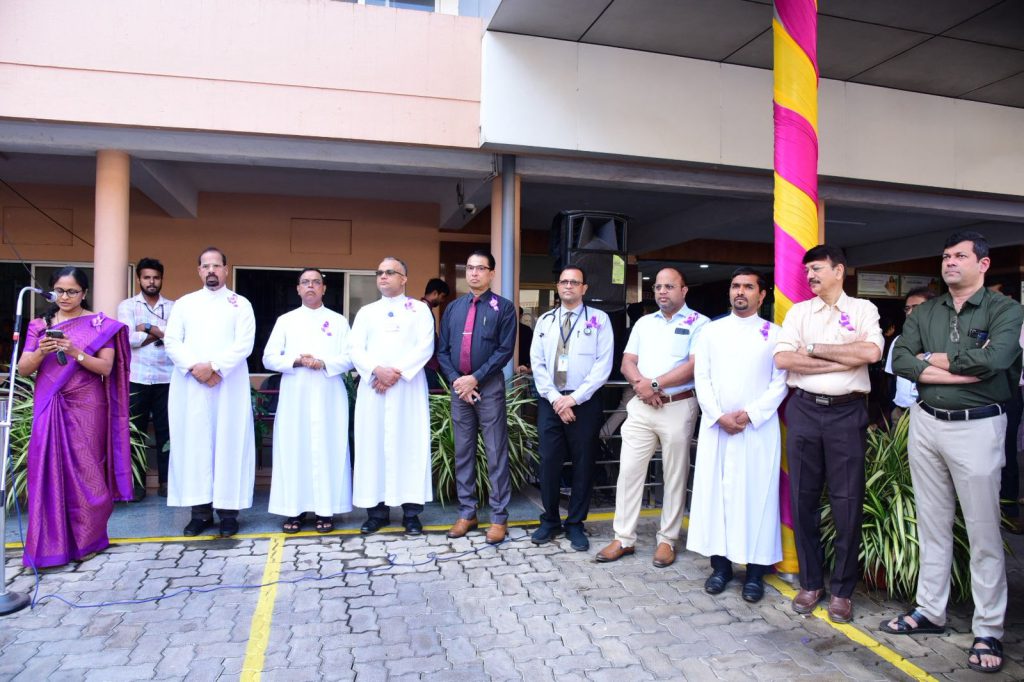
The theme for World Cancer Day 2026, “United by Unique,” underscores the fact that every cancer journey is different, yet we are united in our collective fight against the disease. In keeping with this spirit, the Father Muller Oncology Centre (FMOC) a part of the Father Muller Medical College Hospital (FMMCH) curated a meaningful and unique inauguration of the World Cancer Day commemorative activities at the front grounds of the Asha Kiran Block. The event brought together the management, faculty, students, patients, and well-wishers, all united in purpose and compassion.
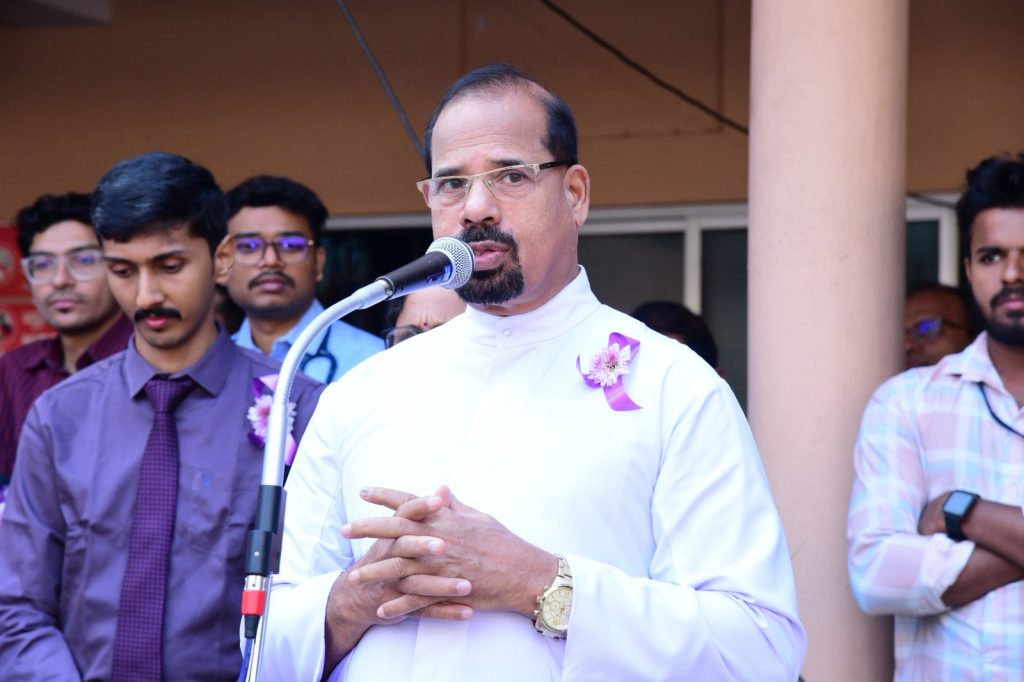
Rev. Fr Faustine Lucas Lobo, Director, Father Muller Charitable Institutions, presided over the inauguration. In his address, he emphasized that cancer does not impact the individual alone but profoundly affects their families and caregivers as well. He noted that restoring a sense of normalcy requires collective effort, encompassing medical care, emotional support, and social responsibility. He also cautioned that rising pollution and food adulteration demand greater vigilance and environmental stewardship to prevent conditions such as cancer.
Adding energy and inspiration to the occasion, students from the Father Muller College of Allied Health Sciences (Department of Hospital Administration) and the Father Muller College of Physiotherapy presented a spirited flash mob. Their performance resonated with messages of strength, resilience, and hope, reinforcing the belief that cancer can be defeated.
A World Cancer Day commemorative video was screened, featuring members of the FMOC management and faculty echoing the theme “United by Unique” and reaffirming their commitment to supporting cancer patients. The gathering wore purple ribbons, symbolizing solidarity, awareness, and compassion for those affected by cancer.
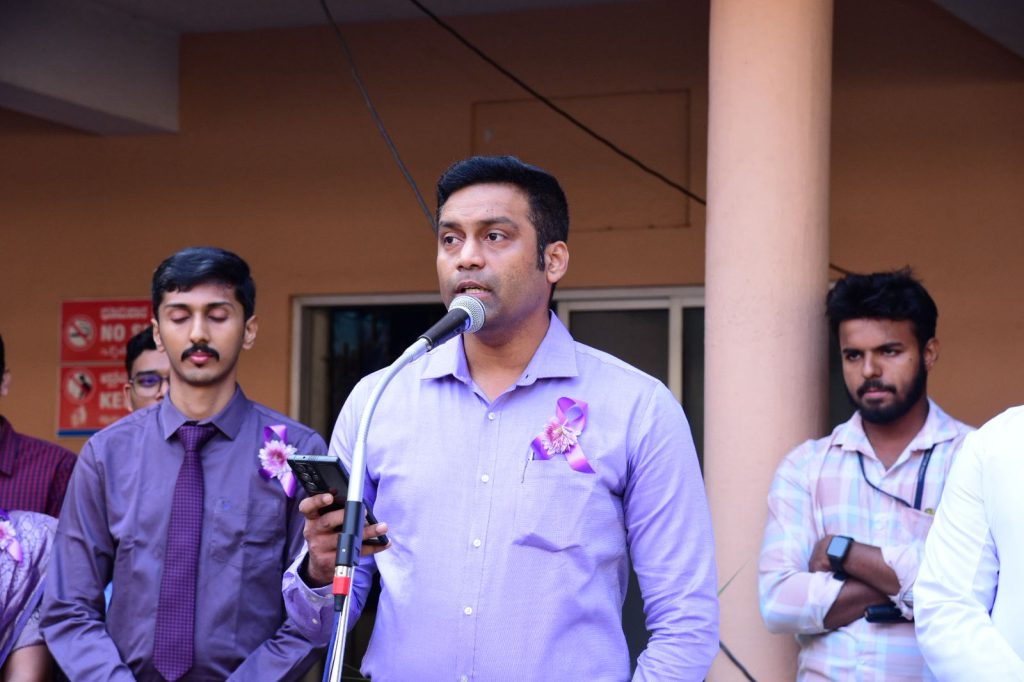
The Medical Oncology, Surgical Oncology, and Radiotherapy Departments of FMOC, along with the Departments of Community Medicine and Hospital Administration, unveiled banners highlighting the various commemorative activities planned as part of World Cancer Day. Drop-down banners were displayed to inform and engage the public.
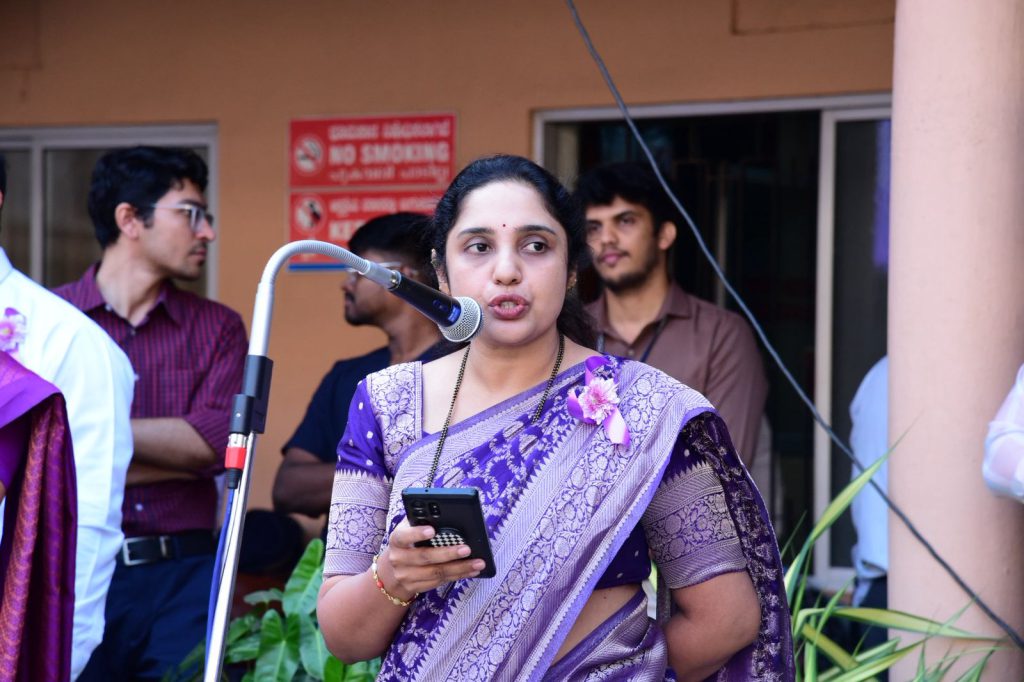
The planned activities include:
• Cancer Awareness Talk for FMCI employees on 13 February 2026
• Blood Donation Drive, Hair Donation Drive, and NutriCare Competition on 24 February 2026, from 9:00 a.m. to 1:00 p.m., at the Muller Mini Hall, Father Muller Convention Centre, open to public participation
• Reel-making competitions titled “Upside Down Challenge” to create cancer awareness and “Share Your Story” as part of the public outreach initiative. Further details are available in the event posters.
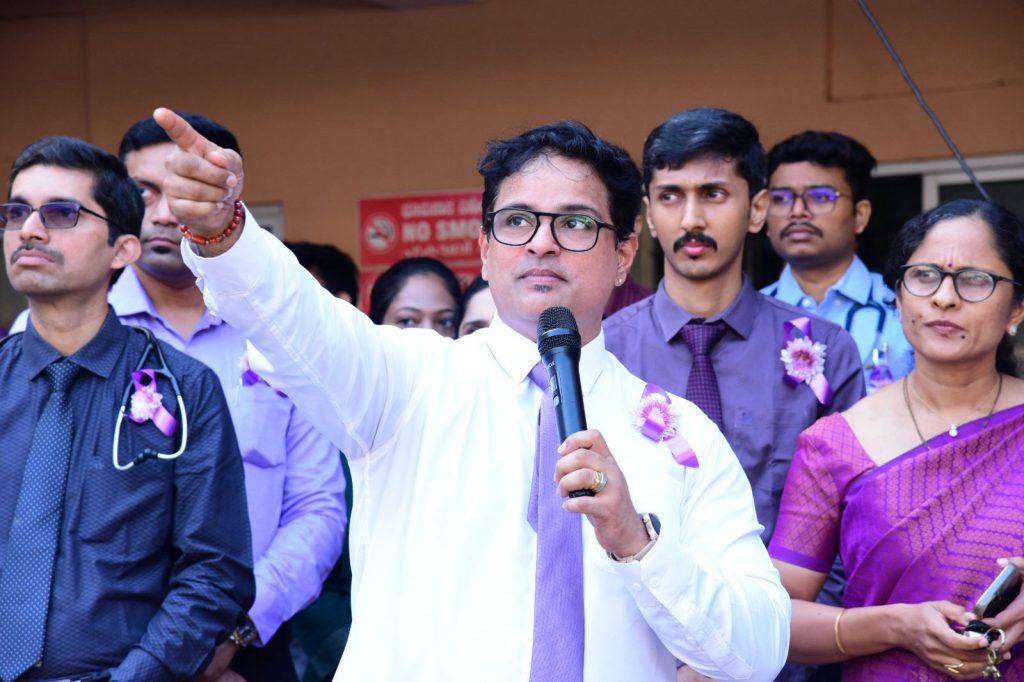
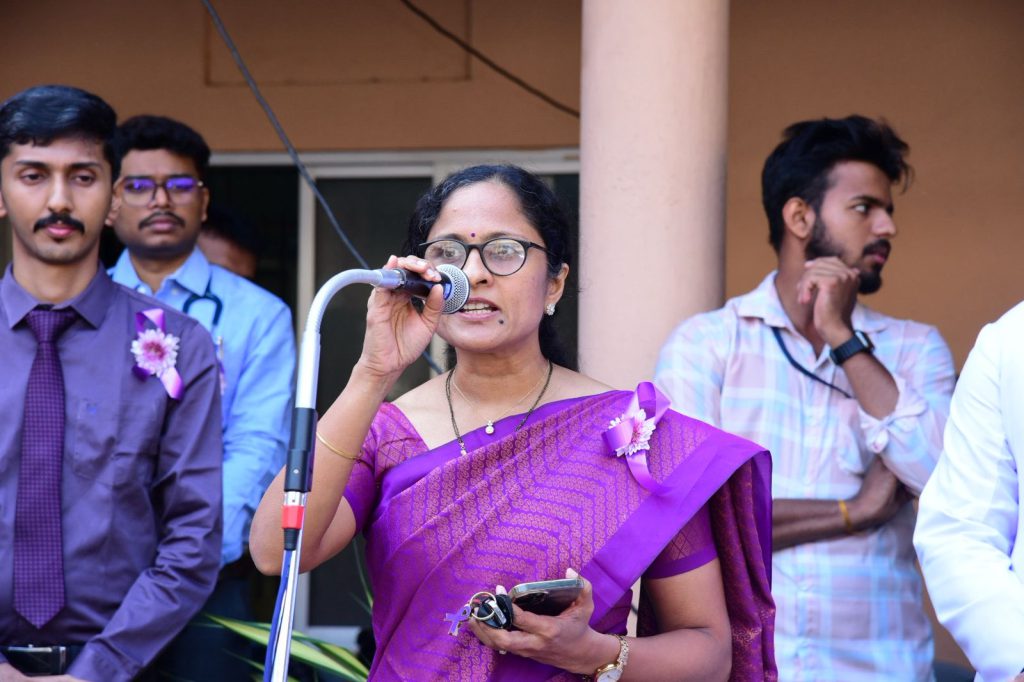
Dr. Nishitha Shetty (Professor, Medical Oncology) welcomed the gathering and compered the programme. Dr. Elroy Saldanha (Associate Professor, Surgical Oncology) highlighted the significance of World Cancer Day, while Dr. Kelvin Pais (Liaison Officer) outlined the schedule of events during the banner unveiling. Dr. Chandana Pai (Associate Professor, Pediatric Hemato-Oncology) proposed the vote of thanks.
The Father Muller Medical College Hospital continues to be at the forefront of innovation and compassionate medical care, with the Father Muller Oncology Centre offering expert treatment to patients from all walks of life.
Through this inauguration of World Cancer Day commemorative events, the institution invites the public to actively participate—by donating blood or hair, sharing stories, recipes, or simply offering support.
The public is encouraged to follow Father Muller Cancer Centre on Instagram or connect via WhatsApp using the number provided to be part of these meaningful initiatives.
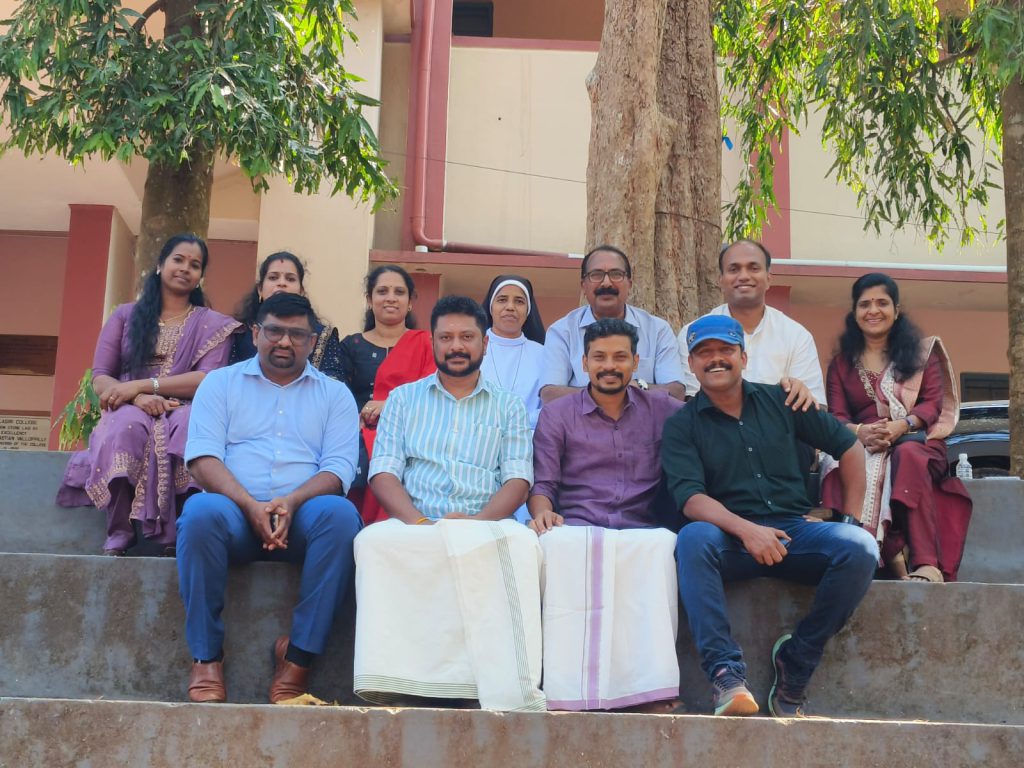
Nirmalagiri College (Autonomous) | Kuthuparamba | Affiliated to Kannur University | Global TV
ഡിസംബർ 26 ന് ‘നെല്ലിക്ക’യിൽ എത്തുവാൻ കഴിയാതിരുന്നവർ…
2005 B.A. History Batch…
ഇന്നലെ നിർമ്മലഗിരിയുടെ നെല്ലിമരച്ചുവട്ടിൽ കുറച്ചു പേരുടെ ഒത്തുചേരൽ..
സന്തോഷ്, Fr. ദീപക് S.J, സുജിത്, Sr. ഉഷറ്റ് CMC, ജിജി…
ജോൺ ജോസഫ് സാർ,ടെസ്സി മിസ്സ്, രമേശൻ..
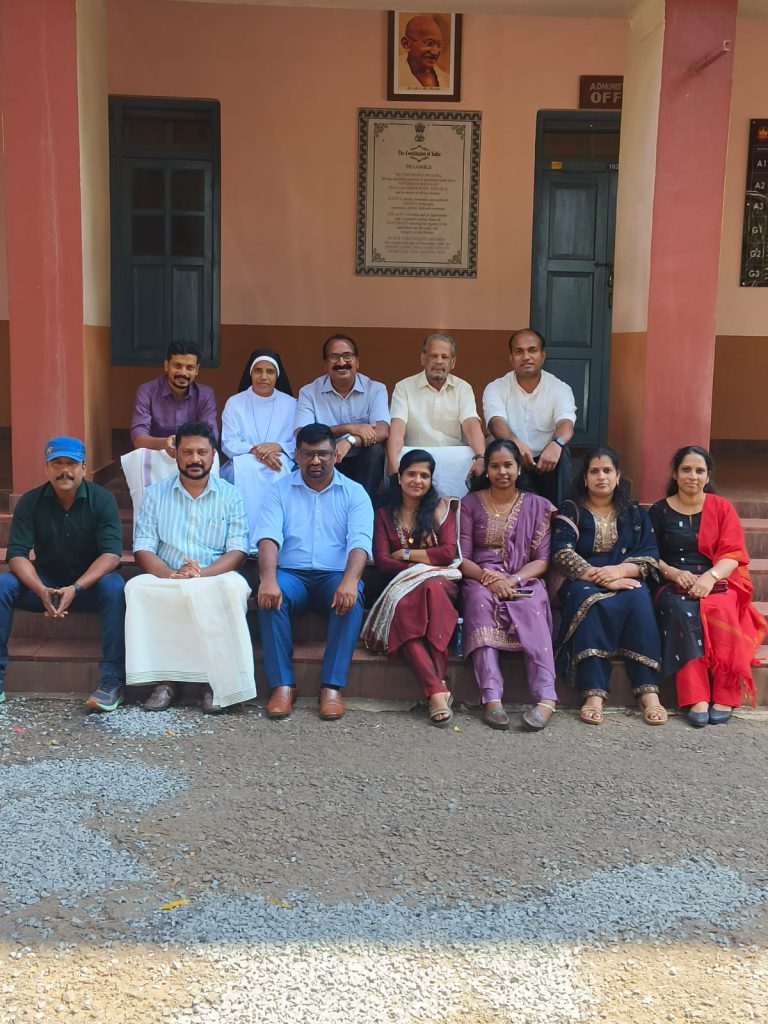
ഏറെ ഹൃദ്യമായ ഒരു കൂടിയിരുപ്പ്.. മധുരതരമായ ഓർമ്മകളുടെ ഇനിപ്പ്…
എത്തിയവരെപ്പോലെതന്നെ എത്തുവാൻ കഴിയാതിരുന്നവരും ഓർമ്മകളിൽ നിറഞ്ഞു നിന്നു.
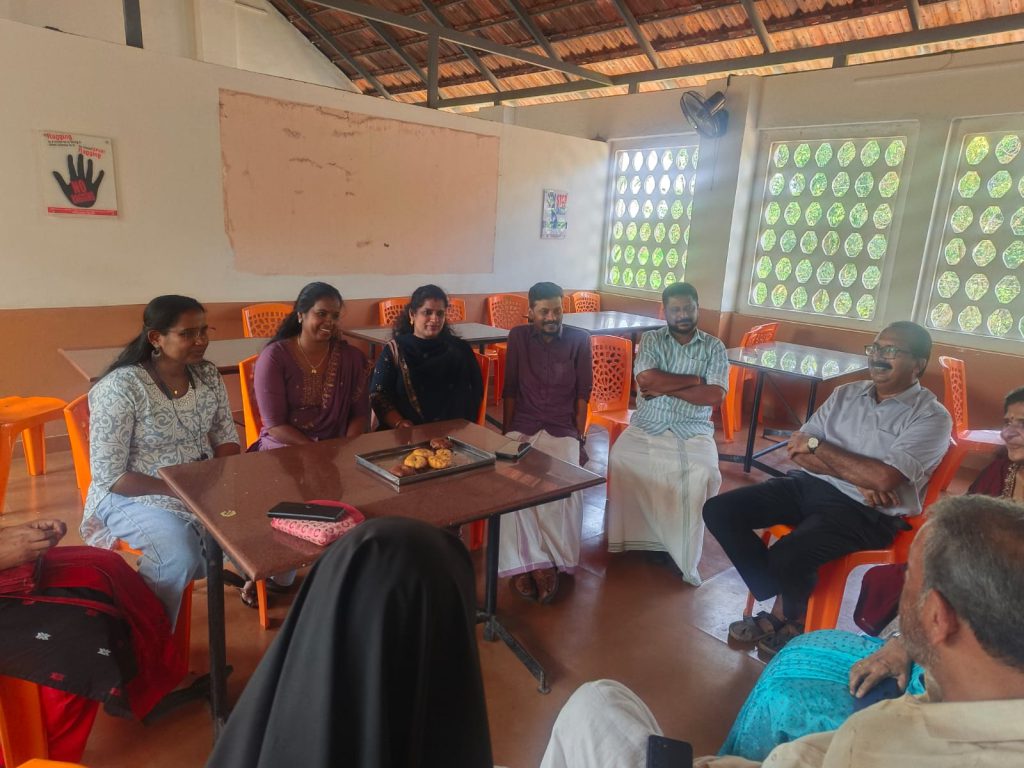
ഇരുപതു വർഷങ്ങൾക്കു ശേഷവും ഓർമ്മകളും ഓർമ്മപ്പെടുത്തലുകളും
ഇന്നത്തേക്കുള്ള ഊർജ്ജമായി മാറുന്ന
ഇന്ദ്രജാലം..
എല്ലാവർക്കും നന്ദി.
ROTARIAN LAL GOEL TO ADDRESS INDIAN DIASPORA IN THE USA ON ORGAN DONATION | Global TV
Rotary Club | Shared commitment to advancing the global mission of Organ Donation Awareness | Global TV
Mumbai, February 1, 2026 – Rotarian Lal Goel, Founder and Charter President of the Rotary Club of Organ Donation International and Chairman of the Organ Donation India Foundation & GYAN, will address members of the Indian diaspora across the United States this summer to promote awareness and advocacy for Organ Donation.
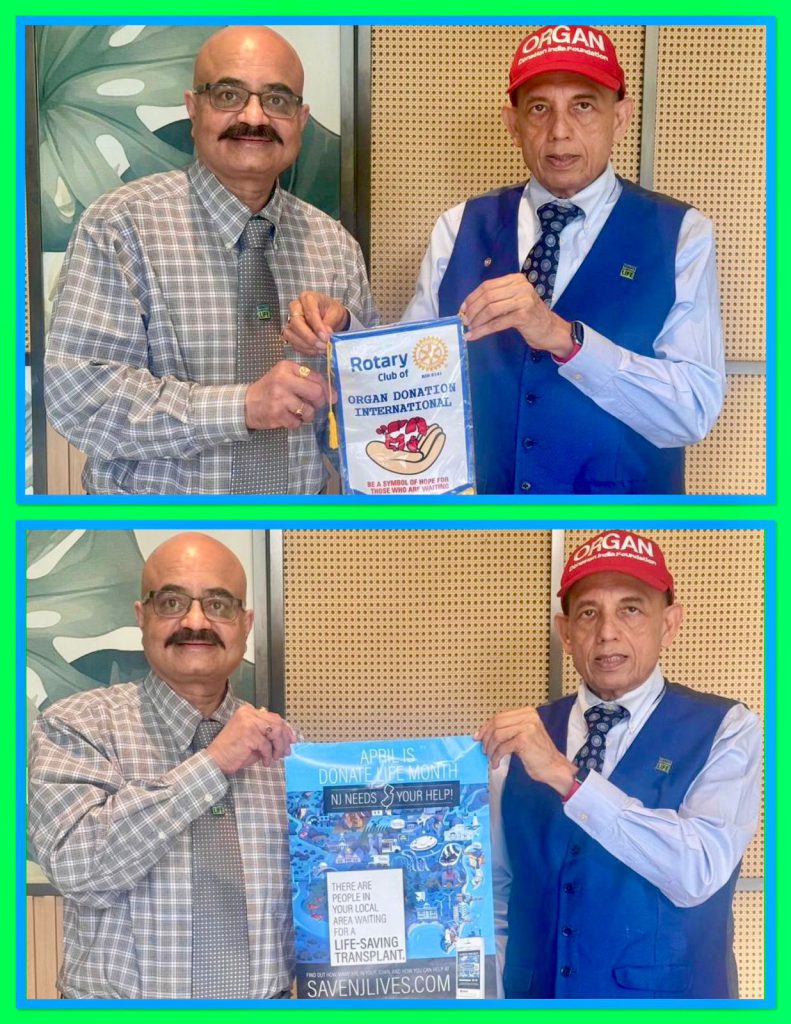
The initiative follows a high-level strategic planning meeting between Lal Goel and Dipan Shah at the Hotel Hilton Garden Inn, Mumbai. The discussion culminated in a collaborative, bilateral education and outreach program aimed at strengthening Organ Donation awareness and best practices in both India and the United States.
During his US engagements, Rotarian Lal Goel will focus on the legal, ethical, and regulatory framework governing Organ Donation in India, while also highlighting the country’s world-class transplant infrastructure and medical expertise. His addresses are designed to empower the Indian diaspora to actively engage their families and communities in India, encouraging informed decisions that can save countless lives.
As part of this reciprocal collaboration, Rotarian Dipan Shah will visit India in December, where he will share insights into the latest advancements, protocols, and innovations in organ and tissue donation from the United States, fostering cross-border learning and capacity building.
Rotarian Dipan Shah currently serves as the Tissue Donation Chair of the Rotary Club of Organ Donation International and is a Surgical Skin and Musculoskeletal Tissue Bank Recovery Specialist at MTF Biologics, working in association with NJ Sharing Network, USA.
The planning meeting concluded on a warm note of Rotary fellowship, with Rotarian Lal Goel presenting the Rotary Club flag to Rotarian Dipan Shah, who reciprocated by presenting an NJ Sharing Network poster—symbolizing a shared commitment to advancing the global mission of Organ Donation.
Thumbay University Hospital Successfully Performs Its First Advanced Heart Bypass Surgery | Global TV
Historic off-pump CABG marks a major milestone in the hospital’s cardiac care journey
NV Paulose, Chairman, Global TV +91 98441 82044
Ajman, UAE – Thumbay University Hospital has achieved a major clinical milestone with the successful completion of its first Coronary Artery Bypass Grafting (CABG) surgery, marking the beginning of advanced cardiac surgical services at the academic medical center.
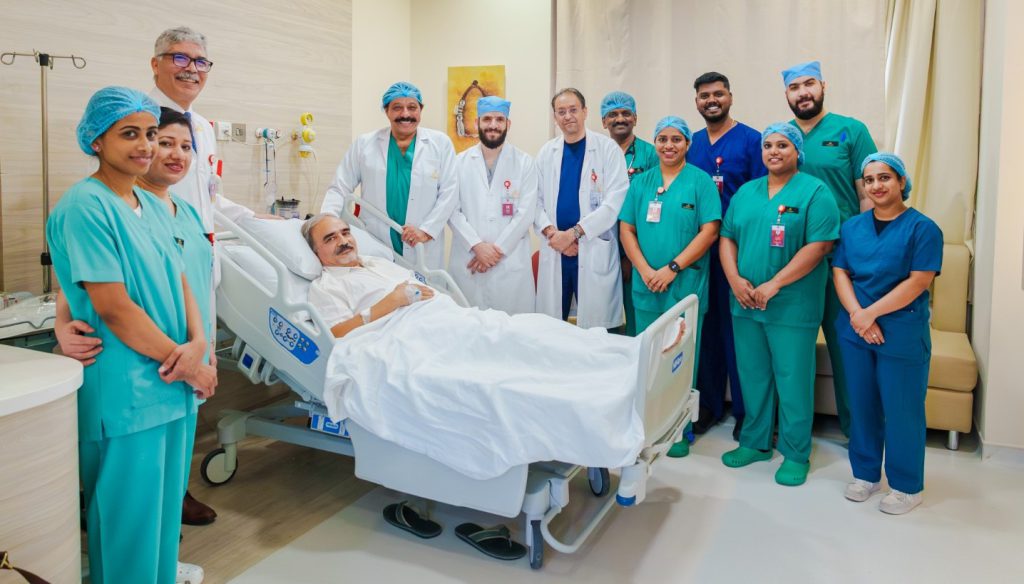
The landmark procedure was performed, on a 51-year-old patient, Mr. Syed Omer, who was diagnosed with severe ischemic coronary artery disease, including critical left main coronary artery stenosis, a high-risk condition that significantly restricts blood flow to the heart. The patient also had diabetes mellitus, requiring precise peri-operative management and advanced cardiac care.
The surgery involved a double-vessel bypass using the off-pump (beating heart) technique, where the heart continues to beat during the operation without the use of a heart-lung machine. This approach reduces surgical stress on the body and is associated with faster initial recovery, fewer complications, and improved outcomes in selected patients.
The highly specialized cardiac surgery team Under Dr.khaled farrag, Consultant of cardio thoracic surgery, successfully placed two grafts to bypass the blocked coronary arteries, restoring healthy blood flow to the heart muscle. The patient is back with his family and enjoying normal life with remote supervision.
A defining moment for academic healthcareSpeaking on the achievement, Mr. Akbar Moideen Thumbay, Vice President – Healthcare Division, Thumbay Group, said: “This first successful bypass surgery at Thumbay University Hospital is not just a medical achievement. It is the beginning of a new era of advanced cardiac care within our academic healthcare ecosystem. Every major hospital remembers its first open-heart case. For us, this moment reflects the depth of our clinical expertise, the strength of our infrastructure, and our long-term commitment to bringing complex, life-saving care closer to the community. It reinforces our belief that a university hospital must lead not only in education, but also in clinical excellence.”
Raising the standard of heart care The successful CABG marks the operational readiness of Thumbay University Hospital to manage complex cardiac conditions, including high-risk coronary artery disease. The hospital’s cardiac program is supported by advanced operation theatres, critical care units, cardiac diagnostics, and a fully integrated emergency and rehabilitation pathway.
Rashmi Shetty | A Life Shaped by Voice, Courage, and Conscious Choice | Global TV
NV Paulose, Chairman, Global TV +91 98441 82044
Rashmi Shetty’s journey is of an inner transformation that begins in doubt and matures into purpose
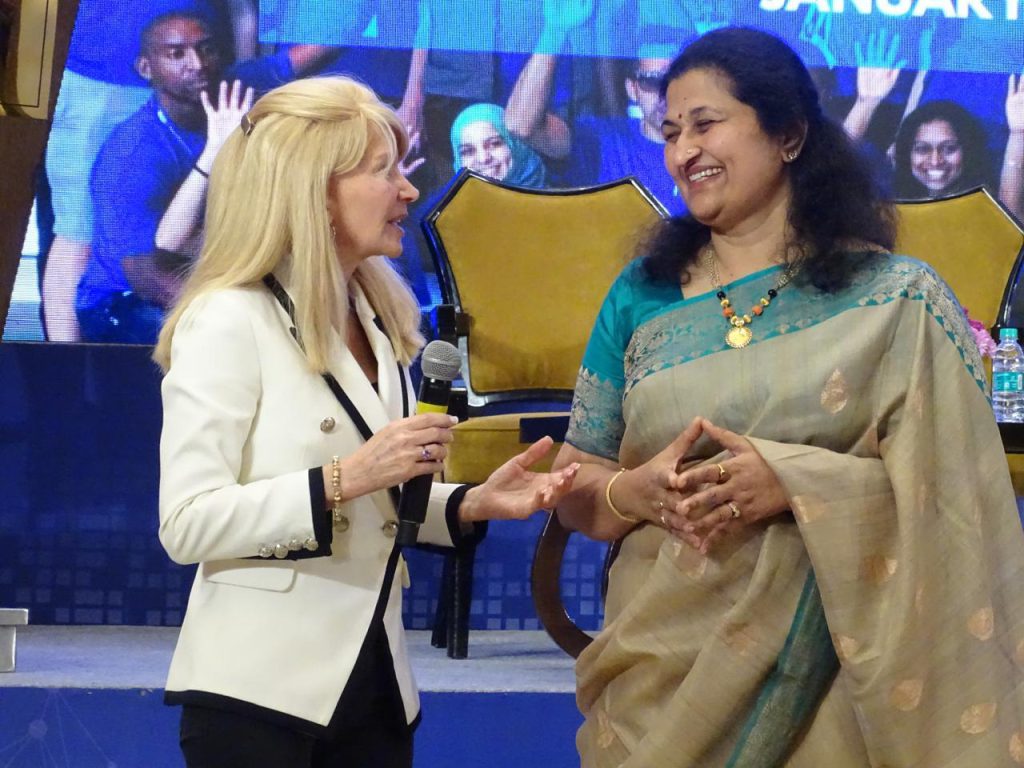
Rashmi Shetty, a VOICE coach, is someone whose presence speaks before her words do. A storyteller at heart and a guide by choice, she has built a life around voice, intention, and conscious communication. Her journey is not marked by sudden breakthroughs, but by a series of deliberate responses to moments that demanded courage, reflection, and inner resolve. Over time, these choices shaped a woman who not only found her own voice, but now helps others discover theirs. Her Success is defined by the quiet consistency that had chosen growth over comfort.
From Stage Fear to Global Voice:
One of the earliest and most defining turning points in Rashmi’s life came in 1990. During an election campaign in college, she forgot her speech midway and stood exposed in front of an audience, overwhelmed by fear and regret. An introvert by nature and deeply averse to public speaking, she questioned her own decision to even step forward.
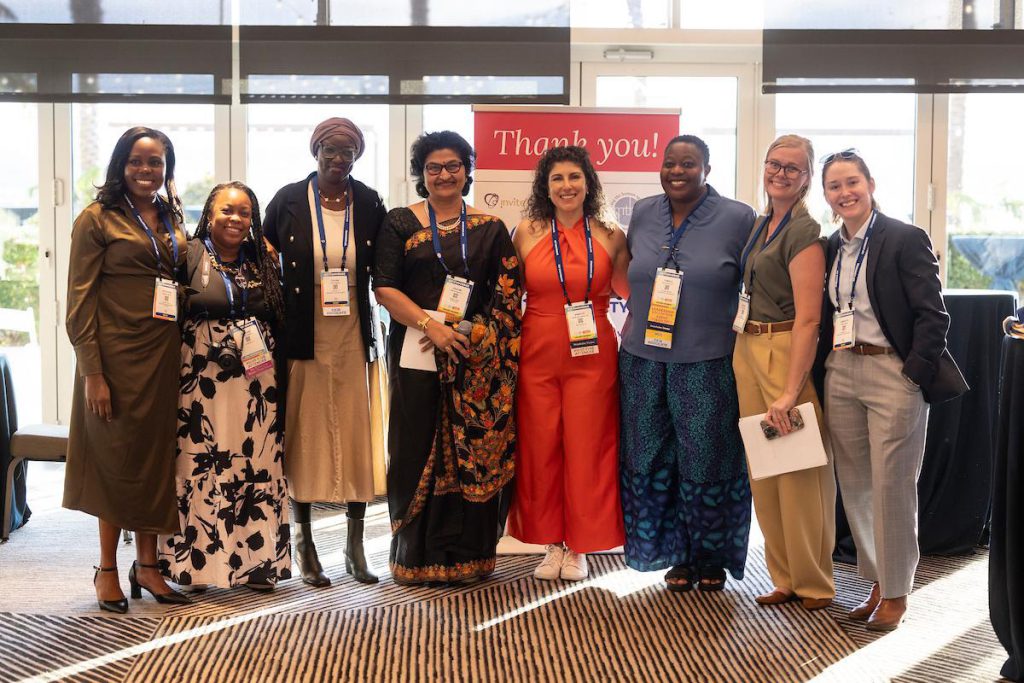
For many, this moment would have been reason enough to retreat permanently into self-doubt. For Rashmi, it became the beginning of conscious self-work. Instead of allowing embarrassment to limit her, she chose discipline and learning. She enrolled herself in public speaking classes, actively sought opportunities to speak, and represented her college in debates and paper presentations.
What followed was not merely improvement, but excellence. She completed her postgraduate education receiving the Best Outgoing Student Award, a recognition that reflected not just academic merit but personal transformation. The fear that once held her back slowly became a strength she would later build her life around.
The Courage to Choose Consciously:
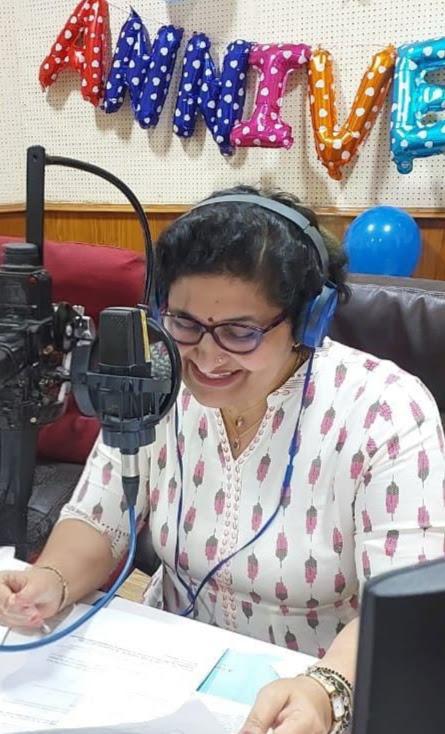
Her professional journey mirrors this same spirit of initiative and courage. When she completed her Masters in Public Administration & cleared the UGC(Net) exams, joined her alma mater as a Faculty member. When her family moved from Chennai to Bengaluru, She knew her life was set, however her subject was Public Administration & there were no colleges in Bengaluru offering the subject. Forced to change her line, Rashmi made a bold and unconventional move by writing letters of interest to several five-star hotels without any assurance of response. The outcome was remarkable.
Every one of them called her back, giving her the rare privilege of choice and finally she joined Ashok Hotel in sales. This led her to a mentor who played a significant role in shaping her professional values. Over the years, Rashmi’s career evolved across diverse domains.
She worked as a book advisor with Time Warner, joined All India Radio as a Radio Jockey, and later moved into the world of storytelling with the publishing house Katha. Eventually she moved into Behavioural facilitation. Each transition added depth to her understanding of communication, narrative, and human connection.
Voice as Identity, Not Just Sound:
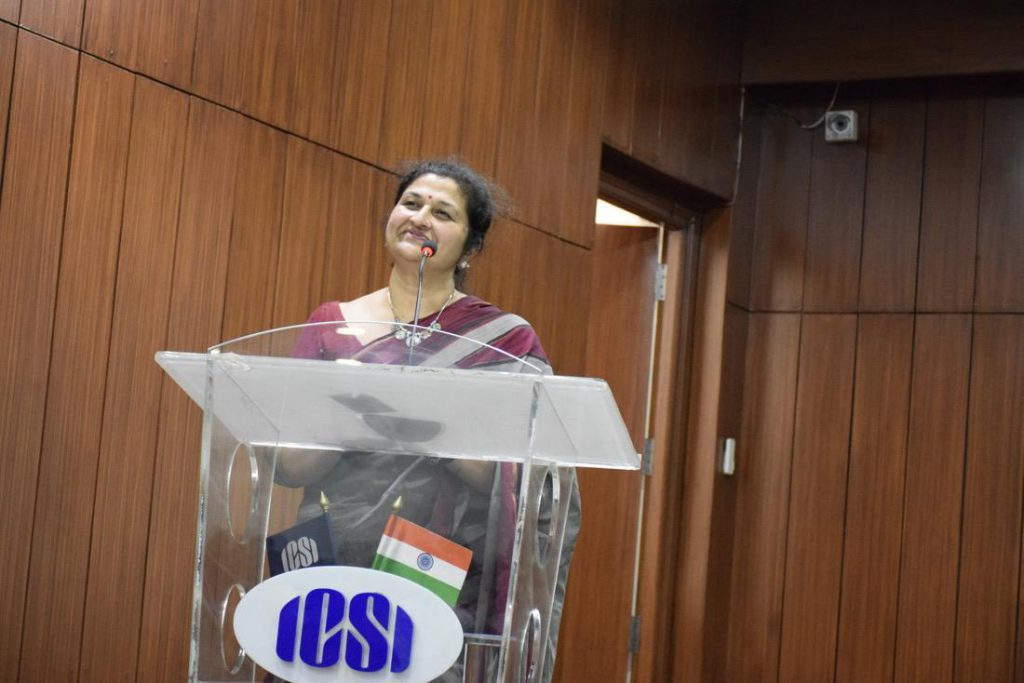
Her decade long association with radio introduced her to the profound power of voice, not merely as sound, but as presence, emotion, and identity. Her Voice carries the weight of unspoken stories, the warmth of empathy, and the power of personal truth. In the intimate, unseen space between speaker and listener, she witnessed how a voice could project a person, how a pause could convey doubt, a shift in tone could reveal irony, and a steady pace could assure unwavering conviction.
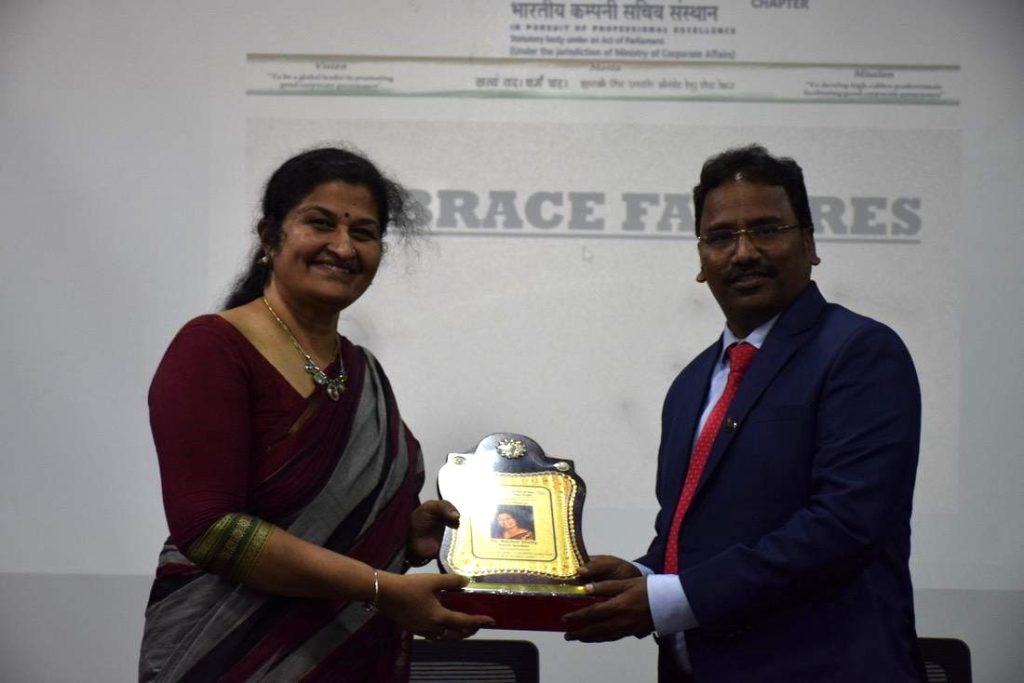
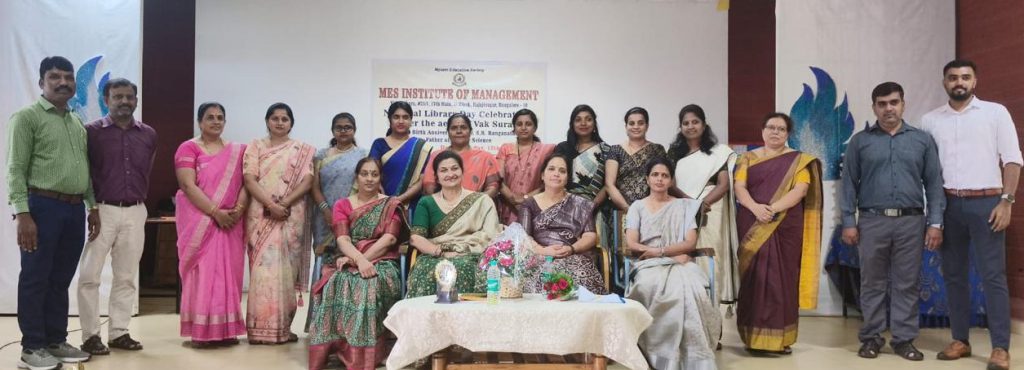
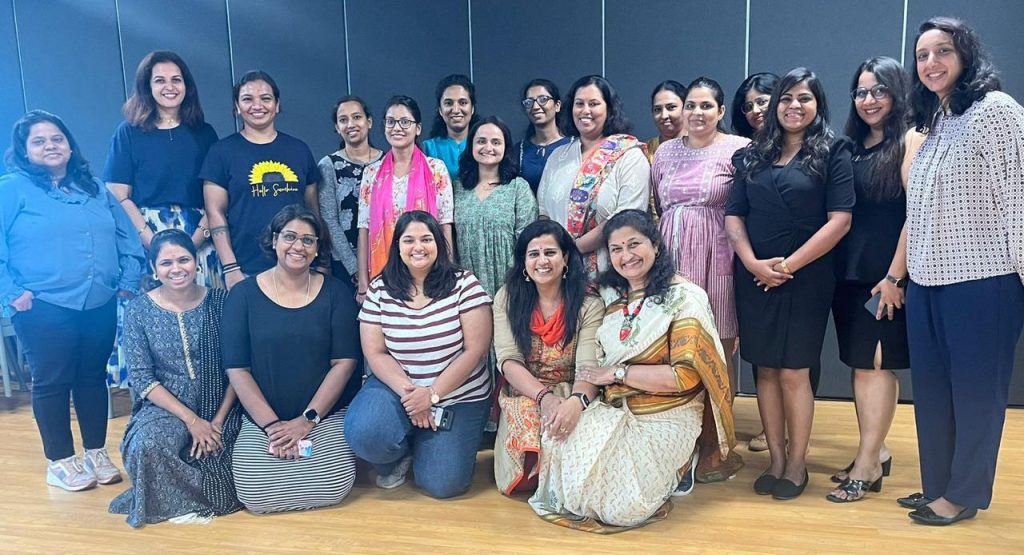
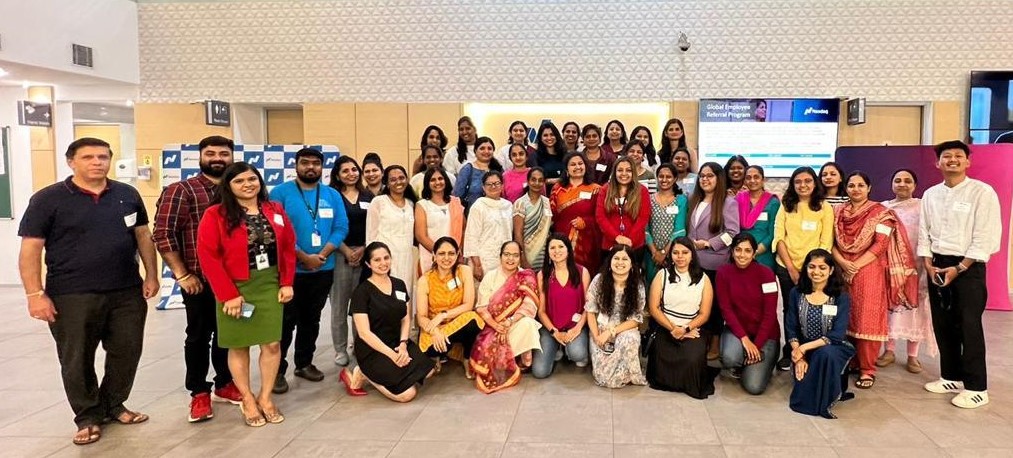
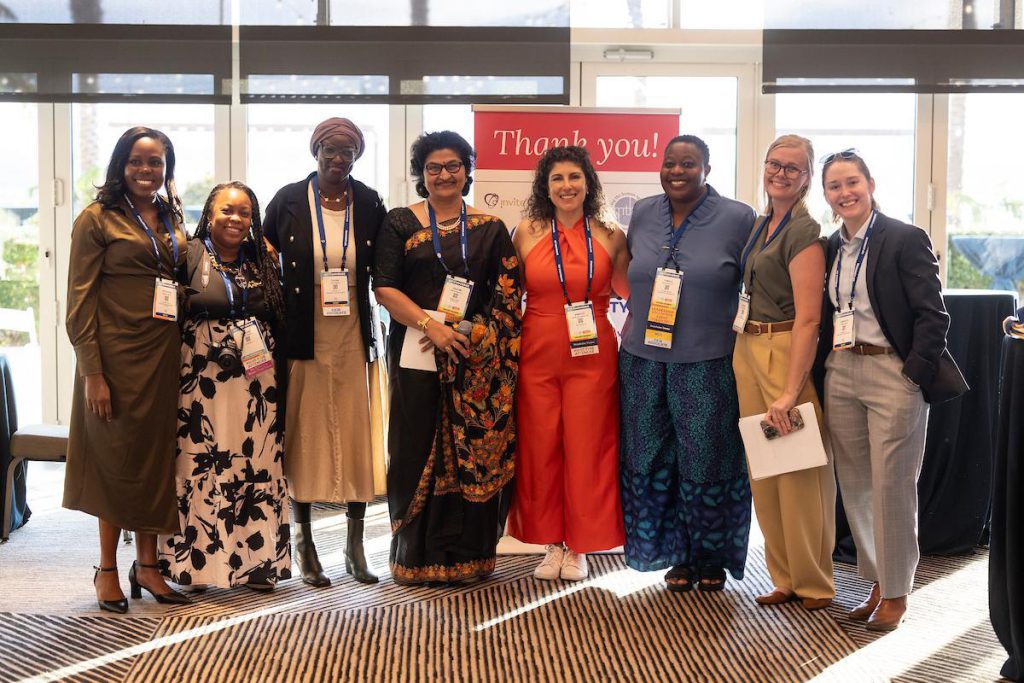
This profound understanding reframed her voice as the primary channel for genuine human presence, where emotion and identity become palpable, transforming mere communication into a revelation of self.
Leading with Empathy: The OODA Loop of Conversation:
On her audio podcast U n’ I with Rashmi Shetty, she conducts interviews the way a seasoned fighter pilot navigates combat, instinctively moving through what military strategists describe as the OODA Loop. She begins by observing deeply, listening not only to what her guests say but to the pauses, tonal shifts, and emotions that surface between sentences.
She then orients herself in real time, absorbing their lived experience with empathy and contextual understanding. Her questions emerge as conscious decisions rather than scripted prompts, shaped by the moment rather than a preset agenda. When she finally acts, it is with gentle precision, asking questions that open rather than corner, and invite reflection rather than performance.
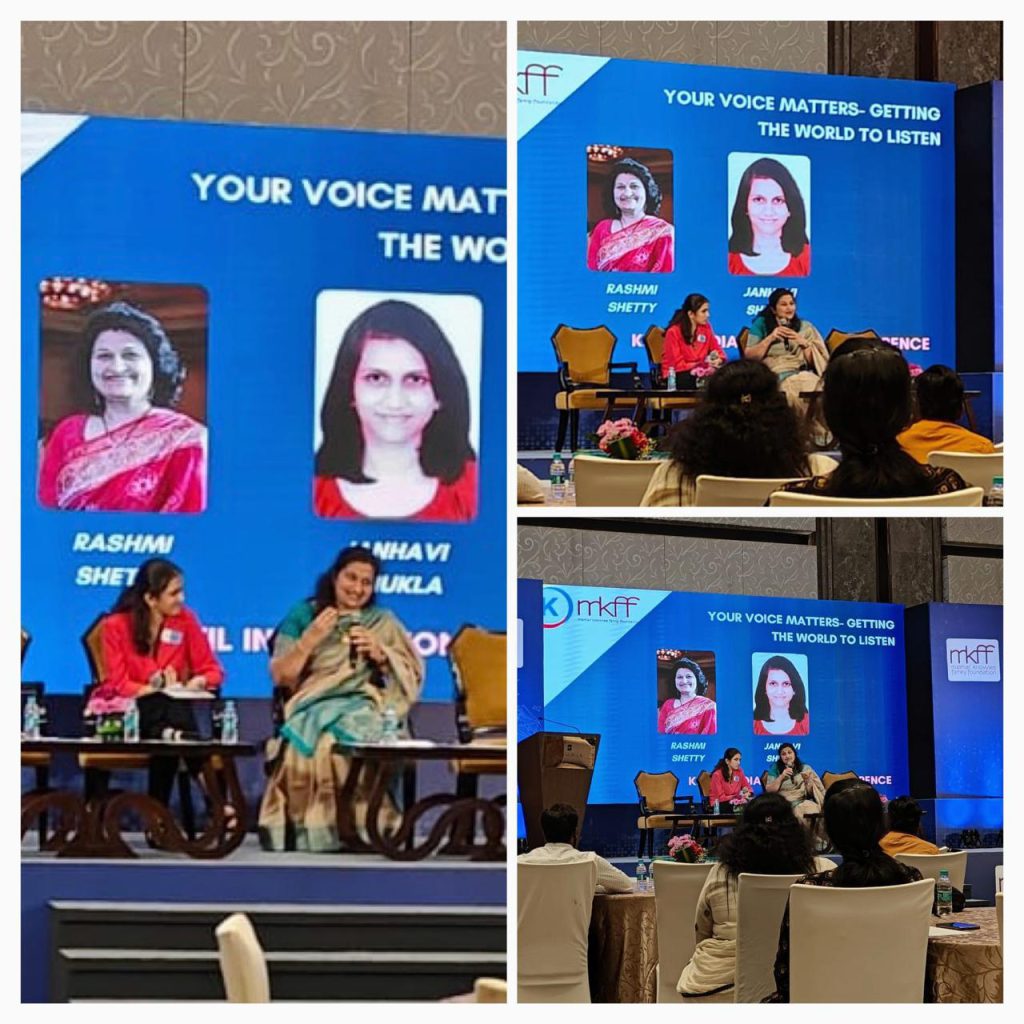
By staying within the emotional decision cycle of the conversation, Rashmi creates a space where guests feel safe to drop their defences and speak from the heart, often sharing insights they did not know they were ready to voice. Conversations touch the hearts of everyone.
Alongside professional growth, Rashmi made deeply personal and courageous decisions. She took a conscious break with motherhood, a choice that required clarity, conviction, and self-trust. Later, as a freelance behaviour facilitator, she piloted the demanding years of raising toddlers while managing professional assignments without any extended family support at home.
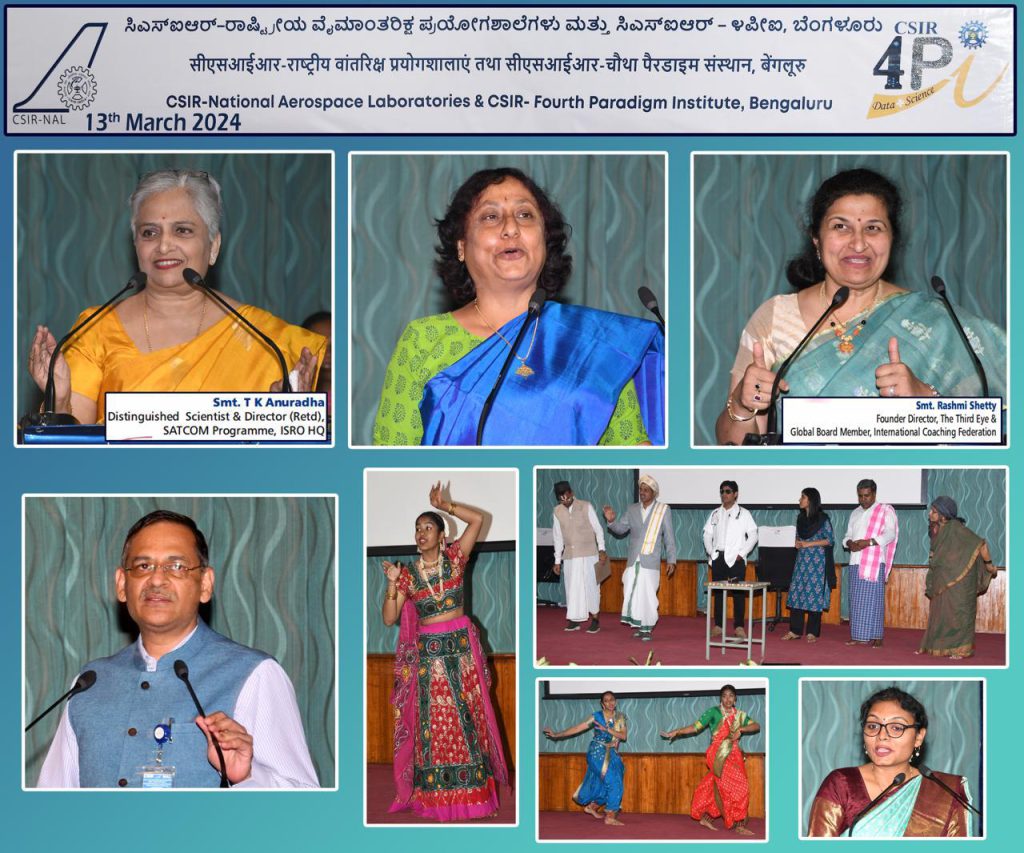
These were years marked by exhaustion, struggles, and constant recalibration. Through this phase, she learned that work life balance is not a fixed formula but an ongoing process of integration, acceptance, and compassion toward oneself. The challenges she overcame shaped her philosophy and character. Overcoming the fear of public speaking was the first step. She learned to handle unfamiliar subjects with confidence as a result.
She managed responsibilities that demanded both emotional strength and practical discipline. Each challenge refined her ability to remain steady in uncertainty and purposeful in action.
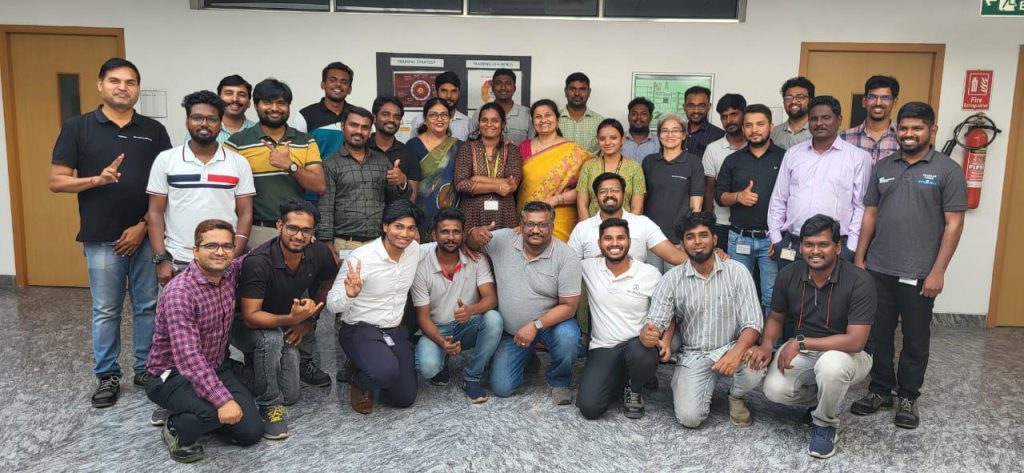
Recognition followed naturally. Rashmi cleared the UGC NET examination, was selected as an FM Radio Jockey with AIR FM Rainbow, and went on to win both national and international awards for scripting and narrating radio documentaries. She was honoured with the “Iconic woman making a better world for all” by the Women Economic Forum.
Her work as a podcaster also received accolades. Yet, beyond awards and titles, what she values most are the messages from clients whose lives changed after coaching, and the inner satisfaction of seeing growth where once there was hesitation.
A Legacy Beyond Awards: Impact Through Authenticity:
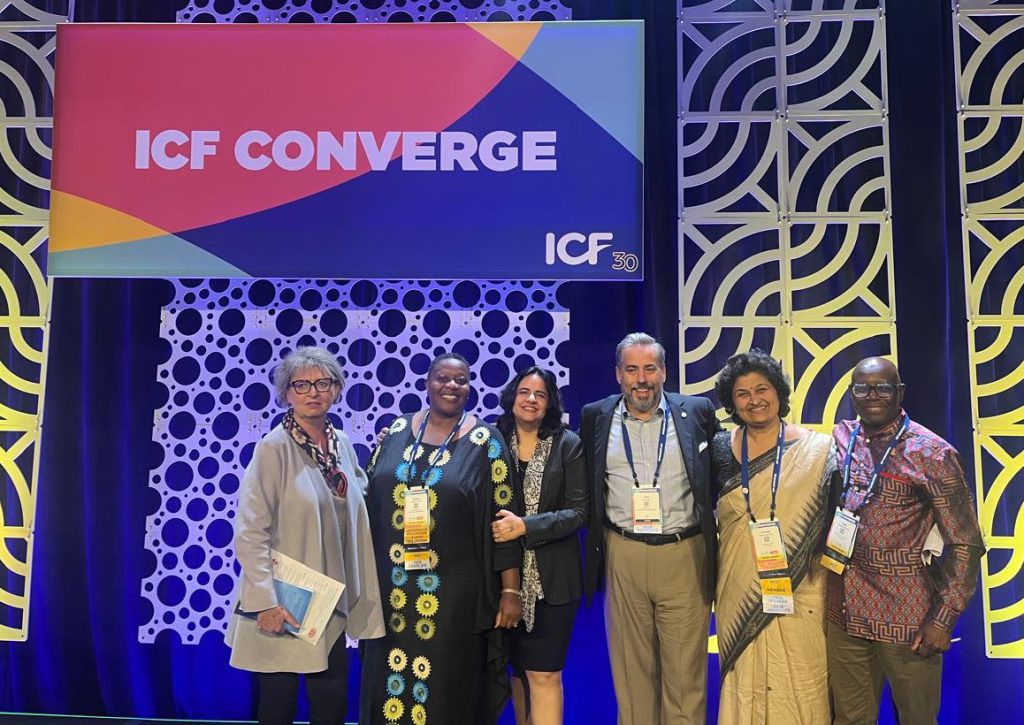
Among all her successes, Rashmi holds one closest to her heart. The way her sons have grown into young men who respect every person around them. This stands, for her, as a quiet but profound achievement. It reflects the values she lives by rather than those she merely speaks about. Professionally, Rashmi expanded her impact by becoming a credentialed coach with the International Coaching Federation (ICF) and founding The Third Eye. She served on the global board of the ICF Foundation from January ‘21to December ’25.
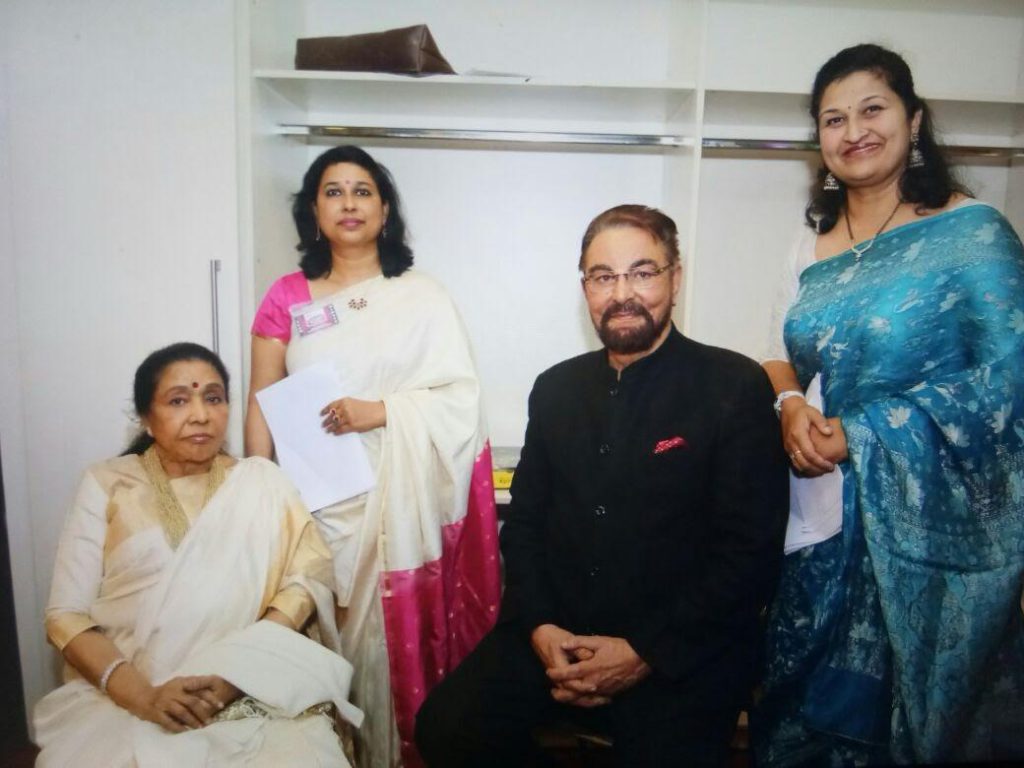
Over time, she evolved into a global Voice Coach, working with leaders across countries and cultures. Her work today integrates communication, leadership, self-awareness, and authenticity.
She does not train people to perform. She guides them to show up fully as themselves. Through her journey, Rashmi has distilled powerful learnings that guide both her life and her work. Her inspiration is the Bhagavad Gita. She believes that every outcome in life depends on how one responds to events beyond one’s control. Kindness, she feels, is not weakness but wisdom.
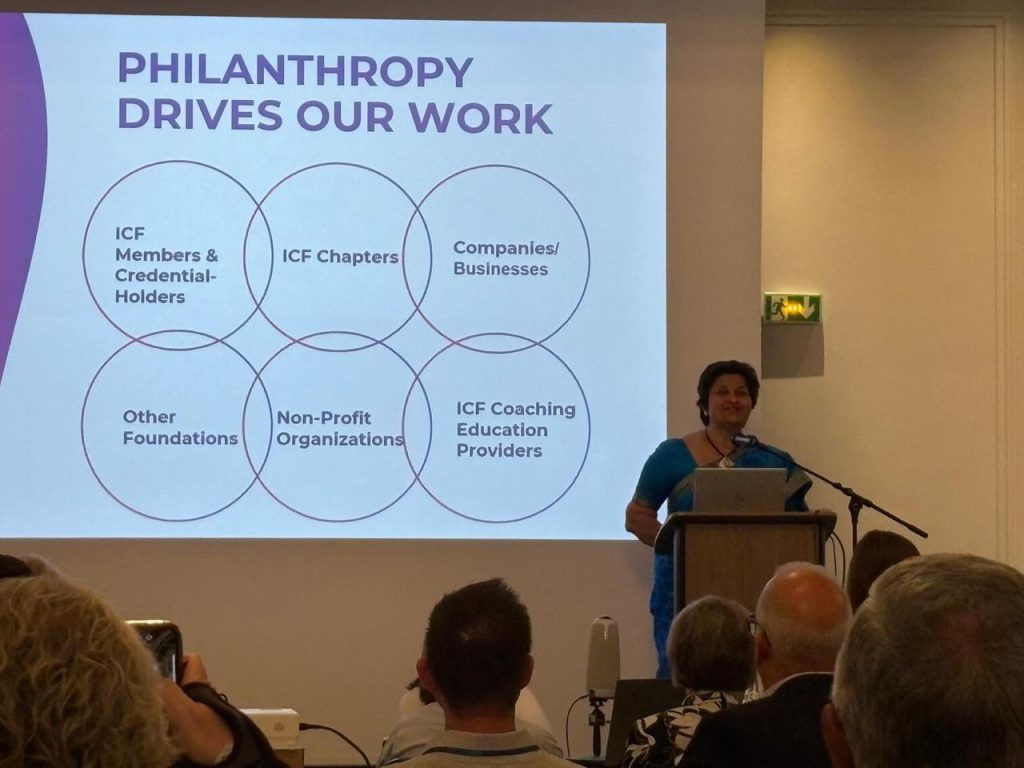
Faith, for her, is an act of surrender to a higher intelligence that sees possibilities beyond immediate understanding. Above all, she believes deeply that the present moment is the only moment that truly matters and that living with intention is the greatest discipline of all.
Rashmi Shetty’s life is not a story of sudden success or effortless talent. It is the story of deliberate becoming. From a forgotten speech to a global voice, Rashmi Shetty’s journey retells us that when courage is chosen repeatedly and quietly, it shapes a life of depth, purpose, and enduring influence. Her journey tells that fear can be a teacher, voice can be a calling, and purpose often reveals itself only to those willing to respond consciously to life. Her story is a testament to what becomes possible when one chooses courage again and again.
Dubai | Presidential Summit and Awards 2026 | Recognizing outstanding leadership | Meaningful dialogue | long term cooperation between nations | Global TV
Presidential Summit and Awards 2026 Celebrates Global Leadership and Strengthens India UAE Partnership in Dubai
NV Paulose, Chairman, Global TV +91 98441 82044
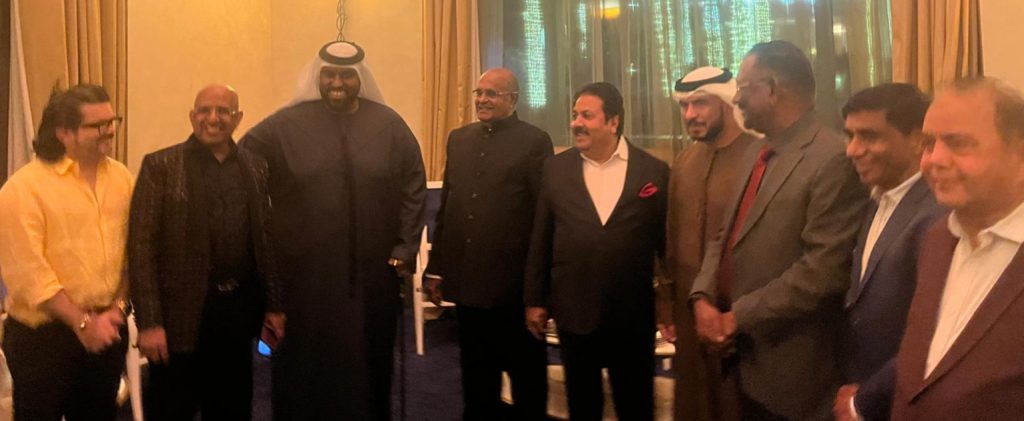
Dubai, UAE — The world iconic Atlantis The Palm in Dubai became the epicenter of global leadership and international cooperation as the Presidential Summit and Awards 2026 unfolded in a grand and dignified setting. The prestigious gathering brought together an exceptional constellation of political leaders, senior policymakers, entrepreneurs, and global influencers to celebrate excellence, innovation, and the growing partnership between India and the United Arab Emirates.
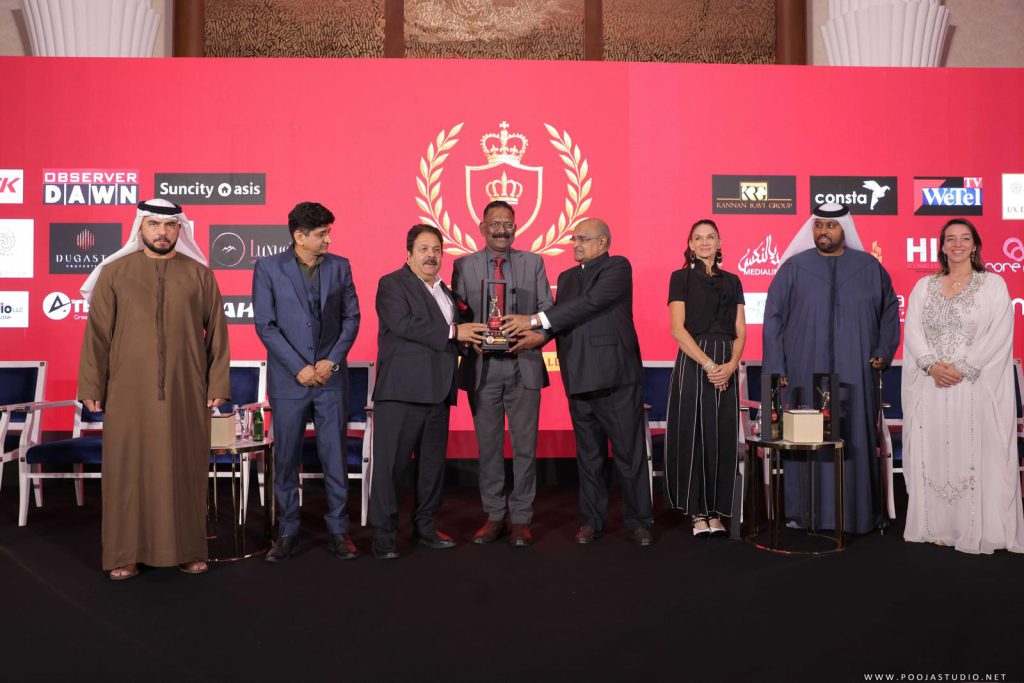
The summit stood as a thoughtfully curated international forum that blended recognition, dialogue, and diplomacy. It reaffirmed Dubai’s role as a global meeting point for visionary leadership while highlighting the deepening strategic and cultural ties between two forward looking nations.
A Vision Rooted in Purpose and Global Collaboration
The evening commenced with an inspiring welcome address by Dr Hari Om Tyagi, Founder and Chairman of Observer Dawn Media Group, joined by Mr Valarian Joseph, Global President of the Presidential Awards Committee. Their address laid out a compelling vision for the summit as a platform dedicated to recognizing outstanding leadership, encouraging meaningful dialogue across borders, and fostering long term cooperation between nations.
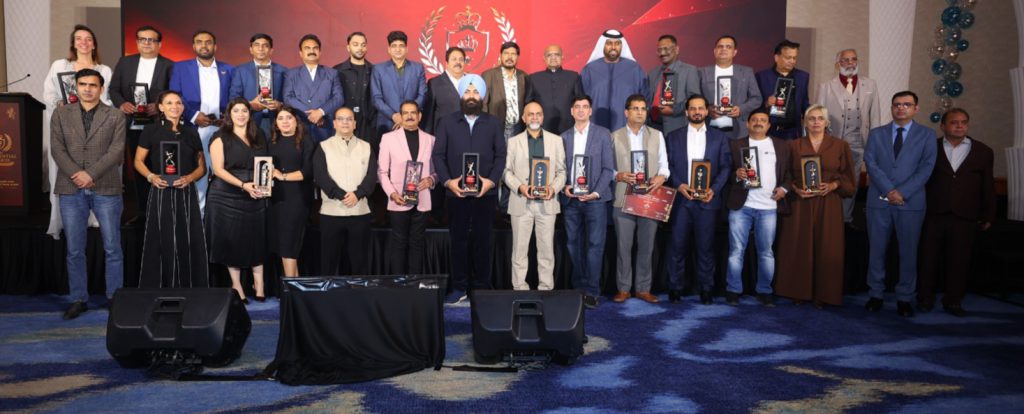
Their remarks underscored the importance of such forums in a rapidly evolving global landscape, where collaboration, ethical leadership, and shared responsibility are essential for sustainable progress.
Esteemed Dignitaries Grace the Occasion
The presence of highly respected dignitaries lent the event exceptional stature and credibility. The summit was honored by Shri Ramdas Bandu Athawale, Union Minister of State for Social Justice and Empowerment, Government of India, who attended as the Chief Guest. He was joined by Shri Rajeev Shukla, Former Union Minister and Vice President of the Board of Control for Cricket in India, and Shri K C Tyagi, Former Member of Parliament.
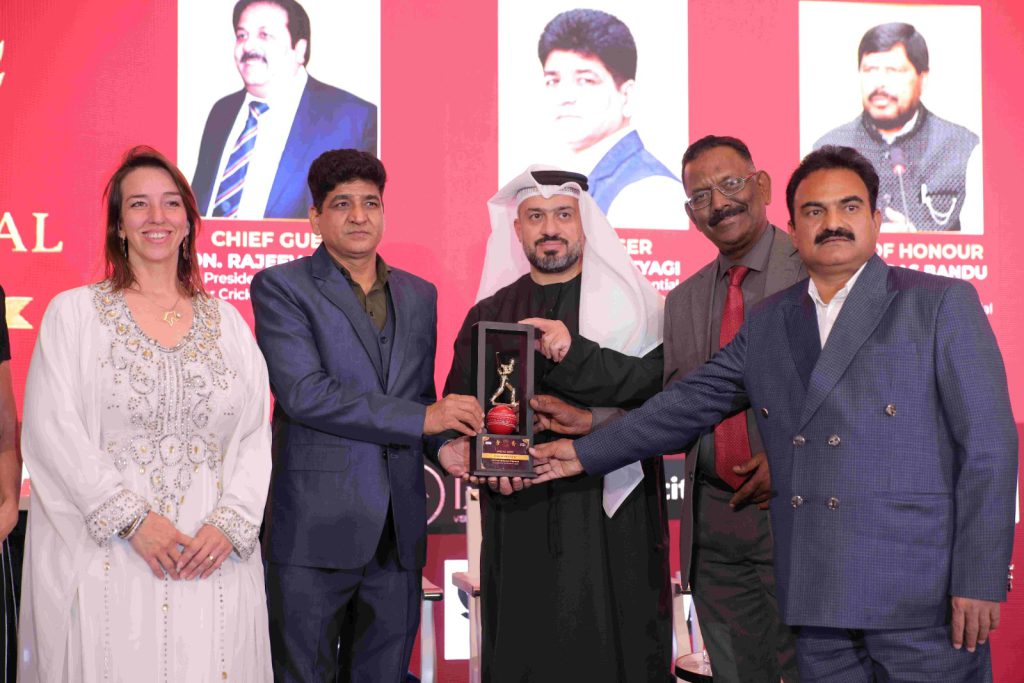
From the United Arab Emirates, the distinguished guests included Major Dr Omar Almarzooqi, Advisor to the Private Office of Sheikh Maktoum bin Suhail Al Maktoum, and Dr Juma Madani, Chairman of Al Matiya Investment. Their presence symbolized the warmth, trust, and mutual respect that define the India UAE relationship.
Meaningful Dialogue on India UAE Relations
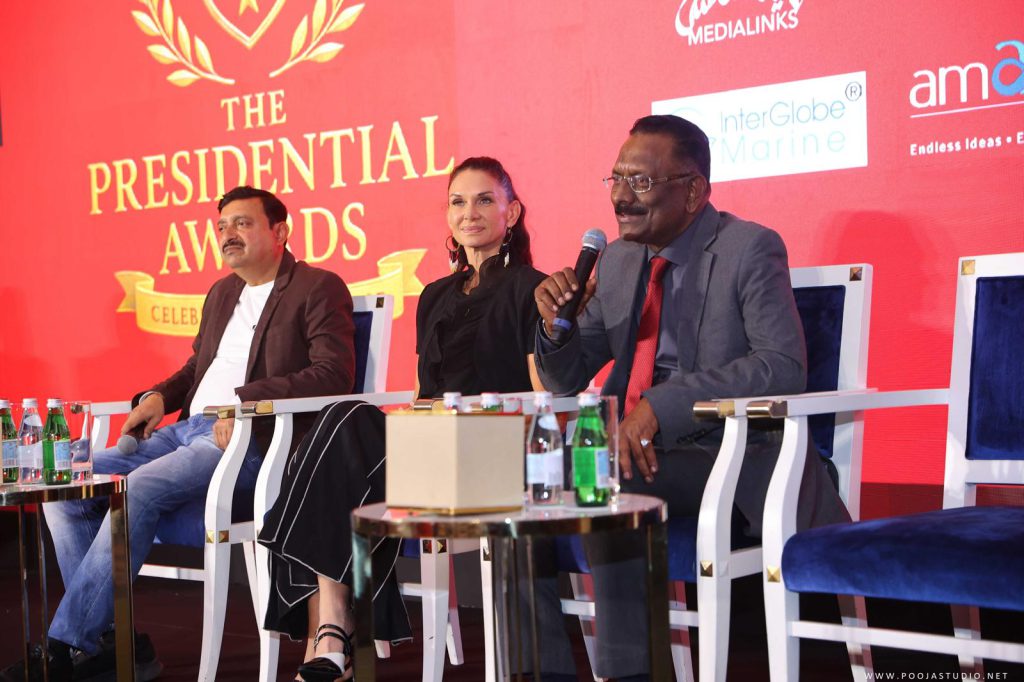
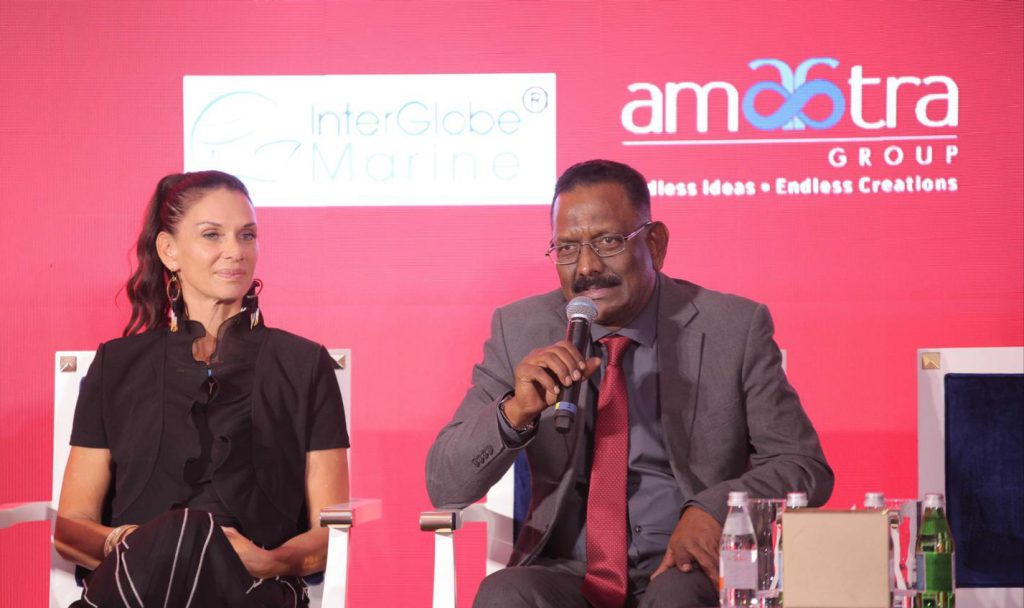
A key highlight of the summit was an in depth panel discussion focused on India UAE bilateral relations. The discussion explored areas such as trade and investment, entrepreneurship, innovation, and cultural cooperation. Senior business leaders and industry experts shared valuable insights into emerging opportunities and the shared economic vision of both nations.
The session was expertly moderated by Prof Adil Matin, President of WeTel World UAE, whose thoughtful guidance ensured a rich and forward looking exchange of ideas. The dialogue reflected the strong alignment between India and the UAE in pursuing inclusive growth and sustainable development.
Honoring Excellence Across Diverse Sectors
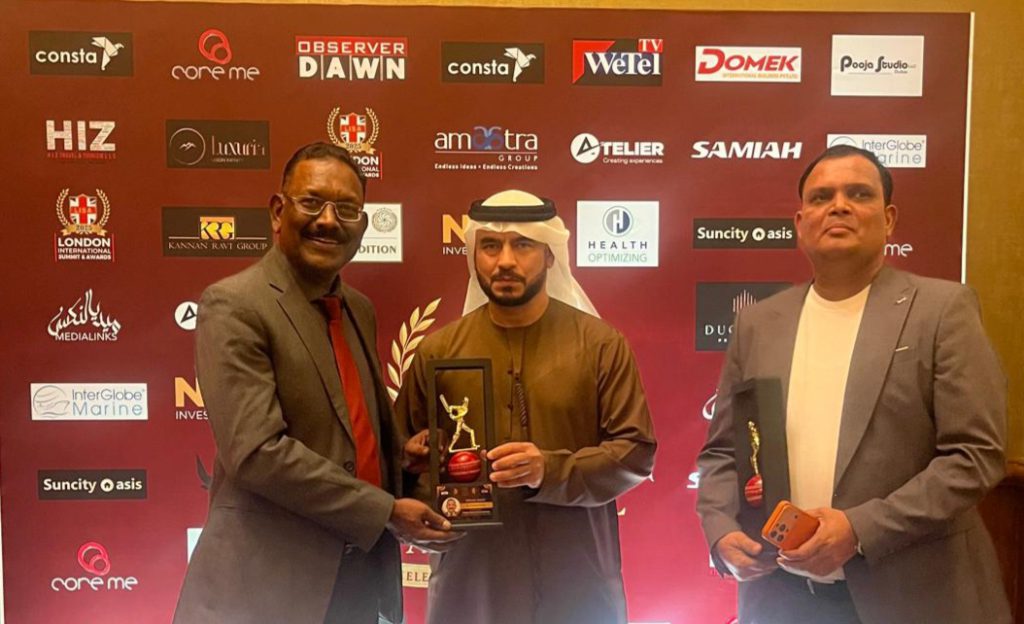
The Presidential Awards 2026 formed the heart of the evening, honoring exceptional individuals and organizations whose work has created meaningful impact across industries and communities. Awards were presented across a wide spectrum, including entrepreneurship, real estate, hospitality, maritime leadership, finance and taxation, social service, digital innovation, sports physiotherapy, peacebuilding, and community engagement.
Each recognition represented a story of dedication, resilience, and visionary leadership, celebrating those who have not only achieved professional success but have also contributed to societal progress and global harmony.
Reinforcing Bonds and Inspiring the Future
Shri Ramdas Bandu Athawale emphasized the vital role of platforms such as the Presidential Summit and Awards in strengthening India UAE ties. He highlighted how such initiatives encourage positive collaboration across business, social, and professional domains while inspiring future generations of leaders.
The evening concluded with an elegant gala dinner, vibrant networking sessions, and cultural exchange, leaving attendees with a sense of optimism, inspiration, and renewed commitment to cross border cooperation.
A Defining Global Gathering
The Presidential Summit and Awards 2026 emerged as a defining moment in international engagement. By seamlessly integrating recognition with thoughtful dialogue and diplomatic goodwill, the summit set a new standard for global leadership forums. It stood as a powerful reminder that when nations and leaders come together with shared values and vision, they create pathways to a more prosperous and connected world.
24 | ‘ChatGPTയോട് പ്രണയം തോന്നിയവരുള്ള കാലമാണ്’ | Shinoth Savaari | Value Plus Part 02 | Global TV
Live a life of Freedom | Live and be aware that you are alive | Shinoth Mathew
NV Paulose, Chairman, Global TV +91 98441 82044


