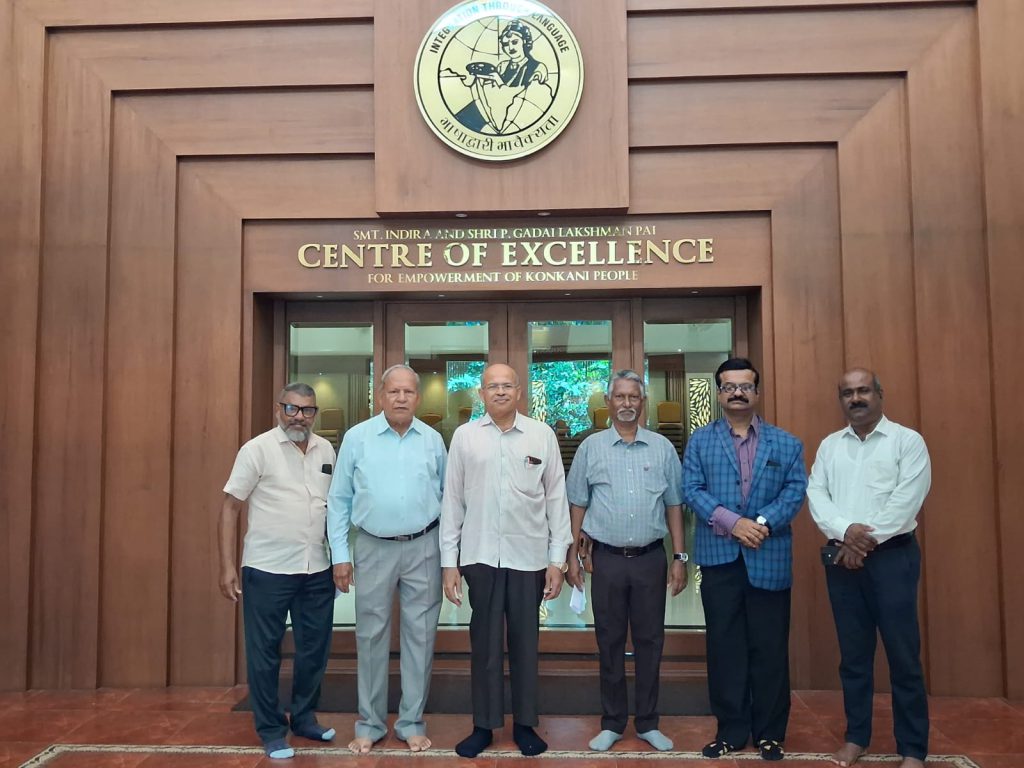
India Set to Host Landmark Longevity Summit 2026 in Mumbai
NV Paulose, Chairman, Global TV +91 98441 82044
In a major stride toward positioning India as a global epicenter for healthspan and preventive healthcare, the inaugural Longevity Summit India 2026 has been officially announced. This landmark event is scheduled to take place on August 15 to 16 in the year 2026 at the luxury Fairmont Mumbai. Presented as a collaborative venture between Le Florence India, Fairmont Mumbai, and AIWO, the summit aims to pioneer the first ever Longevity Expo in India. The initiative sets out to establish a global benchmark where cutting edge science, preventive wellness, technological innovation, and luxury hospitality converge to transform how society approaches aging.
With the global wellness economy projected to reach eight and a half trillion dollars by 2027, the summit addresses a crucial medical and cultural paradigm shift. Rather than focusing solely on extending numerical lifespan, the event emphasizes maximizing healthspan, which represents the period of a person’s life spent in vibrant health. Organizers describe the gathering as an essential platform where conscious living and scientific discovery come together. The ultimate vision is to establish India as a leading authority in human performance and proactive medical intervention.
The schedule across the two day event is organized around the five core dimensions of human longevity. On the initial day, discussions and practical demonstrations concentrate on the Earth Body and Water Body dimensions. These sessions focus heavily on physical foundations, cellular health, Blue Mind neuroscience, and Watsu somatic aquatic therapy immersions. Delegates will explore how foundational cellular structures and emotional intelligence directly influence physiological stability and overall biological resilience.
The second day shifts focus toward the Air Body, Fire Body, and Flow dimensions. Speakers and workshops during this phase will examine mental mastery, cognitive optimization, and purpose driven living. Highlights include in depth explorations of brain enhancement techniques, biohacking therapies, and specialized panel discussions centered on human coherence. These presentations aim to provide actionable protocols for improving mental clarity, stress management, and sustained cognitive function throughout the human lifecycle.
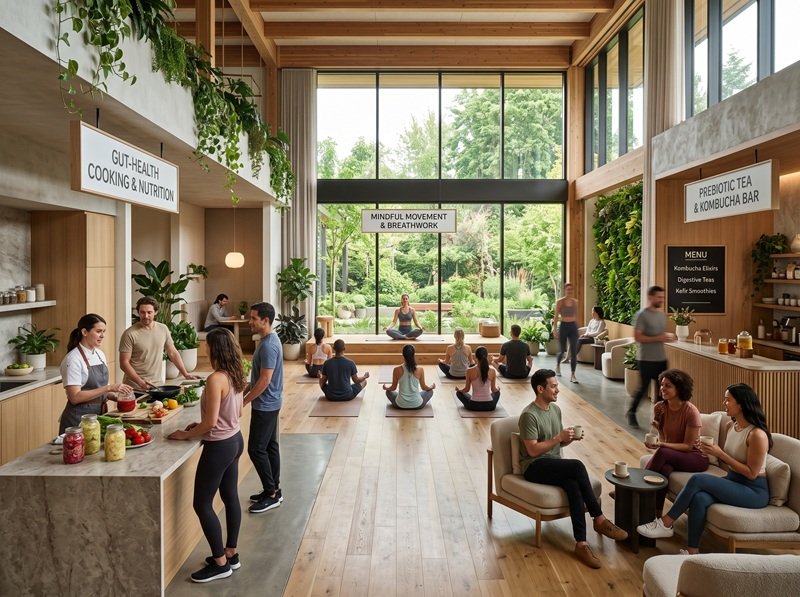
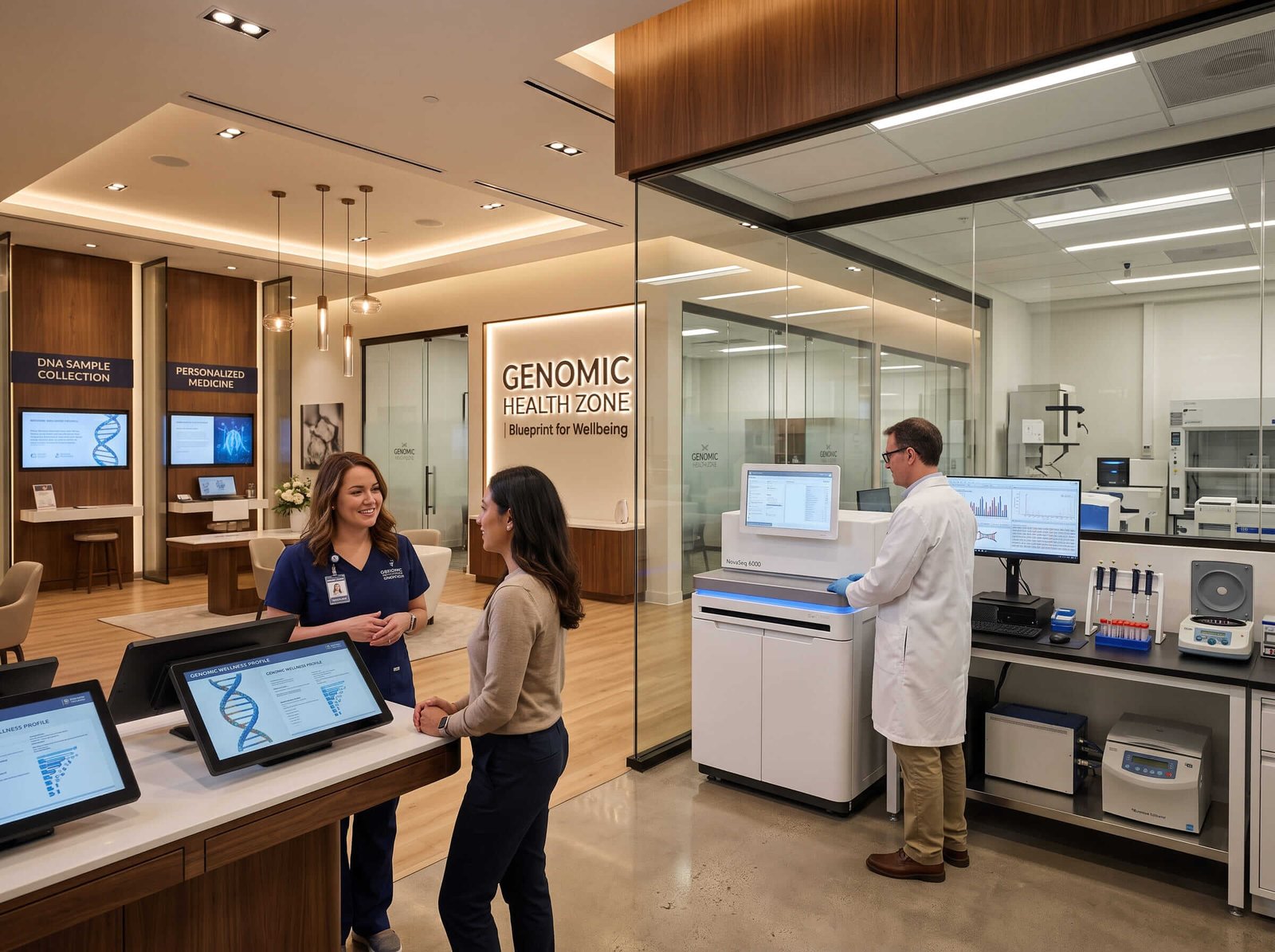
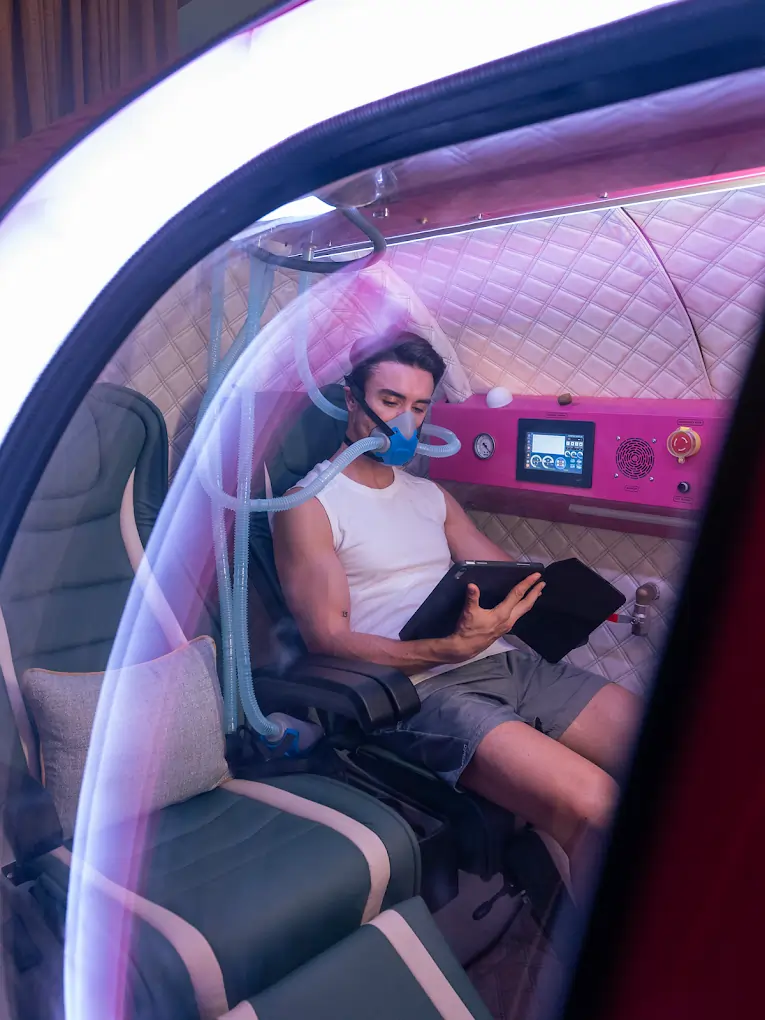
Beyond the theoretical presentations and academic panels, attendees will have direct access to experiential wellness technologies on site. These offerings include extreme cold therapy operating at minus 110 degrees Celsius, advanced infrared treatments, metabolic diagnostic testing, and specially curated longevity nutrition menus. The inclusion of these technologies allows delegates to experience state of the art therapeutic interventions firsthand while learning about their underlying biological mechanisms.
Leading the Chief Advisory Council for the summit is Dr. Arpit Bansal, a recognized cancer surgeon, gut microbiome specialist, TEDx speaker, and prominent advocate of Medicine 3.0 principles. The event expects to draw over 500 curated delegates, representing an elite network of ultra high net worth individuals, company founders, venture capital investors, medical experts, and biohacking practitioners. This gathering provides an unprecedented networking environment designed to spark investment and foster cross disciplinary collaboration in longevity science.
More than 25 distinguished international speakers and panelists are set to present their research and insights at the event. Notable contributors include AIWO mentor C. Sivasankaran, Hydrolux Australia founder Katrina Skrypal, nutrition and peptide specialist Shirley D’Souza, StemMax chief executive officer Dr. Prabhu Mishra, water body and heart rate variability specialist Dr. Anais Verena Garcia, neurologist Dr. Sweta Adatia, CeraThrive founder Sarah Turner, Mind Medicine Australia founder Tania de Jong, artificial intelligence and human development specialist Dr. Gino Yu, and quantum biology specialist Dr. Chris Kacher.
The gathering is supported by a robust network of industry partners, including prominent health and lifestyle organizations such as The Wellness Co., Decode Age, Fast and Up, GlobalSpa, BookMyShow, and Evavo. Together, these partners and organizers are creating a comprehensive platform intended to redefine the future of healthcare in Asia and beyond. For interested participants and delegates seeking further information or registration details, event organizers can be reached directly via official organizational channels.
History is transformed by those who built alternatives | stand for something so compelling that the old way simply becomes irrelevant | Global TV
NV Paulose, Chairman, Global TV +91 98441 82044
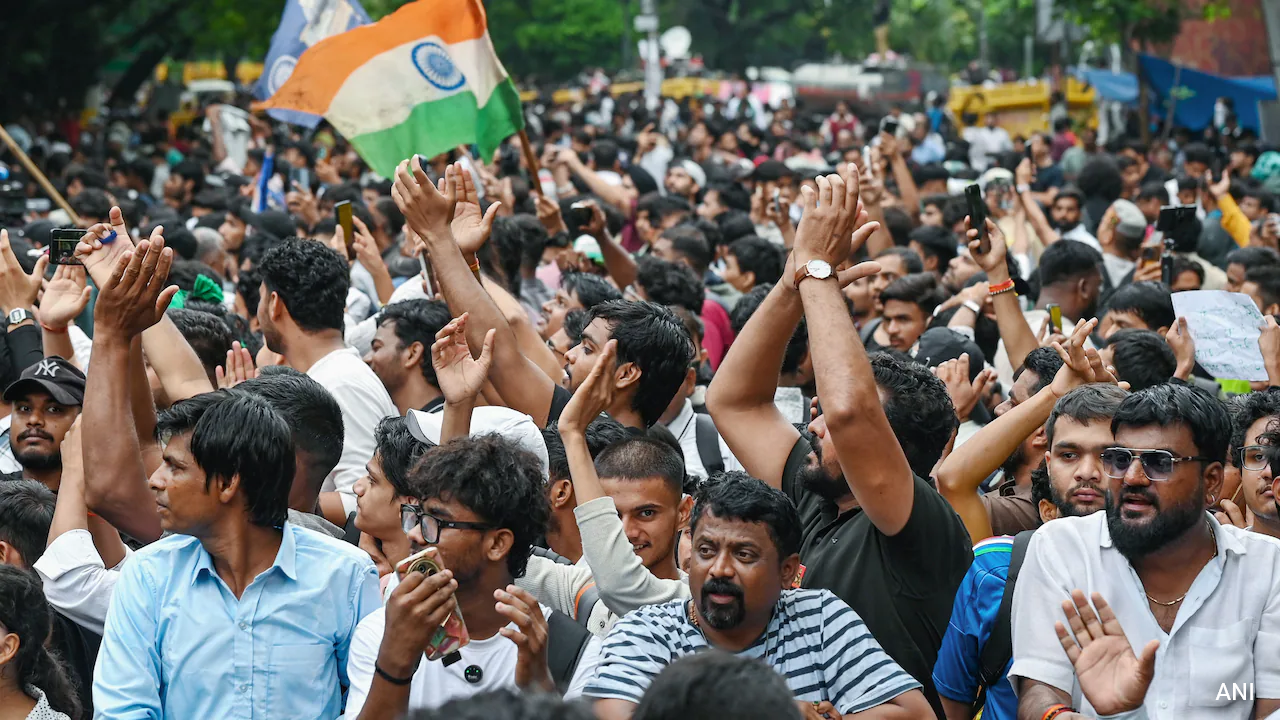
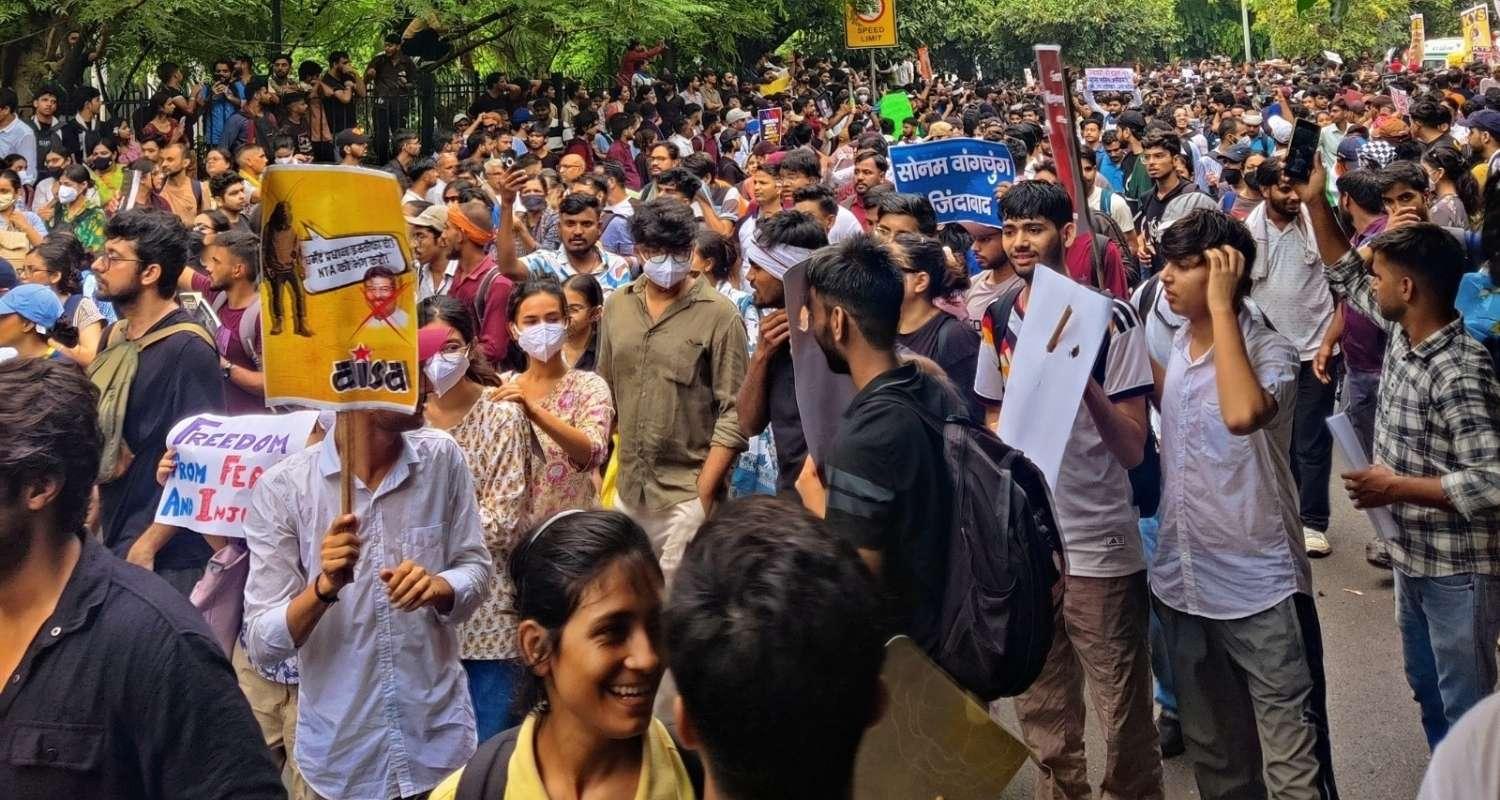
Every generation inherits a question. Some generations ask how to preserve what they have inherited. Some ask how to reform what they have received. And a few extraordinary generations ask a far more ambitious question: India’s young people stand at precisely such a moment. The headlines today are filled with protests, demonstrations, anger, disappointment, and accusations. Social media amplifies outrage. Television debates reward confrontation. Politics divides every conversation into opposing camps. There is a place for democratic dissent. Every democracy must leave room for citizens to question authority, demand accountability, and defend constitutional values. But there is another path that receives far less attention; the path of creation. History remembers those who protested injustice. History is transformed by those who built alternatives.
Perhaps the greatest revolution available to India’s youth today is not to stand against something, but to stand for something so compelling that the old way simply becomes irrelevant.
The Story That Changed Everything
There is a well-known story associated with the founding of Stanford University. It is said that a modestly dressed couple visited Harvard University hoping to make a donation in memory of their son. According to the story, they were not taken seriously. Their appearance led people to underestimate both their intentions and their capacity.
During the conversation, Harvard’s enormous operating costs were mentioned. The husband reportedly turned to his wife and said, “Honey; he is talking about peanuts. We can build a university on our own” Whether every detail of the story unfolded exactly this way has been debated by historians. Stories survive because they communicate a deeper truth. The youth of India should take it seriously.
The deeper truth is this: When institutions fail to recognize your potential, you do not spend your life asking for recognition. You build institutions that recognize others. That is exactly what happened. Stanford University emerged not from resentment but from vision. Not from protest. From creation.
India’s Greatest Untapped Resource
People often say India’s greatest strength is its population. That is not true. Population by itself creates neither prosperity nor civilization. India’s greatest strength is aspiration. Walk into any railway station. Any campus. Any small town. You will find millions of young people carrying dreams much larger than the places they come from.
Previous generations accumulated land. This generation accumulates skills. Previous generations inherited businesses. This generation can build businesses from a laptop. Previous generations required factories. This generation requires ideas. The nature of wealth itself has changed.
For centuries, wealth was primarily capital-driven. If you owned land, machines, or factories, you possessed economic power. Today, wealth is increasingly career-driven. A software engineer can create a product used by millions. A designer in Mysuru can work for clients across continents. A teacher can educate thousands online.
A filmmaker can reach audiences without owning a studio. An entrepreneur can launch a company with little more than knowledge, persistence, and internet access. The greatest capital of the twenty-first century is no longer money. It is human capability. And India possesses it in extraordinary abundance.
What If We Redirected Our Energy?
Imagine something extraordinary. Imagine the energy that fuels endless political arguments was redirected toward solving real problems. Imagine if every student frustrated by a broken system decided to build a better learning platform. Imagine if unemployed graduates came together to create enterprises that generated jobs.
Imagine if coders built public technology. Doctors built affordable healthcare systems. Lawyers built legal access platforms. Artists built cultural institutions. Farmers built agricultural innovations. Teachers built world-class schools.
Young people often ask, “What is the government doing?” A more powerful question might be, “What can we build together?” This is not against government. It is for citizenship. Citizenship is not merely the right to vote. It is the willingness to create value for society.
The New Economics of Hope
For much of history, starting something meaningful required enormous resources. Today, the barriers have collapsed. Artificial intelligence allows individuals to accomplish what once required entire teams.
Cloud computing eliminates the need for expensive infrastructure. Digital payments enable commerce across every village. Global markets are available to anyone with internet access.
Knowledge that once belonged exclusively to elite universities is freely available online. Never before has one individual possessed such extraordinary productive power.
The question is no longer, “Can we create?” The question is, “What shall we create?” Hope is no longer an emotion. Hope has become an economic strategy.
Stop Waiting for Permission
Many of history’s greatest institutions were created by people who refused to wait for permission. They saw problems that everyone else accepted as permanent. Then they quietly began building solutions.
No committee invited them. No authority approved them. No one declared that the time was right. They simply started. Every great university began as an idea. Every respected company began as uncertainty. Every social movement began with a handful of believers. Every technological revolution began with someone whom others underestimated. Great institutions are sitting in college classrooms.
Perhaps the next breakthrough healthcare company is being imagined in a small town. Perhaps the next educational revolution is being designed in a hostel room. Potential rarely announces itself. It simply begins working.
From Anger to Architecture
Anger is powerful. But anger alone cannot sustain civilization. Buildings last longer than slogans. Institutions outlive demonstrations.
Ideas endure after headlines disappear. If young people channel disappointment into creation, they become architects rather than critics. Architects leave behind schools. Hospitals. Companies. Research laboratories. Scholarships. Technologies. Works of art. Communities.
They leave behind possibilities. The world we admire today was built by people who believed in taking steps. Not merely complaining.
The Economy We Can Build
India frequently speaks about becoming a developed nation. The phrase often sounds like a government target. It should instead become a personal mission. An economy is not created inside ministries alone.
It is created every morning when millions of people solve problems for one another. Every useful product increases prosperity. Every ethical business creates dignity. Every innovation expands opportunity.
Every teacher develops human capital. Every entrepreneur creates confidence. Every scientist enlarges possibility. GDP is ultimately the mathematical expression of millions of acts of value creation.
The future economy already exists. It simply waits to be built.
The Invitation
There are moments in history when societies become consumed by what is wrong. There are other moments when they become obsessed with what is possible. The second kind changes the world. India does not lack intelligence. It does not lack ambition. It does not lack courage.
What it sometimes lacks is the confidence to believe that its young people are not merely participants in history; they are its authors. The greatest tribute we can pay to those who struggled before us is not endless remembrance. It is fresh creation.
If a university overlooks your potential, build a better university. If an institution disappoints you, build a stronger institution. If a system excludes people, build one that includes them. If an economy feels too small, create a larger one. History does not ask whether we were angry.
History asks what we built. Perhaps the real revolution before India’s youth is not political at all. Perhaps it is civilizational. A revolution of builders. Of creators. Of entrepreneurs. Of scientists. Of teachers. Of artists. Of dreamers who refuse to believe that the future must resemble the past. The world does not belong only to those who inherit it.
It belongs to those who imagine it differently; and then have the courage to build it. Let others spend their lives proving what is broken.
Let this generation become known for proving what is possible. Because the greatest answer to disappointment is not despair. It is creation. And the greatest protest against a limited world is to build a limitless one.
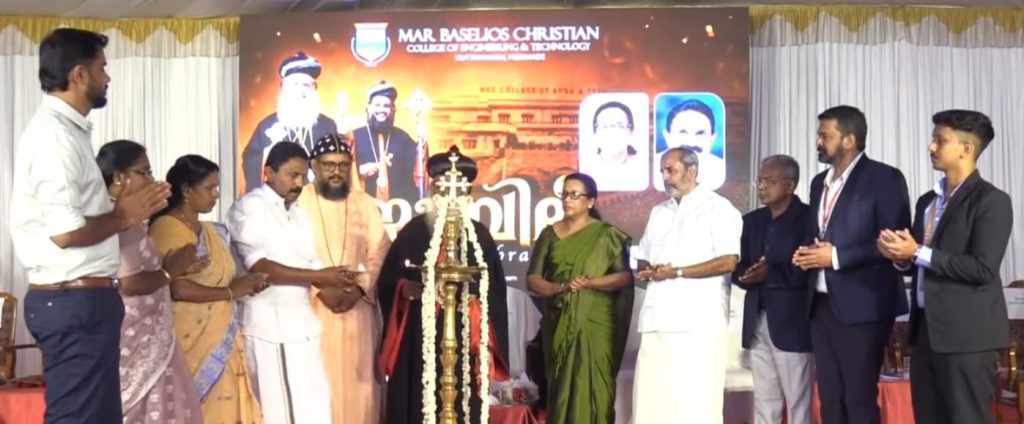
Inaugurated by His Holiness Baselios Marthoma Mathews III, Malankara Metropolitan and Catholicos of the East
NV Paulose, Chairman, Global TV +91 98441 82044
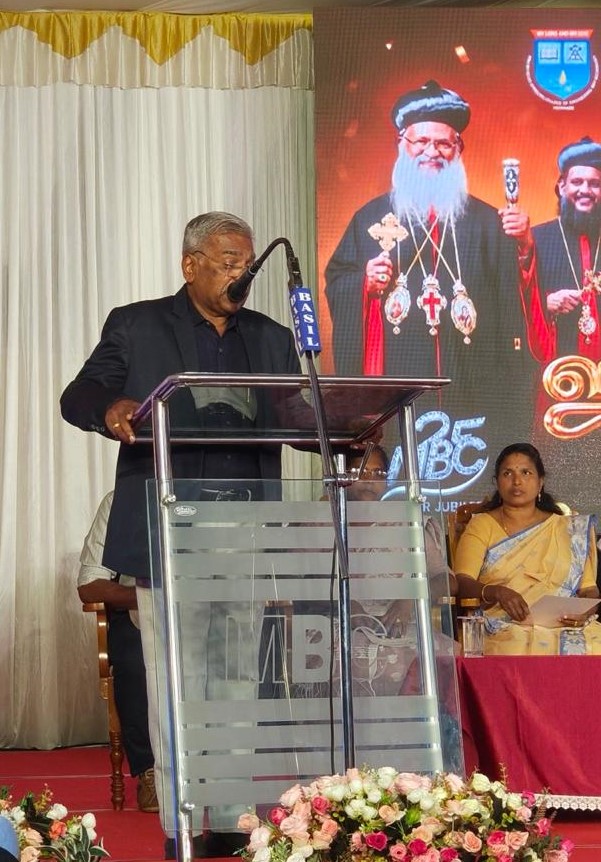
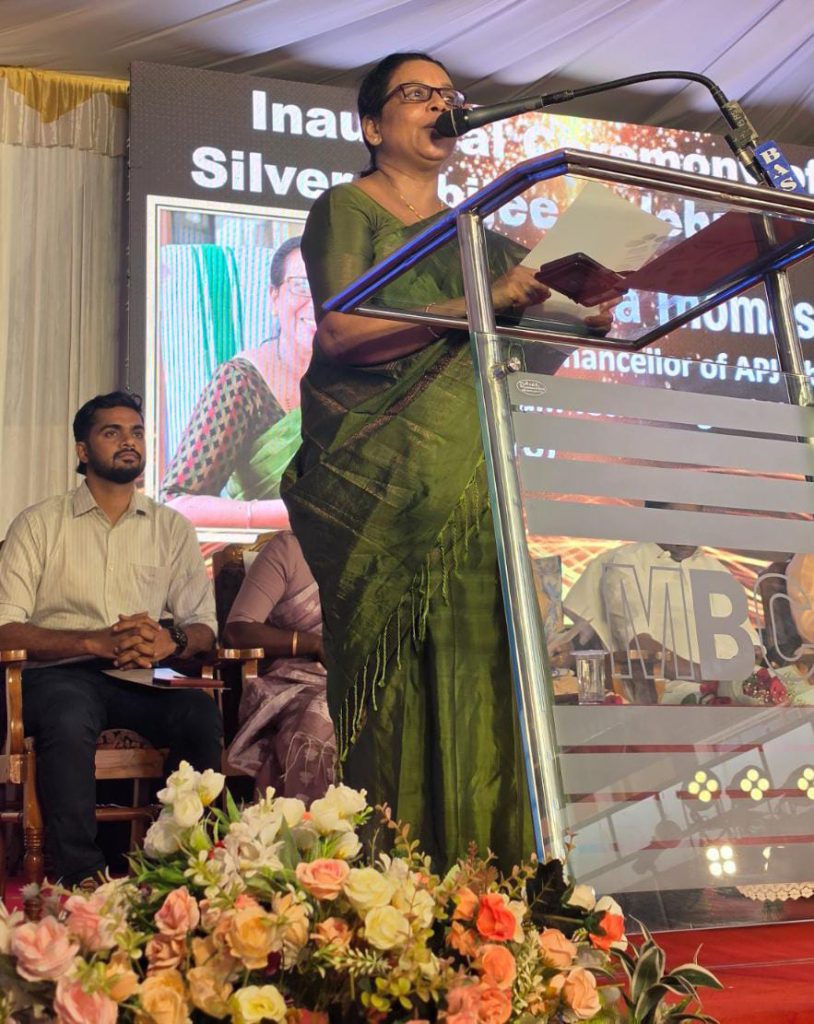
As part of the Silver Jubilee celebrations of Mar Baselios Christian College of Engineering & Technology, the inaugural ceremony was held grandly on 16th July 2026 at 11:00 a.m. in the college auditorium. The event was organized by the management, Principal, faculty members, and students of the institution.
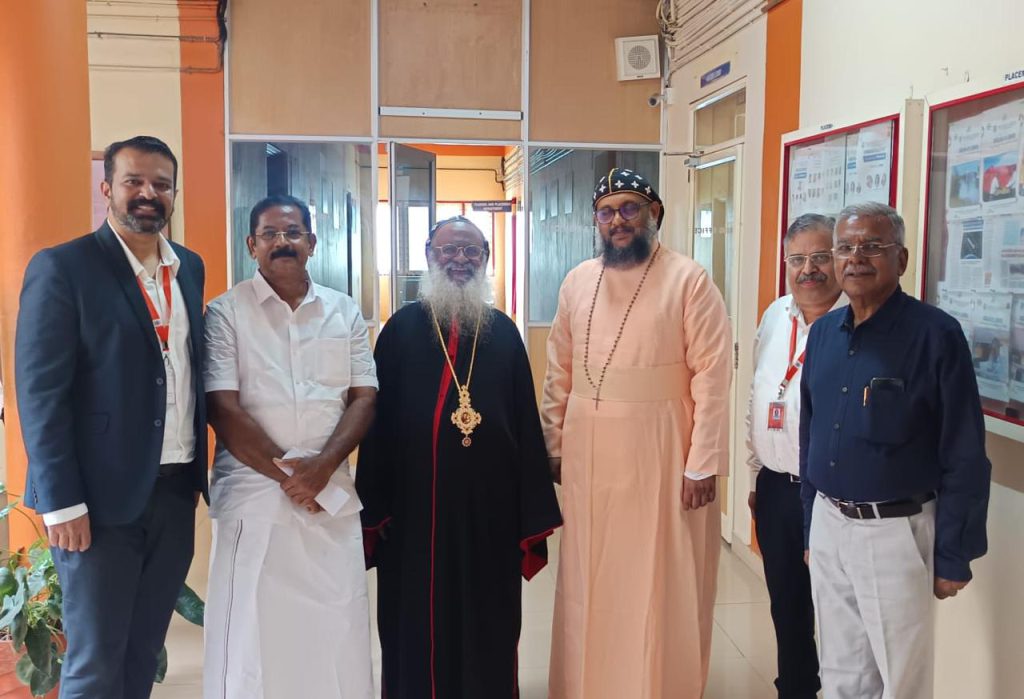
The programme was inaugurated by His Holiness Baselios Marthoma Mathews III, Malankara Metropolitan and Catholicos of the East. The function was presided over by H.G. Zachariah Mar Severios Metropolitan, Manager of the college.
During the event, the Silver Jubilee projects were inaugurated by Adv. Cyriac Thomas, MLA, Peermade. The keynote address was delivered by Dr. Ciza Thomas, Vice Chancellor of APJ Abdul Kalam Technological University. The programme commenced with a prayer song by the college choir, followed by the welcome address delivered by Dr. Oommen Mammen, Director of the college. Several distinguished guests from various fields extended their felicitations. The notable dignitaries present included:
Adv. Biju Oommen (Association Secretary)
Smt. Jeevamol K K (Block Panchayat Member)
Smt. Vanitha Movies (Grama Panchayat Member)
Dr. Rittin Abraham Kurien (Alumni Representative)
Kewin Koshy (Student Representative)
The programme concluded with the vote of thanks delivered by Dr. Santhosh Simon, Principal of the college. The Silver Jubilee celebration marked the successful completion of 25 years of excellence and served as a new beginning towards greater achievements in the future. The event was a grand success with the active participation of students, faculty, and distinguished guests.
Understanding the Difference Between Organ and Tissue Donation
Rotarian Lal Goel, Founder & Charter President, Rotary Club of Organ Donation International, Chairman, Organ Donation India Foundation & GYAN
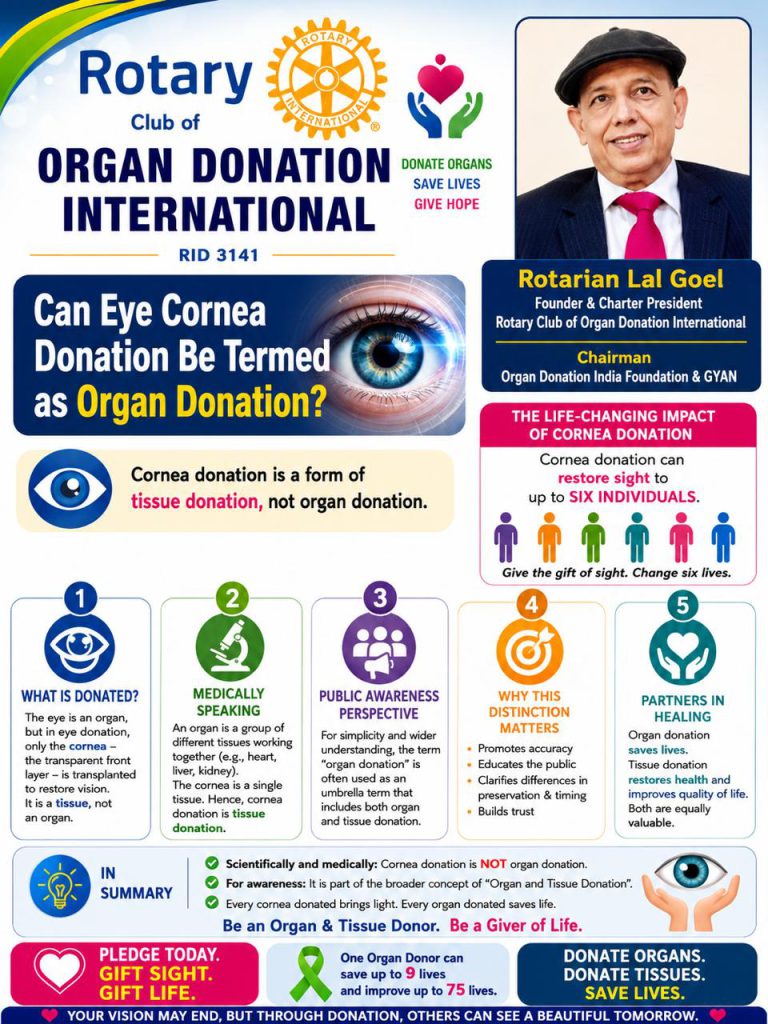
The phrase “eye donation” is widely used by the public, media, and awareness campaigns alike. Medically, however, what is donated is the cornea—a tissue, not an organ. Getting this distinction right matters: it improves public understanding without sacrificing scientific accuracy.
Organ vs Tissue: The Core Difference
An organ is a group of different tissues working together for a specific function. Examples include the heart, liver, kidneys, lungs, pancreas, and intestines. These organs are composed of blood vessels, nerves, muscles, and connective tissues functioning as one unit.
A tissue, on the other hand, is a collection of similar cells performing a particular function. Examples include the cornea, skin, bone, tendons, heart valves, and blood vessels.
The eye itself is an organ, but in routine eye donation for transplantation, the organ is not transplanted. Instead, only the cornea—the transparent, dome-shaped front layer of the eye—is used to restore sight in patients with corneal blindness. Medically speaking, therefore, cornea donation is tissue donation.
Why Is It Often Called “Eye Donation”?
The term has persisted for decades because it is simple and immediately understandable. During retrieval, the whole eyeball may sometimes be removed to safely recover the cornea at the eye bank, even though only the corneal tissue is ultimately used for transplantation—hence the popular but imprecise name.
Today, many eye banks perform in-situ corneal retrieval, where only the cornea is removed, leaving the rest of the eye intact.
So Can Cornea Donation Be Classified as “Organ Donation”?
From a scientific and medical standpoint, the answer is no—cornea donation is tissue donation.
However, in public awareness efforts, “organ donation” is often used as an umbrella term that includes both organ and tissue donation. National campaigns, hospitals, and NGOs commonly use the combined phrase:
“Organ and Tissue Donation.”
This approach keeps messaging simple while remaining broadly accurate.
Why This Distinction Matters
Using correct terminology has several advantages:
It promotes scientific accuracy.
It helps educate the public about different types of donations.
It clarifies that tissue donation has different preservation methods and transplantation timelines compared to organ transplantation.
It builds trust through accurate information.
At the same time, awareness campaigns should avoid unnecessary complexity. When people understand the life-changing impact of cornea donation, they are more likely to pledge.
The Life-Changing Impact of Cornea Donation
Corneal blindness affects millions worldwide, caused by infection, injury, hereditary disease, or nutritional deficiency. Unlike damage to the retina or optic nerve, it can often be treated successfully through corneal transplantation.
One donated pair of corneas can restore sight to up to six individuals, helping them regain independence, return to work or study, and improve their quality of life.
Unlike most organs, corneas do not require transplantation within hours. They can be preserved in specialised media, allowing surgeons time to plan procedures effectively.
Organ Donation and Tissue Donation: Partners in Saving and Improving Lives
Although medically different, both forms of donation are equally valuable.
Organ donation primarily saves lives by replacing failing vital organs such as the heart, liver, kidneys, lungs, pancreas, and intestines.
Tissue donation primarily restores health and quality of life. Corneas restore vision, skin treats severe burns, bones assist reconstruction, tendons restore movement, and heart valves save patients with serious cardiac conditions.
Together, they represent one of humanity’s greatest gifts.
Conclusion
So, can cornea donation be considered organ donation?
The answer depends on the context.
Scientifically and medically, no. Cornea donation is tissue donation, because the cornea is a tissue and not an organ.
From a public awareness perspective, yes—but only as part of the broader concept of “Organ and Tissue Donation.” The most precise terminology remains:
“Eye Cornea Donation — a Form of Tissue Donation.”
As awareness grows, it is important to balance scientific accuracy with public understanding. Whether an organ saves a life or a cornea restores sight, every donation leaves a lasting legacy of hope.
A life saved is priceless. A life restored to vision is equally precious.
The future of work is being created wherever people come together and share stories | Global TV
NV Paulose, Chairman, Global TV +91 98441 82044 (With inputs from Sir VM Ramalingam & Dr. Vivek G. Mendonsa)
Every person carries a story: a journey of skills learned, challenges overcome, relationships built, ideas developed, and possibilities imagined. When these stories meet, new opportunities emerge. A conversation can become a collaboration. A collaboration can become a team. A team can create a role. A role can generate revenue. Jobs are not only discovered. Many jobs are created through human relationships. The missing link between people and opportunities is often not talent. It is connection.
The Economy of Human Relations
Organizations are built by people before they are built by systems. Every successful venture begins with conversations:
“Who are we?”
“What problem are we trying to solve?”
“What strengths do we bring?”
“What can we create together?”
These questions are the foundation of human relations.
Human relations are the outcomes of storytelling. When people exchange stories, they discover trust, shared purpose, complementary strengths, and new possibilities. Storytelling allows individuals to move beyond labels such as “employee,” “employer,” “candidate,” or “customer.” They begin to see each other as human beings with experiences, aspirations, and capabilities.
The workplace of the future will belong to those who can create meaningful connections.
From Transactions to Transformations
Traditional employment often begins with a transaction:
“I have a vacancy.”
“I need a job.”
“I need someone with these qualifications.”
But meaningful opportunities begin with dialogue:
“What are you passionate about?”
“What have you learned through your experiences?”
“What strengths do you want to contribute?”
“What future can we build together?”
This shift changes everything.
Instead of searching only for existing jobs, communities can create ecosystems where people discover opportunities together. This is where the idea of different types of value-based fees emerges.
The Introduction Fee: Creating the First Connection
Every opportunity begins with an introduction.
A person introduces two people who may create value together:
“I know someone who has the skills you need.”
“I know someone who is looking for exactly this opportunity.”
“I believe these two stories should meet.”
The Introduction Fee recognizes the value of bringing the right people into the same conversation. An introduction is not a simple exchange of contact information. It is the beginning of a possibility. A meaningful introduction can change careers, create partnerships, start businesses, and solve problems. The person who creates the bridge between two stories creates value.
The Connection Fee: Building Relationships Through Dialogue
An introduction opens the door. A connection builds the relationship. Connection requires listening, understanding, and exploring. It involves conversations such as:
“What are your goals?”
“What strengths do you bring?”
“What challenges are you facing?”
“How can we support each other?”
The Connection Fee recognizes the effort involved in creating meaningful relationships. Technology can connect millions of people instantly. Genuine human connection is but more valuable than technology. A connection is not measured by the number of contacts someone has. It is measured by the quality of relationships created.
The Success Fee: Celebrating Shared Outcomes
When relationships create results, success is achieved.
A team is formed.
A role is created.
Revenue is generated.
A community grows.
The Success Fee recognizes value created when a connection produces a meaningful outcome. Success is not created by one person alone. It emerges from cooperation, trust, and shared contribution. When everyone benefits from the outcome, the relationship becomes sustainable.
Team Formation: Stories Creating Collective Strength
Great teams are not assembled only through job descriptions. They are formed through understanding.
A team emerges when people discover:
“My strengths complete your strengths.”
“Your experience complements my experience.”
“Our stories create something bigger together.”
Team formation is a storytelling process. People who understand each other can work together more effectively. They can create roles that did not previously exist because they see possibilities beyond traditional structures.
Role Creation: Discovering Work Through Strengths
Many people search for jobs that already exist. But innovation happens when people create roles around opportunities. A person’s unique combination of skills, experiences, relationships, and passions can become a new form of contribution.
Role creation asks:
“What value can this person create?”
“What problem can this person help solve?”
“What new possibility appears when this person joins the conversation?”
This approach moves away from fitting people into predefined boxes. It focuses on discovering potential.
Revenue Generation Through Relationships
Revenue is often treated as a purely financial outcome. But sustainable revenue begins with relationships. Customers, partners, employees, and communities are connected through trust.
Trust is built through dialogue.
Dialogue is built through storytelling.
Storytelling reveals value.
When people understand each other’s needs and strengths, they create solutions that matter. The strongest businesses are not built by exploiting opportunities. They are built by exploring possibilities.
Appreciative Inquiry: Looking for What Works
A powerful approach to human development is Appreciative Inquiry: discovering what gives life to individuals, teams, and organizations. Instead of asking:
“What is wrong?”
“Who failed?”
“What is missing?”
Appreciative Inquiry asks:
“What is working?”
“When have we succeeded?”
“What strengths already exist?”
“What future can we create together?”
This changes the nature of conversation. People become energized when their strengths are recognized. Organizations grow when they build upon what is possible.
Strength-Based Development: Growing Through Capabilities
Every person has strengths waiting to be discovered and developed. A strength-based approach does not ignore challenges. It simply begins from a different place. It asks:
“What can this person contribute?”
“What abilities can be expanded?”
“How can we create conditions where people thrive?”
When people operate from their strengths, they bring greater creativity, confidence, and commitment. The goal is not to make everyone the same. The goal is to help everyone contribute their best.
Explore Instead of Exploit
Many systems are built around extraction:
How can we get more?
How can we reduce costs?
How can we maximize short-term gains?
A human-centered future requires a different question:
“What can we discover together?”
Exploration creates opportunities.
Exploitation creates limitations.
Exploration respects people as sources of knowledge, creativity, and possibility. The future belongs to those who can build environments where people are encouraged to share stories, discover strengths, and create value together.
The Future Workplace Is a Conversation
The next generation of jobs will not only come from companies announcing vacancies. They will come from communities creating conversations.
A conversation between a mentor and a learner.
A conversation between a founder and a contributor.
A conversation between two strangers who discover shared purpose.
Every conversation carries potential.
Every story can open a door.
Every relationship can create value.
Jobs are plenty where people gather to tell stories because stories reveal what people can create together. The future of work is not only about finding employment. It is about building relationships, discovering strengths, forming teams, creating roles, and generating shared success.
The most valuable workplace skill of the future may be simple: The ability to listen, tell stories, and create meaningful connections.
Coming from Ladakh, a region known for its harsh climate and fragile ecosystem, Sonam Wangchuk understood from an early age the difficulties faced by people living in remote areas. He saw how conventional systems often failed to address local realities. Instead of accepting these limitations, he chose to find solutions that respected local conditions and empowered people.
His contribution to education has been one of his greatest achievements. Through his efforts in transforming learning methods, he encouraged children to think creatively, develop practical skills, and understand the connection between education and everyday life. He believed that young minds should not be trained only to memorize information but should be encouraged to imagine, experiment, and solve problems. His vision gave many students a renewed sense of confidence and possibility.
His innovations have also demonstrated how technology can work in harmony with nature. His work on artificial glaciers showed how traditional wisdom and modern scientific thinking can come together to address water scarcity in the Himalayan region. These efforts reflected a simple but powerful philosophy: the best solutions are those that serve people while protecting the environment.
Sonam Wangchuk is an engineer, innovator, and educator. He is a person whose life reflects a deep commitment to society, the environment, and the dignity of ordinary people. His journey is inspiring because it has never been driven only by personal achievement. At every stage, his knowledge and creativity have been directed towards solving real problems faced by communities. He has shown that education is not merely about collecting degrees or achieving professional success. True education is about understanding the world, questioning existing systems, and using knowledge to create a better future.
Sonam Wangchuk’s dedication has become known for his peaceful public movements and hunger strikes to draw attention to the concerns of the people of Ladakh. By choosing the difficult path of fasting, he placed his own health at risk to highlight issues that he believes are important for the future of the region.
A hunger strike is not an easy decision. It requires extraordinary mental strength, patience, and conviction. It is a form of protest where a person accepts personal suffering in the hope that society and those in power will listen. Sonam Wangchuk’s fasts have brought national attention to concerns regarding the protection of Ladakh’s fragile environment, the preservation of its culture and identity, and the aspirations of its people.
What makes his approach particularly notable is his commitment to peaceful expression. In a time when public disagreements often become aggressive, he has chosen a path based on dialogue, discipline, and non violence. His actions remind people that a strong voice does not always need anger. Sometimes, quiet determination can create a deeper impact.
The mountains of Ladakh have always represented strength and endurance. In many ways, Sonam Wangchuk reflects the spirit of those mountains. He has continued his work despite challenges, criticism, and personal hardships. His journey shows that meaningful change requires patience and the willingness to stand for principles even when the path is difficult.
His life also raises an important question for society. What is the true purpose of knowledge and success? Sonam Wangchuk’s answer can be seen through his actions. Knowledge gains its highest value when it improves lives. Success becomes meaningful when it benefits others. Recognition matters less than the positive change one creates.
Many people admire him because he has chosen responsibility over comfort. He could have remained focused only on his achievements as an innovator and educator, but he continued to speak for issues affecting the land and people he cares about. His willingness to sacrifice personal comfort has made him an example of commitment and public service.
Whether discussing education, environmental protection, or the future of Ladakh, his message remains consistent: development should not come at the cost of nature, culture, or the well being of communities. Progress must include compassion, sustainability, and respect for people.
Sonam Wangchuk’s greatest legacy may not be limited to the inventions he has created or the awards he has received. His greatest contribution may be the awareness he has created and the courage he has inspired in others. He has shown that an individual with determination and a clear conscience can bring important issues into public conversation.
His story is a reminder that change often begins with a few individuals who refuse to remain silent. It begins with people who care deeply, who are willing to work patiently, and who believe that a better future is possible.
In the silent valleys of Ladakh, Sonam Wangchuk’s journey continues to send a powerful message. A life dedicated to learning, service, and truth can become a source of inspiration for generations. His work reminds us that the greatest measure of a person is not what they gain for themselves, but what they give to the world around them.
The time for purposeful action has arrived. By Theresa Paul (anjuwrites)
The time for casual conversation is over. The future of a nation is not shaped by complaints, criticism, or endless arguments alone. It is shaped by people who choose to unite with purpose, integrity, compassion, and action. A nation’s greatest wealth is not only measured by its economy, infrastructure, or technological achievements. The greatest wealth of any nation is the character of its people. Character is built through education, values, and the choices individuals make every day.
Education must create individuals who can think critically, question responsibly, lead ethically, and stand firmly for what is right. A nation that invests only in literacy creates workers. A nation that invests in values creates responsible citizens and leaders who can guide society towards progress. The true purpose of education was never to teach people what to think. It was meant to teach people how to think.
Education must build wisdom along with knowledge
Today, we live in a time when information is everywhere, yet wisdom is often missing. Many people possess degrees and qualifications, but education becomes meaningful only when it develops empathy, humility, and the ability to understand different perspectives.
A degree can prove knowledge, but it cannot automatically create wisdom. Wisdom begins when we are willing to question our own beliefs before questioning others. An educated person should not only ask, “How can I prove my point?” but also ask, “Am I seeking truth or only defending my position?” The strength of a society depends on citizens who have the courage to think independently and the maturity to accept when they may be wrong.
Humanity must remain greater than division
Sadly, we are living in a period where division often becomes louder than dialogue. Political beliefs, religious identities, languages, and social differences sometimes become barriers that separate people.
We must remember that no ideology, religion, language, or political belief is greater than our shared humanity. Respect should never depend on agreement. Kindness should never have conditions. Love should never be limited by identity. A strong nation is not created by people who think alike. It is created by people who can disagree respectfully, listen patiently, and search for solutions together. Differences should become opportunities to learn, not reasons to hate.
Let us discuss issues instead of attacking individuals
One of the greatest challenges of our time is that we often focus more on people than problems.
When someone raises a concern, the discussion quickly shifts towards their past, their motives, or the people who support them. The real issue gets forgotten. No political party, organisation, or individual has a flawless history. Human beings and institutions are imperfect. Power has always carried the risk of misuse, regardless of who holds it. Therefore, our responsibility as citizens is not to blindly support or blindly oppose. Our responsibility is to ask:
What is the real issue?
What is the truth?
What solution will benefit society?
A democracy becomes stronger when citizens debate ideas instead of attacking identities.
The danger of blind loyalty
A society becomes weaker when people allow political or social identities to decide every opinion.
Blind loyalty can be as harmful as blind hatred because both prevent people from seeing reality clearly. Before defending a person, party, or belief, we must first understand the truth of the situation. The question should not be, “Who is right according to my side?” The question should be, “What is right for society?” The moment we start focusing on truth instead of identity, we begin building a healthier democracy.
The silent strength within people
There are many people around us who carry invisible struggles.
Some smile while dealing with storms nobody knows about. Some listen to everyone but rarely find someone who listens to them. Some quietly solve their problems without asking for recognition. Sometimes the deepest form of love is not solving someone’s difficulties. It is simply recognising their pain.
It is like saying :
“I may not know everything you are carrying, but I can see that you are carrying something, and you do not have to carry it alone.” A compassionate society is built not only through policies and institutions but also through human understanding.
The voice of the youth matter
People are slowly beginning to recognise realities that were once ignored. Even those who believed everything was fine are beginning to ask difficult questions because reality can no longer be overlooked.
The voices of young people deserve attention. Their concerns about education, opportunities, employment, environment, and social wellbeing are not complaints. They are reflections of the future they will inherit. Silence in the face of challenges is not neutrality. The problems ignored today may become the burdens carried by tomorrow’s generations. Young people should not only be encouraged to dream but also empowered to participate in creating change.
We cannot waste time looking at trees without fruits
Criticism has its place, but criticism alone cannot create a better future.
We cannot spend all our energy throwing stones at trees that bear no fruits. We cannot remain trapped in anger, blame, and disappointment forever.
It is time to plant.
It is time to nurture.
It is time to develop stronger trees that will provide shade, strength, and nourishment for future generations. The future will not be created by those who only complain about what is wrong. It will be created by those who are willing to build what is right.
Our collective effort will shape the future
Others may create obstacles. Others may make the journey difficult. Others may attempt to spread negativity and division.
But they cannot decide our final destination.
Our future will be shaped by our collective efforts, our values, and our willingness to work together.
If we choose knowledge over ignorance, compassion over hatred, courage over fear, and responsibility over blame, we can create a brighter tomorrow.
The future is not something we simply receive. It is something we create.
Now is the time to float, fly and flourish
The question we must ask ourselves is not only, “What is happening to our country?”
The deeper question is :
“What kind of citizens are we becoming for our country?”
Every generation receives the responsibility to improve the world it inherits. We cannot wait for someone else to create the nation we dream about. We are the builders of tomorrow.
Let us educate minds and strengthen hearts. Let us replace division with understanding. Let us choose truth over propaganda and humanity over hatred.
Let us plant new ideas, nurture strong values, and develop a society where every individual has the opportunity to grow.
The journey may not always be easy, but together we can create a future that reflects our highest hopes.
Now is the time to float, fly, and flourish.
Together, through our combined efforts, we can build a nation where wisdom guides decisions, compassion guides actions, and unity becomes the foundation of progress.
Kerala has emerged as one of the leading states in India in terms of digital connectivity, broadband penetration and community based media networks. Kerala Vision is a pioneering broadband and media network that has created a strong presence across the state by connecting homes, institutions and communities through reliable digital services.
With a customer base of around 45 lakh households in Kerala, Kerala Vision has established itself as one of the largest private broadband networks in the country. Its strength lies not only in providing connectivity but also in understanding the needs of local communities. Unlike national operators that follow a common approach across regions, Kerala Vision has developed a district focused model, allowing every region to engage with people through their own language, culture and local identity.
A remarkable example of this approach is Kannur Vision, the North Kerala focused media platform that operates as part of the Kerala Vision network.
Kannur Vision: A Voice for North Kerala
North Kerala has a unique social and economic relationship with neighbouring regions, especially Mangaluru. Thousands of people from districts such as Kannur, Wayanad and Kasaragod regularly travel to Mangaluru for higher education, healthcare and business opportunities. In this environment, communication and cultural understanding become extremely important.
Kannur Vision has grown as a platform that represents the voice, interests and aspirations of North Kerala. Covering Kannur and surrounding regions, including parts of Wayanad and neighbouring districts, the channel focuses on delivering content that is connected with the everyday lives of local communities.
The role of Kannur Vision extends beyond traditional broadcasting. It provides a platform for local institutions, businesses, students and community organisations to share their achievements, ideas and initiatives. By highlighting regional developments and local talent, the channel strengthens the connection between communities and creates greater visibility for important activities.
Connecting North Kerala and Mangaluru
The connection between North Kerala and Mangaluru has existed for generations. People from North Kerala have traditionally depended on Mangaluru for quality education, advanced healthcare and professional opportunities.
In this context, Kannur Vision can become an important communication bridge between the two regions. By creating awareness about educational institutions, healthcare facilities, cultural activities and business opportunities, the platform can strengthen cooperation and exchange.
Mangaluru is increasingly recognised as a centre for healthcare and education. Discussions among industry and academic leaders have highlighted the possibility of developing a larger healthcare ecosystem in the city with advanced medical education, research facilities and international healthcare services. Such growth requires strong communication networks that can connect institutions and people.
A People Driven Approach
The growth of Kerala Vision and Kannur Vision highlights an important reality: technology alone cannot create successful ecosystems. People, relationships and participation are equally important.
Infrastructure provides the foundation, but students, educators, professionals, entrepreneurs and communities create the real value. Kannur Vision’s regional approach provides opportunities for people to collaborate, exchange ideas and build meaningful connections.
The future of digital platforms will not only be measured by the number of customers connected but also by the strength of the communities they create. By combining broadband services, media outreach and regional engagement, Kerala Vision and Kannur Vision demonstrate how technology can contribute to social and economic development.
The Future of Kannur Vision
As Kerala continues to expand its digital infrastructure, regional platforms like Kannur Vision are expected to play a larger role. With its strong presence in North Kerala and its connection with neighbouring regions such as Mangaluru, Kannur Vision has the opportunity to become more than a media channel.
It can become a platform for education, healthcare awareness, entrepreneurship, cultural exchange and community development.
The success of Kerala Vision shows how local understanding combined with modern technology can create a powerful network. Within this larger vision, Kannur Vision represents the identity and aspirations of North Kerala while connecting people, ideas and opportunities across regions.
Over the years, Kannur Vision has evolved far beyond being a conventional regional television channel. It has become a platform that reflects the aspirations, achievements and changing priorities of North Kerala. Through responsible journalism, community engagement and meaningful conversations, it has built a relationship of trust with millions of viewers across the region.
One of its most celebrated initiatives is “Success Stories,” a flagship business and leadership programme that has completed nearly 200 inspiring conversations with entrepreneurs, industrialists, innovators, educators, healthcare leaders and professionals from diverse sectors. More than a television programme, it has become a living archive of North Kerala’s entrepreneurial journey, documenting the people and institutions that are shaping the region’s future.
As North Kerala continues to grow, another remarkable transformation is becoming increasingly visible. The relationship between North Kerala and Mangalore has evolved into one of the strongest economic and social corridors in South India. Every day, thousands of people travel across this corridor for higher education, advanced healthcare, business, employment, aviation, tourism and professional services. For many families in North Kerala, Mangalore is not simply a neighbouring city; it is an integral part of their everyday lives.
This continuous movement of people has created a unique regional ecosystem where commerce, education, healthcare and innovation naturally complement one another. Educational institutions in Mangalore welcome thousands of students from North Kerala every year. Leading hospitals have become trusted healthcare destinations for families across the region. Businesses increasingly view the corridor as a unified market rather than two separate geographies.
Recognising this natural integration, Kannur Vision has taken the initiative to create The North Kerala–Mangalore Connect, a first-of-its-kind platform designed to celebrate and strengthen the economic, educational, healthcare and cultural relationship between these two thriving regions. The initiative aims to bring together industry leaders, educational institutions, healthcare organisations, entrepreneurs, investors and policymakers on a common platform to explore partnerships, exchange ideas and create new opportunities for growth.
In many ways, this initiative reflects the philosophy that has always distinguished Kerala Vision. Connectivity is not limited to broadband networks or television signals. True connectivity is about bringing people together, building trust, creating opportunities and strengthening communities. The North Kerala–Mangalore Connect is a natural extension of that philosophy—connecting ideas, businesses, institutions and people across one of the fastest-growing regional corridors in India.
As the boundaries between cities, markets and opportunities continue to disappear, platforms that facilitate meaningful collaboration will become increasingly important. Kannur Vision is once again demonstrating how regional media can play a transformative role; not merely by reporting change, but by becoming a catalyst for it.
From ancient trade routes and migrations to cultural revival and global initiatives, the story of Konkani is the story of a living heritage.
NV Paulose, Chairman, Global TV +91 98441 82044
When we speak about Konkani today, we are not merely speaking about a language of the past. We are speaking about a vibrant cultural identity that continues to evolve through the efforts of communities, institutions, artists, writers, educators, and language enthusiasts across the world.
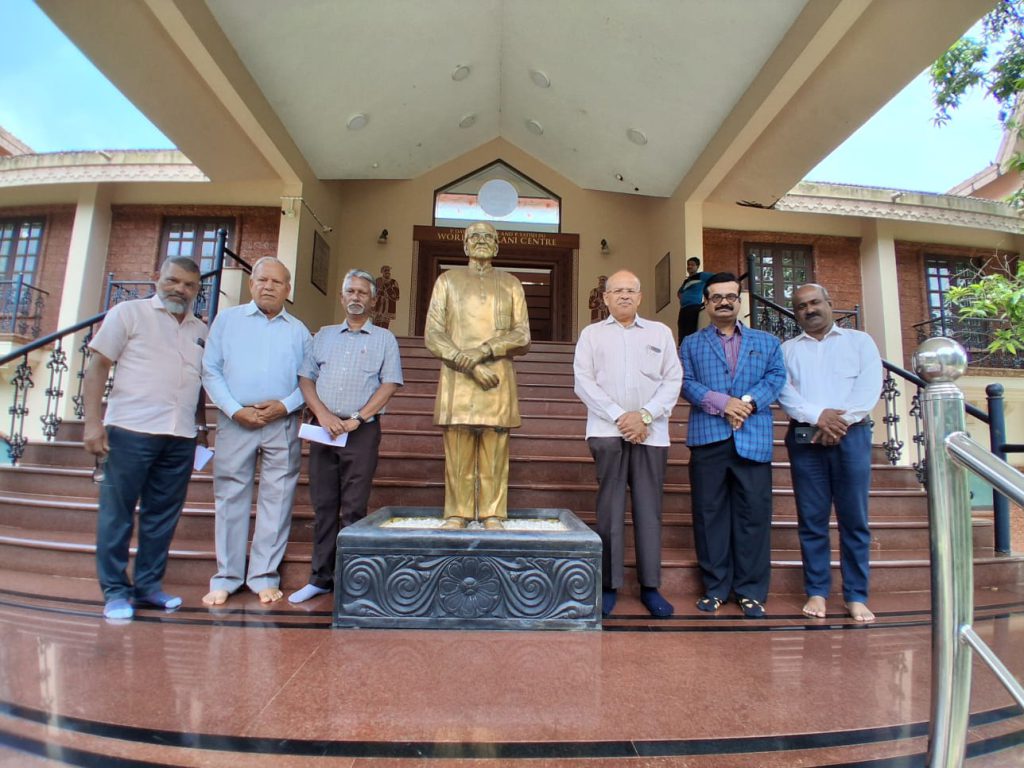
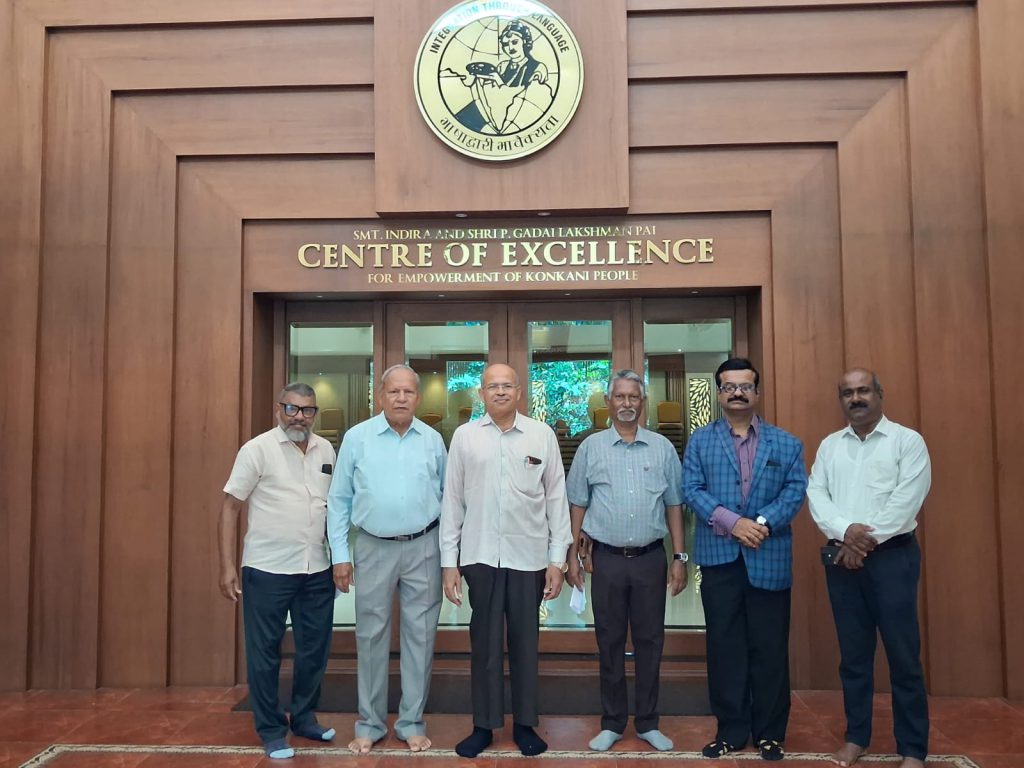
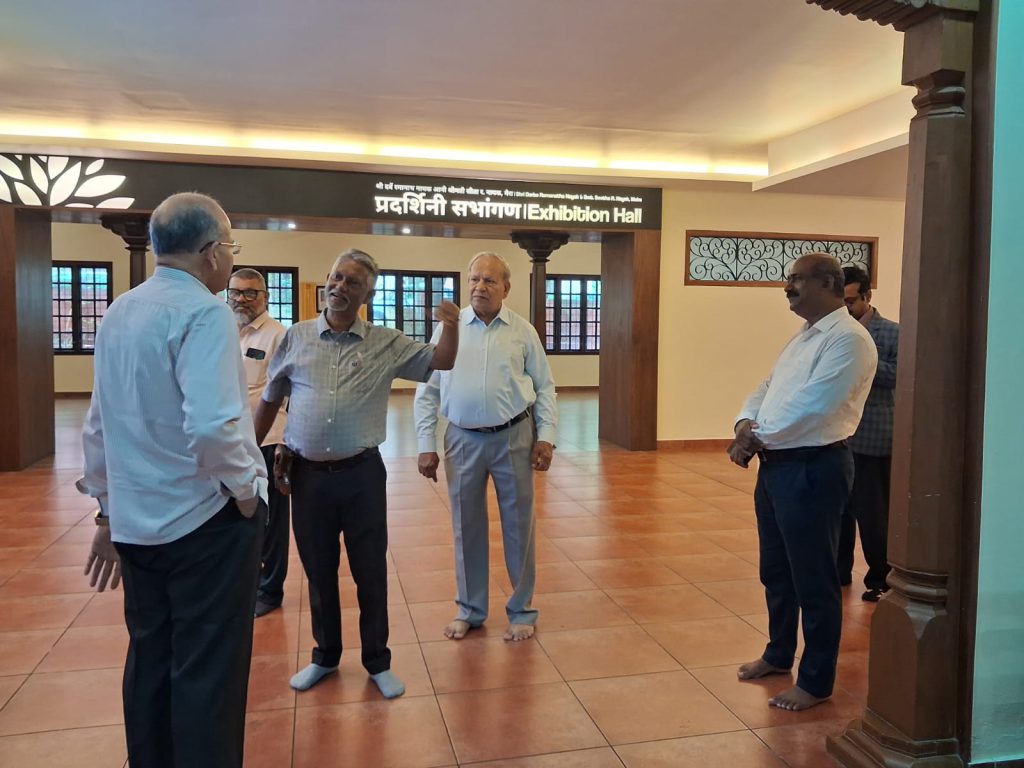
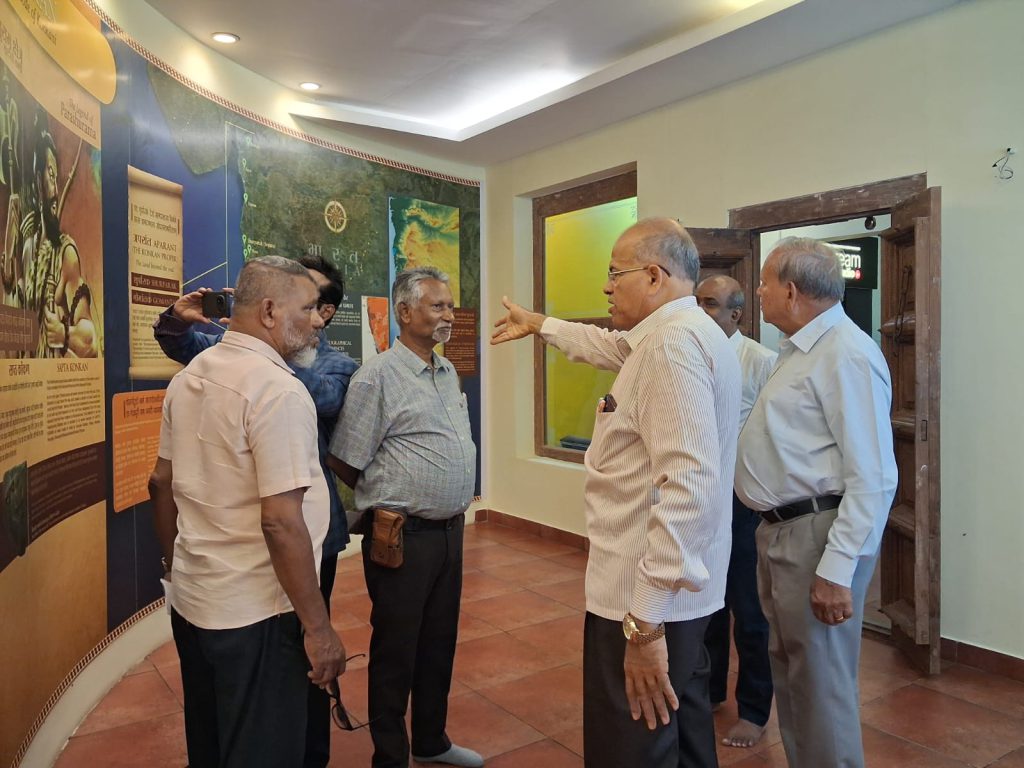
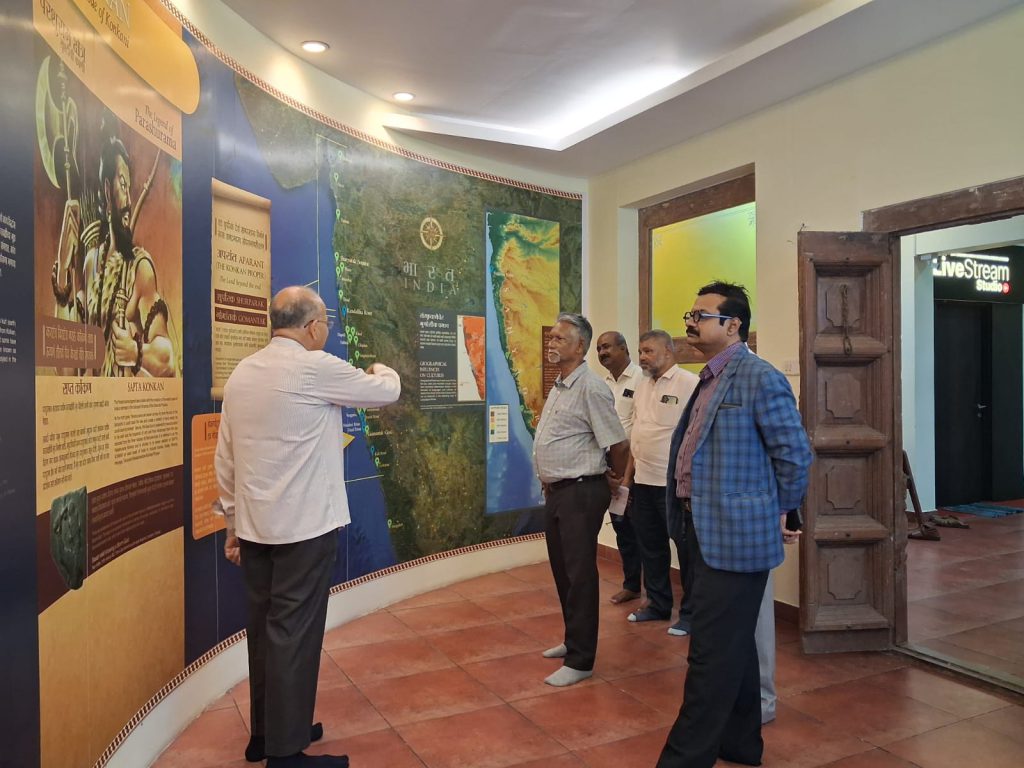
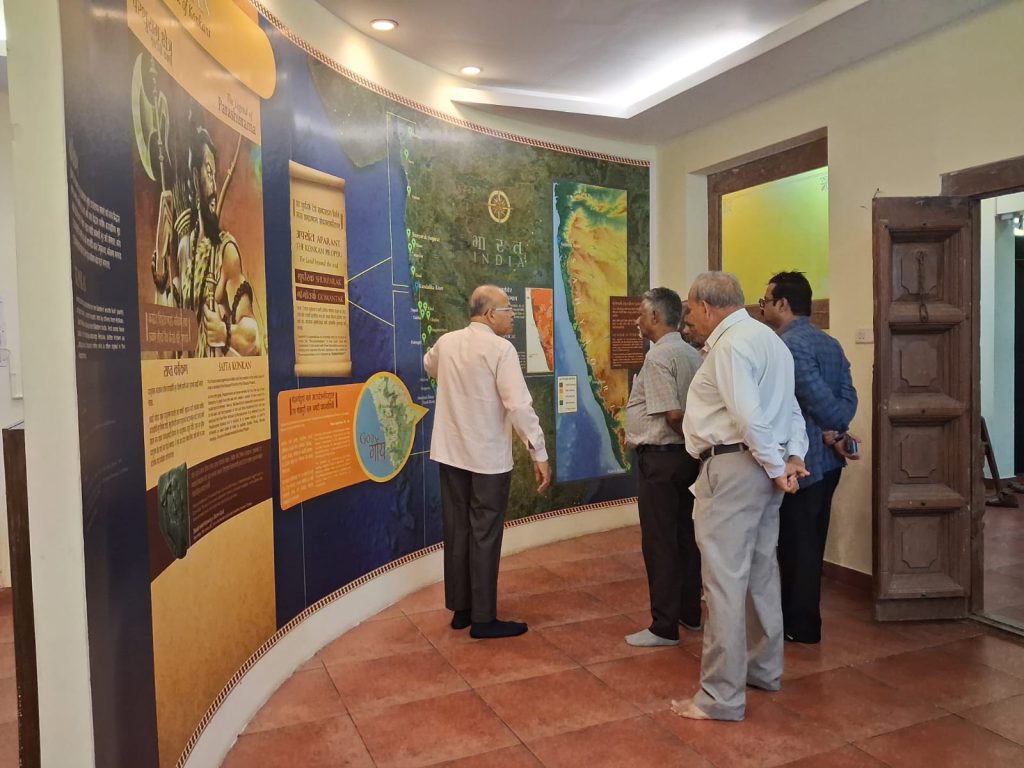
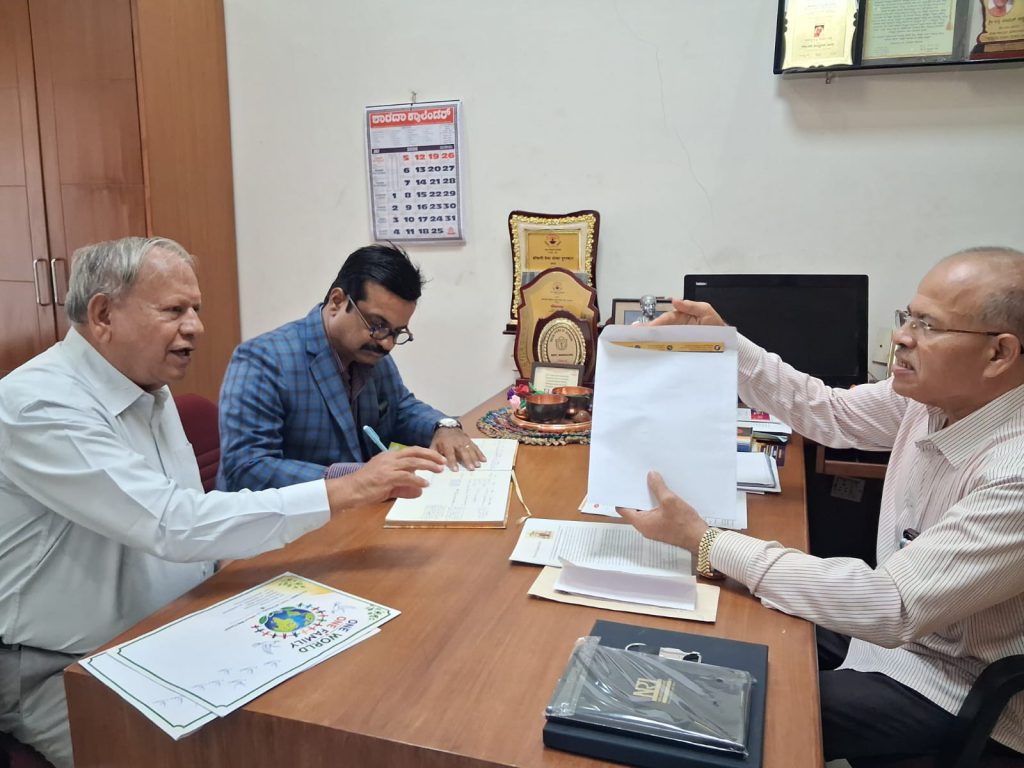
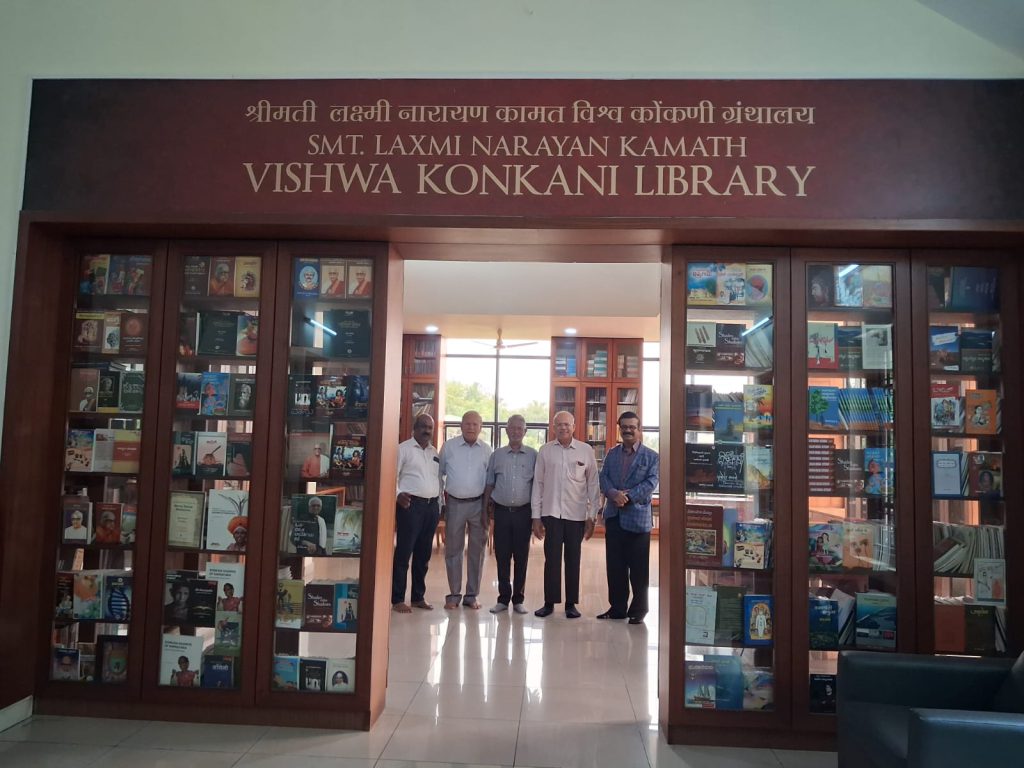
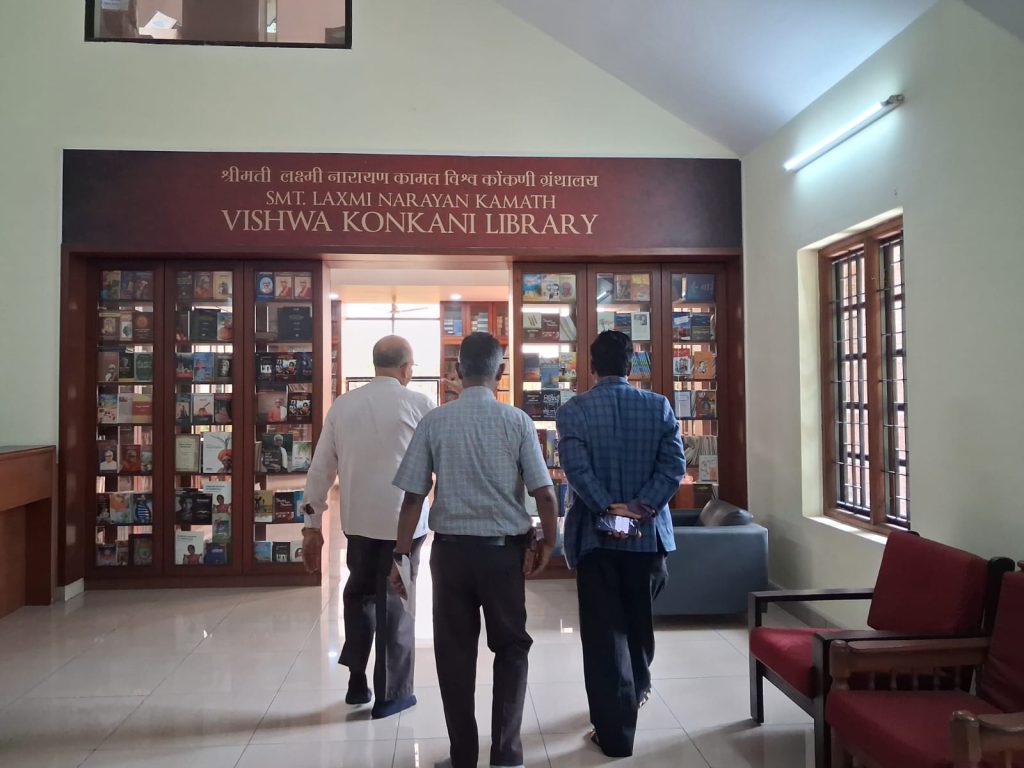
The preservation and promotion of Konkani has received renewed energy through institutions and movements dedicated to its growth. The World Konkani Centre in Mangaluru has emerged as a significant institution working towards the preservation, promotion, and development of Konkani language, literature, art, and culture. Through initiatives in research, education, literary activities, translation, documentation, and cultural programmes, the Centre has created a platform that brings together Konkani speaking people from different regions and communities.
Cultural movements such as Mandd Sobhann have played a remarkable role in strengthening Konkani identity through music, theatre, traditional arts, and cultural performances. Its Kalaangann, the Konkani Heritage Centre, stands as a unique space dedicated to preserving and showcasing the artistic traditions of Konkani communities. Through decades of cultural activities, Mandd Sobhann has demonstrated how music and performing arts can become powerful instruments for preserving language and identity.
Several other initiatives, including literary organisations, language academies, educational programmes, publications, digital platforms, and community-based efforts across India and abroad, continue to enrich Konkani. These collective efforts demonstrate that a language survives not only through books and dictionaries but through people who speak it, celebrate it, create in it, and pass it on to future generations.
A Language That Connects Many Communities
When people think of Konkani, they often think of Goa. While Goa remains one of the most important centres of Konkani culture, the story of the language extends far beyond its geographical boundaries. It is a story that connects communities across Karnataka, Kerala, Maharashtra, Gujarat, and different parts of the world through migration, trade, faith, education, and shared traditions.
Konkani is not merely a means of communication. It is a cultural identity shaped by centuries of history and carried forward by diverse communities. Few Indian languages represent such a remarkable combination of linguistic diversity, migration, resilience, and cultural continuity.
One of the most unique features of Konkani is that it is spoken by people belonging to different religious and social backgrounds. Hindus, Catholics, Muslims, and other communities have preserved Konkani as their mother tongue. Despite differences in customs, traditions, and beliefs, the language has remained a common bond connecting these communities.
This diversity is one of Konkani’s greatest strengths. The language has grown not because of one single group, but because generations of people across regions have contributed to its richness through their literature, traditions, music, customs, and everyday speech.
Contributions to Education, Healthcare, and Society
For generations, Konkani speaking communities have made significant contributions to the social and cultural development of the region.
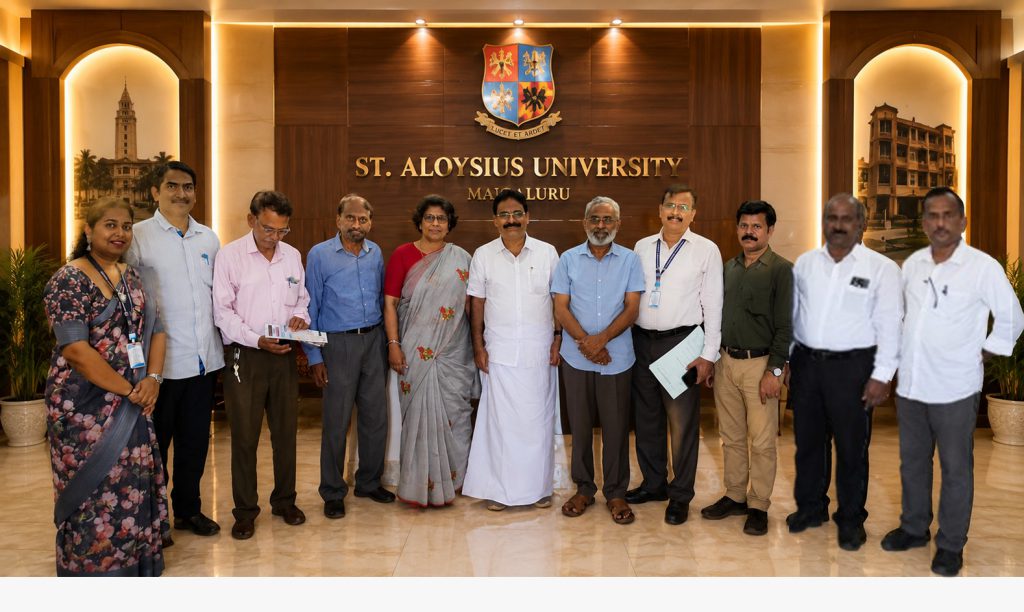
The Konkani speaking Catholic community has made remarkable contributions to the social development of coastal Karnataka, particularly through its longstanding commitment to education and healthcare. Institutions such as St. Aloysius, founded by the Jesuits, have played a transformative role in education. Over the decades, generations of Konkani speaking Catholics have contributed as students, educators, administrators, alumni, and benefactors, strengthening the institution’s legacy and expanding its impact on society.
The community’s contributions extend beyond education and healthcare into areas such as music, sports, business, literature, and social service. These contributions have benefited people across communities and have become an important part of the cultural history of the region.
The Journey of Migration
The history of Konkani is deeply connected with migration. Over many centuries, communities moved along the western coast of India, carrying their language, traditions, family histories, and religious practices with them.
Traditional accounts describe the migration of Saraswat communities from northern regions towards the Konkan coast. Whether viewed through historical records, oral traditions, or community memories, these movements played an important role in shaping the cultural landscape of Goa, Karnataka, Maharashtra, and Kerala.
Migration did not weaken Konkani identity. Instead, it created new expressions of the language and allowed Konkani culture to flourish in different regions.
Many Dialects, One Language
Konkani is remarkable for its variety of dialects. In earlier times, communication between distant villages was limited. Communities often lived in relative isolation, and language naturally changed from one region to another.
As a result, Konkani developed many forms, each carrying the influence of its surroundings. Some dialects absorbed words from Kannada, Marathi, Malayalam, Portuguese, and other languages. These variations should not be viewed as divisions. They are valuable records of history, showing how communities interacted and adapted over generations.
Every dialect contains unique words and expressions that represent the experiences of the people who preserved it. Documenting these dialects through dictionaries, recordings, and research is essential for protecting the richness of Konkani.
Konkani and the Ancient World
The history of the western coast of India has always been connected with the wider world. Archaeological discoveries such as the ivory figurine popularly known as the “Pompeii Lakshmi,” discovered during excavations at Pompeii, provide evidence of ancient trade links between India and the Roman Empire.
Indian ivory, spices, textiles, and other goods travelled through maritime trade routes connecting the Indian coast with distant lands. Such discoveries remind us that the regions where Konkani speaking communities lived were part of global networks long before modern transportation existed.
These connections reveal that the cultural history of Konkani is not isolated. It is part of a much larger story of human movement and exchange.
Language Changes, Identity Continues
One of the most fascinating aspects of community history is that language may change while identity continues.
Oral traditions describe instances where small groups of Konkani speaking people settled among other linguistic communities. Over generations, they adopted the local language while preserving elements of their ancestral identity, including family traditions, gotras, rituals, and memories of their origins.
Such stories demonstrate the complex relationship between language and culture. A community may change the language it speaks in daily life while continuing to preserve a deep connection with its heritage.
Temples, Family Traditions, and Historical Memory
Across the Konkan region, temples, family deities, and place names preserve important clues about the journeys of Konkani communities.
Family deities, known as kuladevatas, continue to connect present generations with their ancestral villages. The movement of temples and religious traditions during periods of political change, including the Portuguese period in Goa, reflects the efforts of communities to preserve their faith and identity.
These traditions are not only religious practices. They are also important sources of social history that help us understand migration patterns and community relationships.
Preserving the Stories of Konkani
Much of Konkani history exists not only in written records but also in the memories of elders. Oral traditions, family histories, local stories, and community experiences contain valuable knowledge that can disappear if not documented.
Recording these voices through interviews, books, digital archives, and research projects is essential. Every elder carries a part of history, and preserving these memories ensures that future generations understand the journey of their language and culture.
The Future of Konkani
The survival of Konkani depends on continued use, appreciation, and transmission to younger generations. Speaking Konkani at home, encouraging children to learn the language, supporting literature, preserving dialects, and documenting history are important steps towards strengthening its future.
Konkani has survived centuries of migration, social change, and historical challenges because people carried it in their homes, communities, songs, traditions, and daily conversations.
The story of Konkani is ultimately a story of connection. It connects regions, religions, generations, and civilizations. Preserving Konkani is not only about saving a language. It is about protecting the memory and heritage of the people who have carried it across centuries.
By celebrating its diversity, supporting institutions dedicated to its growth, and ensuring its continued use, we can help Konkani remain a vibrant language for generations to come.
Capital Career Windows | Open Both Windows to Success | Both are Companions | Global TV
NV Paulose, Chairman, Global TV +91 98441 82044
Success is never created by chance. It is built through vision, discipline, and the courage to prepare for tomorrow while performing well today. Among the many factors that shape a successful life, two stand above the rest. One is capital, which gives financial strength. The other is career, which gives purpose and direction. These two are like cross windows in a house. When both remain open, fresh opportunities, new ideas, and positive energy continue to flow into life.
Many people spend years concentrating on only one of these windows. Some work tirelessly to build a successful career but pay little attention to creating financial security. Others become obsessed with accumulating wealth but stop learning, growing, and improving their professional abilities. Both approaches leave life incomplete. Real success belongs to those who understand that career and capital are partners, not competitors.
Imagine living in a house where only one window is open. Fresh air enters from one side, but the room never feels completely alive. Open the second window, and everything changes. Light becomes brighter, air begins to circulate, and the entire atmosphere feels refreshed. Life works in exactly the same way.
A thriving career and growing capital create a balance that keeps opportunities flowing from every direction. Never believe that you have to choose between earning and learning. Every new skill you develop has the power to increase your income. Every wise financial decision gives you the confidence to pursue greater career opportunities. When both windows remain open, each strengthens the other and together they create lasting success.
Build Skills Before You Build Comfort
Your career is your engine of growth. Every experience teaches something valuable. Every challenge develops resilience. Every responsibility increases your confidence. The workplace is more than a source of income. It is a classroom where every project, every mistake, and every achievement prepares you for a greater future.
Do not become comfortable with yesterday’s knowledge. The world is changing faster than ever before. New technologies, new industries, and new expectations appear every year. Those who continue learning never become outdated. They remain valuable because they are willing to grow. Every book you read, every course you complete, and every new skill you master opens another door that once seemed impossible.
At the same time, remember that income alone does not create wealth. Many people earn well but struggle financially because they never learn to manage money wisely. Capital grows through discipline, patience, and thoughtful decisions. Saving, investing, and planning for the future transform today’s earnings into tomorrow’s freedom.
Do not wait until you become wealthy to start building capital. Wealth is not created by luck. It is created by consistent habits. Every small amount saved, every wise investment made, and every unnecessary expense avoided strengthens your financial future. Small decisions repeated over many years create extraordinary results.
Let Capital and Career Strengthen Each Other
There will be moments when life presents unexpected opportunities. You may want to start a business, pursue higher education, move to a better city, or explore a completely different profession. Dreams often require two things. They need knowledge and they need resources. Career provides knowledge. Capital provides resources. Together they give you the confidence to move forward.
Many successful people understand this powerful relationship. They invest in themselves before expecting others to invest in them. They improve their abilities while also building financial strength. They realize that every promotion, every business opportunity, and every investment begins with preparation. Preparation creates confidence, and confidence attracts success.
Do not fear temporary setbacks. Every successful person has experienced disappointment, rejection, or failure. These moments are not signs to stop. They are opportunities to learn. A stronger career is built through experience, and stronger capital is built through patience. Keep moving forward even when progress feels slow because consistency always defeats temporary difficulty.
Your greatest investment is not the money in your account. It is the knowledge in your mind, the character in your heart, and the discipline in your daily actions. When you invest in yourself, your career becomes stronger. When your career becomes stronger, your capital begins to grow. This positive cycle creates a future filled with possibilities.
Keep Both Windows Wide Open Forever
Life rewards people who stay curious, stay disciplined, and stay prepared. Never close the window of learning because education does not end with a degree. Never close the window of financial growth because every stage of life requires greater wisdom in managing resources. The moment one window closes, opportunities begin to slow.
Success is not about becoming rich alone. It is about creating a life where you have the freedom to make meaningful choices. Financial strength gives security. Professional excellence gives purpose. Together they give confidence, independence, and the ability to serve others with greater impact.
Every morning brings a fresh opportunity to improve both windows. Learn one new thing. Save one small amount. Develop one valuable skill. Make one wise financial decision. These simple actions may appear small today, but over time they become the foundation of extraordinary success. Great achievements are built from consistent daily habits.
Remember this powerful truth throughout your life. Capital and career are like cross windows. Keep both the windows wide open. Let your career invite knowledge, experience, and purpose into your life. Let your capital welcome security, freedom, and opportunity. When both remain open, your life becomes brighter, stronger, and richer in every sense. The future belongs to those who never stop learning, never stop growing, and never stop building both their career and their capital.