
An Academic Legacy Rooted in Excellence and Leadership | A life lived with its fullest expressions
NV Paulose, Chairman, Global TV +91 98441 82044
Some teachers teach students what to think. A rare few influence how we think, how we live, and what we stand for. There are people who enter our lives as teachers or mentors but remain with us long after we get into the real encounters of our life. Their influence cannot be measured merely by the subjects they taught, topics they have spoken, the positions they held, or the institutions they served. It lives on in the values they instilled, the conversation encouraged us to think, and the principles that quietly become part of our life. For me, Prof. Dr. C. N. Paulose is a rock painter who engraved values into my core dynamics.
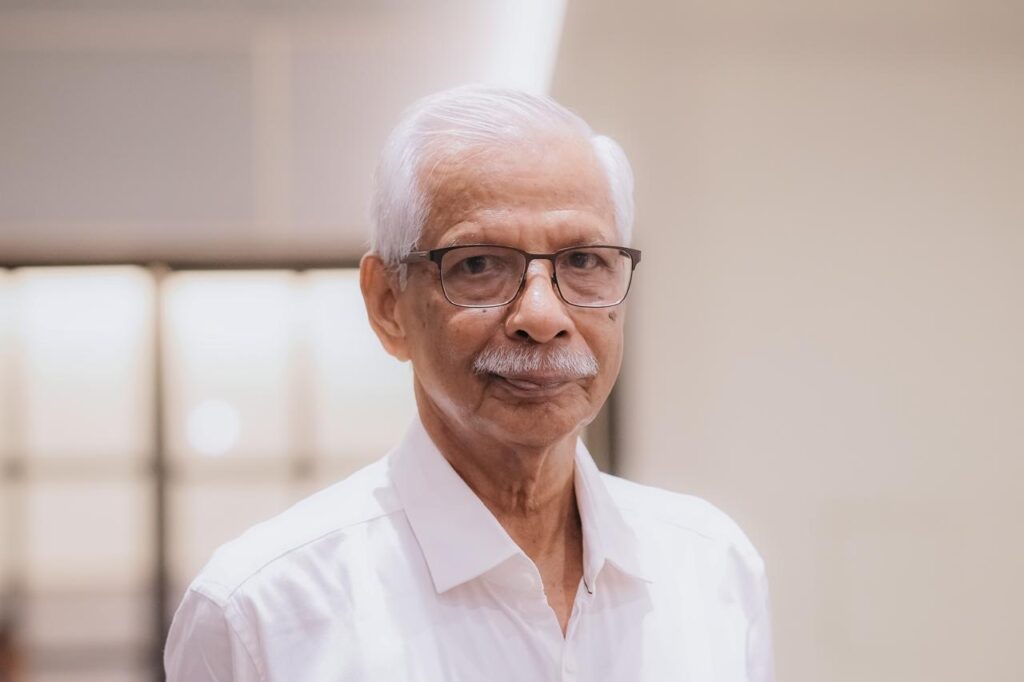
My exposure to him began when I was still in my teenage years, a formative period when one’s understanding of the world, society, and oneself is still taking shape. Looking back, I recognise how deeply some of the values he instilled in me have influenced my personality, my value systems, and my philosophy of social construction. The honesty with which I hold my convictions today, including the willingness to question, examine, and stand by my values, owes something significant to those early encounters with him. His influence became part of the foundation upon which I continue to build my understanding of life.
An Academician Par Excellence | Louder Principles in soft voices | Lived examples
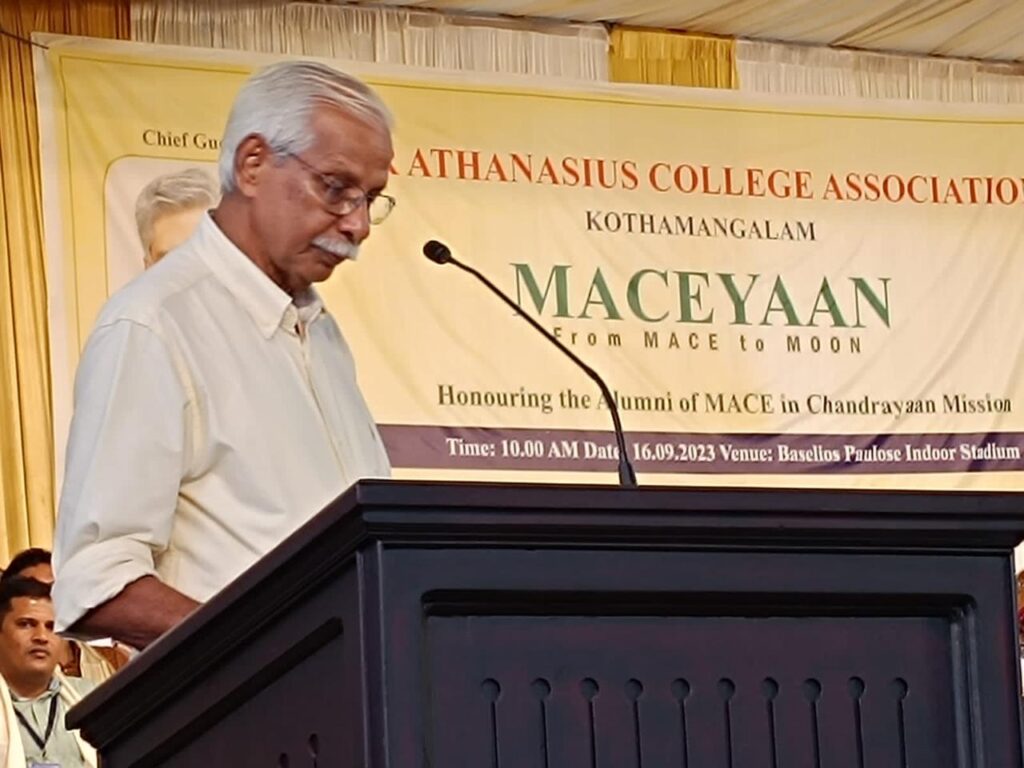
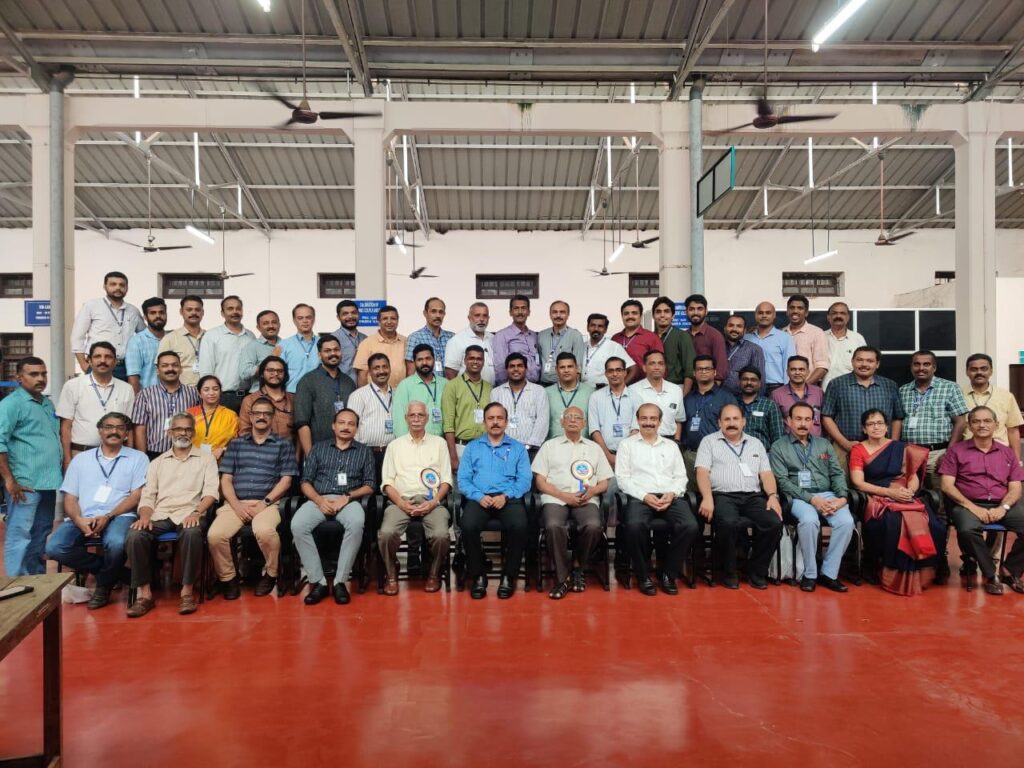
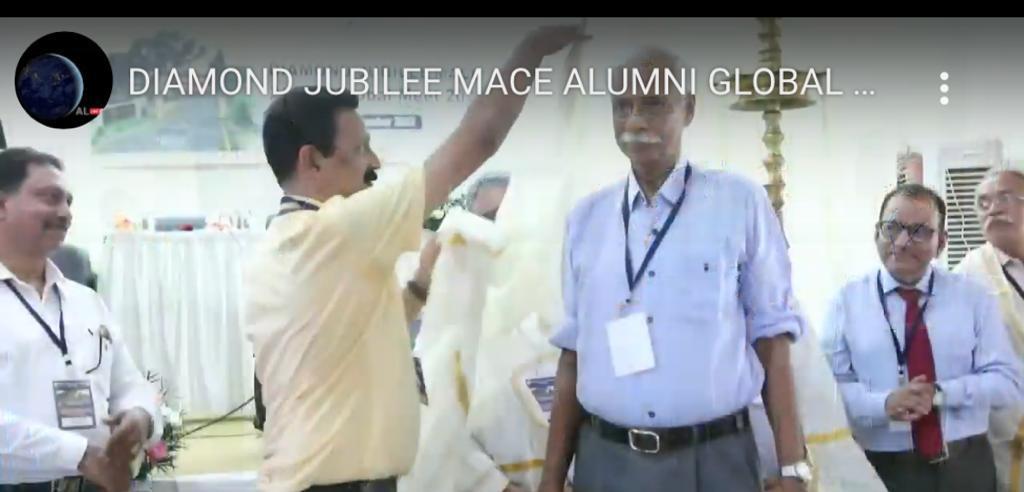
Prof. Dr. C. N. Paulose served as a Professor at Mar Athanasius College of Engineering, Kothamangalam, an institution that pioneered engineering education in central Kerala from 1961. Managed by the Mar Athanasius College Association and aided by the Government of Kerala, MACE holds a distinctive place in the history of engineering education in the region. It was established as the first engineering college in Asia under Christian management. Over the decades, popularly known as MACE, the institution has grown significantly, expanding its academic departments and continuing its role in engineering education, currently affiliated with APJ Abdul Kalam Technological University.
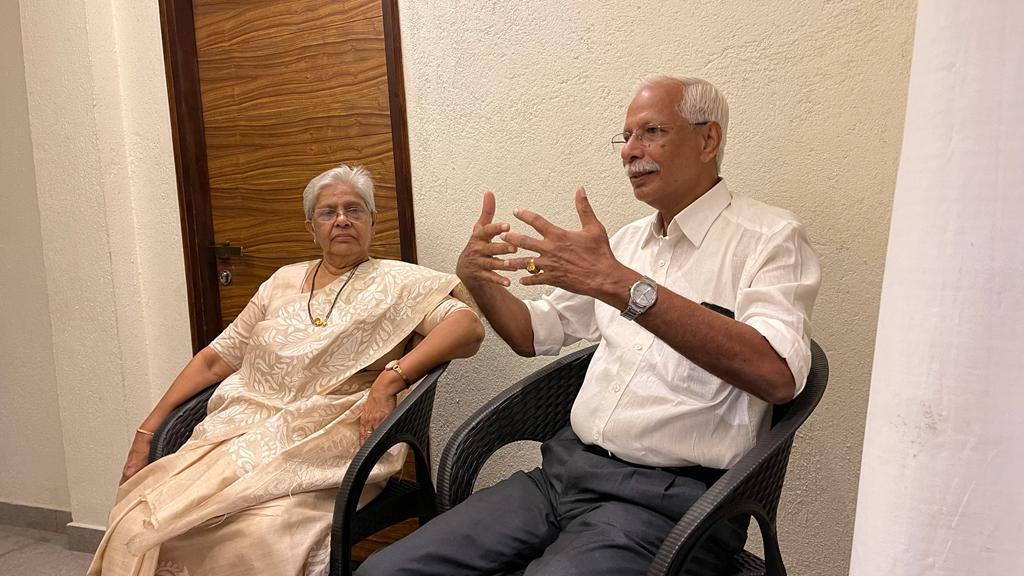
Within this institution, generations of students encountered teachers who contributed to their academic and personal development. Prof. Dr. Paulose was one of the educators whose influence extended far beyond his formal role. On October 17, 2001, when Viswajyothi College of Engineering and Technology was blessed, inaugurated, and began its journey, Dr. C. N. Paulose assumed office as its founding Principal. He led the institution through its critical formative years, laying the groundwork for program expansions and a thriving campus culture. As the college celebrates its silver jubilee 25th anniversary this year, his founding leadership stands as the foundation of a quarter century of educational excellence.
A Reflective Encounter Beyond the Classroom
Prof. Dr. C. N. Paulose was never my teacher in the conventional sense. I was fortunate enough to encounter him through sheer good luck, at an age when I was still a teenager, trying to make sense of the world around me. I had the opportunity to listen to him speak about his values, principles, and philosophy of life. At that age, I could not comprehend the depth or complexity of what he was expressing. I was listening, but I did not possess the maturity or life experience to understand what I was hearing. Today, after four decades of time lapse and more than sixteen years of learning and exploring Neuro Linguistic Programming, I look back at those early encounters with a different understanding of my own experience.
Over time, I have realized that as young people, our minds have a unique way of absorbing what we hear. Even if we cannot fully make sense of a message at the time, we still take it in, pay deep attention, and hold onto it. I believe the words I listened to so intently back then left a permanent mark on me, long before I had the words to explain what they meant. There is a beautiful saying that captures this feeling: what is written on water disappears, what is written on sand fades away, but what is written on rock endures. For me, those early encounters with Prof. Dr. Paulose were like words carved into rock. I did not walk away with a ready-made philosophy for life right then and there. Instead, the understanding unfolded slowly over time as I grew up, met different people, navigated challenges, and began to form my own perspective on the world.
As time passed, I began to recognise the significance of the values I had heard him speak about during my teenage years. Some of the principles that I now hold deeply, including the importance of honesty, the courage to question, and the willingness to examine the foundations of my own beliefs, seem to have roots in those early encounters. I cannot claim that I understood everything he said at the time, but what I can say with conviction is that I listened deeply. That experience of listening has stayed with me through every phase of my life. That is why I consider myself fortunate today. I was not formally his student in a traditional classroom setting, but life gave me the opportunity to hear him at a formative stage of my personality. Sometimes a person need not be our classroom teacher to become one of the most influential voices in our lives. Sometimes we understand the significance of what we heard only years later, and sometimes the most enduring lessons are those we were not yet old enough to fully understand.
The Lasting Imprint of Principles and Mentorship
The values lived by a truly authentic person never remain isolated within their own lifetime; they inevitably ripple outward, reflecting in the character and actions of everyone touched by their life. A teacher’s true influence is not always immediately visible. Students may remember a lecture, an examination, or a particular conversation, but the deeper impact of an educator often reveals itself years later in the way former students approach difficult decisions, respond to injustice, evaluate social conventions, or take responsibility for their actions. Some lessons are never written on a blackboard; they emerge through conversations, expectations, questions, disagreements, and the example a teacher sets.
The values I absorbed through my early exposure to him became part of how I understand integrity and social responsibility. They shaped my inclination to examine the foundations of what I believe, rather than accept things simply because they are customary or convenient. For me, honesty is not merely about speaking the truth, it is also about being truthful with oneself by questioning assumptions, examining principles, and accepting responsibility. That is one of the lasting ways in which his influence continues to live within me.
An individual who serves as a professor and later as the first principal of an engineering college occupies different roles in the lives of different people. To a student, he may be remembered as a teacher who challenged an assumption or opened a new way of thinking. To a colleague, he may be remembered through professional interactions, shared responsibilities, and the experience of working together. To those associated with the establishment and growth of an institution, his contribution may be understood through the responsibilities he carried during its formative years.
To someone like me, who encountered him during adolescence, his significance is also deeply personal because he was among the early mentors who influenced the making of my personality. These are different perspectives on the same person, each belonging uniquely to the individual who experienced it. I would be interested to hear how others remember Prof. Dr. C. N. Paulose. What did they learn from him? What conversations, experiences, or values stayed with them? How did their association with him influence their own journeys? A person’s legacy becomes richer when it is seen through the many lives he has touched. (You may reflect your thoughts at the bottom of the article.)
As we grow older, we begin to understand that education is much larger than the acquisition of knowledge or professional qualifications. It is also about developing the ability to think independently, act responsibly, and engage meaningfully with the society around us. Mentors play an important role in this process. They may not determine the paths we take, but they can influence the principles with which we move on those paths. The most enduring mentorship does not require us to become replicas of our mentors; it gives us the confidence and discipline to develop our own understanding of the world.
In that sense, the values we inherit are not finished products, but foundations that we must continue to examine, strengthen, and put into practice. For me, the influence of Prof. Dr. C. N. Paulose remains part of that ongoing process. It is easy to remember someone through the titles they held such as Professor, Principal, academic, or institutional leader. Those titles matter because they establish the professional context of a person’s life and contributions, but the more intimate dimensions of a person’s legacy are often found in the memories of those who knew him.
What did he stand for? What did he expect of those around him? What did people take away from their encounters with him? Which values continued to guide them long after their association ended? These are the questions that make it more than a record of professional achievements. I write this not as someone who can speak for everyone who encountered him, but as someone who recognises the lasting significance of his influence in my own life. My gratitude is personal, and my hope is that, by sharing this reflection, I may also encourage others to remember and share their own experiences. (You may reflect your thoughts at the bottom of the article)
Prof. Dr. C. N. Paulose was part of my formative years, and his influence remains woven into the way I understand values, integrity, and the construction of society.


C. N. Paulose Sir remains one of the most treasured presences in my life—academically, of course, but also far beyond the confines of the campus. He was a humane luminary, a teacher who did far more than impart knowledge. With a rare and disarming selflessness, he hand-held his wards, guiding them with patience, compassion and an unwavering faith in their potential.
His influence on me was not confined to classrooms, textbooks or academic pursuits. He touched lives. He nurtured minds, encouraged dreams, and, in his quiet and unassuming way, helped shape the people we became.
I place him on the highest pedestal of my mind and memory, surrounded by an aura of affection, gratitude and those ineffably sweet memories that the passage of time can never erase. To remember C. N. Paulose Sir is, for me, to revisit a cherished chapter of my youth—and to feel, even after all these years, the gentle warmth of a teacher who cared.
Well said