All posts by admin

About admin

Chairman of Global TV | Excellent Writer | Exceptional PR Skills | Author of Six books | MASTER HEALER | +91 98441 82044 |

Udupi Sarees | The revival of Udupi Sarees was made possible by the tireless efforts of a dedicated team | Global TV

The Revival of Udupi Sarees: A Story of Cultural Preservation | Global TV

In the quaint districts of Udupi and Dakshina Kannada, a centuries-old tradition of weaving Udupi Sarees was on the brink of extinction. However, thanks to the tireless efforts of the Kadike Trust, this traditional craft has been revived, and the Udupi Saree has regained its former glory. Once with more than 5000 families relying on this famous weave of Undevided south canara district came to nearly extinct due to various factors.

Udupi sarees were mainly woven by Shettigars who are also known as padmashalis. When Basel mission introduced new type of loom called Malabar frame loom and started giving training many people from other community were attracted to this field. Later on after onslaught of Power looms and other factors handloom weaving profession started to fade away slowly and nearly came to halt with only few old Weavers remaining.

The Kadike Trust, established in 2018, by few likeminded friends under the guidance of Mamatha Rai a former computer science Lecturer , aimed to nurture eco-friendly rural livelihood practices and to document indigenous knowledge. Their first project, the Udupi Saree Revival, focused on collecting information about the weavers, their techniques, and the history behind this traditional craft.

The revival of Udupi Sarees was made possible by the tireless efforts of a dedicated team. The trust’s team, comprising of people from different walks of life, joined together to do their bit in this dire situation of climate emergency. Trust started by collecting authentic hands on information about Udupi saree weaving in twin districts , which was not available.

And it was found out that only 42 aged weavers were remaining in the field , when talked they had lost all the hopes this beautiful heritage continuing for long. Trust worked closely with weavers and weaver societies and started multifanged efforts to revive this sustainable rural livelyhood opportunity which suited to Trusts objective.

With exact figures in hand Trust started its work by marketing the Udupi sarees through all platforms including online. Trustees participated themselves in events , and selling sarees by roadside in farmers market. Trust requested weavers societies to raise the Price of sarees which was selling at very low price, compared to other genuine handloom sarees , trust assured them steady marketing. Whatsapp, facebook, twitter and Instagram were used extensively to reintroduce this beautiful product to younger generation.

Proper branding was done with attractive logo and label with weavers photo and other details created by famous artist and designer with this Trust started a campaign as ‘ know your weaver ‘ which gave tremendous boost to weavers self respect and dignity, and it atracted youngsters to the profession.

Trust started honouring weavers with awards which gave boost to their low morale. Along with these work Trust started giving trainings to interested persons , coerced experienced weavers who had left profession to come back. There were only six 80 count weavers in two districts when trust started revival projects.
Trust coerced many weavers to come back and in the beginning trust started giving training with its own fund later NABARD joined hands together so trust trained twenty youngsters and othet 15 came back to profession.

Trust intervened with designs and weaves to give better appeal to the product in turn the Sarees could attract youg generation, with many youngsters proudly draped Udupi sarees and sent their photos to publish in Udupi Saree Revival pages on social media.Trust liasoned with GI office to get long pending User Authorisation to all weavers societies for using GI tag.

This constant work attracted media attention.

Trust starts natural dying in Udupi saree for the first time in the history of Udupi saree weaving.
These untiring work brought many accolades to the revival work, founder president Mamatha Rai was honoured with Change Maker award by Deccan Herald National daily for Udupi Saree Revival work.

NABAARD H O honoured trust as one of the best NGO working in handloom sector in national level. Mamies School house, Canada Selected Mamatha Rai for a prestigious Scholarship on natural dying. Other than this, trut supported weavers during the time of crisis like during Pandemic, natural calamity , health issues and other necessities.

The Udupi Saree, with its unique characteristics, such as the “loom sizing” technique, the use of eco friendly dyes, and the intricate designs, is a testament to the rich cultural heritage of the region. The revival of this traditional craft is a shining example of how dedication and hard work can help preserve our cultural heritage for future generations.

As we marvel at the beauty of the Udupi Saree, let us not forget the tireless efforts of the Kadike Trust and the weavers who have worked tirelessly to revive this traditional craft. Their dedication to preserving our cultural heritage is a true inspiration, and their efforts will be remembered for generations to come.

TALKS INDIA | Third event will take place on November 28, 2024, at 4:30 PM | KPS Menon Hall, Kottayam Public Library | Ajith Balakrishnan, Founder and Chairman Emeritus of Rediff.com | Global TV

Thinkers Academy to Host Inspiring Talk by Ajith Balakrishnan on AI and Education

Kottayam, Kerala: Thinkers Academy, a pioneering non-profit organization committed to fostering critical thinking and lifelong learning, is gearing up to host the third session of its flagship monthly program, TALKS INDIA. The much-anticipated event will take place on November 28, 2024, at 4:30 PM at the KPS Menon Hall, Kottayam Public Library.

This month’s edition of TALKS INDIA promises to be an intellectually stimulating experience, featuring a keynote address by the esteemed Ajith Balakrishnan, Founder and Chairman Emeritus of Rediff.com. Renowned for his visionary insights, Mr. Balakrishnan will delve into the transformative topic: “AI and the Future of Education: Empowering Next-Gen Creativity and Critical Thinking.”

Exploring the Intersection of AI and Education

As artificial intelligence (AI) continues to reshape industries worldwide, its impact on education has emerged as a critical area of discussion. Mr. Balakrishnan, a thought leader in technology and innovation, will examine how AI can revolutionize traditional education systems, creating opportunities to nurture creativity and critical thinking among students. His talk will address the challenges and possibilities of integrating AI into the Indian education system, offering actionable insights for educators, students, and policymakers.

With a focus on the future, Mr. Balakrishnan aims to inspire a reimagining of education that equips India’s next generation with the tools to thrive in a rapidly evolving world. Attendees can expect an engaging exploration of how AI can transform classrooms into hubs of innovation, where students not only learn but also develop critical life skills.

TALKS INDIA: A Platform for Innovation and Knowledge

The TALKS INDIA series, initiated by Thinkers Academy, is a unique platform designed to foster intellectual engagement and spark innovative ideas across diverse fields. By bringing thought leaders, innovators, and changemakers to the forefront, the series serves as a bridge between visionary concepts and practical implementation.

“We believe that critical thinking and innovation are the cornerstones of a knowledge-driven society. TALKS INDIA is our effort to inspire individuals to think differently, question deeply, and create meaningfully,” said a spokesperson for Thinkers Academy.

Venue and Participation

The event will be held at the iconic KPS Menon Hall within the premises of the Kottayam Public Library, a venue celebrated for its historical significance and intellectual legacy. Open to all, this session provides an opportunity for students, educators, and lifelong learners to engage with one of India’s most influential tech entrepreneurs.

Thinkers Academy extends a warm invitation to the public, urging everyone to seize this chance to gain insights from Mr. Balakrishnan’s expertise and be part of a broader dialogue on how India can harness the power of AI in education.

About Thinkers Academy

Thinkers Academy is a Kottayam-based non-profit organization dedicated to creating a knowledge-driven society through initiatives that prioritize critical thinking, innovation, and lifelong learning. With programs like TALKS INDIA, the organization envisions a future where education is not merely a means to acquire knowledge but a foundation for cultivating creativity and analytical abilities.

By focusing on bridging the gap between traditional learning models and future demands, Thinkers Academy strives to empower individuals to lead meaningful, innovative lives. The organization actively collaborates with thought leaders, educators, and community members to host transformative events, fostering a culture that values questioning, problem-solving, and critical engagement.

Event Details at a Glance:
Date: November 28, 2024
Time: 4:30 PM
Venue: KPS Menon Hall, Kottayam Public Library
Topic: AI and the Future of Education: Empowering Next-Gen Creativity and Critical Thinking
Keynote Speaker: Ajith Balakrishnan

For more information about the event or to learn about upcoming programs by Thinkers Academy, visit their official website or contact them at 98473 66228 or 79075 80351
. Don’t miss this chance to be part of an inspiring journey towards a brighter, knowledge-driven India!

കൂട്ടായി വില പേശി ഒരുമിച്ച് വായ്പകൾ എടുത്ത്, അവ കൃഷിയിൽ തന്നെ വിനിയോഗിച്ച്, കൂട്ടായി വിള ഇൻഷുർ ചെയ്ത്, കൂട്ടായി വിപണി വിലയറിഞ്ഞ് ഉത്പന്നങ്ങൾ വിൽക്കണം | പ്രമോദ് മാധവൻ

കാർഷിക കൂട്ടായ്മകൾ വളരട്ടെ…

പ്രമോദ് മാധവൻ

തുണ്ട് വത്കരിക്കപ്പെട്ട കൃഷിയിടങ്ങൾ(Fragmented Agricultural Holdings ) കാർഷികകേരളത്തിന്റെ ഒരു പരാധീനതയാണ്. കൃഷിയുടെ ലാഭക്ഷമതയെ അത് പിന്നോട്ടടിക്കുന്നു. യന്ത്രവത്കരണത്തിന് അനുയോജ്യമല്ലാതാക്കുന്നു. കമ്പോളത്തെ ലാക്കാക്കി കൃഷിയിറക്കാൻ, വർഷം മുഴുവൻ ഉത്പന്നങ്ങൾ വിളയിക്കാൻ കഴിയാതെ വരുന്നു.

നമ്മുടെ ആളോഹരി ഭൂലഭ്യത കഷ്ടിച്ച് 30 സെന്റിൽ താഴെയാണ്.
ഇവിടെ കൃഷി ലാഭകരമാക്കാനുള്ള ഒരു വഴി സംഘകൃഷി അഥവാ Group Farming ആണ്.
കുറഞ്ഞ ഭൂലഭ്യതയുള്ള കർഷകർ ഒരു സംഘമായി മാറി അവർ പരസ്പരം സഹായിക്കണം.
കൂട്ടായി വില പേശി കാർഷിക ഉപാധികൾ (Agri Inputs ) വാങ്ങണം. സർക്കാർ പദ്ധതികൾക്കായി സ്ഥാപനങ്ങളെ കൂട്ടായി സമീപിക്കണം. ഒരുമിച്ച് വായ്പകൾ എടുത്ത്, അവ കൃഷിയിൽ തന്നെ വിനിയോഗിച്ച്, കൂട്ടായി വിള ഇൻഷുർ ചെയ്ത്, കൂട്ടായി വിപണി വിലയറിഞ്ഞ് ഉത്പന്നങ്ങൾ വിൽക്കണം.
Self Help through Mutual Help.
കർഷകർ ഒരു Team ആയി മാറണം.
Together
E veryone
A chieve
M ore….
ആ ലക്ഷ്യമുള്ള ഒരു കർഷക കൂട്ടായ്മക്ക് മുന്നിൽ ഒരു ക്ലാസ് എടുക്കാൻ അവസരം ലഭിച്ചു. കേരളത്തിൽ ഏതാണ്ട് ഇരുന്നൂറ്റി അമ്പതിലധികം പഞ്ചായത്തുകളിൽ പ്രവർത്തനമുള്ള കിസാൻ സർവീസ് സൊസൈറ്റി ((Kisan Service Society ) കന്യാകുമാരി, CSI Retreat Centre ൽ വച്ചു സംഘടിപ്പിച്ച ത്രിദിന ദേശീയ കൺവെൻഷനിൽ പങ്കെടുത്ത് “കാർബൺ തൂലിത കൃഷി “(Carbon Neutral Farming ) യെ ക്കുറിച്ചും പരിസ്ഥിതിക വെല്ലുവിളികളെ കൂട്ടായി നേരിടുന്നതിനുള്ള മാർഗങ്ങളെക്കുറിച്ചും കർഷകപ്രമുഖരുമായി സംവദിച്ചു. വളരെ പ്രൗഡമായ ഒരു സദസ്സ് ആയിരുന്നു. അവരുടെ പ്രവർത്തനങ്ങളെക്കുറിച്ച് കൂടുതലായി അറിഞ്ഞു വരുന്നതേയുള്ളൂ. വിവിധ സംസ്ഥാനങ്ങളിലും ചില വിദേശരാജ്യങ്ങളിലും അവരുടെ പ്രവർത്തനം ഉള്ളതായി അറിയാൻ കഴിഞ്ഞു. ഇത് നാലാമത്തെ ദേശീയ കൺവെൻഷൻ ആണെന്നും അടുത്ത വർഷം ഡൽഹിയിലാണ് കൂടുന്നതെന്നും അറിയാൻ കഴിഞ്ഞു.
ചെയർമാൻ ശ്രീ. ജോസ് തയ്യിൽ, ജനറൽ സെക്രട്ടറി ശ്രീ. എസ്. സുരേഷ് എന്നിവരോടുള്ള സ്നേഹം അറിയിക്കുന്നു.
കർഷകർക്ക് ഒരു വഴിവിളക്കായി പ്രവർത്തിക്കാൻ കിസാൻ സർവീസ് സൊസൈറ്റിയ്ക്ക് കഴിയട്ടെ എന്ന് ആത്മാർത്ഥമായി ആഗ്രഹിക്കുന്നു.

Empowering Farmers through Collective Action

In a bid to revolutionize the agricultural sector, the Kisan Service Society (KSS) recently organized a three-day national convention at the CSI Retreat Centre in Kanyakumari. The event brought together farmers and agricultural experts from across the country to discuss innovative strategies for sustainable farming practices.

One of the key issues highlighted during the convention was the problem of fragmented agricultural holdings, which hinders the efficiency and profitability of farming in Kerala. To address this challenge, the KSS emphasized the importance of collective action among farmers.

“By forming groups and working together, farmers can overcome the limitations of small landholdings and achieve economies of scale,” said Jose Thayil, Chairman of KSS. “This approach will also enable farmers to negotiate better prices for their produce and access government schemes and subsidies more effectively.”

The convention also focused on the theme of “Carbon Neutral Farming,” with experts discussing ways to reduce the carbon footprint of agricultural practices. S. Suresh, General Secretary of KSS, emphasized the need for farmers to adopt eco-friendly methods to mitigate the impact of climate change.

The KSS has been working tirelessly to empower farmers and promote sustainable agriculture practices. With its presence in over 150 panchayats across Kerala and expansion plans in other states, the organization is poised to make a significant impact on the agricultural sector.

As the KSS gears up for its next national convention in Delhi next year, it is clear that the organization is committed to illuminating the path forward for farmers. We wish the KSS continued success in its endeavors to empower farmers and promote sustainable agriculture practices.

Kisan Service Society Formation Awareness Meeting Every WED 8 pm

കൃഷിയെയും കർഷകരെയും സ്നേഹിക്കുന്നവരുടെ കൂട്ടായ്മയാണ് കിസാൻ സർവീസ് സൊസൈറ്റി. പത്ത് രാജ്യങ്ങളിലും 12 സംസ്ഥാനങ്ങളിലും കേരളത്തിലെ 240 പഞ്ചായത്തുകളിലും പ്രവർത്തിക്കുന്ന കിസാൻ സർവീസ് സൊസൈറ്റിയുടെ ബുധനാഴ്ചകളിൽ നടക്കുന്ന ഗൂഗിൾ മീറ്റ് മീറ്റിങ്ങിന്റെ ലിങ്ക് താഴെ കൊടുക്കുന്നു.

നിങ്ങളുടെ പഞ്ചായത്തിൽ കിസാൻ സർവീസ് സൊസൈറ്റിയുടെ യൂണിറ്റ് തുടങ്ങാൻ ആഗ്രഹിക്കുന്നവർ ബുധനാഴ്ച വൈകുന്നേരം എട്ടുമണിക്ക് നടക്കുന്ന ഗൂഗിൾ മീറ്റിലേക്ക് നിങ്ങളെ സ്വാഗതം ചെയ്യുന്നു
Kisan Service Society Formation Awareness Meeting Every WED 8 pm
Kisan Service Society Formation Awareness Meeting Every Wednesday 8 pm – 9 pm
Google Meet joining info
Video call link:

Kadambari, a love story that remains as modern and relevant today as it was during its release, won five Filmfare Awards in 1975 | Global TV

INTACH Mangaluru Chapter and Art Kanara Trust Present a Fascinating Talk on the Making of Kadambari

Mangaluru, November 27, 2024: The Indian National Trust for Art and Cultural Heritage (INTACH) Mangaluru Chapter, in association with Art Kanara Trust, is proud to present a captivating talk by Madhusudan Kumar, a renowned artist, producer, and musician. The event, scheduled for 5 pm on Thursday, November 28, 2024, at the Kodialguthu Center for Art & Culture, will delve into the making of the iconic 1976 Hindi feature film Kadambari and offer insights into the Bombay film industry of the 1970s.

Madhusudan Kumar, the producer and creative director of Kadambari, will regale the audience with his memories of the film’s creation, sharing anecdotes and behind-the-scenes stories. Written by the celebrated author Amrita Pritam and directed by H. K. Verma, Kadambari featured Vijay Arora and Shabana Azmi in lead roles. The film also marked the debut of playback singer Kavita Krishnamurthy, and its music was composed by the legendary Ustad Vilayat Khan.

Kadambari, a love story that remains as modern and relevant today as it was during its release, won five Filmfare Awards in 1975. The film’s music, which was widely acclaimed, was a key factor in its success.

The event promises to be a fascinating journey down memory lane, offering a unique glimpse into the Bombay film industry of the 1970s. Film enthusiasts, historians, and anyone interested in the world of cinema are invited to attend this engaging talk.

Date: Thursday, November 28, 2024
Time: 5 pm
Venue: Kodialguthu Center for Art & Culture, 5-12-1139/1, G.G. Road, Ballalbagh, Mangaluru-575 003

For more information, please contact:
Subhas Basu: 87623 68048
Rajendra Kedige: 94800 14812
Email: intachmangaluru@gmail.com

Happiness, Success, overall well-being and increased productivity are outcomes of Question Hour | Global TV

Nirmala College of Pharmacy Hails Josi Joseph’s Psycho Dialectic Program

Muvattupuzha, Ernakulam District, Kerala – November 26, 2024: Nirmala College of Pharmacy, the only NAAC acredited Pharmacy college in Kerala has expressed its heartfelt appreciation for the highly successful Psycho Dialectic Program- ‘Question Hour’ conducted by renowned motivational speaker Josi Joseph. The program, which aimed to make a better world- transform the thought process,happiness and communication skills of the college staff, has yielded phenomenal results, with participants experiencing a profound shift towards positivity in their daily interactions.

According to Dr. Padmanaban R, Principal of Nirmala College of Pharmacy, Josi Joseph’s Success Mantra for Happiness and Success has resonated deeply with the faculty and staff, leading to a significant improvement in their overall well-being and productivity. “We are witnessing a remarkable transformation in our staff, with a noticeable increase in positivity, motivation, and teamwork,” Dr. Padmanaban R said.

The college is eager to host more orientation programs for both faculty and students, leveraging Josi Joseph’s expertise to foster a culture of optimism and excellence. “We believe that Josi Joseph’s Psycho Dialectic Program has the potential to bring about a paradigm shift in our institution, and we look forward to collaborating with him further,” Dr. padmanaban added.

Josi Joseph’s Psycho Dialectic Program is designed to empower individuals with the skills and mindset necessary to achieve happiness and success. The program has been widely acclaimed for its transformative impact, and Josi Joseph has been recognized as one of the leading motivational speakers in the country.

Nirmala College of Pharmacy’s endorsement of Josi Joseph’s Psycho Dialectic Program is a testament to the program’s effectiveness and impact. As the college continues to strive for excellence in education and research, it is clear that Josi Joseph’s program will play a significant role in shaping the minds and attitudes of its faculty and students.

നിങ്ങൾക്ക് കോളേജുമായി സംസാരിക്കാൻ ഫോൺ വിളിക്കാം. കാമ്പസ്സിൽ വന്നാൽ ഇവിടെ മലയാളം അറിയുന്ന ധാരാളം അദ്ധ്യാപകരും ഉണ്ട്; സിസ്റ്റർ വെനിസ്സ പറഞ്ഞു | ഗ്ലോബൽ ടി വി

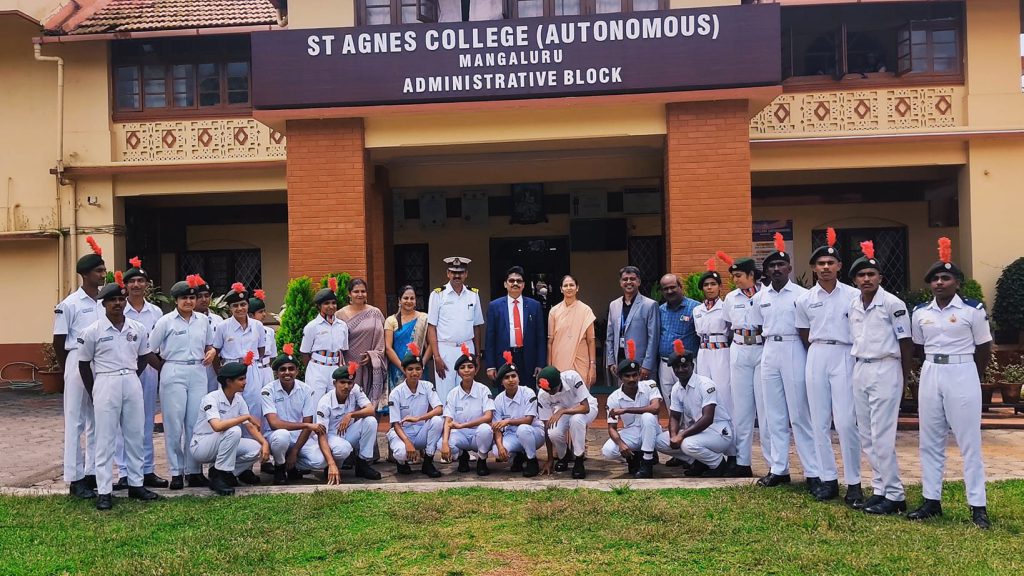
മലയാളികൾക്ക് ഇത് എന്തുപറ്റി; സെൻറ്. ആഗ്നസ് കോളജിൻ്റെ പ്രിൻസിപ്പൽ സിസ്റ്റർ വെനിസ്സ ചോദിക്കുന്നു.

മലയാളികൾക്ക് ഇത് എന്തുപറ്റി. കോളജിൽ വന്ന്‌ നേരിട്ട് അഡ്മിഷൻ എടുക്കുന്നതിന് പകരം അവർ മറ്റ്‌ വല്ലവരുടെയും പുറകെ പോകുന്നത് എന്തിനാണ്? ചോദ്യം ചോദിക്കുന്നത് മറ്റാരുമല്ല. മംഗലാപുരത്തെ സെൻറ്. ആഗ്നസ് കോളജിൻ്റെ പ്രിൻസിപ്പൽ സിസ്റ്റർ വെനിസ്സയാണ് വളരെ പ്രസക്തമായ ഈ ചോദ്യം ചോദിക്കുന്നത്.

കോളജിനെ സംബന്ധിച്ച വിവരങ്ങളെല്ലാം വെബ്‌സൈറ്റിൽ ഉണ്ട്. ഓൺലൈനിൽ അപ്ലൈ ചെയ്യുകയും ചെയ്യാം. ഫീസ് സംബന്ധിച്ച വിവരങ്ങളും വെബ്സൈറ്റിൽ ഉണ്ട്. എന്തിനാണ് പിന്നെ കയ്യിലിരിക്കുന്ന കാശ് കൊടുത്ത് കടിക്കുന്ന പട്ടിയെ വാങ്ങുന്നത്.

ചോദ്യം വളരെ പ്രസക്തമാണ്. മലയാളികൾ കുരുക്കിൽ പെടാൻ ആഗ്രഹിക്കുന്നു. പലരും ചെന്ന് കയറി കെണിയിൽ പെടുന്നു. കോളജിൽ 25,000/- രൂപ ഫീസുള്ളിടത്ത് ഒരു ലക്ഷം രൂപ അധികം കൊടുത്ത് ഒരു ബന്ധവുമില്ലാത്ത ആളുകളെ കോളജ് അഡ്മിഷൻ ചുമതല ഏൽപ്പിക്കുന്ന മാതാപിതാക്കൾക്ക് എന്തോ കാര്യമായ തകരാറുണ്ട്. സിസ്റ്ററിനു ഇക്കാര്യത്തിൽ സംശയം ഒന്നുമില്ല.

ഭാഷയാണ് പ്രശ്നം എന്ന് പറഞ്ഞിട്ട് സിസ്റ്ററിനു അത് വിശ്വസിക്കാൻ കഴിയുന്നില്ല. ഭാഷയും പരിചയക്കുറവും മലയാളികൾക്ക് ഒരു തടസ്സം ആകാൻ വഴിയില്ല; സിസ്റ്റർ ഉറപ്പിച്ചു പറയുന്നു. ഇത് ഉത്തരവാദിത്ത കുറവുതന്നെ. അല്ലെങ്കിൽ എവിടെയോ എന്തോ തകരാറുണ്ട്. എന്തുതന്നെയായാലും ഇത് പരിഹരിച്ചേ മതിയാകൂ. സിസ്റ്റർ പറഞ്ഞു. മലയാളി സമൂഹം ഒരുമിച്ച് നിന്ന് എല്ലാവരെയും വിഡ്ഢികളാക്കുന്ന ഈ പരിപാടി അവസാനിപ്പിക്കണം.

മംഗലാപുരം സന്ദർശിക്കുന്ന മലയാളികളെ സെന്റ് ആഗ്നസ് കോളജ് സന്ദർശിക്കാൻ ക്ഷണിക്കുകയാണ് സി. വെനിസ്സ. കോളജിൽ വരൂ. ഞങ്ങളുമായി സംസാരിക്കൂ. എന്നിട്ട് നാട്ടിൽനിന്നും അഡ്മിഷനായി വരുന്നവരെ സഹായിക്കൂ. മംഗലാപുരത്തുള്ള മലയാളികളോടും സിസ്റ്ററിനു പറയാനുള്ളത് ഇത് തന്നെയാണ്. തട്ടിപ്പിന് ഇരയാകുന്നത് ഒരു പക്ഷെ നിങ്ങളുടെ ബന്ധുക്കൾ ആയിരിക്കില്ല. പക്ഷെ നാളെ അതിനുള്ള സാധ്യത തള്ളിക്കളയാനാകില്ല. സിസ്റ്റർ ഓർമിപ്പിക്കുന്നു.

സേവനം എപ്പോഴും സാമൂഹ്യ നന്മ ലക്‌ഷ്യം വച്ചുള്ളതാണ്. അത് അങ്ങനെ തന്നെ വേണം. അതിനു വലിയ തുക ഈടാക്കുന്നത് ശരിയല്ല. പലപ്പോഴും ഫീസിനേക്കാൾ കമ്മീഷൻ കൊടുക്കുന്ന മാതാപിതാക്കൾ നിങ്ങൾ മലയാളികൾക്കിടയിലുണ്ട്. മറ്റു സംസ്ഥാനങ്ങളിൽ നിന്നുള്ള വിദ്യാസമ്പന്നരല്ലാത്ത വ്യക്തികൾക്ക് പോലും ഇത്തരം അബദ്ധങ്ങൾ പറ്റുന്നില്ല എന്നതാണ് സത്യം. കോളജ് ഇക്കാര്യങ്ങൾ അറിയുന്നതേയില്ല.

നിങ്ങൾക്ക് കോളേജുമായി സംസാരിക്കാൻ ഫോൺ വിളിക്കാം. കാമ്പസ്സിൽ വന്നാൽ ഇവിടെ മലയാളം അറിയുന്ന ധാരാളം അദ്ധ്യാപകരും ഉണ്ട്; സിസ്റ്റർ വെനിസ്സ പറഞ്ഞു. ഭാഷ മലയാളികൾക്ക് ഒരു തടസ്സം അല്ലെന്ന് സിസ്റ്റർ അപ്പോഴും തറപ്പിച്ചു പറയുന്നു. മടിയാണോ നിങ്ങളുടെ പണം നഷ്ടപ്പെടുത്തുന്ന വില്ലൻ? ഇതാണ് സിസ്റ്റർ വെനിസ്സ മലയാളികൾക്ക് മുൻപിൽ ഉയർത്തുന്ന ചോദ്യം.

Editor’s Note:

മുകളിലെ ചിത്രത്തിൽ ക്ലിക്ക് ചെയ്‌താൽ നിങ്ങൾക്ക് കോളജ് വെബ്സൈറ്റ് സന്ദർശിക്കാം. ആവശ്യമുള്ള വിവരങ്ങൾ എല്ലാം അവിടെയുണ്ട്.

Book Review | The Delhi Model | India stands at a crossroads with challenges ranging from economic inequality and environmental degradation | Global TV

Renowned Author Jasmine Shah Unveils “The Delhi Model,” a Groundbreaking Book on Governance

In a significant announcement to set an significant challenge across India’s political and intellectual spheres, Jasmine Shah, a senior leader of the Aam Aadmi Party (AAP) and a respected policy advocate, revealed her debut book, The Delhi Model: A Bold New Road Map to Building a Developed India. Published by Penguin India, this much-anticipated work is scheduled for release in mid-December and is already sparking debates and curiosity among policymakers, scholars, and citizens alike.

A Vision for Modern Governance

The Delhi Model is a unique book; it is Shah’s comprehensive narrative of how the AAP government, under the leadership of Arvind Kejriwal, has redefined governance in India. In her own words, the book chronicles “the inspiring story of how a new governance paradigm emerged from Delhi, one that is rooted in equity, efficiency, and evidence-based policymaking.” With its release, Shah aims to provide a roadmap for building a developed India by leveraging the principles of this groundbreaking governance model.

Jasmine Shah has meticulously captured the evolution of the Delhi Model, presenting a detailed analysis of the innovative reforms spearheaded by the AAP government in six critical sectors: education, health, air pollution, transport, electricity, and water. These reforms, she argues, not only improved the quality of life for Delhi’s residents but also demonstrated a scalable template for other Indian states to adopt.

The Delhi Model vs. The Gujarat Model

One of the book’s most intriguing aspects is its comparative analysis of governance frameworks across India, particularly the Gujarat Model, championed by Prime Minister Narendra Modi during his tenure as Chief Minister of Gujarat. While the Gujarat Model has often been lauded for its focus on industrial growth and economic reforms, Shah highlights the Delhi Model’s focus on social welfare, inclusivity, and sustainability.

In her book, Shah delves into the economic foundations of both models, evaluating their long-term impacts on development. By juxtaposing these two approaches, The Delhi Model invites readers to critically assess which governance strategies are best suited for India’s diverse socio-economic landscape.

Six Pillars of Reform

At the heart of The Delhi Model lies an in-depth exploration of six key areas where the AAP government has made significant strides:

Education: Shah highlights the transformation of Delhi’s government schools, which have become benchmarks of excellence. The book details initiatives such as the Happiness Curriculum and Deshbhakti Curriculum, as well as the infrastructure overhaul that has put Delhi’s schools on par with private institutions.

Healthcare: The Mohalla Clinics, hailed as a revolutionary model in primary healthcare, receive a thorough examination. Shah explains how these clinics have democratized healthcare access, particularly for the underprivileged, and how the system could be scaled across India.

Air Pollution: As one of the most pressing issues facing Delhi, air pollution is a critical focus of the book. Shah explores policies like the Graded Response Action Plan (GRAP) and the odd-even vehicle rationing scheme, analyzing their efficacy and future potential.

Transport: Delhi’s public transport system has seen significant improvements, from increased safety measures for women to the electrification of buses. Shah describes how these initiatives align with sustainable urban planning.

Electricity: The subsidization of electricity in Delhi, ensuring free or affordable power for millions, is a testament to the AAP government’s commitment to equitable access. Shah provides insights into how this policy balances fiscal prudence with social equity.

Water: The book delves into the AAP government’s achievements in providing free and reliable water access to households, showcasing how this initiative has directly improved public health and well-being.

A Two-Year Journey of Research and Reflection

Shah revealed that the book is the culmination of nearly two years of rigorous research and writing. Drawing on her extensive experience in policy and governance, Shah combines firsthand accounts, statistical analyses, and expert interviews to create a compelling narrative. The book’s depth is enriched by the endorsements of luminaries such as economist Raghuram Rajan, retired Supreme Court Justice Madan Lokur, industrialist Rajiv Bajaj, former Planning Commission member Arun Maira, and educationist Karthik Muralidharan.

Each of these figures, in their respective endorsements, has underscored the importance of The Delhi Model as a timely and impactful work. For instance, Raghuram Rajan described it as “an essential read for understanding the potential of governance rooted in compassion and pragmatism,” while Rajiv Bajaj praised its visionary approach to blending social equity with economic efficiency.

A Book for Policymakers and Citizens Alike

Jasmine Shah hopes her book will serve as a valuable resource for a wide audience. From policymakers and political leaders to academics and students of public administration, The Delhi Model aims to inspire a new generation of governance thinkers. By offering a practical framework supported by empirical evidence, the book encourages readers to imagine a developed India where prosperity is shared, and governance is people-centric.

Furthermore, the book holds particular appeal for ordinary citizens eager to understand the mechanics of effective governance. Shah has taken care to present complex policy issues in an accessible and engaging manner, ensuring that her ideas resonate beyond the confines of academia and bureaucracy.

Why “The Delhi Model” Matters Now

The timing of the book’s release is particularly significant. India stands at a crossroads, grappling with challenges ranging from economic inequality and environmental degradation to urbanization and public health crises. Against this backdrop, The Delhi Model serves as both a reflection on past achievements and a guide for future governance.

Shah’s narrative emphasizes the importance of innovation, inclusivity, and accountability in tackling India’s most pressing issues. By documenting the successes and lessons of the AAP government, she offers a blueprint for other states—and perhaps even the central government—to emulate.

Early Reception and Availability

Even before its release, The Delhi Model is generating considerable buzz. It has been listed for pre-order on Amazon, with expectations of strong sales fueled by the endorsements and the AAP government’s popularity in Delhi. Critics and commentators are eagerly awaiting its insights, with some predicting that it could redefine the discourse on governance in India.

For Jasmine Shah, the book’s success is measured by by its impact on the ground more than its sales or accolades on the book. “If this book inspires even one policymaker to implement reforms that improve lives, I will consider it a success,” she said during the announcement.

Looking Ahead

As the release date approaches, anticipation continues to build for The Delhi Model: A Bold New Road Map to Building a Developed India. Whether you are a policy enthusiast, a concerned citizen, or simply curious about the future of governance in India, this book promises to offer insights that are as thought-provoking as they are actionable.

Mark your calendars for mid-December and prepare for a journey through the principles, practices, and potential of the Delhi Model. Jasmine Shah’s work is a testament to good governance. It is also a call of action for a brighter, more equitable India.

Constitution Day Celebration | November 26, 2024, marks the 75th Constitution Day of India, a day that commemorates the adoption of the Indian Constitution in 1949 | Global TV

Constitution Day Celebrations Held at The Government Pre-University College, Hampankatta, Mangalore

Mangalore, November 26, 2024: The Government Pre-University College, Hampankatta, Mangalore, in collaboration with several other institutions, including My Bharath Mangalore, Bangalore, Department of Youth Affairs, and Ministry of Youth Affairs and Sports, Government of India, organized a program to celebrate Constitution Day.

The event was graced by the presence of several distinguished guests. The guests of honor included Mahesh Holla, Executive Officer of the Taluk Panchayat; Jagadish K., Administrative Officer of Nehru Yuva Kendra; Prof. Vineetha Rai, Former Registrar of Evaluations at Roshni Nilaya; Suresh Rai Chudamulle, representative of the Youth Federation of Dakshina Kannada; Naveen Kottari; and Santhosh Shetty. Their presence added significance to the event, and their participation in the activities helped to make the celebration a memorable one.

Mahesh Holla, Executive Officer of the Taluk Panchayat and a veteran of the Indian Air Force, delivered a thought-provoking speech on the significance of the Constitution in regulating the behavior of individuals in positions of power. To drive home his point, he employed a dramatic gesture that left the audience momentarily stunned. Abruptly moving towards a student in the front row, he said, “I cannot just come and hold onto you.” The audience was taken aback, unsure of what to expect next. However, Holla quickly returned to the podium, revealing that his sudden movement was merely a demonstration of the Constitution’s power to protect individual rights and prevent abuse of authority. Through this impactful illustration, Holla effectively conveyed the importance of the Constitution in safeguarding the freedoms and dignity of all citizens.

Jagadish K., Administrative Officer of Nehru Yuva Kendra, commended the youth for their vital role in safeguarding the Constitution. Addressing the students, he emphasized that the future of the nation rests in their hands, and it is their responsibility to protect and uphold the values enshrined in the Constitution. To infuse a sense of enthusiasm and patriotism among the students, Jagadish K. led them in reciting slogans, which they repeated after him with great fervor. He also encouraged them to demonstrate their energy and coordination, which they did with great zeal, showcasing their commitment to upholding the principles of the Constitution.

Vincent Anthony Mascharenhas, Principal of Government Pre-University College, presided over the Constitution Day celebration with great enthusiasm. In his presidential address, he underscored the significance of the Indian Constitution, emphasizing its profound impact on our lives. “The Constitution is the foundation of our democracy, and it is because of this sacred document that we are able to enjoy the freedoms and rights that we often take for granted,” he remarked. Principal Mascharenhas further stressed that the Constitution guarantees equality to all citizens, irrespective of their background, caste, creed, or socio-economic status. “In the eyes of the Constitution, we are all equal citizens, entitled to the same rights and privileges,” he said, urging the students and faculty members to respect, uphold, and protect the Constitution and its values.

The program began with a warm welcome to the dignitaries present, followed by an invocation of the blessings of Almighty God. Prof. Vineetha K., the resource person for the event, addressed the gathering on the significance of the Indian Constitution and the rights, duties, and responsibilities of citizens.

Prof. Vineetha K. emphasized that the Indian Constitution is a sacred document that enshrines the fundamental rights and duties of citizens. She highlighted the importance of understanding and upholding these rights and duties to build a progressive, inclusive, and equitable society.

The fundamental rights guaranteed by the Indian Constitution include the right to equality, freedom, and protection against exploitation. The resource person emphasized the importance of fundamental duties, such as respecting the Constitution, promoting harmony and brotherhood, and protecting the environment.

Prof. Vineetha K. also highlighted the responsibilities of citizens, including respecting and obeying the laws of the land, participating in the democratic process, paying taxes, and promoting social justice and equality.

The program concluded with a call to action, urging citizens to uphold the values enshrined in the Indian Constitution and to work towards building a better future for all.

The event was attended by students, faculty members, and dignitaries from various institutions. The program served as a reminder of the importance of the Indian Constitution and the role of citizens in upholding its values.

The event was conducted with fervour and grandeur by Mallika M., Lecturer in Commerce, who served as the Master of the Ceremony. She seamlessly guided the program from start to finish, ensuring a smooth and engaging experience for all attendees. The program was also supported by other faculty members, including Shymala P.S., Lecturer in Political Science, who delivered the welcome address, and Ramesh, Lecturer in Chemistry, who proposed the vote of thanks, expressing gratitude to all the guests, participants, and organizers for making the event a success.

Constitution Day Celebrations Held Across India

Today, November 26, 2024, marks the 75th Constitution Day of India, a day that commemorates the adoption of the Indian Constitution in 1949. The Constitution, which is the longest written constitution in the world, emphasizes the values of justice, liberty, equality, and fraternity.

As part of the celebrations, educational programs, awareness campaigns, and cultural activities were organized to engage citizens and promote civic responsibility. The events underscored the importance of justice, liberty, equality, and fraternity, and encouraged citizens to reflect on their roles in upholding constitutional values.

In his address, the Prime Minister of India highlighted the significance of the Indian Constitution and its role in shaping the country’s democratic framework. He also emphasized the need for citizens to actively participate in civic affairs and promote constitutional values.

The Constitution Day celebrations serve as a reminder of India’s commitment to building a progressive, inclusive, and equitable society for all citizens. As the country celebrates this momentous occasion, it is essential to reflect on the values enshrined in the Constitution and strive to uphold them in our daily lives.

Career Avenues and Revenue Models (CAR Models) can be designed effortlessly just by connecting people into pressing issues in the society.

Become Resident Editors with Global TV | A Call for Retired Untired | Teachers with a Vision are also Welcome | Represent Global TV around your Residential City or Campus | An opportunity to Do good unto others | Global TV

Addressing Poverty, Senior Care, Environment promotion, Human Relations, Referral Circles, Media Campaigns, PR Initiatives etc. are areas where we can create plenty of Career Avenues and Revenue Models.

NV Paulose Chairman Global TV +91 98441 82044

“Do good unto others” is a timeless philosophy that transcends cultures, religions, and geographical boundaries. This simple yet profound principle encourages us to cultivate kindness, compassion, and empathy towards others. By doing good unto others, we not only bring joy and positivity into their lives but also create a ripple effect of goodness that resounds within ourselves. As we selflessly extend a helping hand, lend a listening ear, or offer a comforting word, we experience a deep sense of fulfillment, purpose, and connection with the world around us. By embracing this philosophy, we can foster a culture of kindness, build stronger communities, and create a brighter future for all.

Water, Water Everywhere, Not a Drop to Drink: This is the Paradox of Economic Realities and Missing Opportunities across Indian Cities and Villages!

The phrase “water, water everywhere, not a drop to drink” is a popular metaphor here to highlight the stark contrast between abundance of career possibilities and missing accessibility for majority of people in Indian economic scenario. Country is progressing but people are kept away from the happening economic world.

Plenty of people are there in want of opportunities everywhere. This is just like the phrase of water, water everywhere as coined by Samuel Taylor Coleridge in his poem “The Rime of the Ancient Mariner.” It has been used to describe situations where resources are plentiful, yet somehow, remain out of reach.

In the context of economics, this phrase takes on a profound significance. We live in a world where opportunities all around are flourishing in abundance. Wealth is increasing and economy is active. Technology is advancing and innovation is rampant. And yet, for a significant portion of the population, these opportunities remain out of reach and elusive, like water that is visible but unreachable.

The paradox is striking. On one hand, we have establishments, businesses, and industries that are thriving, creating wealth. They all supposed to generate more employment on a continuous basis. More employment is the sign of growth even for them. Why then we have a large population that remains disconnected from these opportunities, struggling to make ends meet, and living in poverty?

The art of engaging people beyond traditional methods!

The following analogy of vehicles and drivers is apt here. Imagine a city with plenty of cars, buses, and trucks, but not enough drivers to operate them. The vehicles represent the opportunities that exist in the economy, while the drivers represent the people who need to access these opportunities. Just as the vehicles are useless without drivers, economic opportunities are meaningless without engaging more people who can tap them to perform well.

We are in a beehive wherein most of the bees are kept inactive. We do not even get to know the nuances of teaching people to fish in our ponds while they are engaged in the preparation and promotion of our vast economic eco system.  We are not even understanding the kind of mistakes that we are doing by keeping large number of people economically disengaged. They are the people who can take our establishments to enormous levels of performance excellence.

Learn the art of making people to work without salary!

The answer lies in creating a system that enables people to connect with us and to access economic opportunities that are also beneficial for our establishments to flourish and prosper. This is just as teaching people how to drive. Engage maximum number of people in small little economic programs. Let them learn the art of earning. Learning driving need not be in BMWs and Mercedes Benz.

Help people to experience the taste of fruits in small economic chain of social initiatives. Involve people in addressing the pressing issues in the world. Let them be a part of a self-sustainable volunteer model. Engage people in economics and encourage them to become part of your referral network.

Small little CAR Models can be operated in micro units!

Career Avenues and Revenue Models (CAR Models) can be designed effortlessly just by connecting people into pressing issues in the society. Poverty, Senior Care, Environment promotion, Human Relations, Referral Circle, Media and PR etc. are areas where we can create plenty of Career Avenues and Revenue Models.

Just give a start to people by engaging them into Small Revenue Models (SRM) by integrating service, compassion and charity into their daily routines.  They will get into entrepreneurship models and gain financial literacy and freedom in the process of prosperity. Those who have got appropriate foundation to begin their career will stay strong in the foundation. They will reciprocate well as well.

CAR Models and “driving schools” can take up sustainable volunteerism to begin with and get into entrepreneurship incubators, or service careers later. We can have Certificate programs, mobile apps, or community initiatives to promote the concept. The key is to create a platform that provides people with the skills, knowledge, and support they need to access economic opportunities.

By doing so, we can unlock the potential of millions of people who are currently excluded from the economic mainstream. We can create an inclusive economy that provides opportunities for all, regardless of their background, education, or socio-economic status. The benefits of such an approach are numerous.

For individuals, it means access to better job prospects, higher incomes, and improved living standards. For businesses, it means a larger pool of skilled workers, increased productivity, and expanded referral networks. For societies, it means reduced poverty, inequality, and social unrest.

It’s time to start driving schools everywhere and teach people the art of economic driving. With the right skills and knowledge, they will flourish, and the BMWs and Mercedes of economic success will be within their reach.

The Rime of the Ancient Mariner By Samuel Taylor Coleridge | Global TV

Water, water, every where,
Nor any drop to drink.

PART I
It is an ancient Mariner,
And he stoppeth one of three.
‘By thy long grey beard and glittering eye,
Now wherefore stopp’st thou me?

The Bridegroom’s doors are opened wide,
And I am next of kin;
The guests are met, the feast is set:
May’st hear the merry din.’

He holds him with his skinny hand,
‘There was a ship,’ quoth he.
‘Hold off! unhand me, grey-beard loon!’
Eftsoons his hand dropt he.

He holds him with his glittering eye—
The Wedding-Guest stood still,
And listens like a three years’ child:
The Mariner hath his will.

The Wedding-Guest sat on a stone:
He cannot choose but hear;
And thus spake on that ancient man,
The bright-eyed Mariner.

‘The ship was cheered, the harbour cleared,
Merrily did we drop
Below the kirk, below the hill,
Below the lighthouse top.

The Sun came up upon the left,
Out of the sea came he!
And he shone bright, and on the right
Went down into the sea.

Higher and higher every day,
Till over the mast at noon—’
The Wedding-Guest here beat his breast,
For he heard the loud bassoon.

The bride hath paced into the hall,
Red as a rose is she;
Nodding their heads before her goes
The merry minstrelsy.

The Wedding-Guest he beat his breast,
Yet he cannot choose but hear;
And thus spake on that ancient man,
The bright-eyed Mariner.

And now the STORM-BLAST came, and he
Was tyrannous and strong:
He struck with his o’ertaking wings,
And chased us south along.

With sloping masts and dipping prow,
As who pursued with yell and blow
Still treads the shadow of his foe,
And forward bends his head,
The ship drove fast, loud roared the blast,
And southward aye we fled.

And now there came both mist and snow,
And it grew wondrous cold:
And ice, mast-high, came floating by,
As green as emerald.

And through the drifts the snowy clifts
Did send a dismal sheen:
Nor shapes of men nor beasts we ken—
The ice was all between.

The ice was here, the ice was there,
The ice was all around:
It cracked and growled, and roared and howled,
Like noises in a swound!

At length did cross an Albatross,
Thorough the fog it came;
As if it had been a Christian soul,
We hailed it in God’s name.

It ate the food it ne’er had eat,
And round and round it flew.
The ice did split with a thunder-fit;
The helmsman steered us through!

And a good south wind sprung up behind;
The Albatross did follow,
And every day, for food or play,
Came to the mariner’s hollo!

In mist or cloud, on mast or shroud,
It perched for vespers nine;
Whiles all the night, through fog-smoke white,
Glimmered the white Moon-shine.’

‘God save thee, ancient Mariner!
From the fiends, that plague thee thus!—
Why look’st thou so?’—With my cross-bow
I shot the ALBATROSS.

PART II
The Sun now rose upon the right:
Out of the sea came he,
Still hid in mist, and on the left
Went down into the sea.

And the good south wind still blew behind,
But no sweet bird did follow,
Nor any day for food or play
Came to the mariner’s hollo!

And I had done a hellish thing,
And it would work ’em woe:
For all averred, I had killed the bird
That made the breeze to blow.
Ah wretch! said they, the bird to slay,
That made the breeze to blow!

Nor dim nor red, like God’s own head,
The glorious Sun uprist:
Then all averred, I had killed the bird
That brought the fog and mist.
‘Twas right, said they, such birds to slay,
That bring the fog and mist.

The fair breeze blew, the white foam flew,
The furrow followed free;
We were the first that ever burst
Into that silent sea.

Down dropt the breeze, the sails dropt down,
‘Twas sad as sad could be;
And we did speak only to break
The silence of the sea!

All in a hot and copper sky,
The bloody Sun, at noon,
Right up above the mast did stand,
No bigger than the Moon.

Day after day, day after day,
We stuck, nor breath nor motion;
As idle as a painted ship
Upon a painted ocean.

Water, water, every where,
And all the boards did shrink;
Water, water, every where,
Nor any drop to drink.

The very deep did rot: O Christ!
That ever this should be!
Yea, slimy things did crawl with legs
Upon the slimy sea.

About, about, in reel and rout
The death-fires danced at night;
The water, like a witch’s oils,
Burnt green, and blue and white.

And some in dreams assurèd were
Of the Spirit that plagued us so;
Nine fathom deep he had followed us
From the land of mist and snow.

And every tongue, through utter drought,
Was withered at the root;
We could not speak, no more than if
We had been choked with soot.

Ah! well a-day! what evil looks
Had I from old and young!
Instead of the cross, the Albatross
About my neck was hung.

PART III
There passed a weary time. Each throat
Was parched, and glazed each eye.
A weary time! a weary time!
How glazed each weary eye,

When looking westward, I beheld
A something in the sky.

At first it seemed a little speck,
And then it seemed a mist;
It moved and moved, and took at last
A certain shape, I wist.

A speck, a mist, a shape, I wist!
And still it neared and neared:
As if it dodged a water-sprite,
It plunged and tacked and veered.

With throats unslaked, with black lips baked,
We could nor laugh nor wail;
Through utter drought all dumb we stood!
I bit my arm, I sucked the blood,
And cried, A sail! a sail!

With throats unslaked, with black lips baked,
Agape they heard me call:
Gramercy! they for joy did grin,
And all at once their breath drew in.
As they were drinking all.

See! see! (I cried) she tacks no more!
Hither to work us weal;
Without a breeze, without a tide,
She steadies with upright keel!

The western wave was all a-flame.
The day was well nigh done!
Almost upon the western wave
Rested the broad bright Sun;
When that strange shape drove suddenly
Betwixt us and the Sun.

And straight the Sun was flecked with bars,
(Heaven’s Mother send us grace!)
As if through a dungeon-grate he peered
With broad and burning face.

Alas! (thought I, and my heart beat loud)
How fast she nears and nears!
Are those her sails that glance in the Sun,
Like restless gossameres?

Are those her ribs through which the Sun
Did peer, as through a grate?
And is that Woman all her crew?
Is that a DEATH? and are there two?
Is DEATH that woman’s mate?

Her lips were red, her looks were free,
Her locks were yellow as gold:
Her skin was as white as leprosy,
The Night-mare LIFE-IN-DEATH was she,
Who thicks man’s blood with cold.

The naked hulk alongside came,
And the twain were casting dice;
‘The game is done! I’ve won! I’ve won!’
Quoth she, and whistles thrice.

The Sun’s rim dips; the stars rush out;
At one stride comes the dark;
With far-heard whisper, o’er the sea,
Off shot the spectre-bark.

We listened and looked sideways up!
Fear at my heart, as at a cup,
My life-blood seemed to sip!
The stars were dim, and thick the night,
The steersman’s face by his lamp gleamed white;
From the sails the dew did drip—
Till clomb above the eastern bar
The hornèd Moon, with one bright star
Within the nether tip.

One after one, by the star-dogged Moon,
Too quick for groan or sigh,
Each turned his face with a ghastly pang,
And cursed me with his eye.

Four times fifty living men,
(And I heard nor sigh nor groan)
With heavy thump, a lifeless lump,
They dropped down one by one.

The souls did from their bodies fly,—
They fled to bliss or woe!
And every soul, it passed me by,
Like the whizz of my cross-bow!

PART IV
‘I fear thee, ancient Mariner!
I fear thy skinny hand!
And thou art long, and lank, and brown,
As is the ribbed sea-sand.

I fear thee and thy glittering eye,
And thy skinny hand, so brown.’—
Fear not, fear not, thou Wedding-Guest!
This body dropt not down.

Alone, alone, all, all alone,
Alone on a wide wide sea!
And never a saint took pity on
My soul in agony.

The many men, so beautiful!
And they all dead did lie:
And a thousand thousand slimy things
Lived on; and so did I.

I looked upon the rotting sea,
And drew my eyes away;
I looked upon the rotting deck,
And there the dead men lay.

I looked to heaven, and tried to pray;
But or ever a prayer had gusht,
A wicked whisper came, and made
My heart as dry as dust.

I closed my lids, and kept them close,
And the balls like pulses beat;
For the sky and the sea, and the sea and the sky
Lay dead like a load on my weary eye,
And the dead were at my feet.

The cold sweat melted from their limbs,
Nor rot nor reek did they:
The look with which they looked on me
Had never passed away.

An orphan’s curse would drag to hell
A spirit from on high;
But oh! more horrible than that
Is the curse in a dead man’s eye!
Seven days, seven nights, I saw that curse,
And yet I could not die.

The moving Moon went up the sky,
And no where did abide:
Softly she was going up,
And a star or two beside—

Her beams bemocked the sultry main,
Like April hoar-frost spread;
But where the ship’s huge shadow lay,
The charmèd water burnt alway
A still and awful red.

Beyond the shadow of the ship,
I watched the water-snakes:
They moved in tracks of shining white,
And when they reared, the elfish light
Fell off in hoary flakes.

Within the shadow of the ship
I watched their rich attire:
Blue, glossy green, and velvet black,
They coiled and swam; and every track
Was a flash of golden fire.

O happy living things! no tongue
Their beauty might declare:
A spring of love gushed from my heart,
And I blessed them unaware:
Sure my kind saint took pity on me,
And I blessed them unaware.

The self-same moment I could pray;
And from my neck so free
The Albatross fell off, and sank
Like lead into the sea.

PART V
Oh sleep! it is a gentle thing,
Beloved from pole to pole!
To Mary Queen the praise be given!
She sent the gentle sleep from Heaven,
That slid into my soul.

The silly buckets on the deck,
That had so long remained,
I dreamt that they were filled with dew;
And when I awoke, it rained.

My lips were wet, my throat was cold,
My garments all were dank;
Sure I had drunken in my dreams,
And still my body drank.

I moved, and could not feel my limbs:
I was so light—almost
I thought that I had died in sleep,
And was a blessed ghost.

And soon I heard a roaring wind:
It did not come anear;
But with its sound it shook the sails,
That were so thin and sere.

The upper air burst into life!
And a hundred fire-flags sheen,
To and fro they were hurried about!
And to and fro, and in and out,
The wan stars danced between.

And the coming wind did roar more loud,
And the sails did sigh like sedge,
And the rain poured down from one black cloud;
The Moon was at its edge.

The thick black cloud was cleft, and still
The Moon was at its side:
Like waters shot from some high crag,
The lightning fell with never a jag,
A river steep and wide.

The loud wind never reached the ship,
Yet now the ship moved on!
Beneath the lightning and the Moon
The dead men gave a groan.

They groaned, they stirred, they all uprose,
Nor spake, nor moved their eyes;
It had been strange, even in a dream,
To have seen those dead men rise.

The helmsman steered, the ship moved on;
Yet never a breeze up-blew;
The mariners all ‘gan work the ropes,
Where they were wont to do;
They raised their limbs like lifeless tools—
We were a ghastly crew.

The body of my brother’s son
Stood by me, knee to knee:
The body and I pulled at one rope,
But he said nought to me.

‘I fear thee, ancient Mariner!’
Be calm, thou Wedding-Guest!
‘Twas not those souls that fled in pain,
Which to their corses came again,
But a troop of spirits blest:

For when it dawned—they dropped their arms,
And clustered round the mast;
Sweet sounds rose slowly through their mouths,
And from their bodies passed.

Around, around, flew each sweet sound,
Then darted to the Sun;
Slowly the sounds came back again,
Now mixed, now one by one.

Sometimes a-dropping from the sky
I heard the sky-lark sing;
Sometimes all little birds that are,
How they seemed to fill the sea and air
With their sweet jargoning!

And now ’twas like all instruments,
Now like a lonely flute;
And now it is an angel’s song,
That makes the heavens be mute.

It ceased; yet still the sails made on
A pleasant noise till noon,
A noise like of a hidden brook
In the leafy month of June,
That to the sleeping woods all night
Singeth a quiet tune.

Till noon we quietly sailed on,
Yet never a breeze did breathe:
Slowly and smoothly went the ship,
Moved onward from beneath.

Under the keel nine fathom deep,
From the land of mist and snow,
The spirit slid: and it was he
That made the ship to go.
The sails at noon left off their tune,
And the ship stood still also.

The Sun, right up above the mast,
Had fixed her to the ocean:
But in a minute she ‘gan stir,
With a short uneasy motion—
Backwards and forwards half her length
With a short uneasy motion.

Then like a pawing horse let go,
She made a sudden bound:
It flung the blood into my head,
And I fell down in a swound.

How long in that same fit I lay,
I have not to declare;
But ere my living life returned,
I heard and in my soul discerned
Two voices in the air.

‘Is it he?’ quoth one, ‘Is this the man?
By him who died on cross,
With his cruel bow he laid full low
The harmless Albatross.

The spirit who bideth by himself
In the land of mist and snow,
He loved the bird that loved the man
Who shot him with his bow.’

The other was a softer voice,
As soft as honey-dew:
Quoth he, ‘The man hath penance done,
And penance more will do.’

PART VI

First Voice
‘But tell me, tell me! speak again,
Thy soft response renewing—
What makes that ship drive on so fast?
What is the ocean doing?’

Second Voice
Still as a slave before his lord,
The ocean hath no blast;
His great bright eye most silently
Up to the Moon is cast—

If he may know which way to go;
For she guides him smooth or grim.
See, brother, see! how graciously
She looketh down on him.’

First Voice
‘But why drives on that ship so fast,
Without or wave or wind?’

Second Voice
‘The air is cut away before,
And closes from behind.

Fly, brother, fly! more high, more high!
Or we shall be belated:
For slow and slow that ship will go,
When the Mariner’s trance is abated.’

I woke, and we were sailing on
As in a gentle weather:
‘Twas night, calm night, the moon was high;
The dead men stood together.

All stood together on the deck,
For a charnel-dungeon fitter:
All fixed on me their stony eyes,
That in the Moon did glitter.

The pang, the curse, with which they died,
Had never passed away:
I could not draw my eyes from theirs,
Nor turn them up to pray.

And now this spell was snapt: once more
I viewed the ocean green,
And looked far forth, yet little saw
Of what had else been seen—

Like one, that on a lonesome road
Doth walk in fear and dread,
And having once turned round walks on,
And turns no more his head;
Because he knows, a frightful fiend
Doth close behind him tread.

But soon there breathed a wind on me,
Nor sound nor motion made:
Its path was not upon the sea,
In ripple or in shade.

It raised my hair, it fanned my cheek
Like a meadow-gale of spring—
It mingled strangely with my fears,
Yet it felt like a welcoming.

Swiftly, swiftly flew the ship,
Yet she sailed softly too:
Sweetly, sweetly blew the breeze—
On me alone it blew.

Oh! dream of joy! is this indeed
The light-house top I see?
Is this the hill? is this the kirk?
Is this mine own countree?

We drifted o’er the harbour-bar,
And I with sobs did pray—
O let me be awake, my God!
Or let me sleep alway.

The harbour-bay was clear as glass,
So smoothly it was strewn!
And on the bay the moonlight lay,
And the shadow of the Moon.

The rock shone bright, the kirk no less,
That stands above the rock:
The moonlight steeped in silentness
The steady weathercock.

And the bay was white with silent light,
Till rising from the same,
Full many shapes, that shadows were,
In crimson colours came.

A little distance from the prow
Those crimson shadows were:
I turned my eyes upon the deck—
Oh, Christ! what saw I there!

Each corse lay flat, lifeless and flat,
And, by the holy rood!
A man all light, a seraph-man,
On every corse there stood.

This seraph-band, each waved his hand:
It was a heavenly sight!
They stood as signals to the land,
Each one a lovely light;

This seraph-band, each waved his hand,
No voice did they impart—
No voice; but oh! the silence sank
Like music on my heart.

But soon I heard the dash of oars,
I heard the Pilot’s cheer;
My head was turned perforce away
And I saw a boat appear.

The Pilot and the Pilot’s boy,
I heard them coming fast:
Dear Lord in Heaven! it was a joy
The dead men could not blast.

I saw a third—I heard his voice:
It is the Hermit good!
He singeth loud his godly hymns
That he makes in the wood.
He’ll shrieve my soul, he’ll wash away
The Albatross’s blood.

PART VII
This Hermit good lives in that wood
Which slopes down to the sea.
How loudly his sweet voice he rears!
He loves to talk with marineres
That come from a far countree.

He kneels at morn, and noon, and eve—
He hath a cushion plump:
It is the moss that wholly hides
The rotted old oak-stump.

The skiff-boat neared: I heard them talk,
‘Why, this is strange, I trow!
Where are those lights so many and fair,
That signal made but now?’

‘Strange, by my faith!’ the Hermit said—
‘And they answered not our cheer!
The planks looked warped! and see those sails,
How thin they are and sere!
I never saw aught like to them,
Unless perchance it were

Brown skeletons of leaves that lag
My forest-brook along;
When the ivy-tod is heavy with snow,
And the owlet whoops to the wolf below,
That eats the she-wolf’s young.’

‘Dear Lord! it hath a fiendish look—
(The Pilot made reply)
I am a-feared’—’Push on, push on!’
Said the Hermit cheerily.

The boat came closer to the ship,
But I nor spake nor stirred;
The boat came close beneath the ship,
And straight a sound was heard.

Under the water it rumbled on,
Still louder and more dread:
It reached the ship, it split the bay;
The ship went down like lead.

Stunned by that loud and dreadful sound,
Which sky and ocean smote,
Like one that hath been seven days drowned
My body lay afloat;
But swift as dreams, myself I found
Within the Pilot’s boat.

Upon the whirl, where sank the ship,
The boat spun round and round;
And all was still, save that the hill
Was telling of the sound.

I moved my lips—the Pilot shrieked
And fell down in a fit;
The holy Hermit raised his eyes,
And prayed where he did sit.

I took the oars: the Pilot’s boy,
Who now doth crazy go,
Laughed loud and long, and all the while
His eyes went to and fro.
‘Ha! ha!’ quoth he, ‘full plain I see,
The Devil knows how to row.’

And now, all in my own countree,
I stood on the firm land!
The Hermit stepped forth from the boat,
And scarcely he could stand.

‘O shrieve me, shrieve me, holy man!’
The Hermit crossed his brow.
‘Say quick,’ quoth he, ‘I bid thee say—
What manner of man art thou?’

Forthwith this frame of mine was wrenched
With a woful agony,
Which forced me to begin my tale;
And then it left me free.

Since then, at an uncertain hour,
That agony returns:
And till my ghastly tale is told,
This heart within me burns.

I pass, like night, from land to land;
I have strange power of speech;
That moment that his face I see,
I know the man that must hear me:
To him my tale I teach.

What loud uproar bursts from that door!
The wedding-guests are there:
But in the garden-bower the bride
And bride-maids singing are:
And hark the little vesper bell,
Which biddeth me to prayer!

O Wedding-Guest! this soul hath been
Alone on a wide wide sea:
So lonely ’twas, that God himself
Scarce seemèd there to be.

O sweeter than the marriage-feast,
‘Tis sweeter far to me,
To walk together to the kirk
With a goodly company!—

To walk together to the kirk,
And all together pray,
While each to his great Father bends,
Old men, and babes, and loving friends
And youths and maidens gay!

Farewell, farewell! but this I tell
To thee, thou Wedding-Guest!
He prayeth well, who loveth well
Both man and bird and beast.

He prayeth best, who loveth best
All things both great and small;
For the dear God who loveth us,
He made and loveth all.

The Mariner, whose eye is bright,
Whose beard with age is hoar,
Is gone: and now the Wedding-Guest
Turned from the bridegroom’s door.

He went like one that hath been stunned,
And is of sense forlorn:
A sadder and a wiser man,
He rose the morrow morn.

The poem “The Rime of the Ancient Mariner” by Samuel Taylor Coleridge conveys several messages and themes. Here are some of the most significant ones:

  1. Guilt and Redemption: The poem explores the theme of guilt and redemption through the Mariner’s journey. He kills the albatross, which leads to a series of supernatural events, and ultimately, he must atone for his sin.
  2. Nature and the Supernatural: The poem highlights the interconnectedness of nature and the supernatural. The Mariner’s actions have consequences that affect the natural world, and he is haunted by supernatural forces.
  3. Isolation and Loneliness: The Mariner’s journey is a metaphor for the human experience of isolation and loneliness. He is forced to confront his own guilt and mortality, and he is ultimately left alone to ponder the consequences of his actions.
  4. The Power of Prayer and Forgiveness: The poem suggests that prayer and forgiveness can lead to redemption and peace. The Mariner’s ability to pray and seek forgiveness ultimately allows him to find some measure of peace.
  5. The Importance of Appreciating Nature: The poem emphasizes the importance of appreciating and respecting nature. The Mariner’s thoughtless killing of the albatross has disastrous consequences, highlighting the need for humans to live in harmony with the natural world.
  6. The Psychological Effects of Guilt: The poem explores the psychological effects of guilt on the human mind. The Mariner’s guilt drives him to madness and despair, highlighting the destructive power of unchecked guilt.
  7. The Importance of Human Connection: The poem suggests that human connection is essential for our well-being. The Mariner’s isolation and loneliness are alleviated when he is able to share his story with the Wedding-Guest, highlighting the importance of community and human connection.