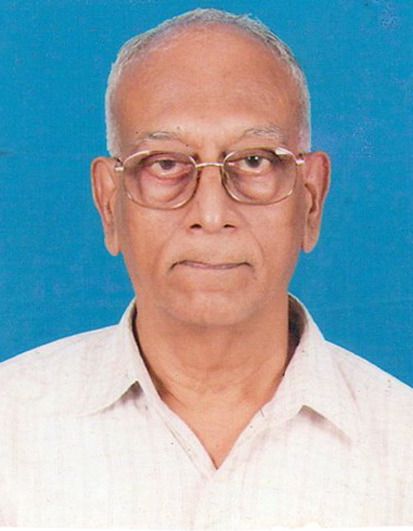
Tribute to C A Mulki Ramachandra Kamath (M.R. Kamath)
It is with deep sorrow that we announce the passing of Mulki Ramachandra Kamath (M.R. Kamath), a highly respected Chartered Accountant from Mangalore, at the age of 79. He breathed his last this evening after a brief illness. He was a bachelor and resided in Mannagudda
With an illustrious career spanning 55 years, Mr. Kamath was a cornerstone of the Chartered Accountancy profession in Mangalore. A pioneer during the formative years of the ICAI Mangalore branch, he served as an office bearer and played a pivotal role in its growth and success.
Beyond his professional excellence, Mr. Kamath was deeply committed to social service. As a gesture of his altruism, he offered his expertise as an auditor to numerous charitable and religious organizations, refusing to charge fees for his services. His contributions extended to mentoring and training countless aspiring Chartered Accountants, many of whom owe their success to his guidance and dedication.
The Mangalore CA community mourns the loss of this extraordinary individual, whose unwavering commitment, humility, and service have left an indelible mark. The void he leaves behind is immeasurable, and his legacy will continue to inspire generations.
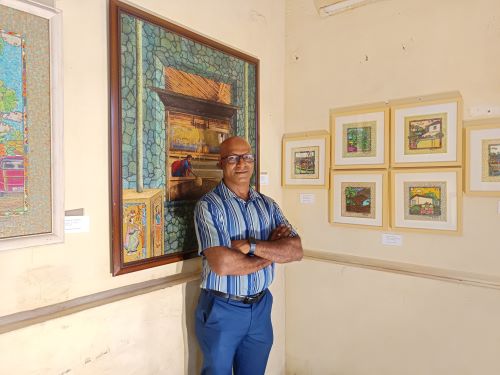
Mangaluru’s Rich Cultural Legacy Comes Alive at Echoes Heritage Festival
Mangaluru’s vibrant cultural scene is a treasure trove of rich history, stunning architecture, and captivating traditions. The Echoes heritage festival is a celebration of this cultural legacy, bringing together art, music, and community spirit.
The Dakshina Kannada district administration’s initiative to organize a heritage week program at the old Deputy Commissioner Office building is a commendable effort to preserve the city’s cultural heritage. This historic building, dating back to the British era, is a testament to the city’s rich history.
The Power of Art Exhibition to Unite People
Art exhibitions have a profound impact on society, fostering a sense of community and promoting cross-cultural understanding. They provide a platform for people to come together, share their experiences, and appreciate the diversity of art and culture.
Involving Students in the Event: A Great Initiative
The district administration’s decision to involve students in the heritage week program is a praiseworthy initiative. By encouraging students to participate in drawing competitions, urban sketching, and guided heritage walks, the administration is nurturing their talents and inspiring future generations to appreciate and protect their heritage.
A Celebration of Community Spirit
The Echoes heritage festival and the heritage week program are a celebration of community spirit, showcasing the city’s rich cultural legacy and promoting cross-cultural understanding. By attending these events, visitors can experience the city’s vibrant cultural scene, appreciate its rich history, and connect with the local community.
The heritage festival and the heritage week program are wonderful initiatives that celebrate Mangaluru’s rich cultural legacy. By promoting art, culture, and community engagement, these events have the power to unite people and inspire future generations to appreciate and protect their heritage.
“Entrepreneurship is about turning what excites you in life into capital, so that you can do more of it and move forward with it.” – Richard Branson
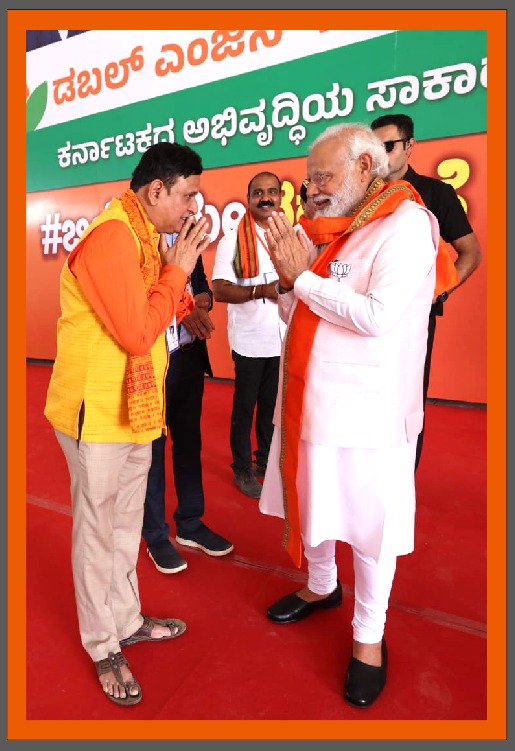
Meeting Hon Prime Minister Narendra Modi during his visit to Mangalore as Co Convenor of BJP Economic Cell DK District.
In India, entrepreneurship has become more than just a buzzword—it’s a way of life. From the bustling streets of Mumbai to the tech hubs of Bengaluru, the country’s entrepreneurial ecosystem is alive with innovation, creativity, and a burning desire to build something extraordinary.
India has become a beacon of entrepreneurship in recent years, with an increasingly vibrant ecosystem that fosters innovation, creativity, and business growth. The MSME Ecosystem, Startup Ecosystem, Banking Ecosystem, and Tax Ecosystem in India have developed significantly over the past decade, creating an environment conducive to the growth of entrepreneurship in the country.
The entrepreneurial ecosystem in India is identified as the third largest and fastest growing in the world (World Economic Forum, 2020).
What makes the Indian “entrepreneurship ecosystem” stand out is its robust support infrastructure designed to aid entrepreneurs and start-ups. This includes various incubators and accelerators offering mentorship and resources to foster growth. With the number of Indian start-ups escalating from 733 in 2016 to over 112,718 by now, the Indian entrepreneurship ecosystem is on an upward trajectory. The MSME sector encompasses almost 63 million enterprises, making a 30% contribution to India’s GDP, 45% to the manufacturing sector, and 40% to exports. Furthermore, it provides employment to 113 million plus individuals.
As per the 2023 Global Innovation Index rankings, India stands at the 40th position. India’s ease of doing business rank improved from 142 in 2015 to 63 in 2020. Start-ups are spearheading the Indian economy with technology and innovation at their forefront. Since India’s first unicorn in 2011, India is now home to 113 startup unicorns, who are collectively valued at $350 Bn.
“People think that Entrepreneurship is very risky. But one should know that not taking risk is itself a big risk”.
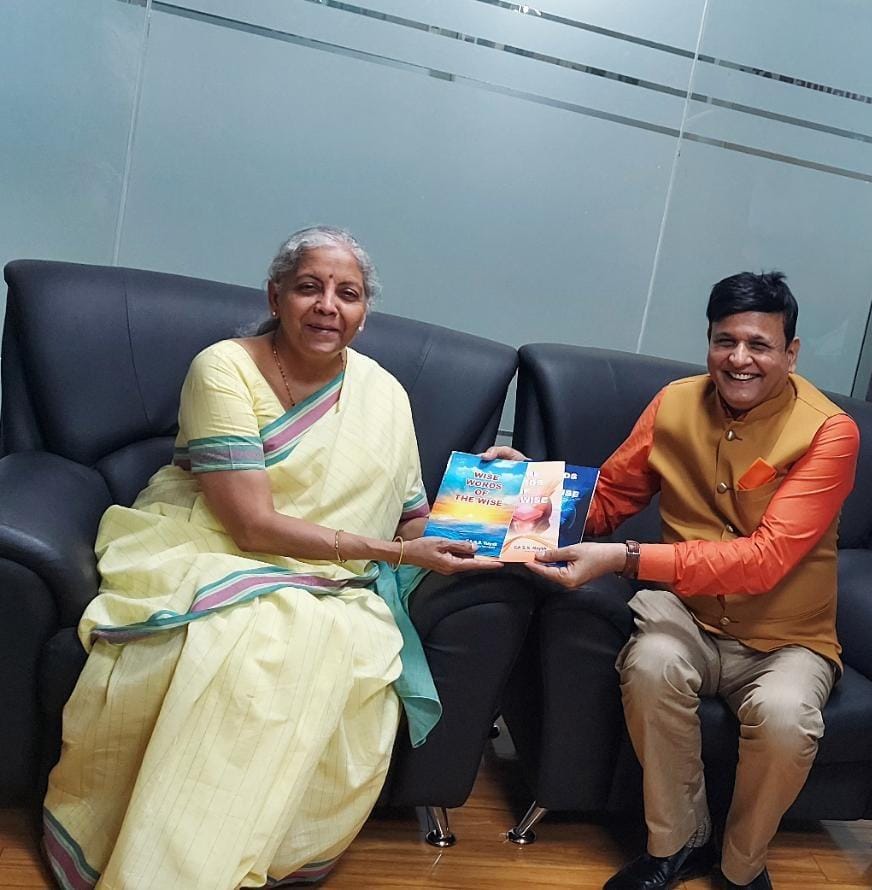
Presenting 3 books Authored by CA S S Nayak to Hon Finanance Minister Smt Nirmala Seetharaman at Mangalore.
Have you ever heard of a deer coming and entering the mouth of a lion while it sleeps? In that case, why are we led to believe that we can achieve success by merely thinking about it or coveting it?
One can achieve success only by working hard and through dedication.)
Thus, with the right mix of risk-taking, innovation, hard work and support, there is no limit to what Indian entrepreneurs can achieve.
Opportunities
One of the most significant opportunities for entrepreneurs in India lies in its vast and diverse market. With a population of over 1.4 billion, the country is home to a wide range of consumer needs and preferences. This diversity presents entrepreneurs with a wealth of opportunities to identify niche markets and create products and services that cater to specific demographics. Moreover, India’s rapidly growing middle class is driving demand for a wide range of goods and services, from technology and healthcare to education and entertainment. Moreover, initiatives like the Startup India program, PMEGP, CGTMSE, and various central & state-level policies have made it easier for entrepreneurs to set up and scale their ventures, even from the smallest street vendors to many MSME entrepreneurs at large.
Here are some central government initiatives designed to promote MSMEs
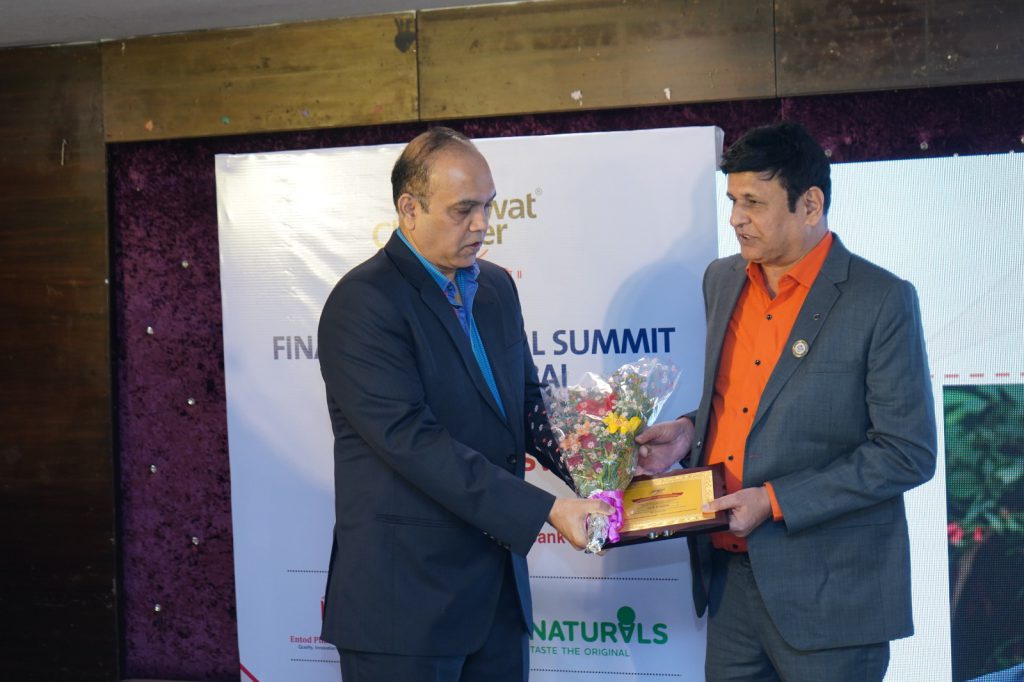
CA S S Nayak receiving Honour at Finance & Legal Conclave at Gymkhana Club Mumbai organised by Saraswat chamber
PM SVANidhi :It provides collateral-free working capital loans in 3 tranches of Rs. 10,000, Rs.20,000 and Rs.50,000 respectively with interest subsidy.
Mudra Loan: Under PM MUDRA Yojana collateral free loans for small businesses up to Rs.10 lakh are easily available from Banks & FIs.
PMEGP: The Prime Minister’s Employment Generation Programme is a credit-linked subsidy scheme initiated by the Government of India. The scheme provides financial assistance in the form of a subsidy on the project cost. For the manufacturing sector, the maximum loan of is
₹50 lakhs, while for the business/service sector, it’s ₹20 lakhs. For the general category entrepreneurs, the subsidy is 15% (Urban) and 25% (Rural). For special categories entrepreneurs (including SC/ST/OBC/Minorities/Women, Ex-servicemen, Physically handicapped,NER, Hill and Border areas), the subsidy is higher at 25% (Urban) and 35% (Rural).
CGTMSE: Collateral free credit facilities is available to Micro & Small Enterprises. Under CGTMSE, guarantee cover is provided by the Credit Guarantee Fund Trust for Micro and Small Enterprises for the collateral free credit facilities to an extent of Rs 5 Crore to eligible new and existing Micro and Small Enterprises (both manufacturing as well as services).
Hybrid CGTMSE: CGTMSE has recently modified the scheme by introducing the Hybrid Security product wherein loans sanctioned to MSE units with partially collateral coverage and partially under the CGTMSE scheme.
Similarly, some of the initiatives available to Startups are as follows:
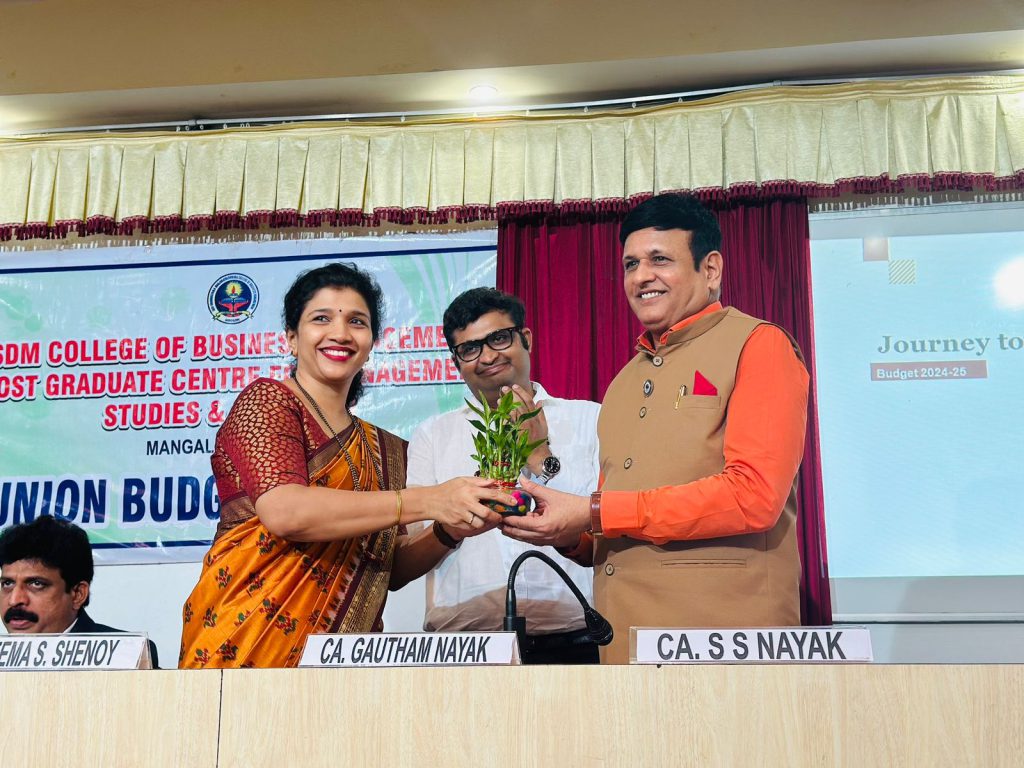
Honoured during Union Budget Presentation by CA S S Nayak at SDM College of Management, Mangalore
Startup India: Startup India aims to simplify the process of starting a business by streamlining regulations and reducing red tape. It provides a single-window clearance system and a dedicated online portal for startup registration. The initiative also offers various handholding services, including mentorship, legal and accounting support, and access to incubators and accelerators.
Atal Innovation Mission: It was launched in February 2016 under the NITI Aayog, the government’s premier policy think tank. AIM aims to promote innovation among students, entrepreneurs, and researchers by providing them with the necessary support, resources, and infrastructure.
A Scheme For Promotion Of Innovation, Rural Industries & Entrepreneurship (ASPIRE):A government initiative launched in March 2015 by the Ministry of Micro, Small & Medium Enterprises (MSME). The scheme aims to promote entrepreneurship and innovation in rural areas by providing support to rural entrepreneurs, MSMEs, and traditional industries.
Startup India Seed Fund Scheme: This scheme aims to provide financial assistance to startups for proof of concept, prototype development, product trials, market entry and commercialization. This would enable these startups to graduate to a level where they will be able to raise investments from angel investors or venture capitalists or seek loans from commercial banks or financial institutions.
Standup India:The initiative aims to facilitate bank loans between ₹10 lakh and ₹1 crore to SC/ST and woman entrepreneurs for setting up greenfield enterprises in manufacturing, services, or in the trading sector with reduced promoters margin at 15%
Nidhi Prayas Grant:An umbrella program pioneered by the Department of Science & Technology (DST), GOI, for nurturing ideas and innovations into successful startups. It aims to support innovators to build prototypes of their ideas by providing a grant up to Rs.10 lakhs.
SIDBI Schemes: SIDBI offers Working Capital Assistance, Term Loan Assistance, Foreign Currency Loan, Support against Receivables, equity support, Energy Saving scheme for the MSME sector & Start ups under its various direct finance loan schemes on easy terms.
Credit Guarantee Scheme for Startups :Under CGSS, upto 10 crores collateral free loans are available to eligible borrowers from Banks & FIs.
The Ministry of Food Processing Industries is implementing three major schemes – PMKSY, PMFME scheme, and PLI Scheme – to promote the food processing, thereby reducing food losses and promoting sustainability.
The Indian government has established a few portals specifically designed to address grievances related to Micro, Small, and Medium Enterprises (MSMEs). Here are some of them:
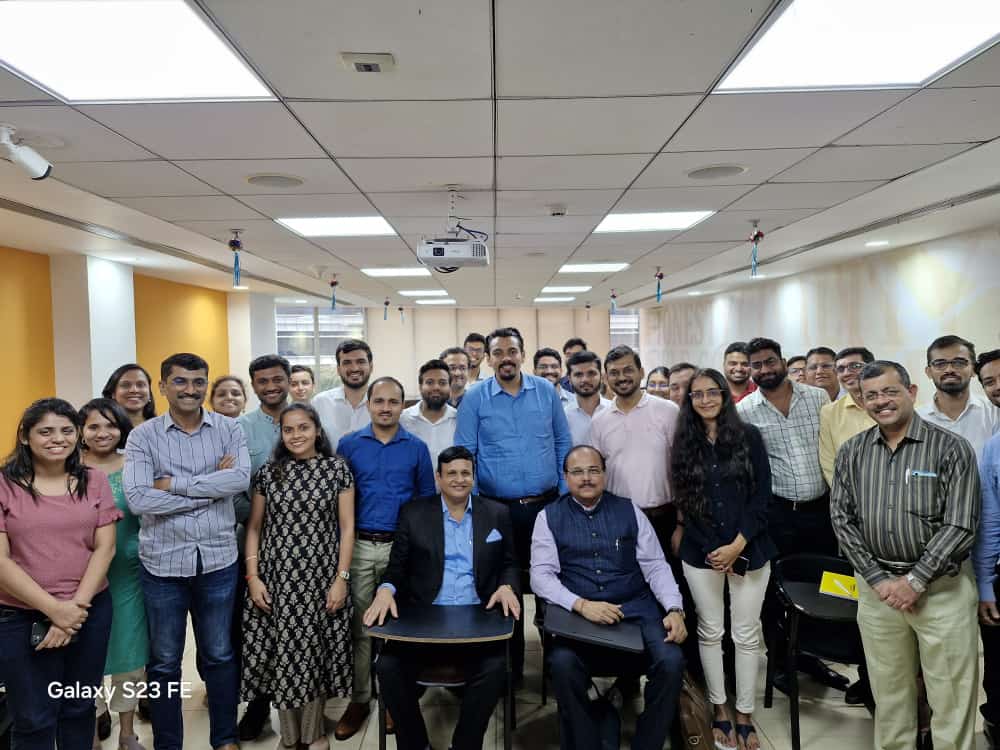
Happy to address At WIRC of ICAI Mumbai in Certificate Course on Project Financing. Group photo with CCM CA Mangesh Kinare & Participants.
MSME Samadhaan
MSME Sambandh
Champions Portal
Udyami Mitra
GEM portal
In addition to this, each State has its own Industrial policy which is instrumental in fostering a favourable environment for entrepreneurship. They provide various incentives, support, and infrastructure to encourage the growth of Startups & MSMEs
The entrepreneurial landscape in India is fertile with a myriad of opportunities across diverse sectors. India’s tech startup ecosystem is growing due to IT infrastructure, a skilled workforce, and supportive policies, particularly in fintech, edtech, healthtech, and e-commerce. With the government’s push for digitalization and initiatives like Digital India, the tech startup ecosystem is poised for further expansion. AgriTech startups are leveraging technology to address challenges in
farming, such as access to information, market linkages, and efficient supply chain management. From precision farming to farm-to-fork models, the scope for innovation in agriculture is vast.
Atal Academy EDP as Resource Person at St Aloysius Deemed to be University, Mangalore
India’s tourism industry is a rich and promising sector, offering diverse experiences to domestic and international travelers. Entrepreneurs in this field have the chance to create unique offerings that highlight India’s cultural heritage, natural beauty, and culinary diversity, ranging from “ heritage homestays to adventure tourism”.
India’s focus on renewable energy and sustainability is creating opportunities in cleantech. Entrepreneurs can innovate in solar, wind, hydro power, energy storage, and efficiency technologies. Telemedicine, digital health, and preventive wellness are areas ripe for innovation, as are solutions that address the unique healthcare needs of India’s diverse population.
India’s rich cultural heritage offers entrepreneurial opportunities in traditional crafts, handloom fabrics, and cuisine. Entrepreneurs can blend traditional techniques with modern aesthetics, catering to a growing demand for products rooted in Indian culture and tradition. Collaborations with designers and brands can help these crafts reach a global audience.
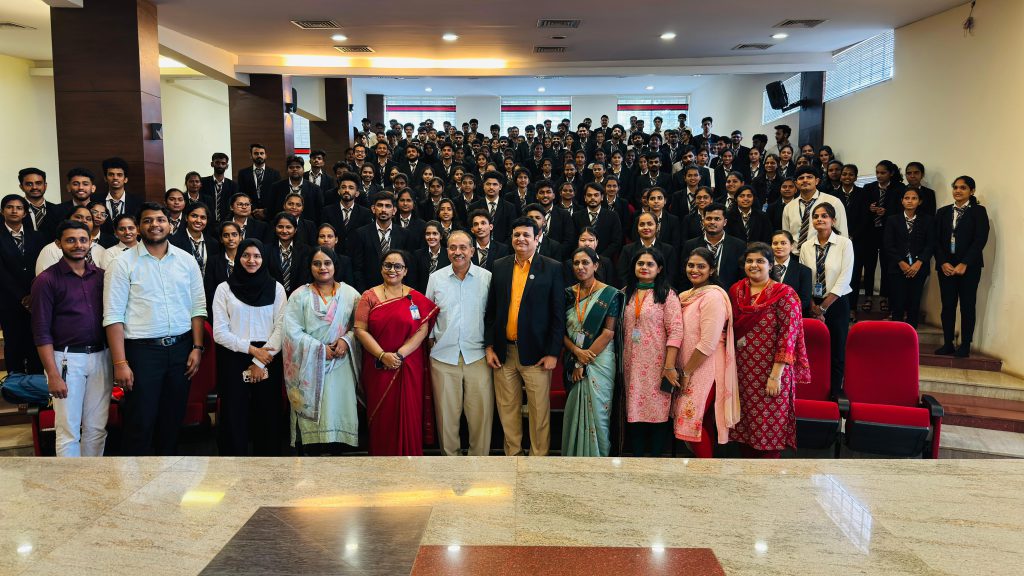
Budget Analysis at Sridevi College of Management, Mangalore
Challenges
Despite the opportunities,India’s entrepreneurial ecosystem faces challenges such as funding access, complex regulations, obsolescence, and talent shortages. Despite a growing investor pool, many startups, particularly non-tech ones, struggle with funding. Complex regulatory processes and tax laws can be intimidating, and obsolescence due to technological advancements is a constant threat. While India has a large pool of graduates, there is a gap between the skills demanded by startups and the skills possessed by the workforce. This has led to a talent crunch, with startups competing for a limited pool of skilled professionals. However the ‘Skill India’ mission has been launched by the Government of India with the goal of enhancing the skills of the Indian workforce to tackle this challenge.
India’s entrepreneurial ecosystem is set for significant growth. Government initiatives like Make in India, Digital India, Atma Nirbhar Bharat and Startup India, along with the rise of accelerators, incubators, and co-working spaces, will further fuel startup growth. With increasing domestic and international funding, startups can have access to capital needed to scale. As India’s economy grows steadily, there are ample opportunities for entrepreneurs to capitalize on emerging market trends. Overall, India’s entrepreneurial landscape offers fertile ground for entrepreneurs to thrive, and by addressing challenges, they can make a significant global impact.
उद्योगी, साहसं, धैर्यं, प्रज्ञा, शक्तिः, दृढता च : ये, एते षट् गुणाः सन्ति, ते सफलाः उद्यमिनः भविष्यन्ति
(Industrious, Courage, Patience, Wisdom, Power and Perseverance: Those, who possess these six qualities, will be successful entrepreneurs.)
Budding Entrepreneurs are scared to take risks. They have fear psychosis in their mind. Ups and downs are part of entrepreneurial journey. Its said in Subhashitha “दैवं मण्डले गच्छति, यथा भ्रमरचक्रस्य पङ्क्तयः “which means “Fate moves in a circle, just like the rows of a spinning wheel.” An Entrepreneurial journey is like a bicycle. In order to maintain balance, don’t take a pause. Always move on. Finally, my message to youngsters would be “Be job providers, not job seekers”.
CA S S Nayak B.Com., F.C.A., L.L.B., (Gen) Partner: S S Nayak & Associates 302, 3rd Floor, Shreshta Bumi, K R Road, Bangalore-560004
Ist Floor, Ibrose Complex, M.G. Road, Mangalore – 575 003.
Email: ssnayakoffice@gmail.com Mobile no: 98453 21005,76762 92644
ട്രാൻസ്ജൻഡറെ പുച്ഛിക്കുന്നത് ക്രൂരം; ശാരീരിക വെല്ലുവിളി നേരിടുന്നവരെ സഹായിക്കണം | ഗ്ലോബൽ ടി വി
പെണ്ണോരം പ്രകാശിപ്പിച്ച് പി.കെ. മേദിനി
ആലപ്പുഴ : ട്രാൻസ്ജൻഡർ സമൂഹത്തെയും ശാരീരിക വെല്ലു വിളിനേരിടുന്ന സമൂഹത്തെയും സഹായിക്കാൻ ഓരോ വ്യക്തിയും മുന്നോട്ട് വരണമെന്ന് സ്വാതന്ത്ര്യ സമര സേനാനിയും ജനകീയ ഗായികയുമായ പികെ മേദിനി അഭിപ്രായപ്പെട്ടു.
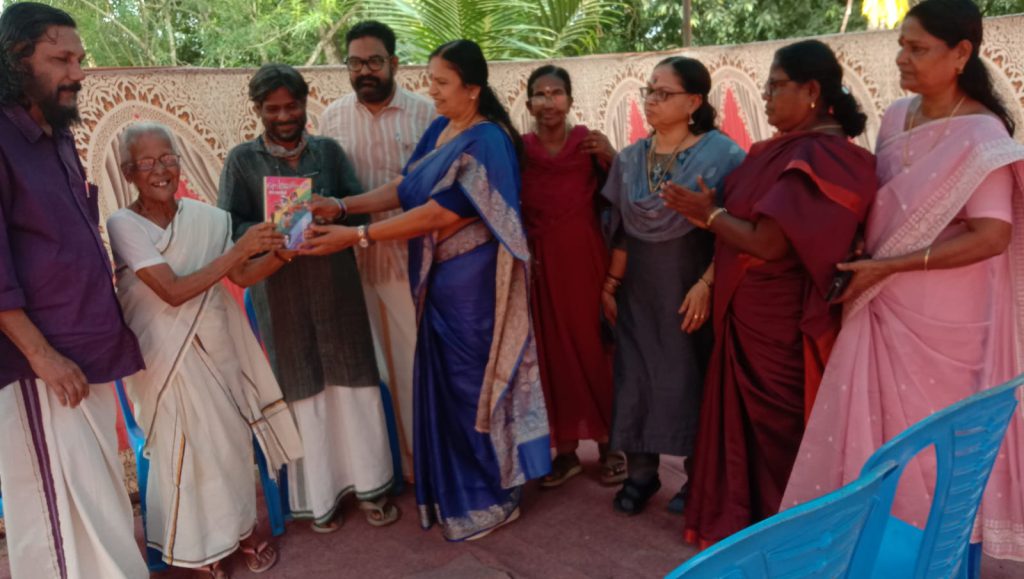
ട്രാൻസ്ജൻഡറെ പുച്ഛിക്കുന്നതും ബഹിഷ്കരിക്കുന്നതും ക്രൂരമാണ്. എല്ലാ വിഭാഗങ്ങൾക്കും അവകാശപ്പെട്ടതാണ് ഭൂമി. ട്രാൻസ് ജെൻഡർ ജീവിതം ഇതിവൃത്തമാക്കി സാബ്ജി എഴുതിയ പുതിയ നോവൽ പെണ്ണോരം ആലപ്പുഴ മാരാരിക്കുളത്ത് നടന്ന ചടങ്ങിൽ പ്രകാശിപ്പിക്കുകയായിരുന്നു അവർ.
മുൻ മുഖ്യമന്ത്രി പികെ വാസുദേവൻ നായരുടെ പുത്രിയും സാംസ്കാരിക പ്രവർത്തകയുമായ ശാരദാ മോഹൻ പെണ്ണോരത്തിൻ്റെ കോപ്പി ഏറ്റുവാങ്ങി.
കൊല്ലം ഡെപ്യൂട്ടി മേയർ കൊല്ലം മധു അധ്യക്ഷനായിരുന്നു. ട്രാൻസ് സമൂഹത്തിന് ദിശാബോധം നൽകുന്ന കരുത്തുറ്റ കൃതിയാണ് പെണ്ണോരമെന്ന് അധ്യക്ഷ പ്രസംഗത്തിൽ കൊല്ലം മധു ചൂണ്ടിക്കാട്ടി. സാബ്ജി, ഡി ഹർഷകുമാർ എന്നിവർ പ്രസംഗിച്ചു.
ദീപികയിൽ ആർട്ടിസ്റ്റും വിവിധ ആനുകാലികങ്ങളിൽ പത്രാധിപരായും കാർട്ടൂണിസ്റ്റായും ജോലി ചെയ്തിരുന്ന സാബ്ജി യുടെ നാല്പത്തിയൊന്നാമത്തെ നോവലാണ് പെണ്ണോരം’. ടെലിവിഷൻ ചാനലുകളിൽ സാമൂഹിക ആക്ഷേപഹാസ്യ പരിപാടികളടക്കം നിരവധി ഡോക്യുമെൻ്ററികൾ സംവിധാനം ചെയ്ത സാബ്ജി ആക്ടിവിസ്റ്റും സാംസ്കാരിക പ്രഭാഷകനും ഗ്രന്ഥശാല പ്രവർത്തകനുമാണ്.
The Chemistry of Economics: Solving Global Issues Locally Together
The world is facing big problems; poverty, hunger, environmental degradation, division, inequality, and more. Traditional methods are not enough to tackle these challenges anymore. It’s time for a fresh approach. Let’s rethink economics as a tool for collective action and shared prosperity. This is the idea behind The Chemistry of Economics: a way to unite people, ideas, and resources to create a better world. We can think globally, but we can act only locally. When everyone get into the local action collectively, it becomes a global movement as well.
Breaking the Vicious Cycle Today’s economic systems often trap people in poverty. Inequality grows. The environment suffers. This is the vicious cycle we need to break.
What if we replaced this cycle with a positive spiral? Imagine an economic system that lifts everyone up; a Spiral Progressive Economic Circle. Here, growth benefits all. Wealth is shared, not hoarded. Sustainability is at the centre. This shift requires us to think differently. It calls for cooperation, not competition, and for solutions that prioritize the common good.
Engaging People, Building Transparent Systems So, how do we get there? The answer lies in involving everyone; farmers, artisans, local businesses, organisation, institutions, establishment, governments, and you. Transparent systems can help us track progress and ensure fairness. Let’s explore some simple, practical ways to start:
Fight Hunger Together Join the campaign “Snack Packs for God” initiated by Global TV. Everyone wins in this process; producers earn, and those in need get snacks initially and bigger reliefs eventually. Partner with snack vendors, farmers, and food producers who are doing it for a living. Meaning, engage small scale people who are struggling to make their both ends meet. Big and independent successful people need not get into this stream of economics since they are otherwise also doing well. Run campaigns to sell their products through charity campaigns. This will help the small timers to grow faster and to become independent eventually. Later they can also use a portion of their profits to feed the hungry.
Empower Local Talents Help local talents to showcase their talents. Offer them training, tools, and support. Let their creativity fuel their success. Stop cutting legs to fit into the shoes. Let us make avenues according to the talents, potential and possibilities of the people around.
Revive Local Economies Support community-driven projects like gardens, renewable energy setups, and eco-tourism. These initiatives create jobs and protect the environment.
Include Everyone Financially Bring charity initiatives to engage those who need revenue models the most. Use all your strengths to conduct campaigns and programs to empower marginalized people and communities. Let the compassionate among the rich get engaged in the upliftment of the other side of the economy. Help those who are helpless. Engage those who can work and earn their living. What a wonderful dual shot it is. Give people Fishing Rod wherever possible instead of continuously keep giving them fish. How long we can shoulder the responsibility of the increasing population that our system is pushing into the side-lines of highly confused economy?
Promote Sustainable Farming Connect consumers directly with eco-friendly farmers. Encourage practices that protect the land while providing fresh, local food. Check the DNA of products that you eat. Reduce the chemical food that we eat every day. Better we fast than eating the junk food that we are eating today.
Principles for Progress | To make this vision real, we need some guiding principles:
Collaboration: Work together; individuals, businesses, and governments. Share resources and ideas to multiply impact. Transparency: Create systems where everyone can see what’s happening. This builds trust and prevents corruption. Inclusivity: Ensure opportunities reach everyone, especially those often left behind. Sustainability: Protect the planet while pursuing progress. Social Responsibility: Act with care. Businesses should embrace fair practices and give back to communities.
The Six T’s of Economic Chemistry | To succeed, we must embrace six powerful ideas, each beginning with T:
Truth: Be honest. Let integrity guide every action.
Trust: Build strong relationships. Trust is the foundation of progress.
Transparency: Stay open and clear. Hidden agendas hold us back.
Tranquility: Seek calm and balance, even in chaos. Clear minds lead to better decisions.
Transformation: Be ready to change. Bold shifts can spark big breakthroughs.
Triumph: Celebrate victories, no matter how small. Each win brings us closer to the goal.
A Fresh Vision for Economics The Chemistry of Economics is a call to action. It asks us to think beyond profits and numbers. It reminds us that true progress comes from working together.
We can create a world where hunger, poverty, and inequality no longer dominate the headlines. By involving genuine people, building transparent systems, and focusing on shared success, we can turn challenges into opportunities. Let’s build a new economic system; one that lifts everyone, protects the planet, and ensures prosperity for generations to come. The time for action is now. Let’s make the chemistry of economics work for us all.
Six words beginning with T can make the Chemistry of Economics effectiv and efficient while it becomes practical and feasible as well. Truth, Trust, Transparency, Tranquility, Transformation, Triumph are the six meaningful words. These six words starting with T can serve as guiding principles for creating a more equitable, sustainable, and prosperous economic system.
These words aligns with the idea of creating a Spiral Progressive Economic Circle, where economic growth is inclusive, sustainable, and benefits all stakeholders. All of us can develp a sense of achievement and success by mutually helping each other to practice the principles of Truth, Trust, Transparency, Tranquility, Transformation, and Triumph in our life and our economic systems.
Truth
Truth refers to the state of being in accordance with fact or reality. It involves being honest, sincere, and authentic in one’s words, actions, and intentions. In the context of economics, truth means transparency in financial dealings, accuracy in reporting, and honesty in business practices.
Truth can be described as a moral and ethical principle characterized by:
Accuracy: Conformity to fact or reality.
Honesty: Sincerity and authenticity in words and actions.
Transparency: Openness and clarity in financial dealings and business practices.
Integrity: Adherence to moral and ethical principles.
Trust
Trust refers to the state of relying on someone or something to behave in a predictable and dependable manner. It involves having confidence in the integrity, ability, and character of an individual, organization, or system. In economics, trust is essential for building strong relationships between buyers and sellers, investors and entrepreneurs, and governments and citizens.
Trust can be described as a social and economic principle characterized by:
Reliability: Dependability and predictability in behavior.
Integrity: Adherence to moral and ethical principles.
Transparency: Openness and clarity in dealings and practices.
Communication: Effective and honest communication to build and maintain trust.
Transparency
Transparency refers to the state of being open, clear, and honest in all dealings and practices. It involves providing access to information, explaining actions and decisions, and being accountable for one’s behavior. In economics, transparency is essential for building trust, preventing corruption, and promoting accountability.
Transparency can be described as a moral and ethical principle characterized by:
Openness: Providing access to information and explaining actions and decisions.
Clarity: Being clear and concise in communication and dealings.
Honesty: Being truthful and sincere in all interactions and transactions.
Accountability: Being responsible and answerable for one’s actions and decisions.
Tranquility
Tranquility refers to a state of being free from disturbance, turmoil, or agitation. It is a condition of peacefulness, calmness, and serenity, where one feels relaxed, composed, and untroubled.
Tranquility can be described as a mental and emotional state characterized by:
Calmness: A sense of stillness and quietness.
Peacefulness: An absence of conflict, tension, or disturbance.
Serenity: A state of being untroubled and unruffled.
Relaxation: A feeling of being free from stress, anxiety, or worry.
Tranquility can be experienced in various settings, such as:
Natural environments: Being in nature, surrounded by trees, water, or mountains.
Quiet spaces: Being in a peaceful and quiet space, such as a library or a meditation room.
Mindfulness practices: Engaging in mindfulness practices, such as meditation, yoga, or deep breathing exercises.
Personal relationships: Experiencing tranquility in personal relationships, such as with loved ones or close friends.
Overall, tranquility is a desirable state that can bring a sense of calmness, clarity, and well-being to one’s life.
Transformation refers to the process of changing or altering something fundamentally, often in a dramatic or radical way. It involves a shift in perspective, approach, or behavior, leading to a new and improved state. In economics, transformation can refer to the process of changing economic systems, policies, or practices to create a more equitable, sustainable, and prosperous society.
Transformation can be described as a process characterized by:
Change: A fundamental shift in perspective, approach, or behavior.
Innovation: The introduction of new ideas, methods, or products.
Growth: An increase in capacity, productivity, or performance.
Renewal: A restoration or revitalization of something, often leading to a new and improved state.
Triumph
Triumph refers to the state of achieving success or victory, often after overcoming obstacles or challenges. It involves a sense of accomplishment, pride, and satisfaction, often accompanied by recognition or celebration. In economics, triumph can refer to the achievement of economic goals, such as reducing poverty, increasing prosperity, or promoting sustainability.
Triumph can be described as a state characterized by:
Success: The achievement of a desired goal or outcome.
Victory: The overcoming of obstacles or challenges to achieve success.
Accomplishment: A sense of pride and satisfaction resulting from achieving a goal.
Recognition: Acknowledgment or celebration of one’s achievements.
Legacy Renewed: Anthea Pereira Becomes Goa’s Youngest Woman Sarpanch, Following in Her Grandmother’s Footsteps
Nigel Albuquerque | +91 76668 73534
History has a way of repeating itself, often with remarkable echoes of the past. In the serene village of Majorda-Utorda-Calata in South Goa, this phenomenon has taken a heart warming turn as 26-year-old Anthea Pereira assumes the role of Sarpanch of the village panchayat. This milestone is not just a personal achievement but a significant moment for women’s empowerment in grassroots governance. Pereira’s election is a powerful statement of the evolving role of women in local leadership and an example to the progressive spirit of her community.
What makes Anthea Pereira’s ascent particularly noteworthy is her lineage. She is possibly the youngest woman Sarpanch ever elected in Goa—a state known for its vibrant and participatory local governance. Her journey is deeply rooted in her family’s legacy. Her grandmother, Lilia Martins Pereira, was one of the first women to break the barriers of patriarchy in Goa, becoming a Sarpanch in 1968 at a time when the idea of women in political leadership was almost unthinkable. By taking on this role more than five decades later, Anthea is not only honoring her grandmother’s trailblazing path but also proving that leadership runs in her veins.
As a young leader, Anthea brings a fresh wave of optimism and a forward-thinking vision to her village. Her priorities reflect the aspirations of a dynamic and evolving community: fostering transparency in governance, encouraging active citizen participation, and spearheading initiatives that drive sustainable progress. Unlike many who step into such roles with a cautious approach, Pereira is ready to shake things up, introducing modern governance practices while staying deeply rooted in the values of her village.
Her vision for Majorda is both ambitious and inspiring. Anthea envisions a village that thrives not just economically but also culturally and environmentally. She aims to promote tourism that respects the natural beauty and traditions of Majorda while creating opportunities for local businesses and artisans. Her focus on participatory governance seeks to ensure that every resident; young or old, man or woman; feels they have a voice in shaping the future of their community.
Anthea’s leadership style is driven by her belief in inclusivity. She plans to establish platforms where residents can actively share their ideas, grievances, and solutions, creating a sense of shared ownership and accountability in decision-making. This approach not only empowers the people but also bridges the gap between the governing body and the governed, fostering trust and collaboration.
Despite her youth, Pereira has already demonstrated a remarkable ability to rally people around her vision. Her ability to connect with people across generations; whether it’s the elderly who fondly remember her grandmother or the youth who see her as a role model; has become one of her strongest assets. Her educational background and modern outlook are seen as valuable tools to tackle the challenges of today while preserving the village’s rich heritage.
The challenges ahead are plenty, from improving infrastructure and addressing environmental concerns to ensuring efficient delivery of public services. However, Pereira’s collaborative spirit and determination to lead by example inspire confidence among her fellow panchayat members and villagers alike. By working hand-in-hand with her council, she is poised to navigate the complexities of governance with grace and grit.
For Anthea Pereira, being Sarpanch is not just a title; it is a responsibility to her roots, her people, and the future of Majorda. As she takes on this mantle, she embodies the potential of young leaders in grassroots democracy; a vivid reminder that leadership is not confined by age but defined by vision, dedication, and the courage to make a difference.
Her story is a beacon of hope, particularly for young women who aspire to break barriers in traditionally male-dominated spaces. It is a testament to how far the village of Majorda-Utorda-Calata has come, from her grandmother’s groundbreaking achievement in the 1960s to her own in 2024. Anthea Pereira’s journey is proof that history not only repeats itself but can also inspire new chapters of progress and empowerment.
As she begins this new chapter, Anthea’s story goes far beyond the boundaries of Majorda. It speaks to the larger narrative of young leaders shaping the future of India’s rural and urban landscapes. And it reminds us all that with determination, passion, and a vision for change, anyone can leave an indelible mark on their community and inspire generations to come.
Family and Collective Day Out with Global TV: A Revolutionary Initiative to Foster Media and People Relationship
In a ground-breaking move, Global TV is launching an innovative program designed to bridge the gap between people from diverse cities and backgrounds. The initiative, dubbed “Family and Collective Day Out with Global TV,” aims to create a unique platform for media and people relationship-building, while also promoting tourism and economic growth.
The Concept is simple | Economic growth is possible with Relations and References | Get connected with Likeminded and Complementary People
The program is designed to cater to the diverse needs and preferences of families and collective travellers. Participants can choose from a range of options, including Day Out programs and Stay Packages, tailored to suit their budgets and interests. Those who can afford luxury can opt for Star Hotels, while others can select from various affordable alternatives.
Become Resident Editors and Fetch benefits from Revenue Models
This initiative presents a lucrative economic strategy to engage maximum people in revenue models. By offering a range of options, Global TV can cater to a broad demographic spectrum, generating Referral Revenue (RR) options for maximum people through various channels and initiatives including:
1. Tour Packages: Global TV can partner with local destinations at various places and design many options and customized packages for the benefit of everyone.
2. Accommodation: By partnering with hotels, resorts, homestays, campuses etc. Global TV can offer vast range of options for family and collective travellers.
3. Advertising & Promotion: People in the inner circle can be engaged in various advertisement campaigns and promotion programs generating revenue through referral circles and collective campaigns.
4. Campus Promotions: Global TV can organize campus visits and joint programs to familiarize with people who can become referral circles for the campuses in their native places. This will attract more genuine people into referral programs.
Combo Careers: Media and Tourism
This initiative also presents an exciting opportunity for individuals passionate about media and tourism to explore combo careers. By joining Global TV’s team, being Resident Editor or Correspondent, they can gain valuable experience in areas of content preparation and tourism promotion. Both are highly sought after career options that has plenty of opportunities to generate revenue.
Resident Editors and Community Engagement
Global TV invites retired individuals and others as well to become part of the campaign being Resident Editors or Correspondents. Global TV encourages you to get into community engagement. Resident Editors and Correspondents can contribute a lot towards social development by bringing people together.
Empowering People through Travel
By promoting travel and tourism, Global TV aims to empower people to explore new opportunities for wealth creation. As the program grows, it is expected to create a ripple effects. We inspire more people to get into rewarding careers in media, tourism and 14 more areas as we have identified and listed them already.
Global TV’s “Family and Collective Day Out” program is an initiative to utilize media and travel to connect people and to build human relationship. By engaging maximum people in revenue models and offering combo careers in media and tourism, we build a platform that has the potential to revolutionize the way we travel, interact, and create career models. People coming together is the beginning of human relations and people working together is the way for success.
Global TV is a connecting platform. Past twenty two years, we have done plenty of campaigns to promote human relationships through media interventions that are positive and progressive. When you are connected with Global TV, You are connected with millions of people. People are not just fly viewers for us. They are the bees who collect nectar from flowers and help them to pollinate while transforming the nectar into honey by themselves. Flies are mounted mostly on rotten things. You will not see bees anywhere near to such things or situations.
We have produced about 2000 TV episodes so far. All the videos are focussed on just twenty plus themes that are focussed on peaceful progress of the society and creating opportunity for the masses. We connect people to create career avenues and revenue models (CAR Models) for maximum people. We believe in linking people and bringing them together to enjoy the collective power.
CA SS Nayak: A Life of Service, Perseverance, and Inspiration | Global TV
NV Paulose Chairman Global TV +91 98441 82044
With over three decades of astonishing experience, CA S.S. Nayak has become a stimulation of perseverance and inspiration par excellence in the field of chartered accountancy. His journey from humble beginnings to becoming one of the most celebrated professionals in his domain is marked by relentless determination, an innovative spirit, and a deep commitment to mentorship and societal growth.
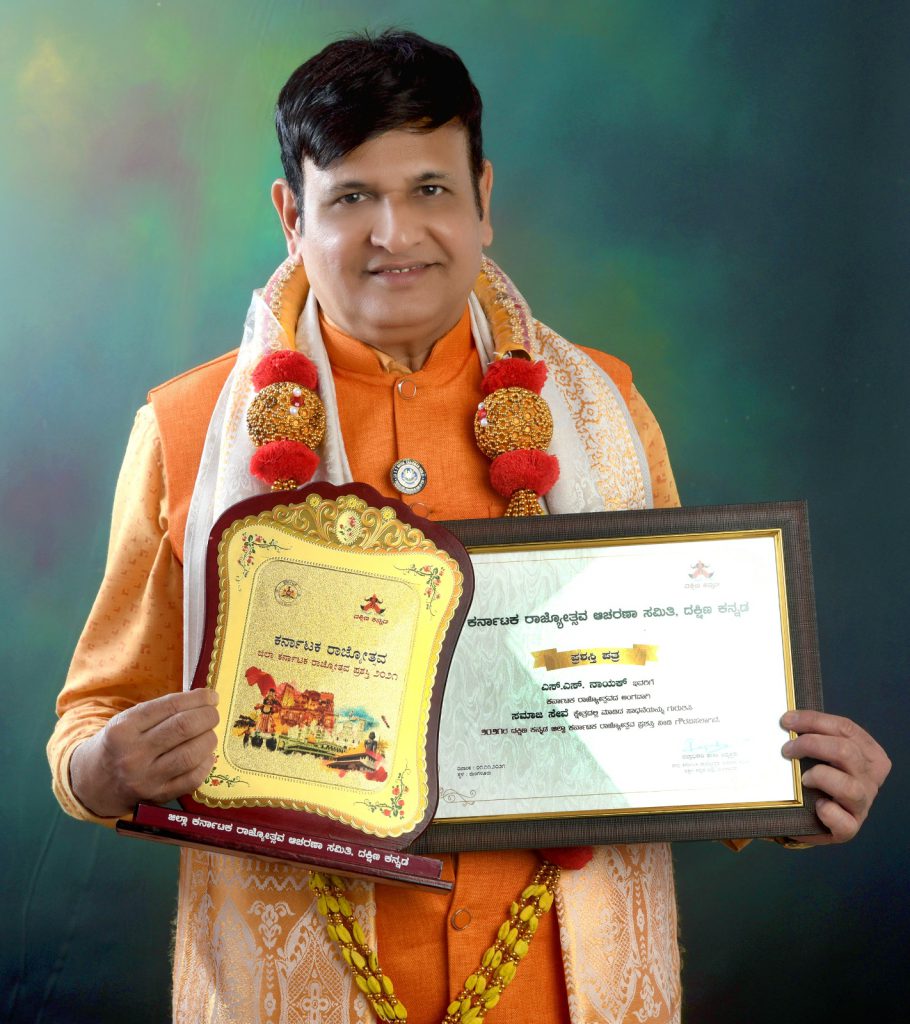
Receiving Karnataka Rojyotsava DK Award
As we sat down to converse, after CA SS Nayak quickly cleared his pending tasks in the busy morning, the emphasis for both of us was on “walking the talk.” I told him about a beehive with Queen Bee, Female Workers Bees, Make defender Bees. We are keen to write about the Queen Bees in the society; I told him.
We write about the Queen Bees or as we say in contemporary style; about the King Makers; the ones who make an impact in the society. CA SS Nayak with enormous amount of performance stories and history was counted like plenty of Queen Bees incarnated into one unique personality. His actions always speak louder. His words are also very powerful. He is an orator, achiever, mentor and companion to many people across the spectrum beyond all kinds of boundaries.
What worked for him more than CA is CS which we always advocate and point out as a missing factor in Indian Economic Eco System. CS is Common Sense that he had applied in plenty in his profession and passionate, personal, social and service segment of his career. He was willing to step into unknown territories and to master the territories with proficiency and performance excellence.
His story had unfolded like a prescript film. From his village Sasthan, Udupi, he had first come down to Mangalore. As an inevitable consequence of his choice to become a CA, he went to the bustling life of Mumbai. Lived with minimum facilities and honoured his mother’s word that you can do it if you really want to. She had the wisdom to make enquiries and to alert him about the challenges in getting into the stream of Chartered Accountancy. Few only make it; but I will do it was his deep determination. He did it; first part in Mumbai and later part at Mangalore.
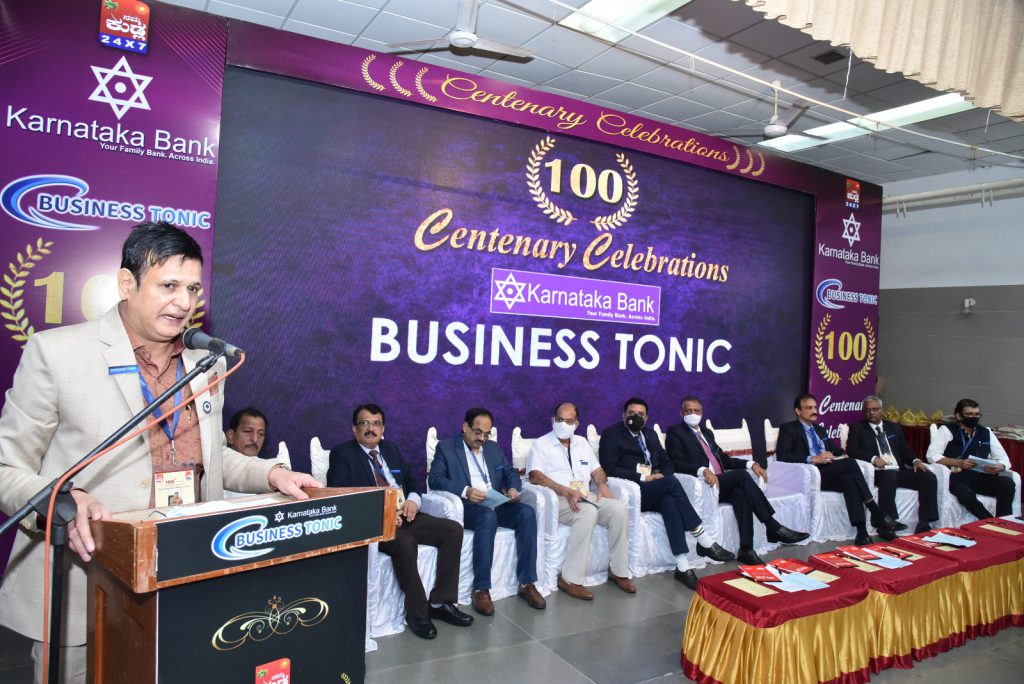
Addressing on the Occasion of 100th Episode of Business Tonic Show.
As our conversation went unfolding; and with a wealth of experience and a unique perspective on life, society, and development, CA SS Nayak shared his insights on what it makes him proud about the journey that had made him successful and responsible. He had attributed his love for family as one of the prime factors that keeps him happy always. Ninety-nine percent of the people who had come to me had become successful. Many had become huge tax payers to the exchequer.
What more I need to cherish my career and personal life? He was in a mood to talk more. Work was happening on an ongoing fervour. Our conversation was being recorded for preparing a feature on Global TV, India’s first internet TV, which has been broadcasting since 2002. With a rich history that includes airing the voice of former President Abdul Kalam first time in internet, Global TV has been at the forefront of innovative storytelling. We are unique; I said him.
We told him about the song that was written by Dr. Kalam during his Presidential tenure, sung by Didi Usha Uthup, that Global TV had released on 25 July 2007. It was a sensation during NATCON 2024 when Areff Salauroo | CEO – La Sentinelle Group from Mauritius presented it instead of talking about lessons from Mauritius. It is appropriate to place the song here for you to hear.
As we delved into CA SS Nayak’s journey, it became clear that his story was one of inspiration, perseverance, and dedication. He is an amazing personality.
The Foundation of a Legacy
CA Nayak’s story began with a bold move from Mumbai back to Mangalore in the late 1980s. After clearing his CA final exams and earning his Certificate of Practice, he opened his first office on June 25, 1988, at Mangala Complex, opposite Venkatramana Temple. The Mangalore of that era was vastly different; MG Road was lined with paddy fields, including the TMA Pai Convention Centre that we see today. Establishing a practice came with significant challenges. For the first month, CA SS Nayak found himself without a single client.
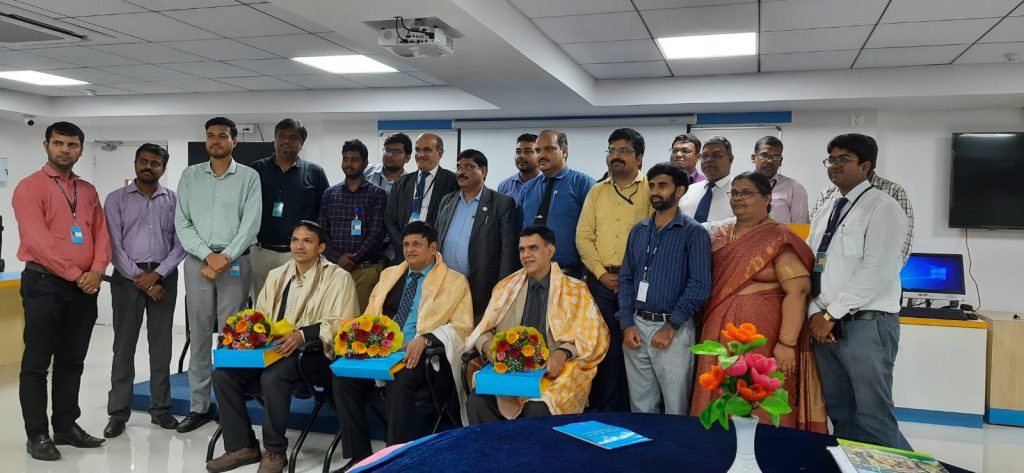
Honoured By Canara Bank at CIBM, Manipal
Undeterred by the slow start or no start, he took on project report preparations under government schemes like the PMRY (Prime Minister’s Rozgar Yojana) and PMGP (Prime Minister’s Employment Generation Programme). These initiatives provided subsidies to budding entrepreneurs, and CA SS Nayak seized the opportunity to assist them by creating detailed reports.
In one remarkable month followed to the maiden month, he prepared about 100 project reports, charging ₹100-200 per report. This not only secured his income but also helped build a reputation for reliability and excellence. Those people are today among the best tax payers with large turnover, renewed enthusiasm and a kind of unbelievable transformation in their business progress. All were possible with all-round support provided to them from project report to making the process easier for them in every bit of its complexities. Relationships and references were his strong points that he had utilized for everyone’s advantage.
Expanding Horizons Through Innovation
As his reputation grew, CA SS Nayak diversified his services and expanded his practice. He began assisting clients with VAT registration, income tax filings, and industrial land allotments. His intimate connections with bank managers and financial institutions enabled him to guide entrepreneurs through the complex loan process. His coaching classes, held during mornings and evenings, became another hallmark of his career. CA SS Nayak’s dedication to mentoring young CA aspirants not only enriched the local talent pool but also underscored his passion for sharing knowledge. Over the years, his influence has extended beyond Mangalore, with associate offices in Bangalore and Udupi.
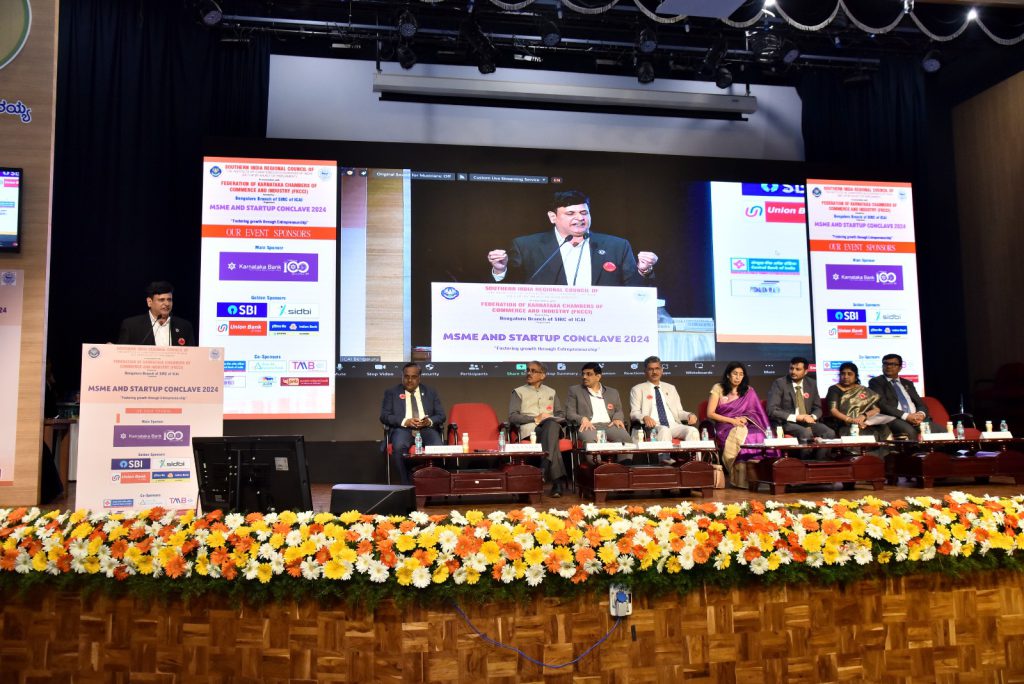
Addressing at FKCCI Bangalore as Conclave Director of MSME Conclave.
A Global Thought Leader
CA S.S. Nayak’s contributions extend far beyond local boundaries. While doing well as a passionate professional, He became a globetrotting advocate of new and innovative thought processes. He presented plentiful of papers at international conferences and seminars, addressing topics ranging from NRI taxation to entrepreneurship development. His ability to break down complex financial concepts has made him a sought-after speaker at prestigious events, including AKKA Sammelana in the USA and numerous national forums.
Recognition and Accolades
The magnitude of Nayak’s achievements is reflected in the numerous awards and honors he has received over the years. Highlights include:
KBL-NITTE Lifetime Achievement Award for mentoring MSMEs and startups.
NITTE KBL MSME Ratna Award for his unwavering support to entrepreneurs.
Samaja Ratna Award at Rajangana, Udupi Sri Krishna Temple, recognizing his service to society.
Basavashree Award at the 5th World Kannada Vachana Sahithya and Samskrithika Sammelana.
These awards are a testament to his profound impact on both his profession and the broader community.
Mentoring the Future
Beyond his professional achievements, CA SS Nayak has been instrumental in empowering young minds and aspiring entrepreneurs. As the mentor for the Atal Incubation Centre at Nitte, established by Niti Aayog, he continues to guide startups and MSMEs. His program “Business Tonic” on Namma Kudla 24×7 Channel has further cemented his role as a thought leader and motivator in the business world.
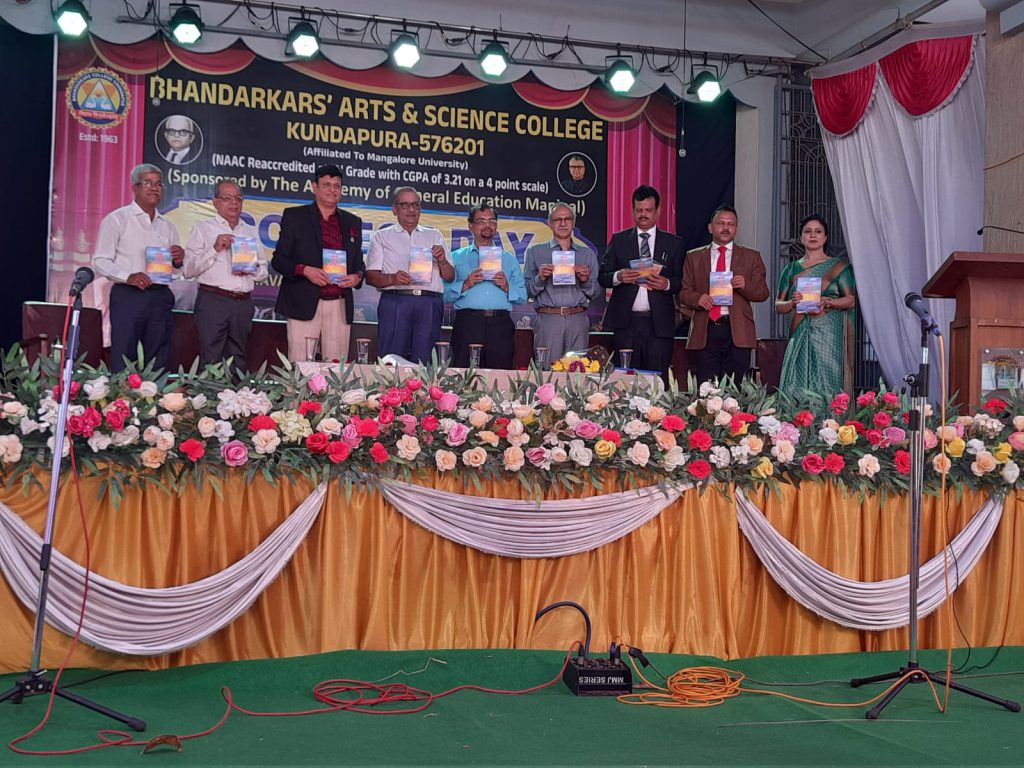
Honoured by Bhanarkars College Kundapur on Anual Day.
Books and Thought Leadership
A prolific writer, CA SS Nayak has authored three widely acclaimed books: “Words of the Wise,” “Wise Words of the Wise,” and “More Wise Words of the Wise.” These publications delve into timeless wisdom and offer insights into building a fulfilling and impactful life.
Tell a wise quote to him and he will make an extension to the quote and make it wiser. He is very quick in responding and enhancing your ideas as well.
Inspiration for Generations
CA S.S. Nayak’s legacy lies not just in his professional success but also in the values he embodies; integrity, dedication, and a commitment to giving back to society. His story is a reminder that perseverance, combined with a passion for learning and serving, can lead to extraordinary achievements.
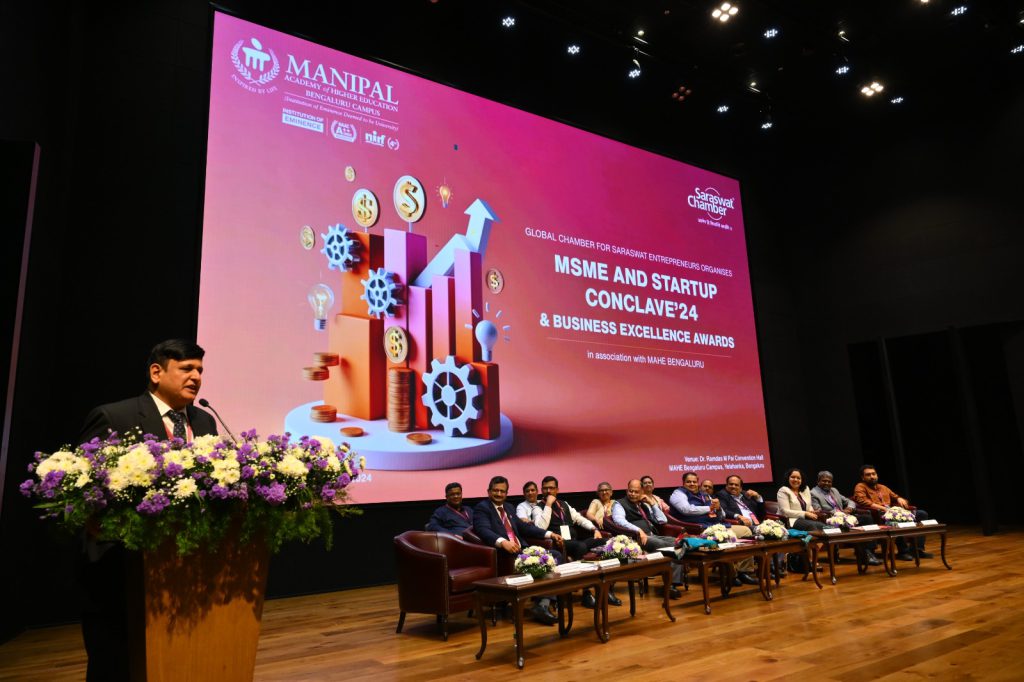
Addressing in MSME Conclave at MAHE Bengaluru as Conclave Director
From guiding young professionals to empowering entrepreneurs, Nayak has proven that success is not merely a destination but a journey of constant growth and meaningful contribution. His life continues to inspire countless individuals to dream big, work hard, and, most importantly, walk the talk.
A Journey of Perseverance and Passion: CA SS Nayak’s Inspiring Story
As a chartered accountant with 36 years of experience, CA SS Nayak’s journey is a testament to hard work, determination, and a passion for mentoring. In a recent interview, CA Nayak shared his inspiring story, highlighting the challenges he faced, the opportunities he created, and the accomplishments he achieved.
Early Days and the Struggle to Establish a Practice
CA Nayak’s journey began in Mumbai, where he pursued his chartered accountancy course. Despite facing numerous challenges, including limited financial resources and a lack of guidance, he persevered and eventually completed his course. In 1986, he returned to Mangalore and started his practice, but the initial days were tough. “For 15 days, one month, I waited, but there were no clients,” he recalled.
As Chief Guest in BCCI MS ME Conclave at Mumbai
The Turning Point: Preparing Project Reports for Entrepreneurs
The turning point in CA Nayak’s practice came when he started preparing project reports for entrepreneurs under the Prime Minister’s Rozgar Yojana (PMRY) scheme. He prepared 100 project reports in a single month, charging a nominal fee of ₹100-200 per report. This not only earned him a steady income but also helped him build a network of clients and connections.
Creating New Avenues and Mentoring Entrepreneurs
CA Nayak’s success in preparing project reports and supporting entrepreneurs led to the creation of new avenues. He started taking classes for CA students and continued coaching for CIM in Mangalore. His intimacy with bank managers and his ability to support clients in securing loans helped him develop his practice. “My practice is sheer hard work by mentoring and creating new entrepreneurs rather than dragging others’ files,” he emphasized.
Accomplishments and Legacy
Today, CA Nayak is proud of his accomplishments. He has offices in Bangalore and Udupi, and his family members, including his sons and daughter-in-law, are all chartered accountants. He has supported numerous entrepreneurs in setting up industries in various industrial areas, including Baikampadi, Karnad, and Shivali. Many of his clients have become multimillionaires, paying crores of rupees in GST and income tax.
CA SS Nayak’s story is a shining example of perseverance, passion, and dedication. From humble beginnings to establishing a successful practice, he has created a lasting impact on the lives of numerous entrepreneurs and professionals. His legacy continues to inspire future generations, and his contributions to the field of chartered accountancy are a testament to his commitment to excellence.
When he came back to Mangalore; he initiated his career by doing coaching classes. 45 CA aspirants had joined him in the first batch. Most of them are doing CA Profession very successfully. While doing the coaching class it was only morning and evening. Day time he was free. So he gave his second group of CA final exam at Mangalore and cleared CA and took his certificate of practice.
As told earlier, Mangala complex near opposite to Venkatramana temple, Car Street, he opened his CA office on 25th June 1988. After clearing the CA final exam, CA SS Nayak started his practice in Mangalore. Today’s CA aspirants should note this point very carefully. He had faced challenges, with no clients for 15 days to a month. However, he persevered and soon found opportunities in the PMGP scheme, which provided subsidies to traders, service providers, and industries. Going by the road of creating your road is a matter of choice.
CA SS Nayak’s big break came when he prepared 100 project reports in a month, charging a nominal fee of ₹100-200 per report. His clients were successful in securing loans, and he earned a minimum of ₹10,000 in fees. This marked a turning point in his practice. As his clients’ businesses grew, Nayak was invited to inaugurations. He conducted coaching for bank exams for promotions. This had helped him to develop connections with bankers.
He continued to take coaching classes and expanded his practice to include VAT registration, income tax return filing, and other services. As CA SS Nayak’s practice flourished, and he became a specialist in preparing project reports and supporting entrepreneurs. He helped many businesses set up industries in various areas. His services included allotment of land, preparing papers, and facilitating interviews. Today, Nayak is proud of his accomplishments, having developed a successful practice with offices in Bangalore and Udupi. His family, including his sons Sanket and Sachin, and daughter-in-law, are all chartered accountants, carrying on his legacy.
CA SS Nayak’s story is a testament to the power of hard work, perseverance, and innovation. He has not only achieved success but has also created opportunities for many others, making him a true leader in his field.
CA S S Nayak: A Distinguished Chartered Accountant
CA S S Nayak is a renowned Chartered Accountant with over three decades of practice experience in Mangalore. He also has associate offices in Udupi and Bangalore. A qualified Chartered Accountant from M/S CL Agarwal & Co, Mumbai, and a law graduate (LLB) from Bombay University, Nayak has established himself as a leading expert in his field.
Founder of Expert Coaching Classes
Nayak is the founder of Expert Coaching Classes, a reputed educational institute in Mangalore. He has also authored three books, “Words of the Wise”, “More Words of the Wise,” and ” Wise Words of the wise.”
CA SS Nayak’s journey as a chartered accountant has been marked by numerous achievements and milestones. One of his most notable accomplishments was resolving the issue of clashing exam dates between the CA exams and university exams. As the chairman of the Institute of Chartered Accountants of India (ICAI), Mangalore branch, Nayak successfully persuaded the university to change its exam dates to avoid clashing with the CA exams.
CA SS Nayak’s tenure as chairman of the ICAI, Mangalore branch, was also marked by several initiatives aimed at increasing the institute’s visibility and engagement with the public. He made it a point to invite press people and TV channels to cover the institute’s events, including budget analysis sessions and CA Day celebrations. These efforts helped to create a more public-friendly image of the institute and increased its visibility in the region.
Despite the challenges posed by the COVID-19 pandemic, CA SS Nayak’s leadership ensured that the institute’s activities continued uninterrupted. He was instrumental in organizing online meetings and sessions for chartered accountants, which became extremely popular. The institute’s Golden Jubilee celebrations, which were held during this period, were also a huge success, with over 600 registrations and participation from eminent personalities from across the world.
Current Engagements
Nayak is currently the Director, Initiator, and Anchor of the popular program “Business Tonic” on Namma Kudla 24×7 channel. He has also served as the Chairman of the Mangalore Branch of the Institute of Chartered Accountants of India. Nayak is a Patron and Life Member of many management and business forums and has been appointed as a “Mentor” for Atal Incubation Centre, Nitte, set up by Niti Ayog.
As a responsible and compassionate society, it’s essential to educate children about animal welfare and the importance of treating animals with kindness and respect.
By Kindness Ambassadors
Preventing Animal Abuse: Teaching Kids Compassion
As a society, it is our collective responsibility to ensure that animals are treated with kindness, respect, and compassion. Animal abuse is a stark reality that affects millions of animals worldwide, causing immense suffering and pain. It is essential that we take proactive steps to prevent animal abuse and promote a culture of empathy and compassion towards animals. By teaching children the importance of animal welfare, we can create a more humane and responsible society.
Here are ways to avoid animal abuse and teach kids compassion:
Animal Abuse Prevention
Avoid Animal Rides: Refrain from supporting industries that exploit animals for entertainment, such as elephant rides, horse-drawn carriages, or camel rides.
Say No to Animal Fights: Educate children about the cruelty of animal fighting and report any instances to local authorities.
Free Animals from Cages and Chains: Support sanctuaries and organizations that rescue animals from captivity and provide them with a safe, natural environment.
Teaching Kids Compassion
Lead by Example: Demonstrate kindness, empathy, and respect towards animals, and children will follow.
Educate about Animal Welfare: Teach children about animal needs, habitats, and emotions.
Encourage Empathy: Discuss how animals feel and encourage children to put themselves in animals’ shoes.
Support Animal-Friendly Activities: Engage children in animal-friendly activities, such as visiting animal sanctuaries, participating in animal-themed crafts, or reading animal-related books.
Involve Kids in Animal Care: Encourage children to participate in animal care activities, such as feeding, walking, or grooming, under adult supervision.
Additional Resources
Animal Welfare Organizations: Partner with local animal welfare organizations to educate children about animal welfare.
Children’s Books: Read animal-themed books that promote compassion and kindness towards animals.
Documentaries and Videos: Watch educational documentaries and videos that showcase animal welfare and conservation efforts.
By instilling compassion and empathy towards animals in the hearts and minds of children, we can create a brighter, more humane future for all living beings. As we strive to build a more compassionate society, let us remember that every small action counts, and collective efforts can lead to significant positive change.
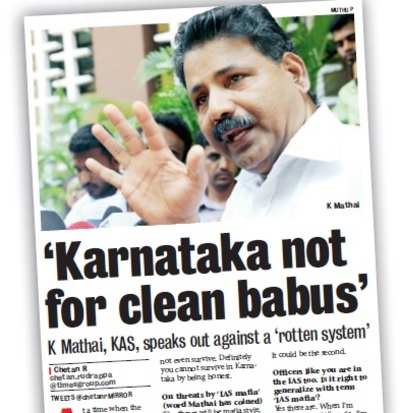
RETIRED KAS OFFICER ADV. K. MATHAI FIGHTS FOR JUSTICE IN KARNATAKA HIGH COURT
Bengaluru, November 27, 2024: K. Mathai IAS (Retd.) retired KAS officer with an impeccable record of integrity and dignity, has initiated a case in the Karnataka High Court, alleging unfair practices and denial of justice.
Adv. Mathai is a highly respected individual with a strong background in law, having completed his MA and LLM, has been fighting for justice in a case related to a Writ Petition (WP/20940/2024) being heard in Court Hall No 17.
Despite his repeated efforts, Adv. Mathai KAS alleges that he has been denied a fair hearing, and the case has been proceeding in a one-sided manner. He point out that Advocate T. Sheshagiri Rao, representing the opposing party, has obtained a unilateral adjournment for 10 days, depriving him of an opportunity to present his case.
Adv. Mathai’s distinguished career spans over three decades, during which he has served with distinction in various capacities, including as a Commissioner in the Mandya Urban Development Authority (MUDA). His reports on illegalities and scams have led to significant actions, including a chargesheet filed by the Central Bureau of Investigation (CBI) and a ban on advertisements in Bengaluru.
Adv. Mathai’s commitment to upholding justice and integrity has earned him widespread respect. His current fight for justice in the Karnataka High Court is a testament to his unwavering dedication to the principles of fairness and equality.
As the case continues to unfold, he is inspiring many with his courage and conviction.
Allegations of Corrupt Practices in Karnataka High Court
The complaint, filed by K. Mathai M.A. LLM, KAS (Retd) Advocate, alleges that Advocate Sheshagiri Rao obtained a unilateral adjournment for 10 days, depriving the caveat petitioner/implementing applicant of a fair hearing.
The complaint further alleges that Advocate Sheshagiri Rao, with the support of court staff, was able to obtain reliefs in a manner that was detrimental to the interests of the petitioner.
The complainant has requested the Honourable Chief Justice to initiate an inquiry against Advocate Sheshagiri Rao and the court staff involved, and to take appropriate action to restore the confidence of victims in the courts.
The complaint has been copied to the Karnataka State Bar Council, the High Court Advocate Association, and the Registrar General of the High Court of Karnataka.