All posts by admin

About admin

Chairman of Global TV | Excellent Writer | Exceptional PR Skills | Author of Six books | MASTER HEALER | +91 98441 82044 |

Ethical Corruption | EC as a Mechanism for Mobilizing Collective Well-Being | Global TV

Dignified Media Practitioner | A Revolutionary Mechanism to Combat Capital Corruption | Global TV

NV Paulose, Chairman, Global TV +91 98441 82044

Ethical Corruption is an advanced concept. It transforms the idea of corruption from being a destructive force into a socially productive system. It encourages individuals to engage in activities that replicate the voluntary efforts of visionaries, aligning personal incentives with the broader goal of societal well-being. Under this model, people earn money not by exploiting the system but by adding value through socially impactful actions.

Corruption is often linked with exploitation, greed, and societal decay. Ethical Incentivization challenges this narrative by transforming corruption into a productive force for collective well-being. Ethical Incentivization incentivizes individuals in society building activities, aligning societal benefits with personal gains.

This innovative approach is a prevention mechanism against capital corruption. It redirects resources and energy towards grassroots enrichments and institutional growth. This approach fosters economic growth and instills a culture of shared responsibility. It is a collective effort for institutional and social development.

Ethical Corruption: A Transformative Perspective

Ethical Corruption reimagines corruption, shifting it from a destructive force to a system that drives social productivity. This concept encourages individuals to emulate the voluntary efforts of visionaries, aligning personal incentives with the broader goal of societal well-being. Instead of exploiting the system, people earn by contributing value through socially impactful actions. This method redirects resources and energy toward mutual growth and economic development.

Ethical Corruption as a Mechanism for Mobilizing Collective Well-Being

Ethical Incentivization encourages individuals to engage in activities that replicate the voluntary efforts of visionaries, aligning personal incentives with the broader goal of societal well-being. Under this model, people earn not by exploiting the system but by adding value through socially impactful actions.

What is Ethical Corruption?

Ethical Incentivization reimagines the role of personal incentives in societal progress entirely into a new approach. Creating wealth and helping people and society to grow faster and better is the core idea of Ethical Incentivization. It creates a system where individuals earn legitimate rewards for contributing to the public good, especially in areas where voluntary efforts by visionaries might not reach. The outcome is acceleration, extension, and streamlining of the growth mechanism.

For example:

  • Incentivising individuals promoting career opportunities by developing Revenue Models on new concepts like Dignified Media Practitioners
  • Encouraging individuals to promote government schemes or services like postal savings accounts and insurance policies in underserved areas.
  • Offering rewards for grassroots mobilization of bank deposits or spreading financial literacy.
  • Incentivizing campaigns for environmental sustainability, digital literacy, or health awareness.
  • Creating opportunities and Revenue Models for people in new media streams that connect people to their native places and institutions.
  • Unlike traditional corruption, which thrives on illegitimate exploitation, Ethical Corruption channels human effort and creativity into socially impactful actions, ensuring mutual benefit.

Media Nest: Where Homes Earn, Create, and Inspire | Transform your Dream Home or Home Dream into a self-financing Home of creativity and opportunity | Global TV

Introducing “Media Nest”: A Revolutionary Self-Financing Housing Project | Global TV

NV Paulose, Chairman, Global TV +91 98441 82044

Imagine a housing project that not only provides a roof over your head but also empowers you to become a Dignified Media Practitioner (DMP). Welcome to “Media Nest,” a ground breaking initiative from Global TV as part of our Career Clubs Collective Campaign (4C) that converges Housing, Media, Housekeeping, Hospitality, Tourism and Entrepreneurship. Home Work is a tread today. Let us now make your Home to Work for you instead of you working for the home.

The Concept

Media Nest is a self-financing housing project that integrates a residential unit with a media guest house, a meeting gallery and a shooting wall. Each unit consists of:

  • 1. A residential house
  • 2. Two guest rooms for media professionals
  • 3. A shooting wall and an Open Mini Hall for Video and Photo Shoots

Media Nest is a unique self-financing housing project that combines a residential unit with innovative media-centric features. Each unit includes a comfortable home, two guest rooms designed for media professionals, and a shooting wall for photography and video projects. Additionally, it offers an open mini hall, perfect for hosting video shoots, photo sessions, and creative gatherings. This thoughtful design transforms every home into a dynamic space for living, working, and creating opportunities.

Empowering Dignified Media Practitioners

Global TV will Mentors and Editors provide comprehensive training and back-end professional support to homeowners, enabling them to:

  • 1. Develop media skills (writing, photography, videography, editing)
  • 2. Host media professionals and thought leaders
  • 3. Produce high-quality content for various media platforms
  • 4. Generate revenue through media services and guest accommodations

Media Nest empowers you to become dignified media practitioners (DMP) with comprehensive training and support. Global TV mentors and editors will train you with essential media skills, including writing, photography, videography, and editing, to create professional-quality content. We will also equip you to host media events inviting professionals and thought leaders.

Benefits for Homeowners

  • 1. Additional income streams: Rent from guest rooms and media services
  • 2. Professional growth: Develop media skills and build a network of professionals
  • 3. Increased property value: Unique media-friendly features enhance property value
  • 4. Contribution to society: Foster a culture of Dignified Media Practices

By collaborating with Career Clubs and embracing continuous innovation, Media Nest enables homeowners to offer media services and guest accommodations, creating sustainable income opportunities. Homeowners benefit from multiple revenue streams, including rent from guest rooms and income from media services. They also experience professional growth by developing media skills and building valuable networks with industry professionals. Additionally, the unique media-friendly features enhance property value while fostering a culture of dignified media practices, contributing meaningfully to society.

Attracting Support from Banks and Governments

To make Media Nest a reality, we propose the following:

  • 1. Subsidies and incentives: Governments can offer subsidies for homeowners who participate in the Media Nest program
  • 2. Specialized loan programs: Banks can create tailored loan programs for Media Nest homeowners, considering the additional revenue streams
  • 3. Schemes and Benefits: Governments can provide special incentives, support and benefits for Media Nest homeowners who generate income through media services. This will address the employment issue in the country with the ripple effect it can create in various sectors as mentioned in the list.

Join the Media Nest Movement

Together, let’s create a network of dignified media practitioners across India. We as a nation required to promote Dignity and Integrity in Media. Indian Economy is growing very fast. The initiatives like Media nest will reduce the gap between the people in different levels and scales.

We invite:

  • 1. Homeowners: Join the Media Nest program and transform your home into a media hub
  • 2. Banks and financial institutions: Partner with us to create specialized loan programs and support Media Nest homeowners
  • 3. Governments: Offer subsidies, incentives, and various benefits to promote the Media Nest initiative

Let’s revolutionize the housing and media landscapes in India. Join the Media Nest movement today!

Join the Media Nest movement and help create a nationwide network of dignified media practitioners. At a time when the Indian economy is growing rapidly, initiatives like Media Nest can bridge the gaps between people from different levels and scales, promoting dignity and integrity in media. We invite homeowners to transform their homes into media hubs, banks and financial institutions to support the program with tailored loan options, and governments to promote the initiative through subsidies and incentives. Together, we can revolutionize the housing and media landscapes in India and build a future of opportunity and collaboration.

His Excellency Dr. CV Ananda Bose | Episodes with Global TV

Random listing | Copy Rights Granted | You can Edit and Publish it for Positive Purposes | Global TV

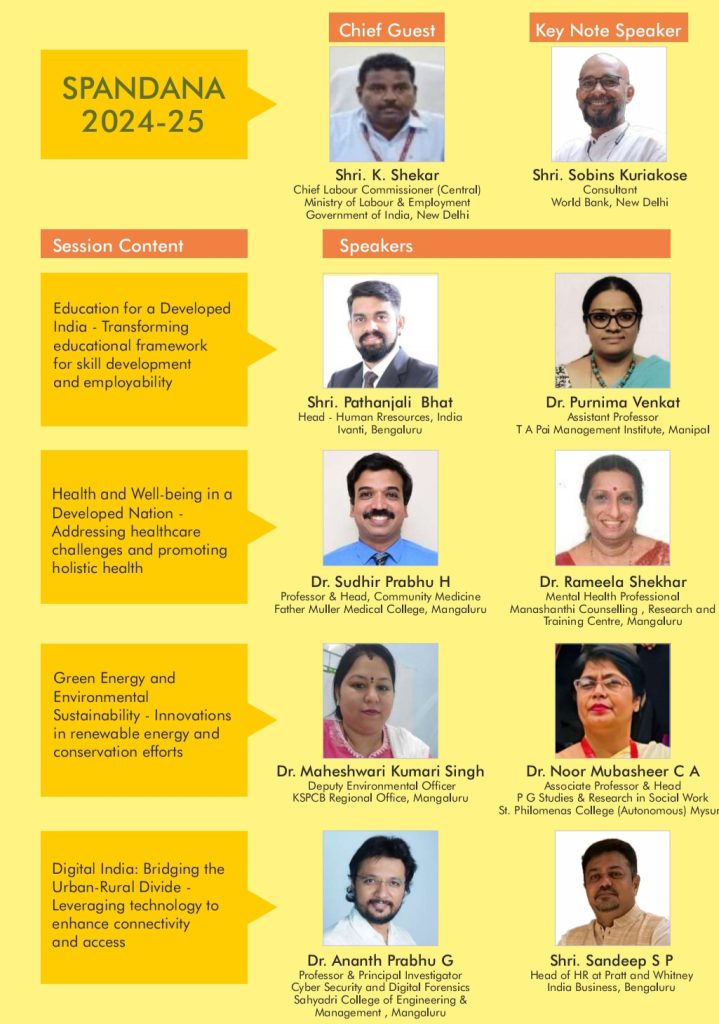
SPANDANA | January 16th and 17th, 2025 | “Progressive India: Pathways to Sustainable Development and Inclusive Growth,” | Global TV

School of Social Work, Roshni Nilaya to Host SPANDANA 2024 – 25: A Conference on Sustainable Development and Inclusive Growth

Dr. Sebastin K V- Organising Secretary | 9448154901 | sebastinkv@sswroshni.in

Mangaluru  The School of Social Work, Roshni nilaya is proud to announce its flagship international conference, SPANDANA, scheduled for January 16th and 17th, 2025. Themed “Progressive India: Pathways to Sustainable Development and Inclusive Growth,” this two-day event will bring together student social workers, practitioners, academicians, and policymakers to explore innovative strategies for a developed India.
The conference will commence with an inaugural address by the Chief Guest, Shri K Shekar, Chief Labour Commissioner (Central), Ministry of Labour and Employment, Government of India, on January 16th at 10:00 AM at the Maria Paiva Hall. The keynote address will be delivered by Mr. Sobins Kuriakose, Consultant at the World Bank, New Delhi. Dr. Sophia N Fernandes Principal of the college will preside.
SPANDANA will feature a series of expert sessions addressing critical themes that impact Indias development path:

1. Education for a Developed India: Transforming educational frameworks for skill development and employability, led by Mr. Pathanjali Bhat, Head of Human Resources at Ivanti, Bengaluru, and Dr. PurnimaVenkat, Assistant Professor at T A Pai Management Institute, Manipal.

2. Health and Well-being in a Developed Nation: Addressing healthcare challenges and promoting holistic health, presented by Dr. SudhirPrabhu H, Professor  Head of Community Medicine at Father Muller Medical College, Mangaluru, and Dr. RameelaShekhar, Mental Health Professional at Manashanthi Counselling, Research and Training Centre, Mangaluru.

3. Green Energy and Environmental Sustainability: Innovations in renewable energy and conservation efforts, featuring Dr. MaheshwariKumari Singh, Deputy Environmental Officer at KSPCB Regional Office, Mangaluru, and Dr. Noor Mubasheer C A, Associate Professor  Head of PG Studies  Research in Social Work at St. Philomenas College (Autonomous), Mysuru.

4. Digital India: Bridging the Urban-Rural Divide: Leveraging technology to enhance connectivity and access, with insights from Dr. AnanthPrabhu G, Professor  Principal Investigator in Cyber Security and Digital Forensics at Sahyadri College of Engineering  Management, Mangaluru, and Mr. Sandeep S P, Head of HR at Pratt and Whitney India Business, Bengaluru.


This conference aims to share best practices and success stories while fostering discussions on leveraging technology, enhancing governance, and promoting collaboration among stakeholders. By addressing pressing development challenges, SPANDANA 2024 – 25 seeks to inspire actionable insights and collective efforts towards a prosperous and inclusive India.
There will be scientific paper presentations by researchers, research scholars, and academicians in the field of social work. A theme-based cultural show is also scheduled. More than 250 participants are expected to attend.
We invite all interested participants to join us in this vital discourse aimed at shaping a sustainable future for our nation.

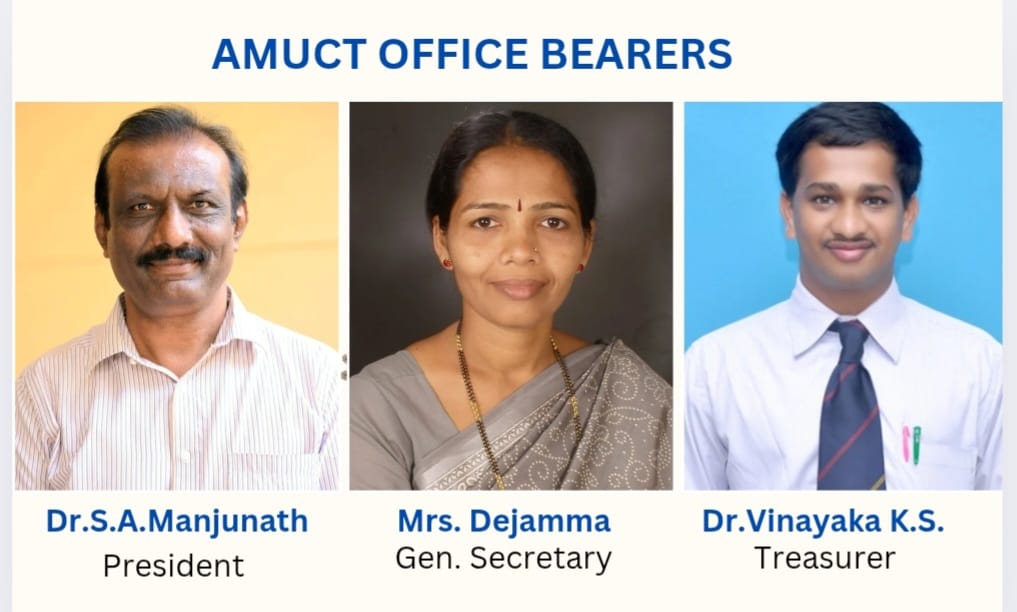
AMUCT | Dr. SA Manjunath of Pompei College, Aikala, was elected as the new President | Mrs. Dejamma A of Canara College, Mangalore, was chosen as General Secretary | Dr. Vinayaka KS from SVS College, Bantwal, was elected Treasurer | Global TV

Mangalore, January 12, 2025

AMUCT Holds 37th Annual Convention, Elects New Office Bearers

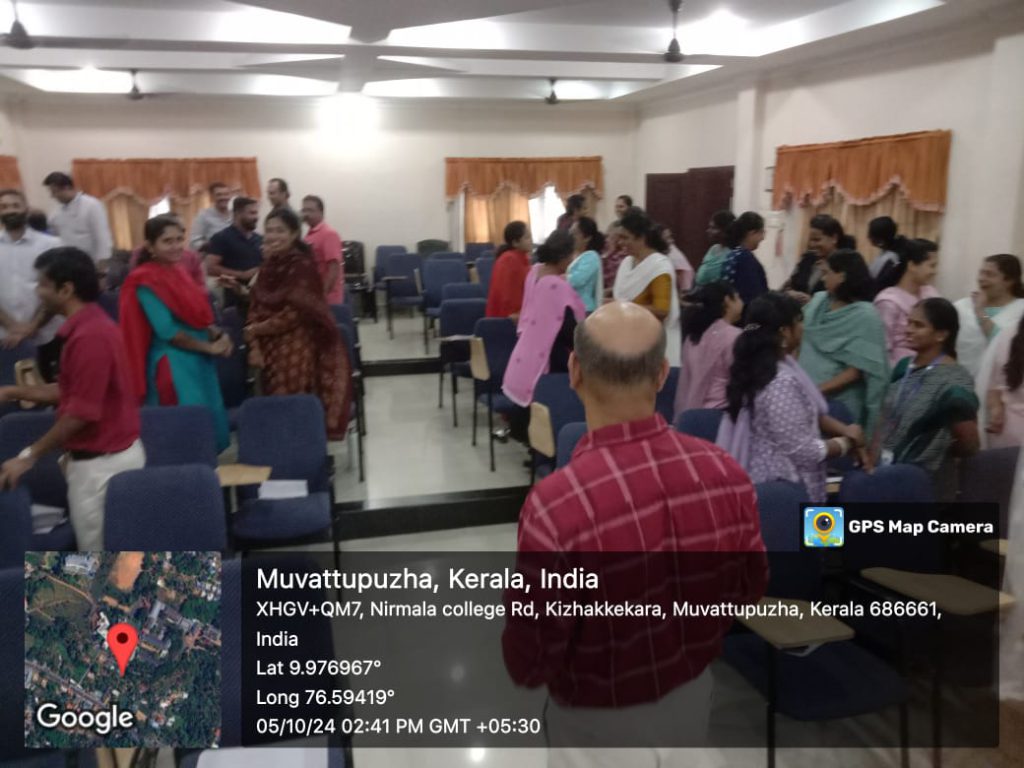
The Association of Mangalore University College Teachers (AMUCT) conducted its 37th Annual General Body Meeting and Annual Convention at the School of Social Work, Roshni Nilaya, today. The event marked a significant gathering of academic professionals and witnessed the election of new office bearers for the 2025-2027 term.

Sri Ivan D’Souza, Member of the Legislative Council, Government of Karnataka, who attended as the chief guest, emphasized the dynamic nature of the education sector in his address. He commended AMUCT’s contributions to educators’ professional development and student academic growth while acknowledging the challenges faced by educational institutions.

The convention was further distinguished by the presence of Professor Joslyn T. Lobo, former AMUCT president, and Professor Eveleen Benis, Secretary of the Institute of Social Service, as guests of honor. AMUCT President Sri Ganesh Pai delivered the welcome address, while Dr. Purushothama K. V., Managing Trustee of AMUCT Trust, introduced the guests. Assoc. Prof. Cecilia F. Goveas, General Secretary of AMUCT, proposed the vote of thanks.

A special felicitation ceremony honored retired faculty members for their service and celebrated newly awarded PhD holders for their academic accomplishments.

In a unanimous election, Dr. SA Manjunath of Pompei College, Aikala, was elected as the new President, while Mrs. Dejamma A of Canara College, Mangalore, was chosen as General Secretary. Dr. Vinayaka KS from SVS College, Bantwal, was elected Treasurer. The vice-presidential positions went to Dr. Shailaja Y. V. of Vijaya College, Mulki, and Dr. Meera of St. Agnes College, Mangalore. Dr. Prakash D’Souza from Sacred Heart College, Madanthyar, and Dr Sowmya B P, SDM college , Ujire were elected as Joint Secretaries.

The convention underscored AMUCT’s ongoing dedication to strengthening the academic community in Mangalore and supporting educational excellence in the region.

EI | Ethical Incentivization as a Mechanism for Mobilizing Collective Well-Being | Global TV

Career Club and Care Club | A Revolutionary Mechanism to Combat Capital Corruption | Global TV

NV Paulose, Chairman, Global TV +91 98441 82044

Ethical Incentivization is an advanced concept. It transforms the idea of corruption from being a destructive force into a socially productive system. It encourages individuals to engage in activities that replicate the voluntary efforts of visionaries, aligning personal incentives with the broader goal of societal well-being. Under this model, people earn money not by exploiting the system but by adding value through socially impactful actions.

Corruption is often linked with exploitation, greed, and societal decay. Ethical Incentivization challenges this narrative by transforming corruption into a productive force for collective well-being. Ethical Incentivization incentivizes individuals in society building activities, aligning societal benefits with personal gains.

This innovative approach is a prevention mechanism against capital corruption. It redirects resources and energy towards grassroots enrichments and institutional growth. This approach fosters economic growth and instills a culture of shared responsibility. It is a collective effort for institutional and social development.

Ethical Incentivization: A Transformative Perspective

Ethical Incentivization reimagines corruption, shifting it from a destructive force to a system that drives social productivity. This concept encourages individuals to emulate the voluntary efforts of visionaries, aligning personal incentives with the broader goal of societal well-being. Instead of exploiting the system, people earn by contributing value through socially impactful actions. This method redirects resources and energy toward mutual growth and economic development.

Ethical Incentivization as a Mechanism for Mobilizing Collective Well-Being

Ethical Incentivization encourages individuals to engage in activities that replicate the voluntary efforts of visionaries, aligning personal incentives with the broader goal of societal well-being. Under this model, people earn not by exploiting the system but by adding value through socially impactful actions.

What is Ethical Incentivization?

Ethical Incentivization reimagines the role of personal incentives in societal progress entirely into a new approach. Create wealth and help people and society to grow faster and better is the core idea of Ethical Incentivization. It creates a system where individuals earn legitimate rewards for contributing to the public good, especially in areas where voluntary efforts by visionaries might not reach. Acceleration, extension and streamlining of the growth mechanism is the outcome.

For example:

  • Incentivising individuals promoting career opportunities by developing Revenue Models on new concepts like Dignified Media Practitioners
  • Encouraging individuals to promote government schemes or services like postal savings accounts and insurance policies in underserved areas.
  • Offering rewards for grassroots mobilization of bank deposits or spreading financial literacy.
  • Incentivizing campaigns for environmental sustainability, digital literacy, or health awareness.
  • Creating opportunities and Revenue Models for people in new media streams that connects people to their native places and institutions.

Unlike traditional corruption, which thrives on illegitimate exploitation, Ethical Incentivization channels human effort and creativity into socially impactful actions, ensuring mutual benefit.

How Ethical Incentivization Prevents Capital Corruption

Capital corruption arises from the concentration of power, wealth, and influence in the hands of a few. Ethical Incentivization provides an impetus by decentralizing efforts and channelizing rewards for honest contributions. It ensures development and economic growth to benefit a broader spectrum of society.

Decentralizing Economic Opportunities

Ethical Incentivization empowers individuals at the grassroots level by offering them opportunities to earn through socially impactful actions. This reduces dependence on large corporations or corrupt systems for wealth generation.

Legitimizing Rewards for Honest Work

By providing transparent incentives, Ethical Incentivization ensures that individuals are motivated to contribute to public welfare without engaging in exploitative practices.

Building Institutional Trust

Institutions gain credibility and trust as they collaborate with individuals to promote services and schemes that directly benefit communities.

Preventing Wealth Concentration

With a decentralized and transparent reward system, Ethical Incentivization discourages the concentration of wealth in the hands of the few, addressing one of the root causes of capital corruption.

Alignment with Visionary Goals

The activities rewarded under Ethical Incentivization must align with long-term societal goals, such as Opportunity Creation and Development of New Revenue Models, financial inclusion, environmental sustainability, and health awareness.

Collaborative Institutional Support

Institutions, including banks, government agencies, and corporations, must collaborate with individuals and provide resources to facilitate campaigns.

Rewarding Visionary-Like Efforts

Ethical Incentivization focuses on replicating the efforts of great visionaries by rewarding socially impactful actions that go beyond personal gain.

Benefits of Ethical Incentivization

Economic Empowerment

Ethical Incentivization enables individuals to earn supplemental income through legitimate and socially impactful activities, reducing economic inequalities.

Institutional Growth

Public and private institutions benefit from increased visibility, enhanced trust, and grassroots engagement without high marketing costs.

Fostering a Culture of Responsibility

By incentivizing socially beneficial actions, Ethical Incentivization fosters a sense of shared responsibility and strengthens the social fabric.

Mitigating Exploitative Practices

Clear guidelines and legitimate rewards ensure that the system is free from exploitative practices, creating a fairer economic structure.

Bridging the Gap Between Visionaries and Communities

By rewarding actions that emulate the selfless efforts of visionaries, Ethical Incentivization ensures that their vision reaches the grassroots level.

Examples of Ethical Incentivization in Action

Promoting and Recognizing Dignified Media Practitioners:

Media is the main area that decides the quality of a society. Unethical Media Practices destroy society in the long run. Cleaning up of Media is a greater action than Cleaning up of politics. There are plenty of opportunities that we can create in Media and various level by connecting people globally.

Grassroots Financial Inclusion:

A teacher uses their extra time to educate villagers about financial schemes and earns a commission for each account opened.

Insurance Outreach:

Youth leaders promote affordable insurance schemes in rural areas, earning rewards while enhancing community security.

Digital Payment Adoption:

Tech-savvy individuals help rural communities adopt digital payment systems, earning rewards from institutions promoting digital literacy.

Transforming Corruption Into a Tool for Progress

Ethical Incentivization redefines the way we view corruption, turning it from a destructive force into a mechanism for societal growth and inclusivity. It provides a system where personal gain is directly tied to societal well-being, ensuring that every action benefits both the individual and the community.

By offering legitimate rewards for socially impactful actions, Ethical Incentivization creates a culture of shared responsibility, addressing the root causes of capital corruption while building a more equitable and empowered society.

The idea of Ethical Incentivization is a bold and transformative step towards redefining societal structures. It encourages individuals to actively participate in grassroots development and institutional growth by rewarding actions that replicate the selfless contributions of visionaries.

By aligning personal incentives with collective well-being, Ethical Incentivization provides a sustainable mechanism to combat capital corruption, fostering a society that thrives on collaboration, transparency, and trust. This innovative approach not only addresses the root causes of capital corruption but also builds a more equitable, empowered, and inclusive society.

Question Hour | Developed by Josi Joseph, | power of the Psycho-Dialectic Method (PDM) | a comprehensive remedy for achieving all-round psychological well-being | Global TV

NV Paulose, Chairman, Global TV +91 98441 82044

‘Question Hour’ | The art of learning to flow | By Josi Joseph

It is a universal fact that everyone likes to flow free in life with all its charm and calm. This desire for effortless progress is innate, transcending cultures, ages, and backgrounds. No one likes to get stuck somewhere, as stagnation contradicts the natural aspiration for growth and movement. Despite some obstacles, the show must continue with all its beauty, emphasizing the importance of resilience and adaptability.

The ‘Question Hour’ program, developed by Josi Joseph, harnesses the transformative power of the Psycho-Dialectic Method (PDM) to serve as a comprehensive remedy for achieving all-round psychological well-being. This innovative program is celebrated for its profound ability to instill happiness, foster emotional resilience, and inspire personal excellence within a single day.*

The Psycho-Dialectical Method (PDM), developed by Josi Joseph, is the back bone of the program.The method is rooted in engaging the psyche (mind) through a structured process of dialogue and self-inquiry. At its core, the method is about fostering introspection by prompting individuals to ask themselves profound questions and arrive at deeply resonant answers that lead to lasting transformation.

The purpose 

The purpose behind designing ‘Question Hour’ is to create a better world with less pain and more happiness. If a person is happy, he automatically spreads happiness, and the decisions he makes will be positive. This naturally speeds up the shifting process.

The Impact

  • Comprehensive and Transformative
  • Addresses diverse aspects of psychological well-being, from emotional regulation to goal alignment.
  • Creates an environment where participants can confront limiting beliefs and emerge with renewed confidence.
  • Immediate and Lasting
  • It is known for its ability to compress the benefits of month-long interventions into a single day.
  • Participants often report transformative insights and a lasting sense of purpose and happiness.

Key Features

  • Focuses on happiness as the foundation for mental health and personal success.
  • Encourages participants to redefine success in alignment with their authentic values.
  • Engages participants in structured, interactive discussions that stimulate introspection and collective learning.
  • There are no tools or visual aids.
  • Provides practical strategies to overcome stress, negativity, and self-doubt.
  • Effective across diverse professions and backgrounds, from farmers to professionals.
  • Improves self-awareness, empathy, and interpersonal skills.
  • Teaches participants to manage emotions constructively and foster healthy relationships.
  • Boosts Confidence and Self-Esteem:
  • Guides individuals in identifying and overcoming personal insecurities.
  • Builds a strong sense of self-worth and purpose.
  • Fosters Resilience:
  • Prepares participants to navigate life’s challenges with optimism and adaptability.
  • Encourages a mindset of growth and continuous improvement.
  • Encourages Positive Attitudes:
  • Shifts participants’ perspectives to embrace gratitude, positivity, and compassion.
  • Creates a ripple effect of positivity within families, workplaces, and communities.
  • Promotes Mental Clarity:
  • Breakthroughs in personal and professional challenges.
  • Enhanced relationships and improved quality of life.
  • Facilitates deep psychological healing through self-inquiry and dialogue.
  • Promotes synthesis of conflicting ideas into harmonious solutions.
  • Empower participants to take ownership of their growth and well-being.

Top beneficiaries

Kerala Agriculture University, Stellamaris College Chennai,Kalaikaveri college Trichy, Holy cross Bed College Trichy, CBSE Teachers Chennai, Doordarshan- Aasadi ka Amruthu Mahothsave, Rubber Board, Nirmala Pharmacy College Moovattupuzha, Bed colleges, Schools and Colleges In Kerala, Seminaries, Schools in Karnataka.

Cost of the program

Kannur District-15000+, outside Kannur-25000+, outside Kerala- 35000 + TA + stay.(negotiable if…).

Number of participants

Below 50 is preferred for better results and could go up to 60.

About Josi Joseph

Psychologist | Author | Motivational Speaker | Journalist | 91 9446848191 | josipampadi@gmail.com

Josi Joseph is a multifaceted professional with expertise in happiness, positive psychology, and mindfulness. With a strong literature,  journalism, and counseling background, Josi has inspired countless individuals through his motivational speaking engagements (Question Hour-the only Psycho-Dialectic program). His life’s purpose is to create a better world, with his magical and logical ‘ Happiness theory of attitudinal change and a better world’.

Education

  • Degree in Philosophy and History
  • Postgraduate degree in Psychology and Political Science
  • Postgraduate Diploma in Journalism

Achievements

  • The Statesman National Award for Rural Reporting
  • Akam Kairali Award for short Story
  • Y’s Men International award for excellence

Experience

  • Journalism, Counseling, teaching, Motivational Speaking

Publications

  • Authored six books, including three novels, two story collections, and one edited novel
  • Latest publication: “The Divided Holiness”  (novel), published on Amazon

Personal Details

  • Born: December 1, 1969
  • Birthplace: Kannur district, Kerala, India
  • Gender: Male

NV Paulose | Chairman | Global TV | You Can Sure Learn from Me | The Art of Floating: A Journey of Resilience and Hope | +91 98441 82044

The Art of Floating and progressing with the Atomic Habit | Global TV

As I sit here reflecting on the twists and turns of my life’s journey, I am struck by the many times I felt submerged in an ocean of despair. Living in Mangalore for three decades, the challenges I faced often seemed insurmountable. There were moments hundreds of times when giving up was felt like the only option.

But I didn’t give up…

But I didn’t give up in the darkest moments, something within me gripped to hope, a spark of defiance against the tide. Over time, I realized it wasn’t just about survival; it was about learning how to stay afloat when the waves came crashing down. I began to understand this as “The Art of Floating.”

Floating is not about escaping the currents of life but embracing them with Passion and Persistence. It is about resilience in finding a balance even in the most chaotic situations. It’s about thriving amidst uncertainty, learning to rise above pain, and uncovering the path forward with grace and courage.

Lessons from the Deep…

The Art of Floating taught me invaluable lessons. First, resilience and persistence are not innate qualities it is cultivated. With every hardship, I learned to persevere. Self-reflection became my compass, guiding me through the haze. Seeking help when overwhelmed was not a weakness but a strength.

Gratitude transformed my perspective, reminding me of life’s blessings even in adversity. Forgiveness lightened my burdens, while compassion deepened my connections with others. These lessons were my lifeboat, keeping me steady as I continue to navigate through life’s challenges because of my over ambitious nature and passion to positively beat the unbeatable odds.

From Pain to Purpose…

Through my struggles, I discovered my calling: to help others learn to float. Today, as a therapist, career coach, and relationship builder, I guide individuals in discovering their purpose by addressing their own challenges. I believe and live the dream that everyone has the capacity to rise above life’s storms and live their life with joy and fulfilment. It is all how we look into situations.

If you feel like you’re sinking, know that you don’t have to float over the waters alone. Reach out. Let’s explore your inner strength together, and I’ll show you how to master The Art of Floating.

Global TV is a Platform for Family Partnerships for Dignity and Growth | Become the Ambassadors of Dignified Media Practices | Global TV

The philosophy of Dignified Media Practitioners is for personal growth and at the same time for family enrichment and social empowerment. Media is a platform over the foundation of Mutual Respect and Massive Collaboration to create a collective impact in the society.

Can we envision The Art of Floating as a platform to nurture Dignified Media Practitioners (DMP) and to creating a space where individuals can grow with integrity, purpose, and creativity? Media today plays a critical role in shaping society, and we need Media Practitioners to uphold dignity and truth.

Through storytelling, training, and collaboration, we can create collective and massive platforms that can inspire all of us to embrace challenges and share meaningful associations and partnerships. Informality and flexibility are the basic norms. Fostering a community of people who uplift one another, creating ripples of positive change can channel the untapped energy of the global society.

Digital De-Migration to India

Digital De-Migration (DDM) to India is a powerful movement where individuals recognize the immense career opportunities to foster human relationships and pursue collective growth paths. The world is increasingly driven by Media and we should use Common Sense (CS) technology to build the Media Streams.

Building human connections is emerging as equally, if not more, impactful than constructing buildings, cultivating crops, or nurturing livestock. This shift to the media landscape and the focus on value-based relationships will drive society towards innovation at the next level. We collectively can create a sustainable ecosystem fostering a sense of community, ultimately contributing to India’s progress in a profoundly meaningful way.

This shift will build a deeper connection to our roots, culture, and community and contribute to the nation’s growth ultimately. Fostering media platforms for collaboration and empowerment is the best way to act as catalysts for transformation. It is like posting 100 PROs to promote an establishment.

Rise Above the Tide

The Art of Floating is not merely a survival technique; it’s a philosophy, a way of life. No matter how turbulent the waters may seem, you have the power to rise above them. It starts with a single step, a single decision to hold on to hope.

St. Aloysius University | A Legacy That Never Sleeps | A Campus Alive 24X7 | The Lighthouse that is the Pride of the Light House Hill | Global TV

A True Campus Never Sleeps: The Spirit of St. Aloysius University | Tradition Meets Innovation | Global TV

NV Paulose, Chairman, Global TV +91 98441 82044

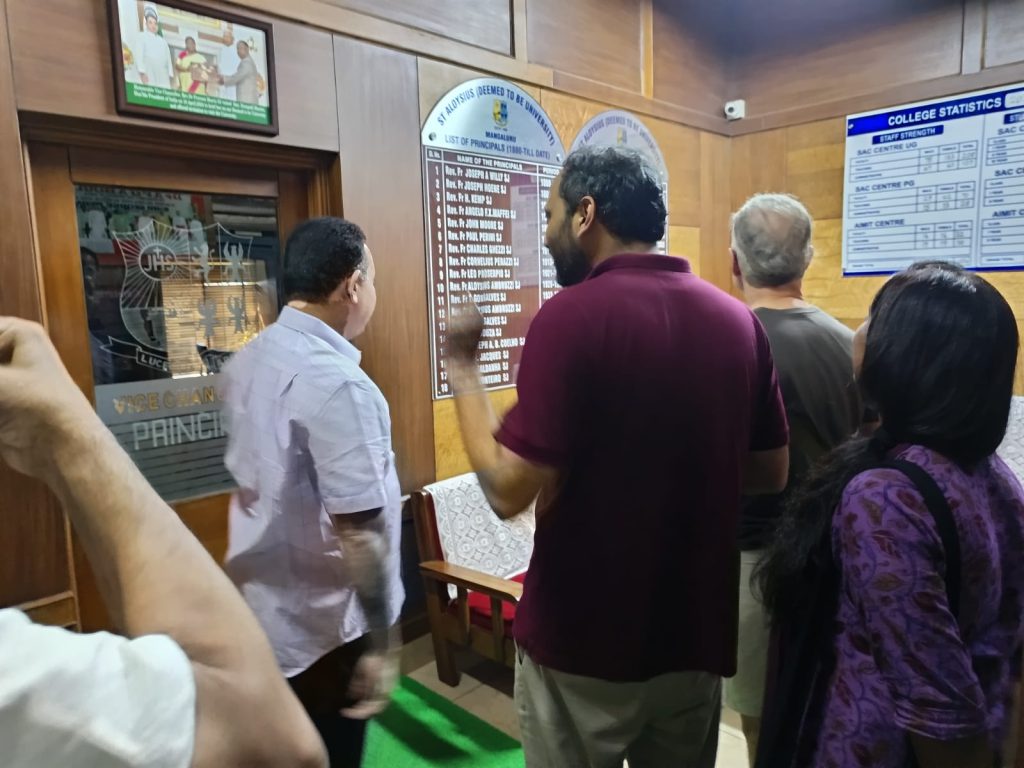
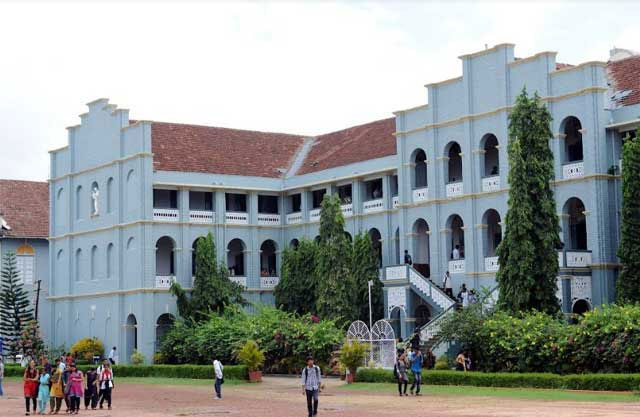
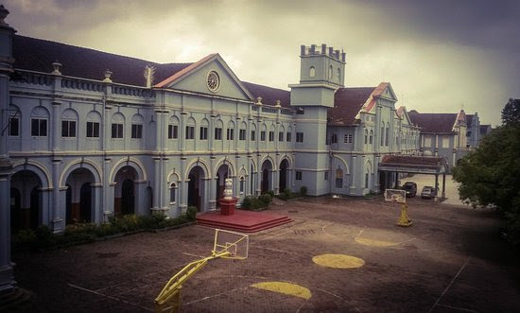
Perched atop the iconic Light House Hill in Mangalore, St. Aloysius University is more than a place of learning; it is a living, breathing entity that thrives day and night. With over 140 years of legacy, this Jesuit institution effortlessly blends tradition with modernity, creating a vibrant ecosystem where academics, culture, innovation, and service converge. It is a campus where every moment brims with purpose, embodying the ethos that “a true campus never sleeps. 

St. Aloysius University is a dynamic community where education, culture, and innovation come alive. Every corner of its campus reflects a purpose-driven environment where students and faculty strive for excellence in academics, service, and personal growth.

Mornings: Inspiration at Dawn

The day begins with the soft golden light of the sun illuminating the historic buildings and lush greenery, while the tranquil view of the Arabian Sea sets the tone for inspiration. The iconic St. Aloysius Chapel, adorned with its famous murals and paintings, becomes a sanctuary for reflection and prayer. This sacred space symbolizes the university’s Jesuit roots, offering solace and strength to the community as they prepare to live purposeful lives.

By mid-morning, classrooms, lecture halls, and laboratories buzz with intellectual passion. Students immerse themselves in multidisciplinary learning, mentored by a distinguished faculty who nurture curiosity and critical thinking. Whether in science, liberal arts, or emerging fields, the focus is on holistic development that prepares students to tackle global challenges.

Afternoons: A Hive of Innovation and Collaboration

By mid-day, the campus transitions into a hive of creativity and collaboration. Departments and research centres peak with activity as students and faculty tackle real-world challenges through cutting-edge projects. The university’s focus on research, entrepreneurship, and societal impact transforms every corner of the campus into an incubator for ideas that can shape the future.

The sprawling Xavier and Loyola Blocks are thrilled with academic discussions, group presentations, and skill-building workshops. Whether in the Anti-Pollution Research Laboratory or the Media Centre, students engage in ground-breaking initiatives that reflect the institution’s commitment to the society with innovation and sustainability. The university’s inclusive environment and character fosters cultural exchange and unity.

Canteens and open spaces become vibrant hubs where students from diverse backgrounds connect, sharing ideas, dreams, and aspirations. It is the spirit of joy, appreciation and celebrated friendships that makes St. Aloysius a true melting pot of global perspectives. There is no divides creating walls in the vast campus. The walls existing in the make of the campus are filled dreams and aspirations.

Evenings: A Celebration of Art and Culture

As the sun sets over the Arabian Sea, St. Aloysius transforms into a cultural haven. The open-air amphitheatre and Alvares Hall host an eclectic array of performances, from traditional and modern music concerts to contemporary plays and modern dance shows are all leading the society towards its collective manifestation of dreams and destiny.

Events like TEDx talks, where ideas worth spreading find eager listeners, exemplify the intellectual vibrancy of the campus community. Yakshagana performances, torchlight plays, and cinematic adaptations of epics showcase the intersection of tradition and modernity. Such events not only entertain but also instill a deep appreciation for heritage and storytelling.

The cultural celebrations mark the university’s dedication to preserving heritage while embracing modernity. Students take centre stage and it helps in bringing life to the university’s vibrant clubs and associations. The Literary Club, Drama Association, and Music Circle curate events that highlight the exceptional talents within the student body, turning every evening into a celebration of creativity.

Eco Warriors keep engaging themselves in the green mission that transcends the boundaries of the university and penetrate into the regular habits of the faculty and students. Green initiatives at homes and surrounding are inspired from the campus vibes. Green Activities, Seminars, exhibitions, and public lectures often extend into the evening hours, ensuring that the campus remains alive with intellectual stimulation.

Nights: A Quiet Determination

When the city sleeps, St. Aloysius continues to thrive. The campus at night is a mix of quiet focus and creative energy. The university’s state-of-the-art library remains a sanctuary for students and scholars, offering a vast collection of resources and a peaceful ambiance for study. Research scholars and innovators can be found engrossed in their work in the IT labs and research hubs, where late hours become moments of breakthroughs. Hostels, too, are alive with spirited discussions on everything from philosophy to politics, fostering a culture of dialogue and exploration.

Even the silence of the Chapel at night carries a profound vibrancy, offering solace and inspiration to those who seek clarity under the stars.

The Jesuit Legacy: Service and Excellence

At the heart of St. Aloysius University lies its Jesuit mission to nurture “Men and Women for Others.” This ethos permeates every aspect of campus life, inspiring students to excel academically while remaining deeply committed to societal well-being.

The university’s social outreach programs are a reflection of this commitment. Whether it’s rural empowerment initiatives, environmental conservation projects, or community health drives, Jail reformation activities, the campus empowers its students to bring about positive change in the world.

These initiatives are not just extracurricular activities but are woven into the fabric of the institution’s values, ensuring that every student graduates with a sense of responsibility toward humanity. Clubs and societies bring together like-minded individuals who work tirelessly to organize events, from cultural fests to environmental campaigns. Initiatives such as “Plastic-Free Campus” and “Zero Waste Solutions” are a testament to how campuses can act as catalysts for change, encouraging sustainable practices among students and staff alike.

The Alumni Network: Legacies That Illuminate the World

The strength of St. Aloysius University extends far beyond its campus, through its illustrious alumni who have made significant contributions across various fields. From global leaders and social reformers to innovators and artists, the alumni carry forward the values instilled during their time at the university. Regular alumni meets and mentorship programs ensure a continuous exchange of knowledge, experience, and opportunities between generations.

St. Aloysius University thrives on its commitment to inclusivity, fostering a culture where every student feels valued and empowered. Afternoon sessions often witness cultural exchange programs, language learning initiatives, and interfaith dialogues. These activities create bridges between diverse backgrounds, ensuring that the campus remains a global hub of mutual respect and understanding.

A Campus Alive with Purpose

St. Aloysius University has a vibrant ecosystem where learning, innovation, culture, and service coexist harmoniously. Its legacy of excellence is not confined to its history or achievements but is lived every day by its students, faculty, and alumni. From the morning rays that illuminate its historic Chapel to the quiet midnight hours where dreams take shape, St. Aloysius stands as a testament to the transformative power of education. It is a campus that never sleeps, constantly evolving, inspiring, and striving for a better future.

Let my story be a mystery and let me work to make his story to become a history; this could be the approach of the people at the helm of the university. What a profound approach it is; that is the power to nurture the other person and celebrate the success of others. St. Aloysius University is a lighthouse of wisdom, and progress. It is a true campus where the spirit of learning and service never rests.

Fr. Praveen Martis SJ: A Journey of Self-Discovery, Creativity, and Leadership | Global TV

Fr. Praveen Martis SJ, Vice Chancellor of St. Aloysius University has transformed challenges into opportunities for personal growth and institutional betterment | Global TV

NV Paulose, Chairman, Global TV +91 98441 82044

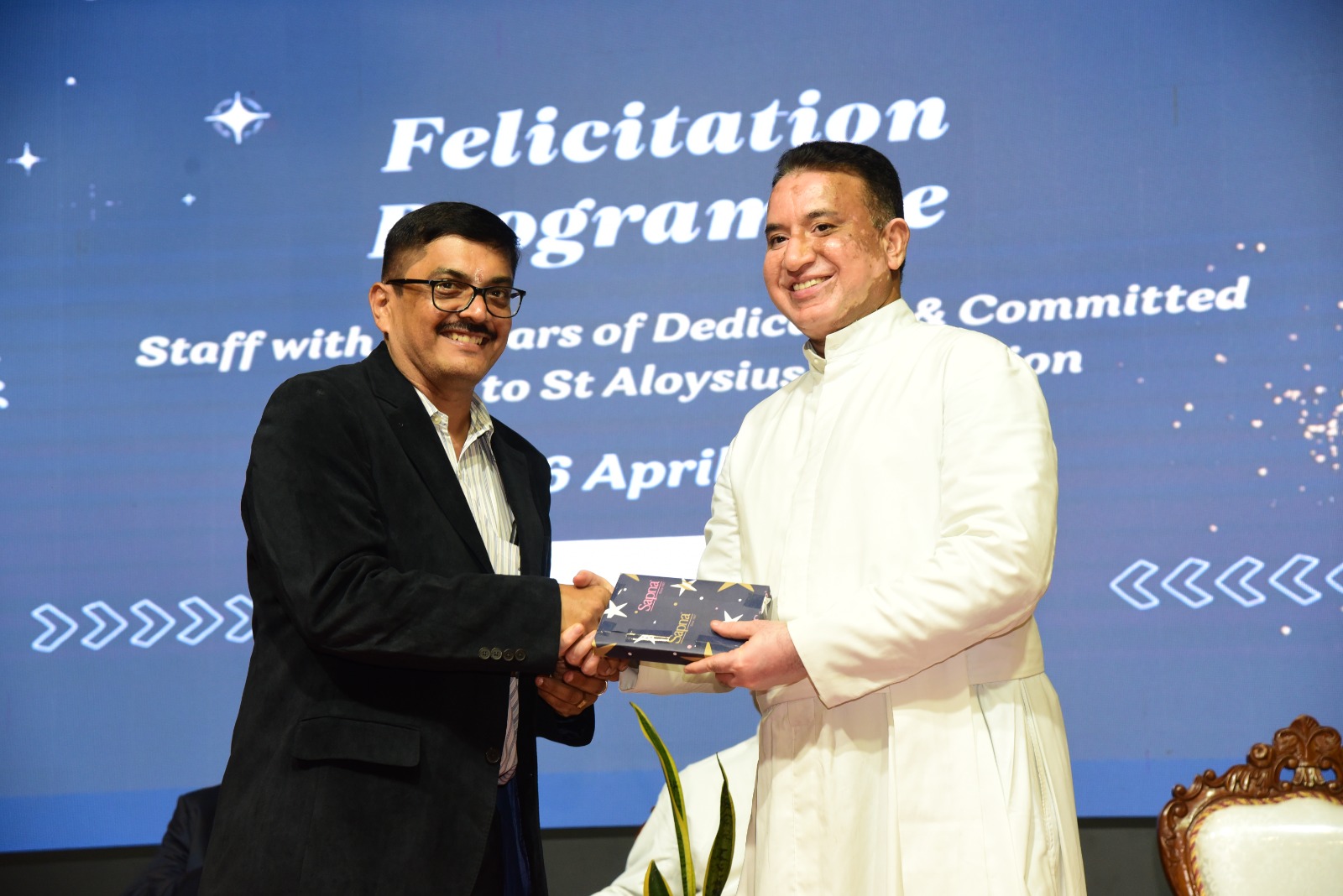
Fr. Praveen Martis SJ, Vice Chancellor of St. Aloysius University, is a man of profound humility and inspiring vision. Through his life journey, he has transformed challenges into opportunities for personal growth and institutional betterment. In an exclusive interview, Fr. Martis shared the turning points in his life, the success stories he cherishes, the challenges he overcame, and the lessons he holds dear. His reflections reveal a life dedicated to service, creativity, and transformation.

The Turning Points: Discovering a Path beyond Fear

Fr. Praveen Martis’ life journey began as a timid and introverted child, shaped by unique family dynamics and a love for reading. “I was a very quiet, introverted man,” he recalled, attributing this to the significant age gap between himself and his siblings. This solitude, however, became fertile ground for developing a deep habit of reading. His father, a social worker who brought home books from the library, inspired his intellectual pursuits.

Despite excelling academically, Fr. Praveen Martis faced a significant challenge beginning with stage fright and difficulty in interpersonal relationships. He feared public speaking and struggled with self-doubt, wondering what others would think if he made mistakes. “The fear of the stage was very frightening,” he admitted, adding that his perfectionist tendencies only heightened this anxiety.

The major turning point in my life came when I joined the Jesuit Order in 1991 after completing my PUC. This decision was monumental because, up until that point, I had been a timid and introverted person, struggling with interpersonal relationships and a deep fear of public speaking.

Growing up, I was the third child in a family where the age gap between my elder siblings and me was about seven years, and another seven years separated me from my younger brother. This significant age gap meant that I often played alone or with neighbouring children, but I largely grew up in solitude. This shaped my introverted personality.

Being an introvert, he could immerse himself in the habit of reading!

However, there was a silver lining: my father was an avid reader and often brought home books from the library; Reader’s Digest, National Geographic, and more. Observing his reading habits, I developed a love for reading as well. I read Kannada novels and other materials that came home, and this fostered a love for learning and a strong intellectual foundation. I even participated in quizzes and writing competitions, which I excelled at. But despite being a good student academically, I struggled with confidence in social and public settings.

The lack of interpersonal skills left me feeling inadequate at times. I admired my father, who was a great social worker and often helped people selflessly, and I dreamt of being like him. This dream inspired me to consider the priesthood as a way to serve others. However, my fear of public speaking and stage fright posed significant challenges. Even though I was academically sound, the thought of standing in front of people and addressing them terrified me. I would often question, “What if I make a mistake? What will people think of me?”

This internal conflict continued until I met a humble Jesuit priest who changed my perspective. He explained that priesthood did not necessarily mean being a parish priest standing in front of a congregation. In the Jesuit Order, there were opportunities to serve as a social worker, scientist, or educator. These were roles that did not require constant public appearances. His words opened my eyes to the variety of ways I could serve God and society while also addressing my fears.

Joining the Jesuit Order marked a transformative phase. I discovered myself and began to address my fears step by step. The Jesuit philosophy of small, incremental changes impressed me deeply. For instance, I tackled my fear of public speaking through gradual exposure rather than attempting to conquer it all at once. Over time, I not only overcame my fears but also developed a knack for creativity and problem-solving which had helped me so much even now.

A specific instance to highlight this ability is very interesting. There was an area where students would often loiter, and it was challenging to manage them. Instead of reprimanding them or imposing rules, I approached the situation creatively. I beautified the space by adding potted plants, making it inconvenient for students to sit there while simultaneously enhancing the environment. This small act of creativity solved a problem without confrontation and sparked a new way of thinking in me: solving issues through micro-changes.

This mind set of gradual improvement became a cornerstone of my approach to life. Inspired by the principles of “Atomic Habits,” I learned to focus on small, consistent changes rather than attempting drastic transformations. Over time, these micro-changes accumulated into significant shifts, both in my personal life and in the communities I served.

Another profound realization was the importance of empathy and prioritizing others’ needs like skipping meals or sacrificing comfort to address the needs of people who had travelled long distances seeking help. Their prayers and goodwill strengthened my resolve to continue serving selflessly. In retrospect, joining the Jesuit Order not only helped me overcome my limitations but also shaped my identity as a creative problem-solver and a compassionate listener.

It was indeed the most defining turning point in my life, transforming me from a timid, introverted boy into someone capable of making meaningful contributions to the world around me. The next major turning point happened in Delhi where I studied theology for four years. Usually we get an opportunity for two years. For our batch, because of some reason, we were in Delhi for all four years. I would say that was a major turning point in my life, Delhi being the capital city.

There were various opportunities to do service along with studies. The exposure that I got was tremendous. I got an opportunity to serve in the deepest slum and also in Tihar jail. I had heard about Tihar jail definitely, but I had no idea what the jails are, what really happens there. There was one priest who used to go and do counselling service there. So I pleaded him in the first year to join.

He said there is no vacancy. So many people would like to come. So maybe next year we will give you a vacancy if there is one. Second year I tried and I got. And then three years I went to Tihar jail to really serve the people, to counsel and learn terrific things. First of all, my whole idea of life changed because I am a son of a military man. I knew only discipline and I thought if I make a mistake, there is punishment. And the jail is the place where the severest punishment is given.

There is nothing called punishment in Jail; It is all about Reformation

When I went there, I realized there was no punishment there; only reformation. The whole idea of mine about jail changed. In fact, my idea about life itself had changed a lot with that. I thought life is only meant for punishment. That was my perspective about life being the son of a military man. Seeing the life in Tihar Jail was a paradigm shift, I would say in my approach towards and attitude of life.

Kiran Bedi and others where transforming people in the jail; they said it’s only reformation; and I said if that is reformation, what am I doing? What are our Christian institutions? Our schools were known for discipline and punishment if you don’t follow. Jails don’t give punishment. Why do we give punishment then? Is there a transformation possible? So my idea about transformation came then. That’s a major shift in my life. To look at a person from a transformative angle.

If I had never gone to Tihar jail to any jail, I would have never changed my perspective because that was the ultimate place of punishment I knew. Whole attitude of my life changed. Now, if at all it has affected my administration is that, you know, for three years I have gone to practically all jails, met so many people, conducted so many programs there and I learned how we can transform people. And after that, wherever I went, I went to Bangalore, I took my students there. Because I felt since, like me, many are ignorant; let the eyes get opened up!

When I came to Mangalore, I visited quite often to our place and we started two diploma courses from the college. One is on organic farming, another one. And they are trained by the institution. Thanks be to God, because of that, my way of looking at my life has changed. I am bringing that into my administration, to everyone, to my teachers, to my students, to transform, to inspire, to change, to reform their lives. When something happens, punishment is not the ultimate.

The Dignity Lesson from Belgium

The third turning point, I would say, when I went to Belgium, again, my life has been very graceful in the sense of luck or success. Yes. It is a chance or grace, I would say, being a priest, more than luck or chance. Because I was sent to Belgium for my, that too, science studies, to do my doctorate studies. I had no idea. That is the first time I was travelling by flight. Going abroad. Till then, I have not even travelled in domestic. I had no idea.

Traveling there, distant land, not knowing a single person, landing there. I thought it was English. Everybody speaks in that particular place, only French. So I had to then learn French. For me, like, you know, six months. I couldn’t even speak, or communicate with others. But I remained there to learn French.

There I learnt one important lesson of life. The dignity. Nobody criticized me. No one criticized me. In India, I would only, you know, get only criticism. People telling me this is not okay, that is not okay, this correction, that correction. I was not good in many things. Only appreciation. No corrections. Even when I was not able to do my work, my guide came and sat in front of me.

My guide comes and sits in my place and helps me. And says, no correction. Doesn’t call me to his office to correct me. I felt Jesus’ experience, first time in my life. Dignity for what I am without doing anything. Not based on what I am doing, but what I am as a person. First time as a child of God.

Nobody criticized me. In the workplace, only positive, positive, positive. Only appreciation. So that’s another change that happened. I brought that also into my administration. And because I was changed, I brought that change into my life.

Another turning point is where I learnt humiliation. The humility by humbling down when things don’t go well. I was principal at St. Joseph’s, Bangalore Some reason or the other, things didn’t go well for me. And I had to resign and come down to Mangalore. Being the principal of one of the major colleges. And coming down and being here to teach like ordinary person. Not even as a vice principal. Because I felt at one moment, I am not meant for administration and all that.

And then everybody was looking at me. Terrible humiliation. But then I could face that humiliation. Jesus, when I was doing my long retreat, I was praying for humiliation. Jesus, like you, let me also experience humiliation.

I got an opportunity to experience humiliation. Then again, God brought me back into principal position, now Vice Chancellor. By learning how to be humble was another major shift of transformation. When you are humble, you are grounded. When you are grounded, things go well. You become simple. So these three things, major things I learnt from that.

The Vision of Transformation: From College to University

One of his most ambitious undertakings was the transformation of the historic St. Aloysius into a university. This vision required relentless effort over seven years, involving more than seventy trips to Delhi and countless challenges. Despite the frequent setbacks and humiliations faced along the way, he remained steadfast, fuelled by hope and a belief in the institutions potential.

This journey was not just about achieving institutional recognition but also about embodying the transformative philosophy that he had embraced through his life experiences. To foster an environment of growth, learning, and perseverance, he worked tirelessly and uplifted the institution to greater heights.

Stories are at further length. This part of the story, we shall publish as a separate article later. Let us now make an attempt to sum up the learning from the success story of Rev. Fr. Dr. Praveen Martis SJ.

The Ripple Effect of Leadership and Inspiration

Fr. Praveen Martis SJ’s life and leadership embody the transformative power of creativity, empathy, and self-discovery. His insights about the role of a leader, teacher, and institution are profound and shaped by his own experiences of overcoming personal challenges and embracing change. As Vice Chancellor of St. Aloysius University, he has become a lighthouse of inspiration, demonstrating that leadership is not about titles or authority but about service, vision, and the ability to uplift others.

One of the key pillars of Fr. Praveen Martis’ leadership philosophy is the idea that leadership is not about commanding or exerting control. Instead, it is about embodying goodness and integrity. He often shares this message with young leaders, encouraging them to lead by example rather than through directive power. “You are leaders, and leaders should be good people,” he says

Fr. Praveen Martis believes that when leaders work with a clear conscience and pure intentions, they inspire those around them to do the same. Leadership, in his view, is a reflection of values. It is a force that not only drives organizational goals but also cultivates a culture of trust, respect, and collaboration.

Creating Spaces for Learning

Fr. Martis views the classroom and the learning environment as spaces for reflection, growth, and transformation. As an educator, he believes it is not enough to simply deliver knowledge. True education comes from creating an environment where learners are encouraged to think critically, reflect deeply, and grow in their understanding. He stresses that the educator’s role is not merely to instruct but to inspire and create spaces that allow learning to flourish.

In every meeting or conference he attends, Fr. Martis strives to build concepts incrementally, weaving them into a broader narrative that fosters intellectual growth. For him, the real transformation occurs not just within students, but also within those who guide them; the teachers. He recognizes that it is the educator’s mind-set and approach that play a crucial role in shaping the minds of the next generation.

The Teacher’s Role: The True Catalyst

One of the most significant insights Fr. Martis shares is his belief that the teacher is the true catalyst for change. In his experience, the struggles of students are often reflective of deeper issues within the teaching process itself. “The problem is rarely the student; it’s often the teacher,” he explains. This idea aligns with his broader vision of transformation; if teachers are inspired and engaged, the students will naturally follow suit.

He encourages teachers to become lifelong learners themselves, constantly seeking inspiration and growth. When educators are passionate and committed to their work, they become powerful agents of change. Fr. Martis’ own journey from overcoming personal fears to embracing creative problem-solving demonstrates the transformative potential of education when teachers are both inspired and inspiring.

A Vision for Change

For Fr. Martis, creating meaningful change begins with the educator. To facilitate this transformation, he believes it is essential to surround teachers with inspiration. Provide them with Faculty Development Programs and surround them with inspirations in the form of photographs of Nobel laureates, inspiring quotations, or stories of perseverance, teachers can be constantly reminded of the power of their role in shaping the future.

Fr. Martis’ own leadership at St. Aloysius University exemplifies his vision for change. The university’s transformation, particularly its elevation to university status, was not a solitary effort but a collective one, grounded in the values of perseverance, empathy, and incremental change. Through his leadership, the institution has become a place where students, teachers, and staff alike are empowered to think differently, to act with integrity, and to lead with compassion.

A Journey of Transformation

Fr. Praveen Martis SJ’s life journey talks about the transformative power of self-discovery, creativity, and leadership. From overcoming personal fears and insecurities to embracing new perspectives on life and education, his experiences have shaped him into a leader who is both visionary and compassionate. His commitment to service, creativity, and transformation has not only impacted the institutions he has served but has also inspired countless individuals to look within themselves and discover their own potential for growth and change.

True leadership is not about titles or power but about the ability to uplift others, to transform lives, and to inspire a better tomorrow.

His message is clear: leadership, at its core, is about being a good person, serving others selflessly, and creating spaces where everyone can thrive. Through his life and work, Fr. Praveen Martis SJ exemplifies the transformative power of education and leadership in creating a more compassionate and inclusive world.